Common Diseases and Pests in Houseplants: Causes, Prevention, and Care
Learn why houseplants die: we explain root rot, insufficient light, and pest damage. Discover how to eliminate spider mites, scale insects, and fungus gnats, plus tips for early disease detection and prevention.
Key Takeaways
Learn why houseplants die: we explain root rot, insufficient light, and pest damage. Discover how to eliminate spider mites, scale insects, and fungus gnats, plus tips for early disease detection and prevention.
Related Species
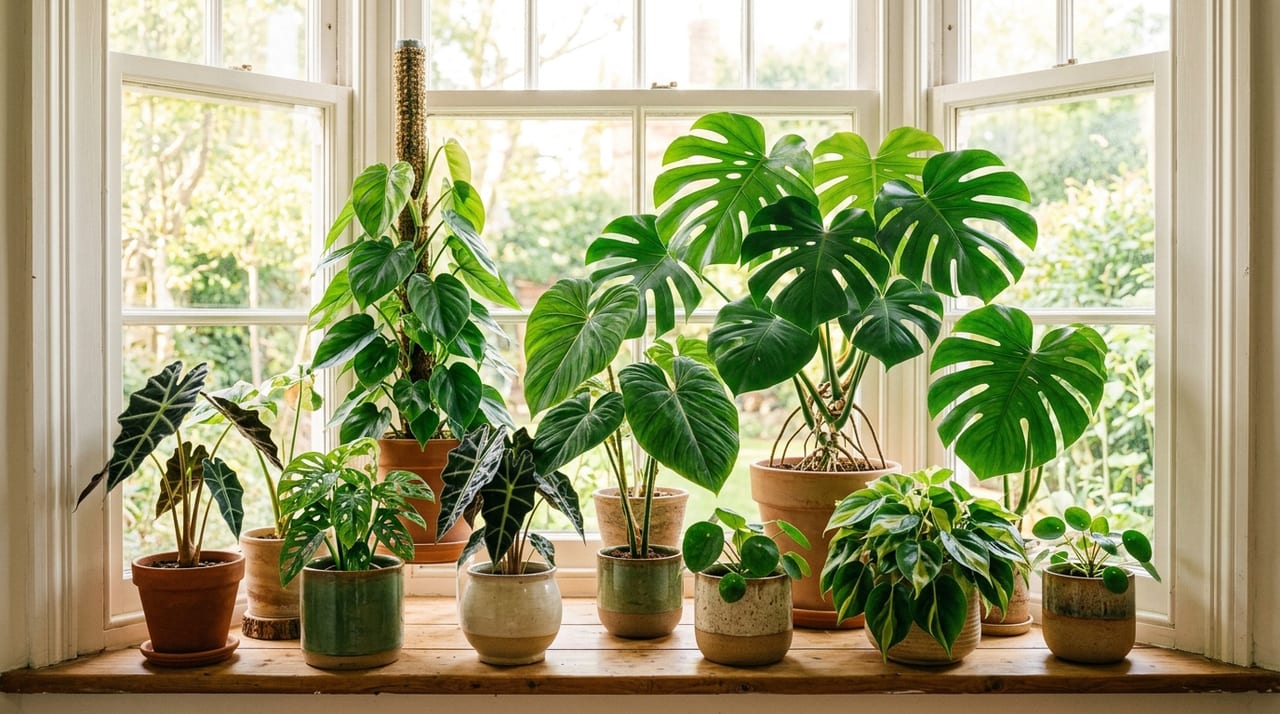
Houseplants are easy to grow indoors and popular as décor. However, watering mistakes, environmental changes, and pest or disease problems are challenges even experienced plant lovers face. The key is "early detection and early action." By correctly identifying symptoms and responding appropriately, you can restore most plants to health. This article explains the major problems that commonly affect houseplants, their causes, and solutions.
Watering Mistakes and Related Problems
Root Rot
Root rot is one of the most common problems in houseplants.
- Symptoms: Leaves turn yellow and wilt, drooping downward. The soil feels soggy to the touch, and a foul smell emanates from the pot
- Causes: Overwatering, poor-draining soil, or water pooling in the saucer for extended periods, creating oxygen deprivation
- Solution: Remove the plant from its pot and trim away blackened or slimy roots with clean scissors. Let the cut ends dry, then repot in fresh, clean potting soil. Afterward, adjust your watering frequency—as a rule of thumb, wait 2–3 days after the soil surface dries before watering again.
Water Shortage and Drying Damage
Insufficient water also causes leaf discoloration and wilting. If leaf tips or edges turn brown and dry, dehydration is likely the cause. This happens especially in areas with direct air conditioning airflow or in very fast-draining soil. Check your plant's location and soil condition regularly.
Light and Temperature Problems
Sunburn
- Symptoms: Leaves turn white or yellowish in patches, or become brown and crispy
- Causes: Sudden exposure to intense direct sunlight. This often happens when plants accustomed to shade are suddenly moved outdoors or to a south-facing windowsill
- Solution: Move the plant to a spot with bright indirect light filtered through a curtain. Scorched leaves won't recover, but new leaves will grow. Don't rush—focus on adjusting the environment. Gradually acclimate the plant to stronger light over time.
Cold Damage, Frost, and Chilling Injury
Houseplants from tropical and subtropical regions (such as Monstera, Ficus, and Calathea) are often frost-sensitive. Temperatures below 5–10°C can cause leaves to blacken or drop. In winter, keep plants away from windowsills and monitor minimum temperatures carefully.
Common Pests and How to Handle Them
Spider Mites
- Symptoms: Tiny white spots (feeding damage) appear all over leaf surfaces. Look closely and you'll see reddish-brown microscopic mites clustered on the undersides. Severe infestations make entire leaves appear bleached
- Causes: Dry environments, indoor heating in winter, and poor air circulation create ideal conditions
- Solution: First rinse the tops and undersides of the leaves vigorously with a shower. Then spray a miticide registered for spider mites. Frequent misting helps prevent recurrence. Spider mites develop resistance easily, so rotate between different types.
Scale Insects
- Symptoms: White cottony or brownish bumpy clusters appear on stems, leaf joints, and the undersides of leaves. If left untreated, they may lead to sooty mold, turning foliage black
- Causes: Poor air circulation, overcrowding, and sometimes presence at the time of purchase
- Solution: For light infestations, scrape off with a toothbrush or wooden pick and wipe with an alcohol-soaked cotton swab. For heavy infestations, apply an insecticide spray. Regular air circulation and removing overcrowded leaves prevents future problems.
Fungus Gnats (Fruit Flies)
Fungus gnats lay eggs in houseplant soil and are especially common in potting mixes rich in organic matter. Larvae may feed on roots. Keep the soil surface relatively dry and use insecticide-treated soil or stick-type insecticides.
Disease Problems (Fungal and Viral)
Anthracnose
- Symptoms: Circular brown to black spots appear on leaves, expanding over time until leaves drop off. The spots may have yellow edges
- Causes: Fungal infection (anthracnose fungus). Most common in warm, humid conditions and during rainy seasons; often enters through damaged areas
- Solution: Remove infected leaves immediately and discard them (don't compost). Apply fungicide to the cut ends and spray the entire plant with a fungicide (such as Daconil). Improve air circulation afterward and avoid leaving foliage wet.
Powdery Mildew
White powder on leaf surfaces is the hallmark of powdery mildew. It thrives when dry and humid periods alternate. At early stages, spray with baking soda solution (1 gram per liter of water).
Daily Care: Prevention and Early Detection Tips
Most problems can be prevented and caught early through regular checks and basic management.
- Follow proper watering principles: The basic rule is to wait 1–2 days after the soil surface dries before watering. Adjust frequency by season
- Empty saucers frequently: Always remove standing water within 30 minutes to an hour to prevent root rot
- Inspect leaves regularly: The undersides are especially prone to pest infestations. Make weekly checks a habit
- Ensure good air circulation: Sealed indoor spaces become humid and encourage disease and pest spread. Open windows or use a fan
- Quarantine new plants: Keep newly purchased plants separate from others for a while to prevent bringing in pests or diseases
Summary
Houseplant problems range from root rot and sunburn to spider mites, scale insects, and anthracnose, but most are recoverable with early detection and proper care. Daily observation habits and mastering the basics of placement, watering, and air circulation are your best tools for keeping plants healthy long-term.
Starting with healthy plants is crucial for preventing trouble. At botachoku.com, you can purchase houseplants directly from specialists who carefully grow and maintain them. You can ask growers questions before purchase and receive ongoing advice afterward, making it easy for beginners to start their green life with confidence.