How to Grow Dendrobium nobile Orchids | Flower Bud Initiation Through Cold Treatment
Detailed guide to Dendrobium nobile characteristics, year-round care schedule, flower bud initiation through cold treatment, and management of unwanted shoots.
Key Takeaways
Detailed guide to Dendrobium nobile characteristics, year-round care schedule, flower bud initiation through cold treatment, and management of unwanted shoots.
Related Species
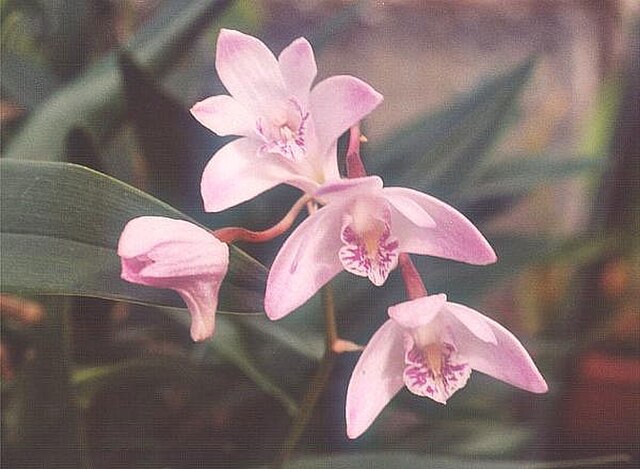
Dendrobium nobile is one of the most beloved orchids in Japan. Its vibrant flowers bloom along each node of the pseudobulb (cane), creating a spectacular display, and selective breeding continues to produce new varieties. With proper care, you can enjoy abundant blooms year after year. However, achieving flowering requires cold treatment during autumn and winter. This guide covers the essential management techniques to master this critical step.
Characteristics of Dendrobium nobile
Dendrobium nobile varieties are improved cultivars derived from species native to the Himalayan foothills and mountainous regions of Southeast Asia. They are well-adapted to Japan's climate and are known as cold-tolerant orchids.
The distinctive feature is the upright pseudobulb (cane), which grows 30–60 cm tall. On mature pseudobulbs, flower buds emerge from the nodes, with each node producing 2–5 flowers. Flower colors are remarkably diverse—white, pink, purple, yellow, orange—and varieties with contrasting lip colors are especially popular.
Commercial cultivars have been bred for enhanced cold tolerance, with most surviving temperatures down to around 5°C. However, they are sensitive to frost, so outdoor wintering is limited to warm regions south of the Kanto area. They are relatively easy for beginners to grow, making them an ideal entry point into orchid cultivation.
Spring to Summer: Growth Season Management
New growth begins around March. When new shoots appear from the base of the pseudobulbs, the growing season has started. Careful management during this period ensures thick, well-developed pseudobulbs, which directly translates to better autumn flowering.
The ideal location is outdoors. Once frost danger passes in late April to early May, move plants outside. A 50% shade cloth in dappled sunlight is perfect. During the rainy season, plants can tolerate rain, but move them under an eave if heavy rain persists.
Water generously during the growing season. Water thoroughly whenever the surface dries out; in midsummer, daily watering may be necessary. Since pseudobulb thickness depends on adequate moisture, avoid letting plants dry out.
Fertilize from April through September with liquid fertilizer 2–3 times monthly. You can also use solid fertilizer pellets. May through July is when pseudobulbs grow most vigorously, so fertilize generously. However, reduce and stop fertilizing by late August and completely cease by September. Prolonged fertilizing after this period risks producing unwanted shoots instead of flower buds.
Autumn Cold Treatment: The Key to Blooming
Cold exposure is essential for flower bud initiation in Dendrobium nobile—this is the critical difference from phalaenopsis orchids and the most important point for achieving blooms.
Begin cold treatment when nighttime temperatures drop below 15°C, typically late September to October. During this period, keep plants outdoors to expose them to full day-night temperature fluctuations. Maintain outdoor placement until nighttime temperatures fall below 10°C.
The cold treatment period lasts approximately one month. Exposing pseudobulbs to temperatures of 5–10°C for about a month triggers flower bud formation along the nodes. During this time, reduce watering significantly—dry the pseudobulbs until they show light wrinkles. Do not fertilize.
Before frost arrives (when nighttime temperatures reach around 5°C), bring plants indoors. Placing them in a warm, heated room promotes flower bud development. Without cold treatment or if kept warm indoors during autumn, flower buds fail to form and unwanted shoots develop instead.
Winter Management and Flowering
After bringing plants indoors, place them on a sunny windowsill. A heated room is fine, but avoid direct air conditioning drafts.
If cold treatment succeeded, small bumps appear along the pseudobulb nodes around December—these are flower buds. Initially, they resemble unwanted shoots, but flower buds are rounded while unwanted shoots are slightly pointed.
Water sparingly, keeping pseudobulbs from extreme shriveling. As flower buds swell, gradually increase watering frequency. Blooming occurs from January to March, depending on variety.
Flowers typically last 1–2 months. Place them in bright light away from direct sun and maintain a cool environment (15–20°C) to extend bloom life.
Managing Unwanted Shoots and Plant Renewal
Unwanted shoots are plantlets that develop from pseudobulb nodes instead of flower buds. This occurs when cold treatment is insufficient or fertilizer is applied too long into autumn.
Once unwanted shoots develop roots 3–5 cm long, they can be removed and grown as independent plants. However, these plantlets take 2–3 years to reach blooming size, making reliable cold treatment next season more important.
Over several years, plants accumulate old pseudobulbs and outgrow their pots. Repotting is best done 3–4 months after flowering. Old pseudobulbs lose their leaves and become bare canes, but retain stored nutrients, so don't remove them until they become completely shriveled and dry.
Once you have six or more pseudobulbs, division is possible. Keep at least three pseudobulbs per division. After division, reduce fertilizer and resume feeding once new roots emerge.
Recommended Varieties for Beginners
- Spring Dream: White with pink gradient. Hardy, reliable bloomer, and a classic choice
- Yukijirushi (Snow Mark): Pure white large flowers. Pristine beauty, ideal for gifts
- Yellow Song: Vibrant yellow flowers. Brightens any room with its cheerful hue
- Second Love: Popular pink variety. Long-lasting blooms, perfect for beginners
Frequently Asked Questions (FAQ)
Q: What temperature is ideal for cold treatment? Expose pseudobulbs to 5–10°C for about one month. Frost exposure is unnecessary. In regions south of Kanto, simply keeping plants outdoors until frost arrives provides adequate cold treatment.
Q: What if unwanted shoots develop? Once roots reach 3–5 cm, remove and grow as independent plants. However, these take 2–3 years to flower. Next season, ensure reliable cold treatment to produce flower buds instead.
Q: The leaves fell from the pseudobulbs Natural leaf drop from pseudobulbs after flowering is normal. These bare pseudobulbs still store nutrients, so don't remove them until completely shriveled.
Choosing a Variety
Here are some Dendrobium nobile varieties recommended for beginners:
- Spring Dream: White with pink gradient. Hardy with excellent flowering
- Yukijirushi (Snow Mark): Pure white large flowers. Refined beauty, perfect for gifts
- Yellow Song: Vibrant yellow flowers. Brings brightness and elegance
When selecting varieties, confirm their cold tolerance. Varieties closer to the wild species tend to be more cold-hardy.
Q&A
Q: What temperature do I need for cold treatment? Aim for 5–10°C for approximately one month. In regions south of Kanto, outdoor placement until the first frost is sufficient.
Q: What should I do if unwanted shoots appear? Once roots reach 3–5 cm, remove and grow as independent plants. However, reaching blooming size takes 2–3 years, so reliable cold treatment next season is crucial.
Find Dendrobium nobile Orchids on GrowerDirect
On GrowerDirect, you can purchase Dendrobium nobile orchids with well-developed pseudobulbs directly from specialist growers. A key advantage is the ability to ask growers directly about variety-specific cold treatment requirements and care tips. Among the diverse range of Dendrobium nobile flower colors and forms, find your perfect specimen.