Rose Monthly Care Calendar | Complete Work Schedule from January to December
A month-by-month guide to year-round rose care for healthy growth. From winter pruning through spring fertilization, summer pest and disease management, to fall reblooming care — a complete annual schedule detailing specific tasks for each month.
Key Takeaways
A month-by-month guide to year-round rose care for healthy growth. From winter pruning through spring fertilization, summer pest and disease management, to fall reblooming care — a complete annual schedule detailing specific tasks for each month.
Related Species
Roses Require "Year-Round Care Rhythm"
Once planted in a garden, roses can be enjoyed for decades; however, planned management throughout the year is key to maintaining health and achieving beautiful blooms. Neglecting seasonal tasks leads to pest and disease damage, weakened vigor, and poor flowering.
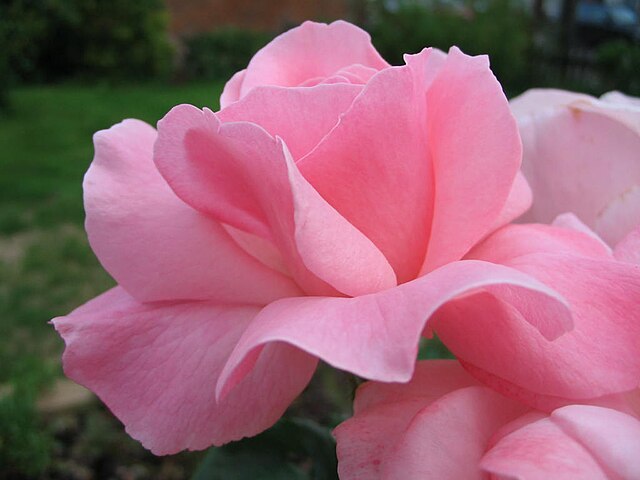
This calendar is based on Kanto climate standards (minimum temperatures and snowfall). In Tohoku and Hokkaido, shift the timeline 1–2 weeks later; in Kyushu and Okinawa, 1–2 weeks earlier. Roses are remarkably diverse, with over 30,000 varieties reported, and pruning times vary significantly depending on whether a variety blooms once or repeatedly throughout the season. If you're selecting plants for the first time, starting with hardy repeat-blooming varieties like Queen Elizabeth, which are disease-resistant, makes it easier to grasp the rhythm of year-round care. For details on variety selection, see 10 Beginner-Friendly Rose Varieties | Disease-Resistant, Easy-to-Grow Cultivars.
January–February | Winter Care and Major Pruning
Main Tasks: Major pruning, winter fertilization, disinfection at the base, and measures against overwintering pests and diseases
The critical peak of rose care is winter pruning. Late January to early February is the ideal window, and completing it before temperatures rise too much is important.
Pruning Basics
- One-time bloomers (Alba, Gallica, etc.): Do not prune in winter; prune lightly in early summer after flowering
- Repeat bloomers and remontant types: Cut back to 1/3 to 1/2 of the overall size
- Cut 5mm above outward-facing buds at an angle. Remove inward-facing buds to avoid poor air circulation
- Remove all dead wood, diseased branches, and stems thinner than a pencil at the base.
After pruning, clear away fallen leaves and pruned branches to reduce the places where pathogens and pests can overwinter. Lime-sulfur has traditionally been used for winter disinfection, but roses (flowering plants) are not among the crops in its current registration, so choose a dormant-season product by checking the label to confirm it is registered for roses. When spraying any product, always wear rubber gloves and safety goggles.
Applying Winter Fertilizer
Dig several holes 20cm deep at positions 30–40cm away from the base of the plant, and bury organic basal fertilizer mixed with bone meal, oil cake, and compost. It breaks down slowly in winter's cold and is absorbed by the roots at the ideal time during spring's bud break.
March–April | Bud Break and Growth Initiation
As March arrives, buds begin to swell and new growth emerges with deep crimson or reddish tones. At this stage, perform final cleanup of remaining thin branches and dead wood, and shape the plant.
Fertilizer Switch
Once buds have grown 1–2cm, apply slow-release balanced fertilizer or organic fertilizer. Choosing a product with equal ratios of nitrogen, phosphorus, and potassium—or slightly higher phosphorus for better blooming—ensures abundant flowering in May.
Initial Pest and Disease Response
In April, as temperatures rise, aphids proliferate in large numbers, concentrating on shoot tips and flower buds. Observe plants daily and catch infestations early. If numbers are small, hand-removal or water spray is sufficient; for heavy infestations, spray an insecticide registered for aphids, such as a clothianidin-based product. Powdery mildew symptoms also begin to appear at this time, so preemptive spraying with a fungicide (such as Saprol emulsion) every 1–2 weeks, within the label's limit on the number of applications, provides reassurance.
May | First Bloom and Peak Season Care
May brings roses' first bloom and the year's most beautiful season. During flowering, withhold fertilizer and focus on enjoying the blooms.
The Importance of Deadheading
Remove spent flowers promptly by cutting above the 5-leaflet leaf. Leaving old flowers creates a breeding ground for pathogens and delays the formation of next buds. In repeat bloomers, the timing and position of deadheading directly affect the next bloom cycle.
Gratitude Feeding
Once the first bloom finishes, apply a "gratitude" feeding of liquid fertilizer (diluted 1000–2000 times) about once weekly to replenish the plant's depleted energy.
June–August | Rainy Season and High-Temperature Pest and Disease Management
This is the harshest season for roses. The combination of rainy-season humidity and summer heat creates ideal conditions for pests and diseases to thrive.
Black Spot Management
A fungal disease spread by rain contacting leaves. Lower foliage yellows and drops; if left unchecked, the entire plant becomes defoliated. Begin spraying with fungicides (such as mancozeb or triforine products, choosing ones registered for rose black spot) every 1–2 weeks starting before the rainy season, and reapply the day after rain. Do not leave infected leaves on the ground; dispose of them in a trash bag. For detailed pest and disease management, see Rose Pest and Disease Guide | Black Spot, Powdery Mildew, and Aphid Management.
Summer Pruning (Late August–Early September)
Repeat bloomers should be cut back by 1/4 to 1/3 of their overall size in late August to early September to promote fall flowering. Fall's first bloom appears approximately 45–60 days after pruning, so by working backward from your desired peak viewing time (early to mid-October), you can time the pruning accordingly.
Watering Principles
Water thoroughly at the base early in the morning. Wetting foliage induces black spot, and watering in the evening or later promotes root rot. Potted roses may require watering twice daily (morning and evening).
September–October | Fall Rose Bloom Management
Six to eight weeks after summer pruning, fall's second bloom appears. Fall roses often display deeper colors and stronger fragrance than spring blooms, making them especially prized by enthusiasts.
As temperatures moderate during this period, continue feeding with a combination of liquid fertilizer (weekly) and organic supplemental fertilizer. Deadhead as in spring, aiming to encourage repeated blooming through November.
November–December | Overwintering Preparation and Tool Maintenance
Once blooming finishes and foliage begins to drop, prepare for winter dormancy. Gather and remove all remaining spent flowers, fallen leaves, and dead foliage. Fallen leaves harbor overwintering black spot and powdery mildew spores, so leaving them at the plant base is strictly forbidden.
Cold Protection
- Kanto and south: A 5–10cm layer of leaf mold or bark chips around the base is sufficient
- Tohoku and Hokkaido: Wrap the entire trunk in straw and cover with non-woven fabric. Move container-grown plants to an eave or indoors.
In December, also maintain your tools for the coming season. Sharpen pruning shears on a whetstone and sterilize the blades with alcohol or sodium hypochlorite solution. Applying a thin coat of rust-preventive oil slows degradation during storage.
Year-Round Fundamental Principles
- Weekly observation habit: Early detection of aphids, spider mites, and black spot is the strongest defense
- Tool disinfection before and after use: A quick wipe with alcohol spray prevents disease transmission between plants
- Avoid wetting foliage: Black spot and similar diseases spread easily when leaves are wet
- Avoid over-fertilizing: Excess nitrogen attracts aphids and promotes weak new growth
- Keep an annual care log: Recording pruning dates, fertilizing dates, and pest and disease occurrences improves decision-making accuracy for the following year
Roses reward the effort you invest. Consistently performing monthly tasks is the quickest path to abundant blooms.