10 Recommended Rose Varieties for Beginners | Hardy, Easy-to-Grow Varieties Resistant to Disease
For beginners looking to start growing roses. A carefully selected collection of hardy varieties resistant to blackspot and powdery mildew. Introducing recommended varieties including Iceberg, Knock Out, and Pierre de Ronsard.
Key Takeaways
For beginners looking to start growing roses. A carefully selected collection of hardy varieties resistant to blackspot and powdery mildew. Introducing recommended varieties including Iceberg, Knock Out, and Pierre de Ronsard.
Related Species
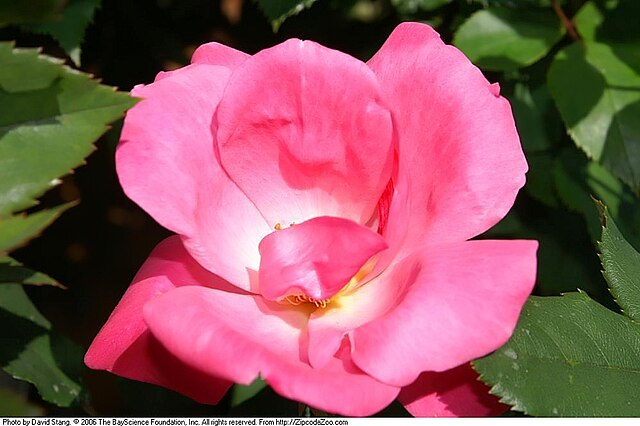
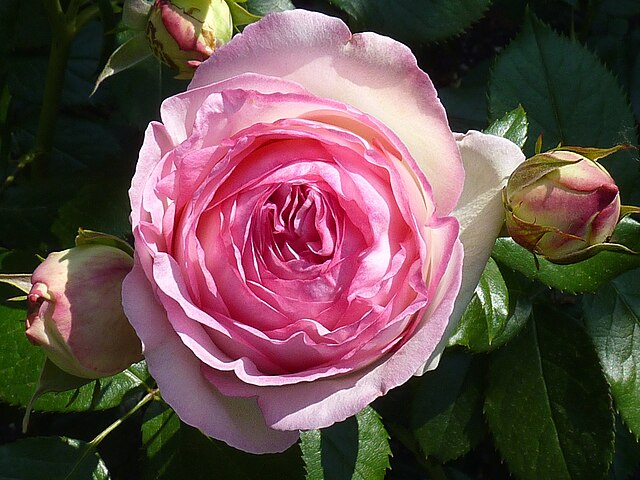
Rose Growing Success Starts with Variety Selection | Essential Knowledge for Beginners
"Roses are difficult"—many people hesitate to take on the challenge with this thought. It's true that if you select delicate varieties, you may find yourself fighting blackspot and powdery mildew, spraying pesticides every week. However, if you choose your varieties correctly, roses are a flower that even beginners can fully enjoy.
Over 30,000 rose varieties are said to exist worldwide. Choosing "easy-to-grow varieties" from among them is the shortest path to success. This guide introduces important selection points to keep in mind as a beginner, along with 10 highly recommended varieties.
Four Key Points for Selecting Beginner-Friendly Roses
1. Choose by Disease Resistance
The two major rose diseases are blackspot (also called black spot disease) and powdery mildew. Blackspot spreads black spots on leaves in rain and night dew; if left untreated, leaves fall and the plant weakens. Powdery mildew covers new shoots in a white powder, and growth stalls.
If you select varieties with high disease resistance, you can significantly reduce the number of pesticide applications. Since varieties that can be managed with almost no pesticides exist, this is an especially important selection criterion for busy people or those who prefer not to use pesticides. More detailed variety comparisons can be found in the Disease-Resistant Rose Variety Guide.
2. Does It Have Repeat Bloom (Four-Season Bloom)?
Once-blooming roses only flower once in spring. For beginners, varieties with repeat-blooming or remontant characteristics that flower repeatedly in spring, summer, and fall are recommended. Each bloom gives you a sense of accomplishment and helps maintain motivation for growing.
3. Vigor of Growth
Varieties with strong vigor are unlikely to die even if management is imperfect or weather is poor, and they grow vigorously. Since beginners sometimes miss pruning timing or forget to water, a certain degree of toughness is essential.
4. Matching Your Growing Style
It's also important to choose a form (upright, climbing, or shrub) that matches your growing environment—whether ground-planted or container-grown, garden size, and presence or absence of fences or arches. Compact varieties can be referred to in the Complete Rose Container Growing Guide for container growing, and climbing roses can be trained on arches or fences by referring to the Complete Climbing Rose Growing Guide, bringing out maximum beauty.
10 Recommended Rose Varieties for Beginners
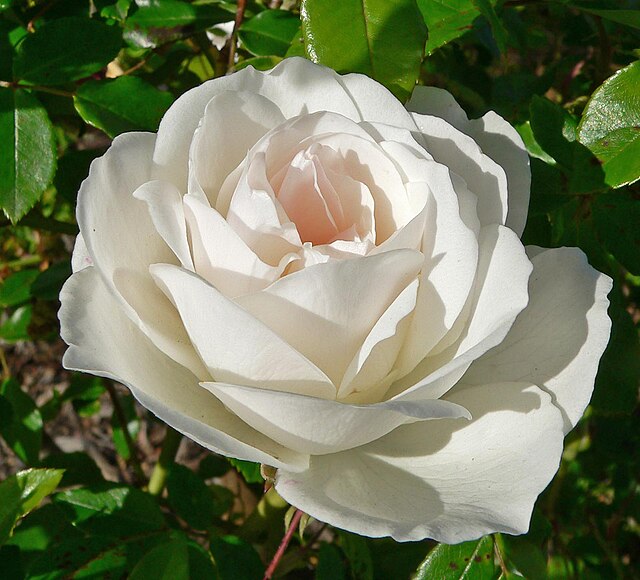
1. Iceberg
- Classification: Floribunda
- Flower Color: Pure white
- Height: Approximately 1-1.5 meters
An iconic variety introduced in nearly every beginner's guide. Pure white flowers bloom in clusters, brightening the garden. With high resistance to blackspot and powdery mildew and frequent repeat blooming, it's ideal as your first rose. Its adaptability to bloom even in partial shade is also appealing.
2. Knock Out
- Classification: Shrub
- Flower Color: Rose red to pink
Often called "the easiest rose to grow in the world," this is an ultra-disease-resistant variety. It can be grown with almost no pesticides, and you don't need to be particular about fertilizer or pruning. It has such vigorous growth that it can even be used as a hedge.
3. Leonardo da Vinci
- Classification: Floribunda (Meilland Renaissance Series)
- Flower Color: Rose pink
A popular variety that combines the beauty of classic cup-shaped blooms with modern disease resistance. Perfect for those who want to enjoy the old rose aesthetic but prefer easy maintenance. The flowers last well and are also suitable for cut flowers.
4. Pierre de Ronsard
- Classification: Climbing rose
- Flower Color: White to cream pink
A world-famous climbing rose that was inducted into the "World Rose Hall of Fame" at the World Rose Conference. With large, cup-shaped blooms, it has an elegant presence. It's suited to being trained on fences or arches; although it blooms once, the spring bloom volume is spectacular. It's relatively resistant to disease and is excellent as an introduction to climbing roses.
5. Summer Snow
- Classification: Climbing
- Flower Color: White
A Japanese-bred disease-resistant climbing rose. With vigorous growth that becomes a large plant, its small white flowers cascade like a waterfall—a stunning sight. It's suited to Japan's hot, humid climate and has extensive domestic cultivation records.
6. Otomegokoro
- Classification: Repeat-blooming shrub
- Flower Color: Coral pink
A Japanese-bred variety created by Japanese hybridizers. It's hardy even in Japan's hot, humid summers and grows compactly, making it ideal for containers. It's also suitable for those considering balcony cultivation. Its charming coral pink flower color is gaining popularity.
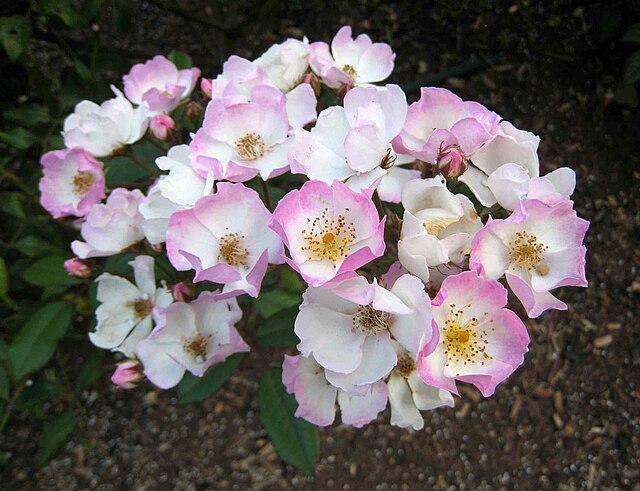
7. Ballerina
- Classification: Shrub
- Flower Color: Light pink (white eye)
A Polyantha-type shrub rose with small flowers blooming in clusters. It works well with natural garden or cottage garden styles. It has high disease resistance, and its rose hips in autumn are also ornamental.
8. The Rose
- Classification: English Rose (David Austin)
- Flower Color: Soft pink
Among English roses, it has relatively high disease resistance and is suitable for beginners. Soft cup-shaped blooms and soft pink color are elegant, and you can enjoy the fragrance. General information about English rose types and selection methods is detailed in the Complete English Rose Guide.
9. La France
- Classification: Hybrid Tea (the world's first modern rose variety)
- Flower Color: Silver pink
A historic variety born in 1867 that opened the history of modern roses. Despite being an old variety, it's relatively hardy, and its silvery pink flowers and elegant fragrance still attract many fans. Recommended for those who want to touch the history of roses.
10. Mary Rose
- Classification: English Rose (David Austin)
- Flower Color: Deep rose pink
One of David Austin's signature varieties. It's hardy, blooms repeatedly, and has a sweet fragrance. With its distinctive English rose cup-shaped blooms and versatile form, it works in both gardens and containers.
Basic Care for Rose Growing Success
Along with variety selection, understanding basic care will reduce failures. You can also check the flow of year-round tasks in the Rose Monthly Care Calendar.
- Location: Six or more hours of direct sun daily is ideal. Air circulation is important; poor ventilation promotes disease.
- Watering: Once ground-planted roses are established, let rain do the watering. For container roses, water deeply when the soil surface dries.
- Fertilizing: During the growing season (March-October), apply supplemental fertilizer 1-2 times per month. Combining slow-release fertilizer with liquid fertilizer is effective.
- Pruning: For upright roses, prune hard in winter (January-February). In summer (July), prune lightly to encourage fall blooming.
- Disease and Pest Control: Even disease-resistant varieties benefit from preventive sprays around the rainy season. Make sure to spray the undersides of leaves thoroughly.
Summary | Variety Selection and Reliable Plants Are Keys to Success
The success of rose growing depends on two points: "choosing easy-to-grow varieties" and "obtaining healthy plants." No matter how carefully you manage them, starting with disease-prone varieties or poor-quality plants will only increase your difficulties.
GrowerDirect allows you to purchase plants directly from growers and enthusiasts who specialize in roses and flowers. You can consult directly with growers about the environment they've cultivated in and care methods, allowing you to obtain reliable plants along with information you won't find in typical mail-order sales. Being able to easily ask about variety characteristics and suitability for your growing environment is a unique strength of GrowerDirect.
If you're thinking this is the year to try growing roses, start with one disease-resistant variety. The beauty of the blooms will surely become the driving force for choosing your next rose.