How to Handle Succulent Root Rot | Thorough Guide from Discovery to Recovery
Detailed explanation of the causes of succulent root rot, how to identify symptoms, emergency treatment, and steps to revive affected plants. Also covers preventive measures to avoid recurring root rot.
Key Takeaways
Detailed explanation of the causes of succulent root rot, how to identify symptoms, emergency treatment, and steps to revive affected plants. Also covers preventive measures to avoid recurring root rot.
Root rot is the most serious problem in succulent cultivation. Many times it is too late by the time it is discovered, and it could be said to be the number one cause of succulents dying among beginners. However, if detected early and proper treatment is applied, revival is entirely possible. Here we explain the causes of root rot, how to detect it, and the concrete steps to revive your plants.
Understanding the Causes of Root Rot Correctly
Root rot occurs when roots are exposed to excessive moisture. The direct cause is overwatering, but in most cases it develops from a combination of multiple factors. The main causes are as follows:
- Watering frequency that is too high: Succulents have the ability to store water in their stems and leaves, so they do not immediately experience water stress even when the soil is dry. If you water again before the soil dries out, roots remain constantly wet, and oxygen deficiency causes them to suffocate.
- Poor drainage of the soil: Using standard potting soil as-is retains too much moisture and is unsuitable for succulents. Additionally, containers without drainage holes and allowing water to accumulate in saucers are also causes of root rot.
- Environmental factors: When sunlight is insufficient and photosynthesis decreases, water consumption drops and it takes longer for the pot soil to dry. In poorly ventilated areas, transpiration is suppressed and soil drying is similarly delayed. Watering at normal frequency during cold winter months causes roots with lowered metabolism to be unable to process the moisture, leading to root rot. Pathogenic bacteria such as Fusarium and Pythium thrive in overly moist environments, infect weakened roots, and accelerate decay.
Symptoms of Root Rot and Key Points for Early Detection
Because root rot progresses underground, symptoms on the above-ground part often appear only after it is already progressing. For this reason, it is critical not to miss the initial signs.
| Stage of Progression | Symptoms |
|---|---|
| Early symptoms | Lower leaves turn yellow and become soft. The difference from normal leaf die-off (natural metabolism) is that the yellowed leaves are plump and contain moisture. Natural die-off leaves become crispy and dry. |
| Mid-stage symptoms | The entire plant loses firmness and feels soft to the touch. If the plant does not become turgid by the next day even after watering, the roots likely are no longer functioning. Darkening or brownish discoloration of the stem base is also a mid-stage sign. |
| Late-stage symptoms | The base of the stem becomes mushy and decay progresses; sometimes an odor may develop. If the plant rocks loosely when gently shaken, roots are nearly completely destroyed. |
To ensure early detection, develop a habit of observing your plants regularly. Check firmness by touching the plant during watering, pay attention to changes in pot weight when you lift it, and make daily checks a priority. If an odor comes from the pot bottom, suspect root rot.
Emergency Treatment and Revival Steps for Root-Rotted Plants
Once root rot is confirmed, proceed with the following steps as quickly as possible.
- First, remove the plant from the pot and completely remove all old soil. Gently rinse the roots with running water and check their condition. Roots that are black and mushy are rotted roots. Healthy roots are white to light brown with firm elasticity.
- Cut away rotted roots with clean scissors or a knife. Disinfect the blade beforehand with alcohol or heat. Cut decisively until you see healthy tissue. Half-measures leave infected portions that will resume decay.
- If the stem base is rotted, cut back to healthy tissue. Confirm the cut surface is free of decay.
- Let the treated plant dry in a well-ventilated, shaded location for 3 to 7 days. Do not water until the cut is completely dried and scabbed over. This drying period is the most critical point for preventing recurrence.
- After drying, pot in fresh, clean soil. Use well-draining soil and withhold water for the first week. Then gradually provide small amounts of water to encourage new root growth. Manage in bright shade and avoid direct sunlight.
Rescue through Propagation When Roots Are Nearly Completely Dead
Even if roots have completely rotted, if the stem or leaves are healthy, you can rescue the plant through propagation (stem cutting).
If the stem is alive, cut horizontally at a healthy location well away from the rotted portion. Confirm the cut surface is green and juicy. If the cut surface is brownish, cut higher. Apply fungicide to the cut and dry for 3 to 7 days.
After drying, either place the cut on dry soil or insert it lightly. Inserting too deeply can cause the cut to become overly moist and rot again, so insert shallowly enough only for stability. You may use stakes or pins to hold it in place.
New roots typically take 2 to 4 weeks to develop. During this time, only lightly mist the soil surface and do not make the entire pot soaking wet. Once new roots are visible, gradually transition to normal watering.
If the stem is also rotted, using remaining healthy leaves for leaf propagation is a last resort. Arrange cleanly removed leaves on dry soil and manage in shade. Not all leaves will produce roots, but using multiple leaves increases the success rate.
Building a Management System Focused on Prevention
Addressing pests and disease through "prevention" is far more important than "treatment." By incorporating preventive measures into daily management, you can significantly reduce the risk of problems occurring.
- Environmental prevention measures: Ensuring airflow is the most basic and effective approach. For indoor management, use a circulating fan; for outdoor management, ensure appropriate spacing between plants. Additionally, use well-draining soil and avoid overly moist conditions to prevent pathogenic bacteria from proliferating.
- Regular inspection habits: Develop a habit of observing the entire plant when watering. Check undersides of leaves, the plant base, and gaps in new growth—areas where pests readily hide. Early detection of abnormalities allows you to minimize damage.
- Quarantine management of new plants: This is an often-overlooked but extremely important preventive measure. When you acquire new plants, manage them separately from your existing collection for 2 to 4 weeks to prevent introducing pests or disease. If no abnormalities appear during this period, you can safely integrate them.
- Preventive use of chemicals: It is also effective to apply preventive insecticide and fungicide spray approximately once per month during the growing season. However, prioritize environmental improvement over relying on chemicals—this is the best long-term strategy.
Preventive Measures to Avoid Recurring Root Rot
Once a plant has experienced root rot, its resistance is reduced, so reviewing the growing environment is essential to prevent recurrence.
- Soil: Change to a succulent-specific blend. Base it primarily on red loam, kanuma soil, and pumice, and minimize water-retentive peat moss and leaf mold. If you lack confidence in drainage, increase the proportion of pumice.
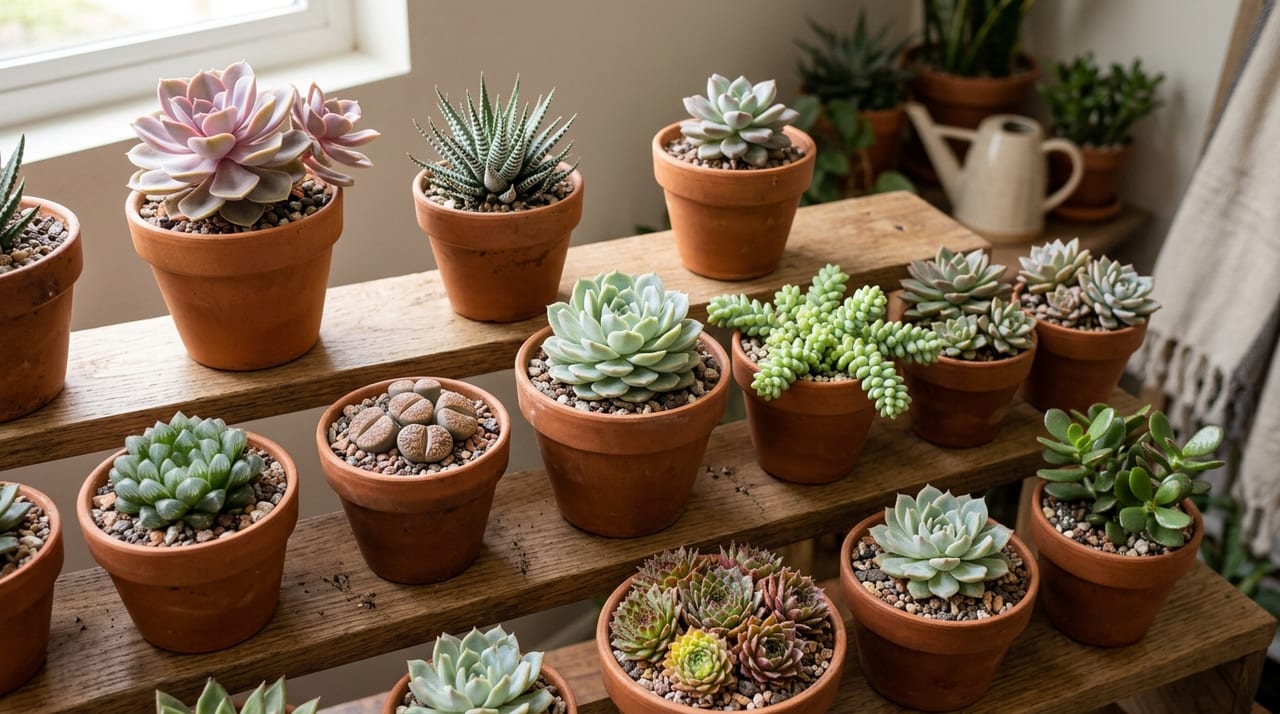
- Pot: Choose breathable containers such as terracotta or slit pots. Confirm adequate drainage holes and place pot shards at the bottom to improve drainage. Always empty water from the saucer.
- Watering: Strictly follow the rule of "wait 2 to 3 days after the soil is completely dry." Inserting a bamboo skewer into the pot allows you to check soil dryness by the moisture on it when withdrawn. When in doubt, the safe choice is to withhold water.
A healthy start begins with obtaining a healthy plant. GrowerDirect sells plants from specialist growers managed in proper soil and conditions. By asking about the grower's management environment at purchase and using that as a reference for home care, you can greatly reduce root rot risk.