Succulent Plant Wreaths and Craft Making Guide | Home Décor
A guide to selecting wreath frames, securing with sphagnum moss, choosing succulents, care methods, and gift ideas.
Key Takeaways
A guide to selecting wreath frames, securing with sphagnum moss, choosing succulents, care methods, and gift ideas.
Related Species
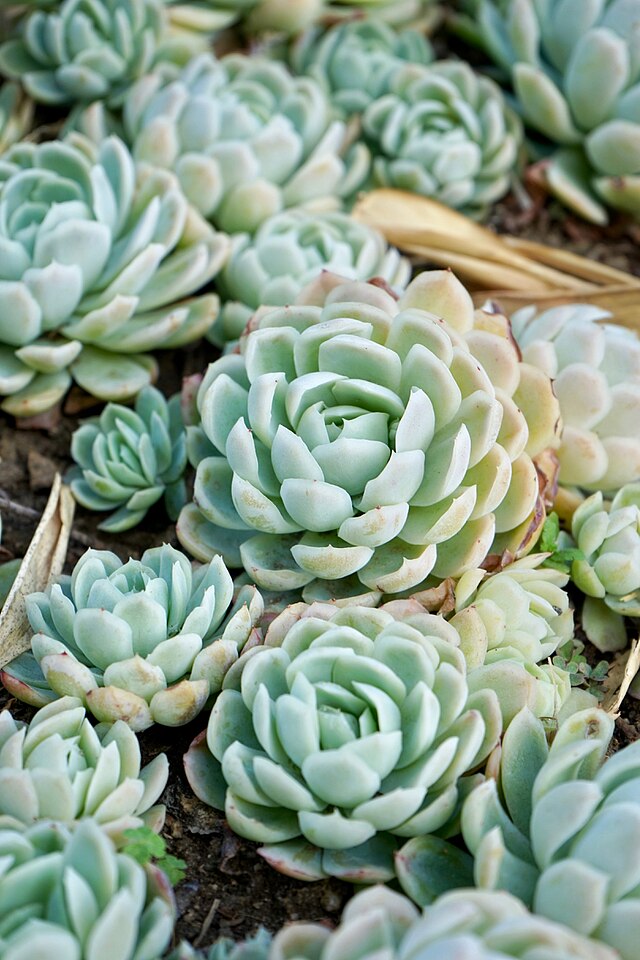
Succulent plant wreaths have recently become hugely popular as living décor items. The sight of plump succulents densely arranged on a circular frame has a vibrant, lifelike beauty quite unlike the familiar dried flower wreath. This article explains how to make succulent wreaths from the basics, as well as introducing a wide range of craft ideas and gift applications.
The Charm of Succulent Wreaths
Succulent wreaths have gained popularity for their unique appeal.
- Living Art: Because they are living plants, their colors change with the seasons, and their appearance transforms as they grow. You can enjoy leaves turning red and pink during autumn foliage, and watch new growth emerge in spring
- Long-lasting: With proper care, you can enjoy them for years at a time. Unlike dried flowers that fade over time, succulents gain character and depth as time passes
- The warmth of handmade: The process itself of selecting varieties and deciding on placement is an enjoyable craft experience. The sense of accomplishment when it is finished is extraordinary
- Perfect for gifts: They are welcome as housewarming or birthday gifts. Unlike cut flowers that wither in days, this is a lasting gift
Materials and Tools Needed
- Wreath frame: A wire frame (20–30 cm diameter is easiest to work with). Grooved frames specifically designed for succulents are available commercially
- Sphagnum moss: It serves to secure roots and retain moisture. Use dried sphagnum moss, rehydrated with water
- Cut succulent cuttings: Cut with 3–4 cm of stem remaining. Drying them for 2–3 days beforehand and allowing the cut ends to callus over prevents root rot
- Garden wire: Used to secure the sphagnum moss to the frame. Green florist wire is less noticeable
- U-pins: Pins for securing succulents into the sphagnum moss. Hair clips can also be used as a substitute
- Tweezers and watering can: A curved-tip tweezers and a fine-tipped watering can are convenient to have
Step-by-Step Making Guide
Step 1: Preparing the Sphagnum Moss
Place dried sphagnum moss in a bucket and water it for about 30 minutes to rehydrate. Gently squeeze out excess moisture and fluff it up. A slightly damp texture is best—not soggy.
Step 2: Wrapping the Frame with Sphagnum Moss
Wrap the sphagnum moss uniformly around the entire wreath frame to a thickness of 3–4 cm, and secure it firmly in a spiral pattern with thin wire. Wrap tightly enough that there are no gaps.
Step 3: Deciding on Placement and Securing
Temporarily place the succulents on the moss to check the overall balance. First arrange larger plants in a balanced way, then fill in with medium-sized plants, and finally fill gaps with sedums. Once placement is decided, secure each plant with U-pins. Insert the U-pin at the base of the stem and push it firmly into the moss.
Step 4: Finishing and Conditioning
Once all plants are secured, review the whole arrangement and fill any remaining gaps with small sedums. After completion, place it horizontally and condition it for 2–3 weeks. During this time, roots will establish in the moss, and the wreath will be secure enough to hang on a wall.
Succulent Varieties Suitable for Wreaths
- Echeveria (rosette form): The star of the wreath. Small to medium varieties like Minima, Runyon, and Momotaro fit well and create good balance
- Sedum (gap filler): Niji-no-tama, Aurora, and other similar varieties. Indispensable as a filler
- Graptopetalum: Oborozuki and Bronze Princess are hardy with quick root development, ideal for first-time wreath makers
- Crassula: Beniotogiri and Prince of Stars make striking accents with their distinctive forms
Be mindful of color variety—incorporate green, pink, and purple tones in a balanced way for a vibrant finish. Rather than using just one variety, mixing plants with different textures creates movement and a three-dimensional appearance. Including varieties that turn color in autumn adds the pleasure of watching the whole wreath change through the seasons.
Care After Completion
- Location: Bright partial shade is ideal. Indoors, a bright windowsill is best; outdoors, under the eaves works well
- Watering: Water thoroughly with a fine-tipped watering can once the moss dries completely. Roughly once a week in spring and autumn, and once every two weeks in summer and winter
- Fertilizer: Apply diluted liquid fertilizer about once a month in spring and autumn. Over-fertilizing causes leggy growth
- Replacing damaged plants: Remove and replace any plants that die or become leggy. This too is part of the enjoyment of maintaining your wreath
- Timing for wall hanging: Wait 2–3 weeks after completion for roots to establish firmly before hanging on a wall
Other Succulent Craft Ideas Beyond Wreaths
- Photo Frame Garden: A frame with wire mesh and sphagnum moss planted with succulents—a "living painting"
- Driftwood Arrangement: Natural-looking arrangement made by stuffing moss into driftwood crevices and planting succulents. Popular for café displays
- Terrarium: A miniature garden of small succulents in a glass container. The appeal lies in its ease and ability to display on a desk
- Tableau (wall-hanging arrangement): Made by stretching wire mesh over a wooden frame. A rectangular version of the wreath, it lets you enjoy design across a larger surface
- Bouquets and Corsages: Succulents wired for wedding bouquets. A sustainable wedding item gaining attention because guests can take them home and plant them to keep growing
Succulent Crafts as Gifts
Handmade succulent wreaths and craft creations make especially delightful gifts. A wreath for a housewarming gift to brighten an entryway, a color-coordinated arrangement for a birthday, or a succulent frame arrangement in place of flowers for Mother's Day are all fresh ideas. Because succulents require minimal maintenance, you can confidently give them to anyone, even those uncomfortable with plant care.
Find the Perfect Succulents for Wreath Making on GrowerDirect
Making succulent wreaths and crafts is a wonderful hobby that combines the pleasures of gardening and handicraft at the same time. Start with a small wreath, and as you gain experience, try larger wreaths or frame arrangements. On GrowerDirect, you can purchase cut cuttings and a wide variety of species suited for wreaths directly from specialist growers, and you can easily consult about combinations of varieties.