Bonsai Encyclopedia
Encyclopedia of popular bonsai species with care guides, traits, and styling tips.
Featured Bonsai
Showing 10 of 137 species
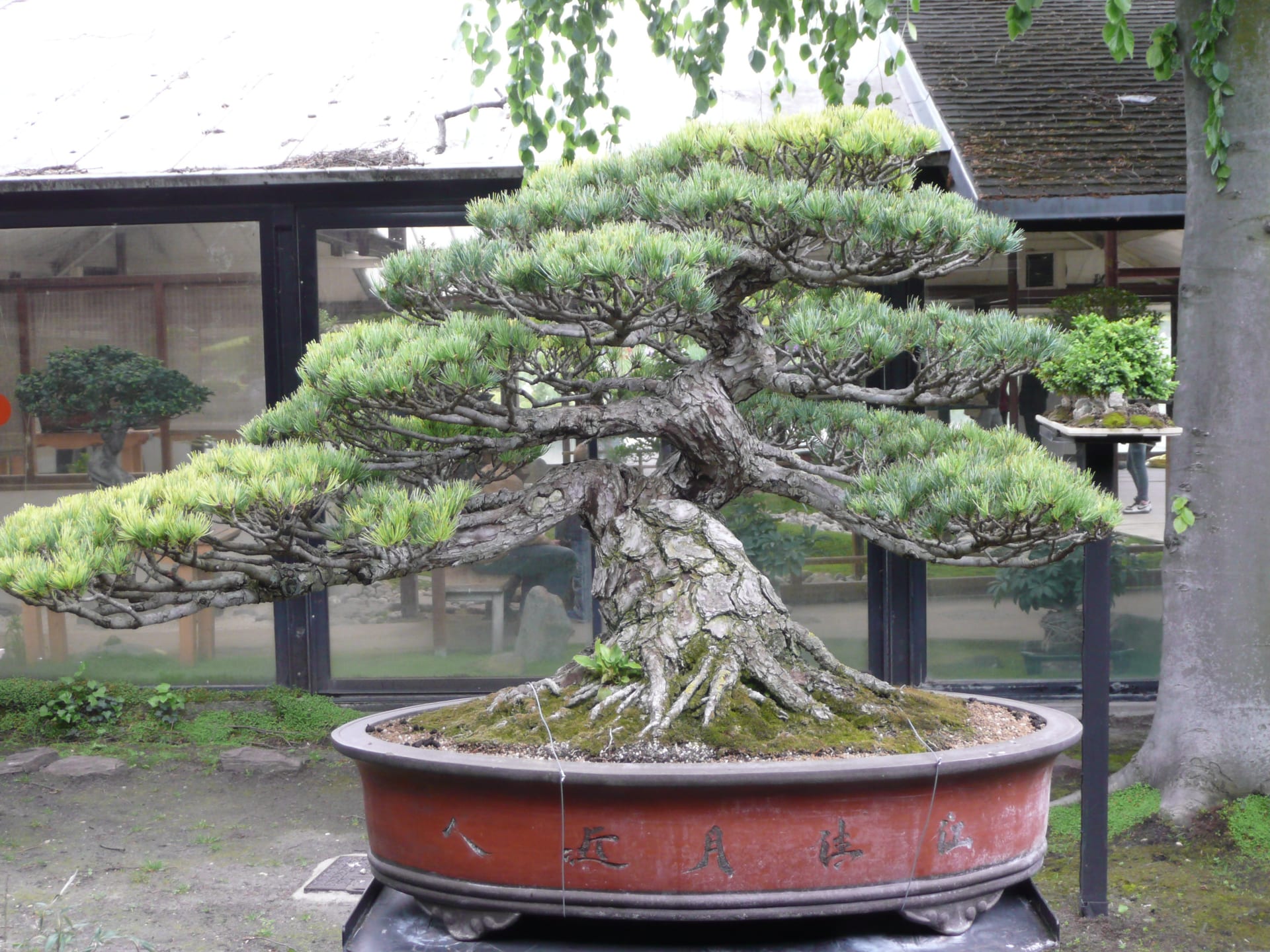 © Liné1 / CC BY-SA 3.0
Azuma goyo (northern Japanese white pine)
Pinus parviflora var. pentaphylla
A trade name for white pine from around Mt. Azuma, Fukushima—one of Japan's three great goyomatsu. It belongs to the northern variety (var. pentaphylla), with somewhat longer needles and conspicuous white lines beneath. A regional strain, not a registered cultivar.
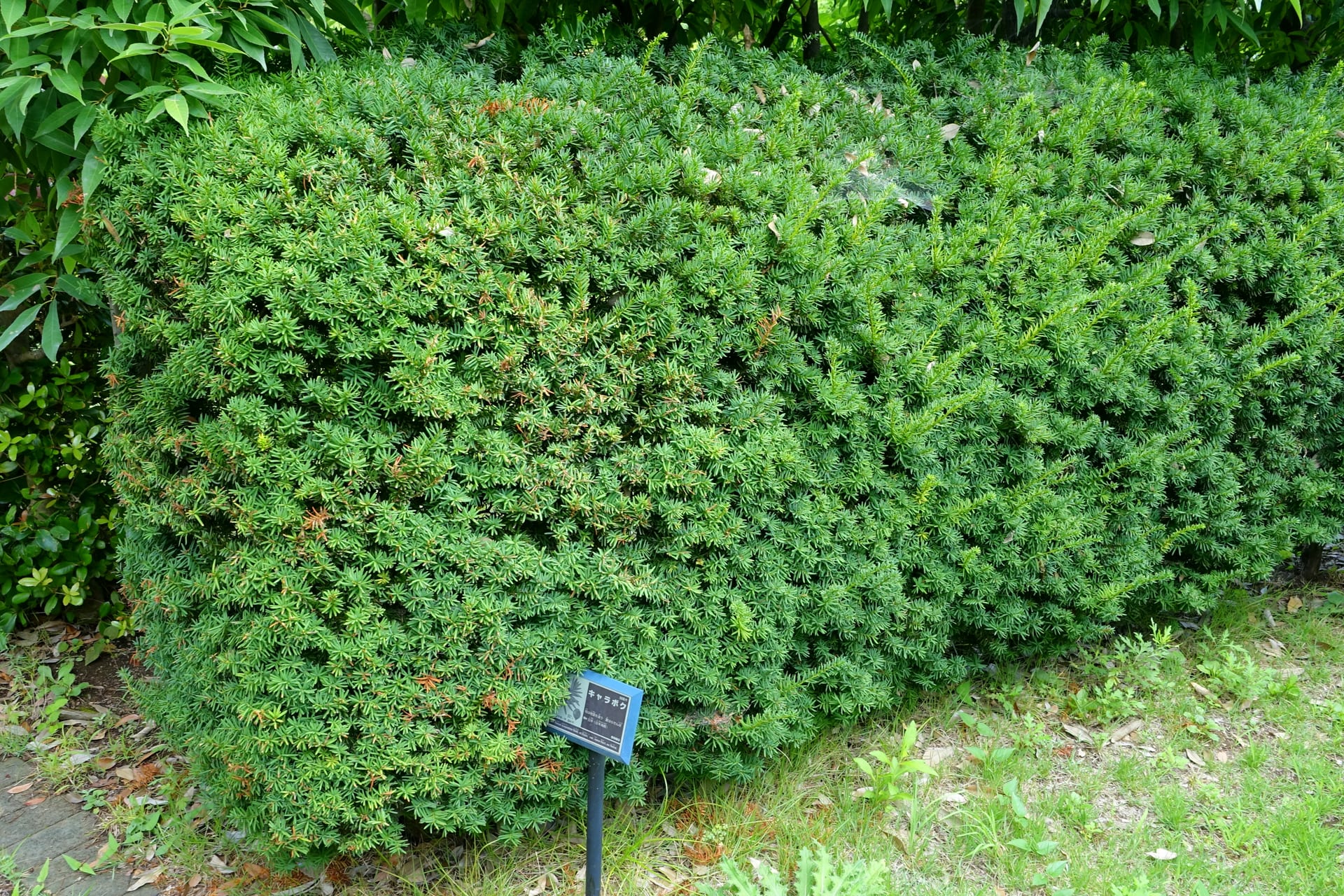 © Daderot / CC0
Dwarf Japanese yew
Taxus cuspidata var. nana
A variety of Japanese yew from snowy mountains on the Sea of Japan side. Instead of a single upright trunk it branches from the base and spreads. Its broader leaves arranged spirally tell it from typical yew. Tough and fairly heat-tolerant.
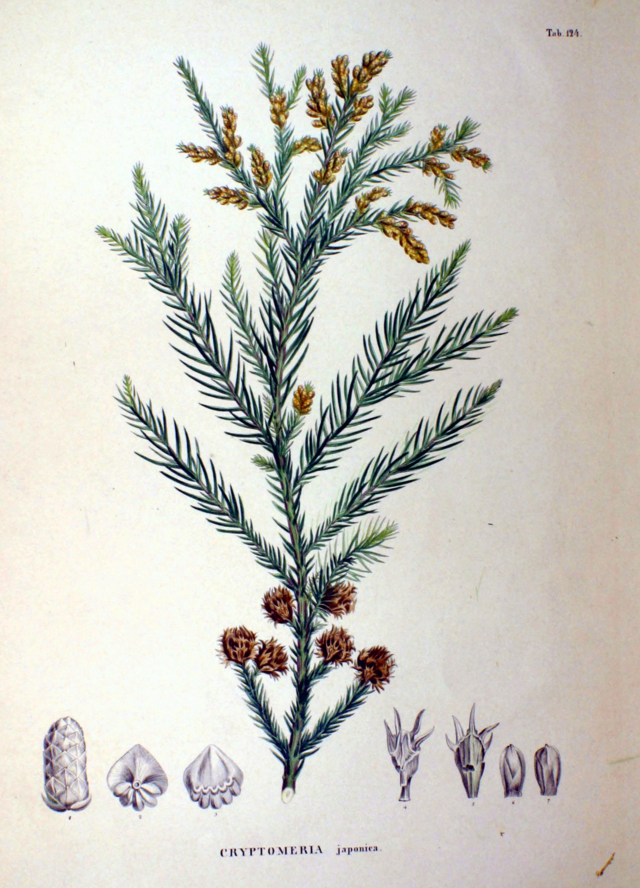 © Philipp Franz von Siebold and Joseph Gerhard Zuccarini / Public domain
Japanese Cedar
Cryptomeria japonica
Endemic Japanese evergreen conifer. Known for straight trunk and dense needle leaves. Looks great as formal upright or twin trunk. Some varieties turn bronze in winter.
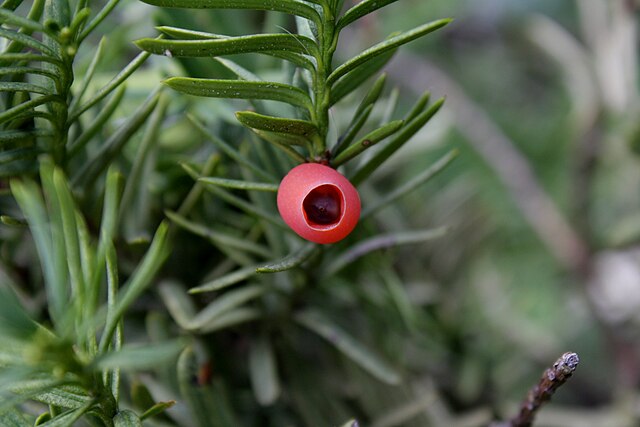 © Dalgial / CC BY-SA 3.0
Japanese Yew
Taxus cuspidata
Named after the highest court rank in Japan. Beautiful red berries and dark green needles. Hardy in cold climates with slow growth, ideal for long-term bonsai.
Kishu shimpaku juniper
Juniperus chinensis 'Kishu'
Shimpaku juniper sold under the Kishu (Wakayama/southern Mie) regional name. Its foliage is said to be slightly coarser and darker green than Itoigawa. A regional strain rather than a registered cultivar, now mostly propagated from cuttings.
Kokonoe Japanese white pine
Pinus parviflora 'Kokonoe'
A yatsubusa white pine cultivar ranked alongside Zuisho. Its spring candles barely extend, so the tree keeps its shape for years with little pinching or pruning. Short needles and fine buds make it ideal for shohin bonsai.
Mikawa Japanese black pine
Pinus thunbergii
A trade name for Japanese black pine produced in the Mikawa region around Okazaki, Aichi. Known in bonsai alongside Shikoku and Genkai black pine as a regional type said to have short needles, vigour and good bark. A regional strain, not a registered cultivar.
Nasu Japanese white pine
Pinus parviflora
A trade name for Japanese white pine from the Nasu area of Tochigi, counted with Azuma and Shikoku among Japan's three great goyomatsu. It is a regional strain, not a registered cultivar, and is common as mini and shohin bonsai.
Senjumaru Japanese black pine
Pinus thunbergii 'Senjumaru'
A yatsubusa black pine that arose as a sport of the black pine 'Kotobuki'. It buds prolifically, making branch development easy, and has short, thick, deep-green needles. Quick to form a tree, it suits shohin bonsai and is popular abroad.
Tsuyama hinoki cypress
Chamaecyparis obtusa 'Tsuyama'
A yatsubusa hinoki found in Tsuyama, Okayama, in 1955. Dense, deep-green scale foliage with rounded tips spreading in fans recalls shimpaku juniper. Tough and tolerant of pruning, it is the standard hinoki for shohin bonsai.
Related Content
Bonsai FAQ
- How much do bonsai cost?
- Mini bonsai cost 1,000-5,000 yen, medium bonsai 5,000-50,000 yen, and masterpiece-class large bonsai hundreds of thousands to millions of yen depending on age, size, and form.
- Can beginners start bonsai?
- Starting with small Japanese maple, Shimpaku juniper, or Japanese white pine is recommended. With basic watering and 1-2 annual prunings, beginners can fully enjoy bonsai.
- How long do bonsai live?
- With proper care, bonsai can live for hundreds of years. Japan has many bonsai several centuries old, valued as art pieces passed down across generations.
- What should I check when buying bonsai?
- Look at root spread, trunk movement, and branch balance. Beginners may enjoy starting with affordable raw material trees and shaping them, rather than finished specimens.
- What's most important for bonsai care?
- Daily watering is the most important task. Water thoroughly when the soil surface dries, twice daily in summer (morning and evening). Keep outdoors in a spot with good airflow and sunlight.