Bonsai Encyclopedia
Encyclopedia of popular bonsai species with care guides, traits, and styling tips.
Featured Bonsai
Showing 27 of 137 species(1–24)
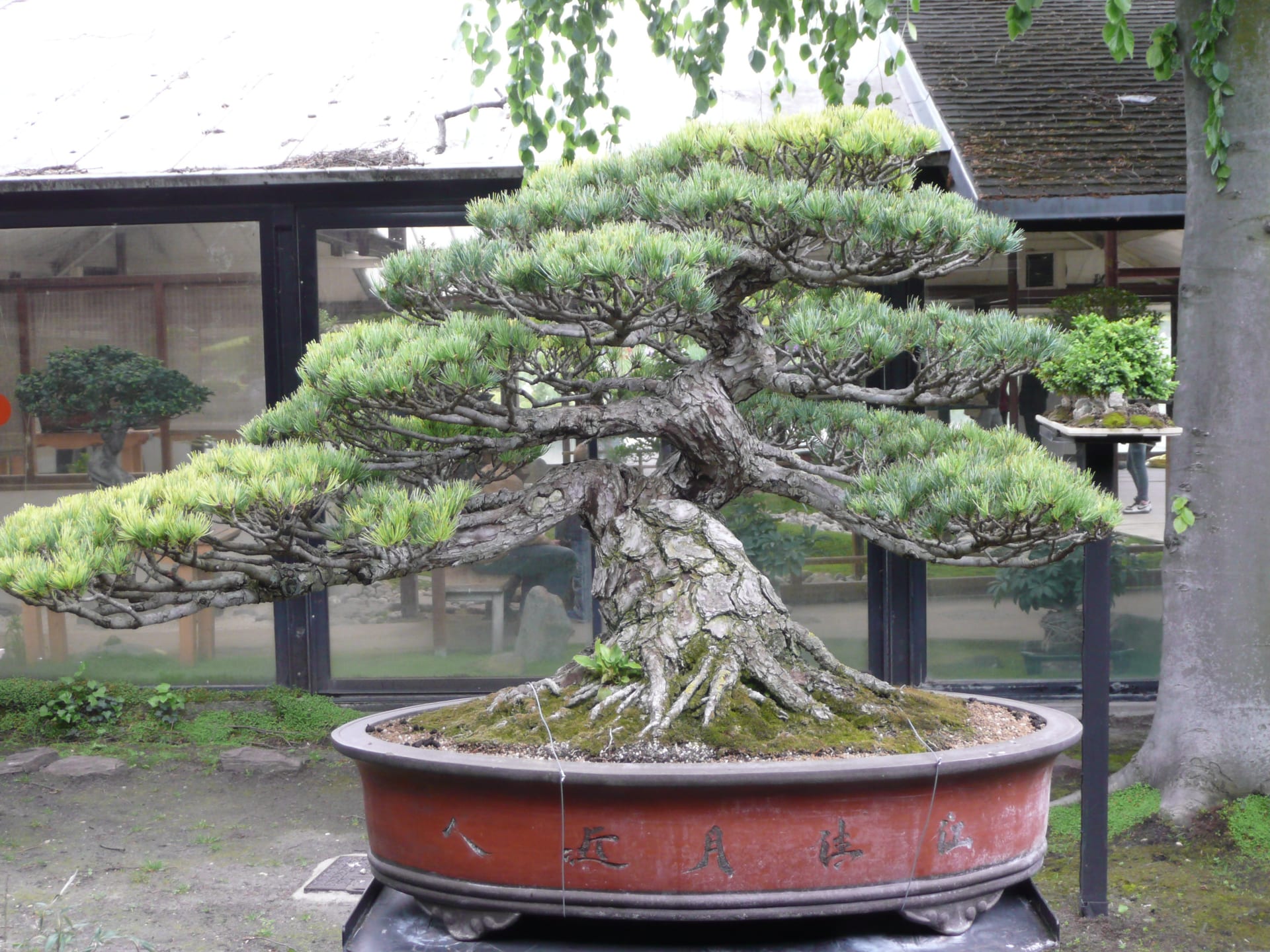 © Liné1 / CC BY-SA 3.0
Azuma goyo (northern Japanese white pine)
Pinus parviflora var. pentaphylla
A trade name for white pine from around Mt. Azuma, Fukushima—one of Japan's three great goyomatsu. It belongs to the northern variety (var. pentaphylla), with somewhat longer needles and conspicuous white lines beneath. A regional strain, not a registered cultivar.
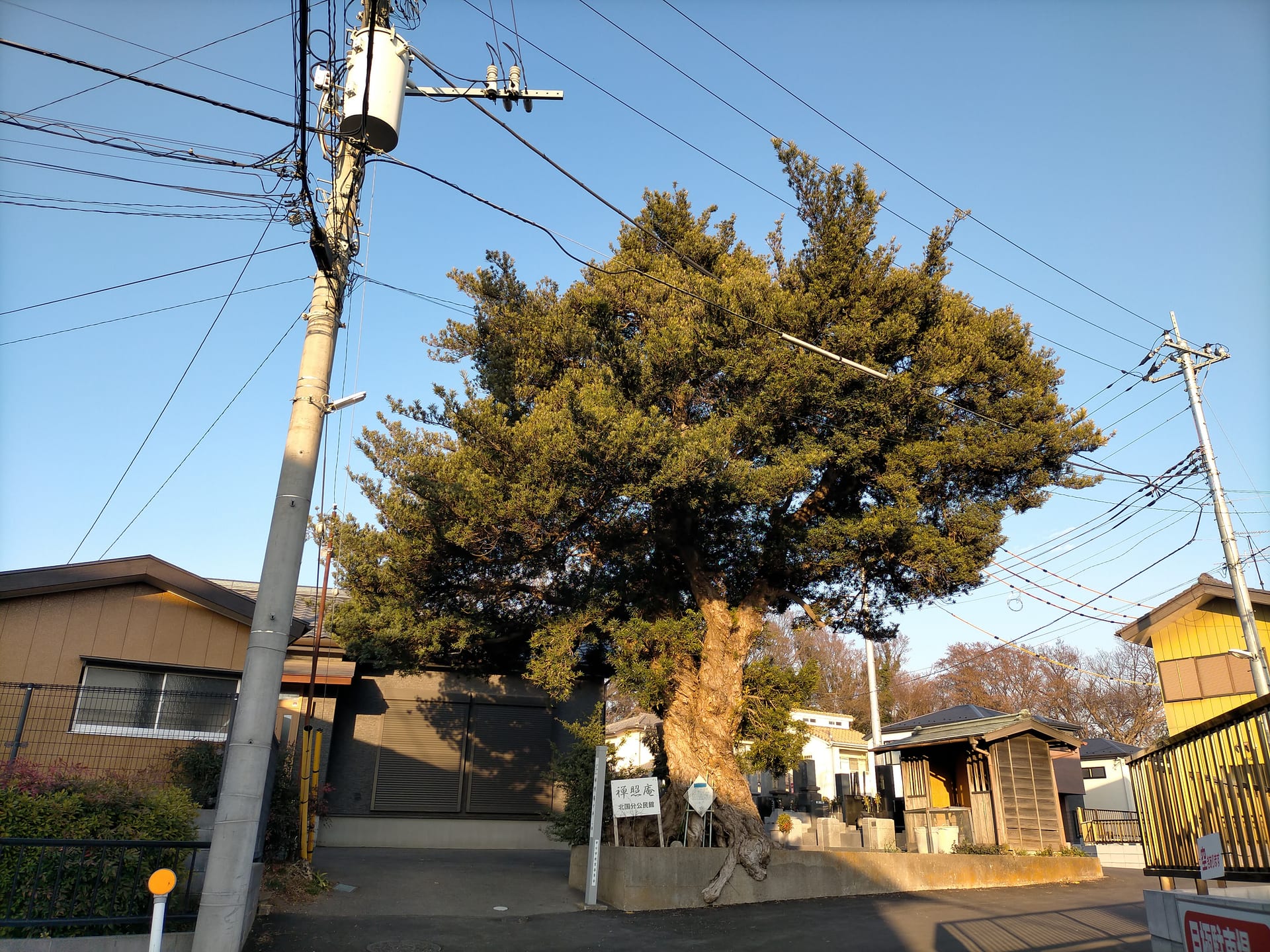 © 四葉亭四迷 / CC0
Buddhist pine (maki)
Podocarpus macrophyllus var. maki
An evergreen conifer, a variety of Podocarpus macrophyllus with shorter, narrower, denser leaves, slower growth and a tighter form. Well known as a garden and hedge tree, it takes pruning well and is also grown as conifer bonsai.
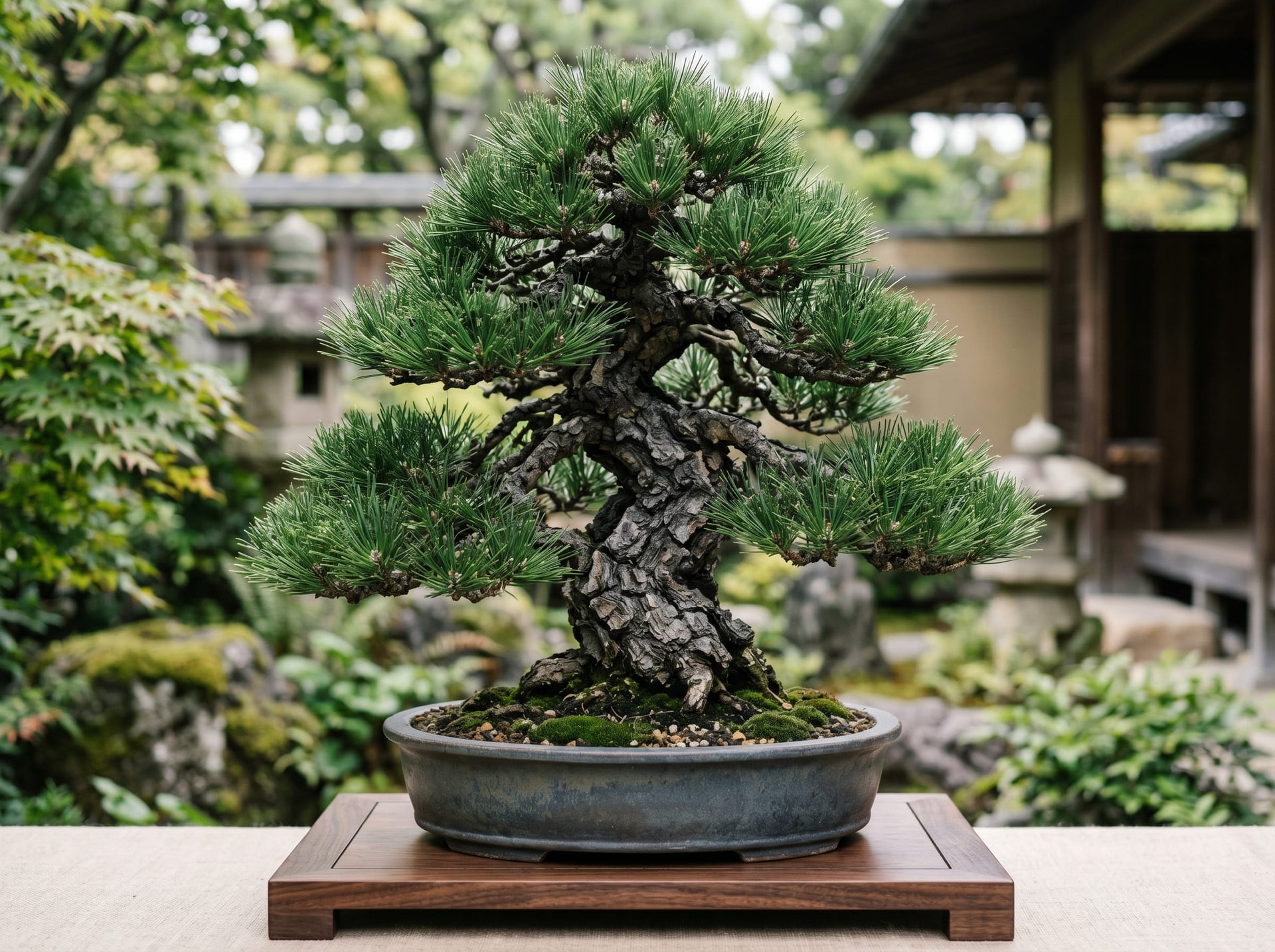
Cork Bark Japanese White Pine
Pinus parviflora
A variety of white pine with bark that develops cork-like texture. Striking contrast between rugged bark and delicate five-needle foliage. Bark deepens with age, gaining dignity.
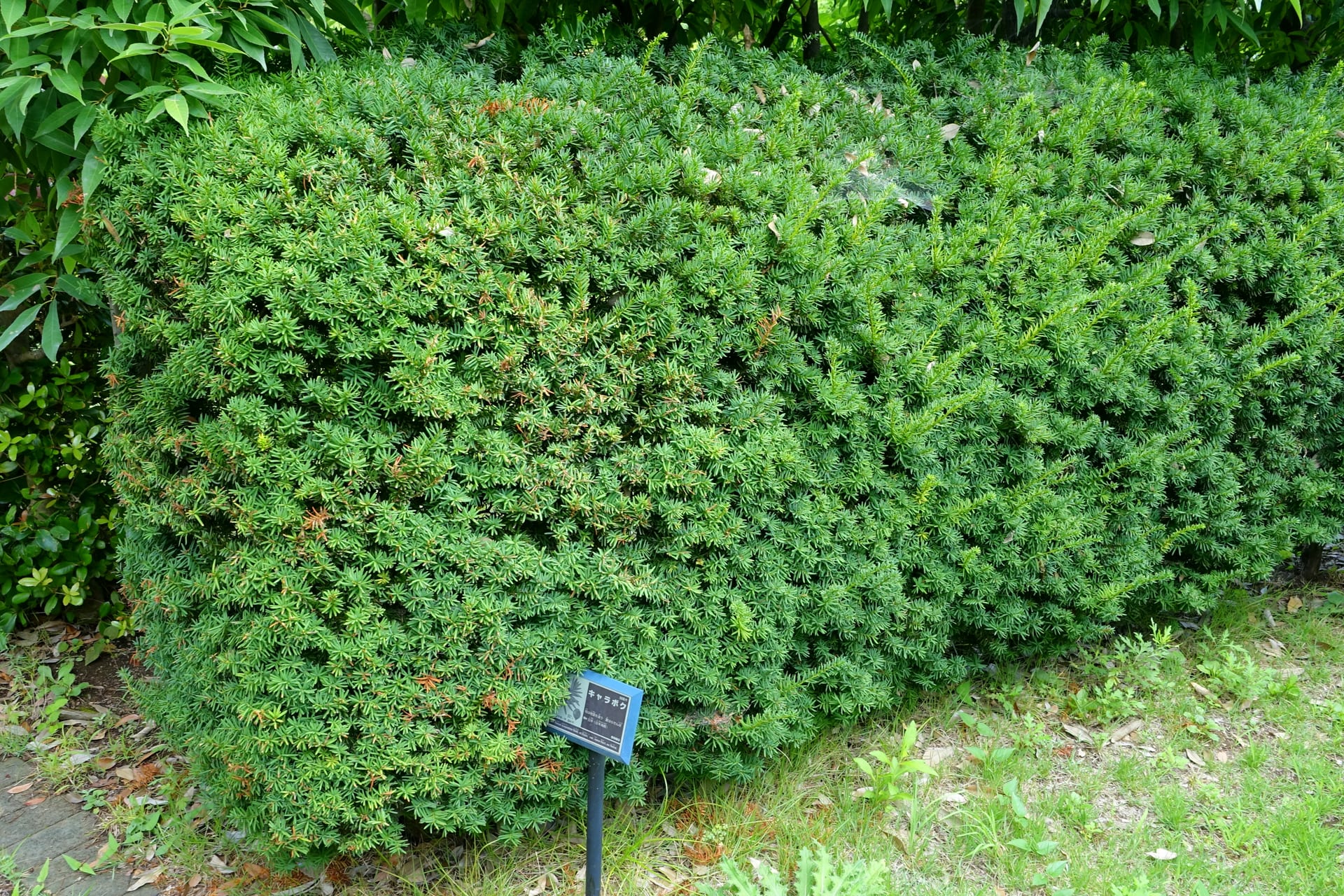 © Daderot / CC0
Dwarf Japanese yew
Taxus cuspidata var. nana
A variety of Japanese yew from snowy mountains on the Sea of Japan side. Instead of a single upright trunk it branches from the base and spreads. Its broader leaves arranged spirally tell it from typical yew. Tough and fairly heat-tolerant.
 © No machine-readable author provided. Inti-sol~commonswiki assumed (based on copyright claims). / CC BY-SA 3.0
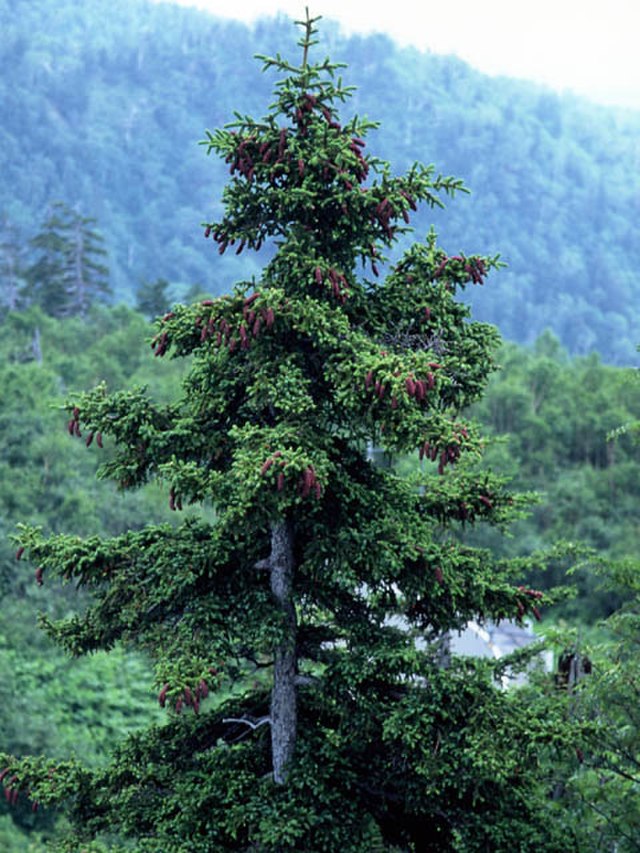
Ezo Spruce
Picea jezoensis
Conifer native to Hokkaido. Dense short needles create a rugged appearance reflecting harsh northern climates. Extremely cold hardy, ideal for bonsai in cold regions.
 © 杉山宣嗣 / CC BY-SA 4.0
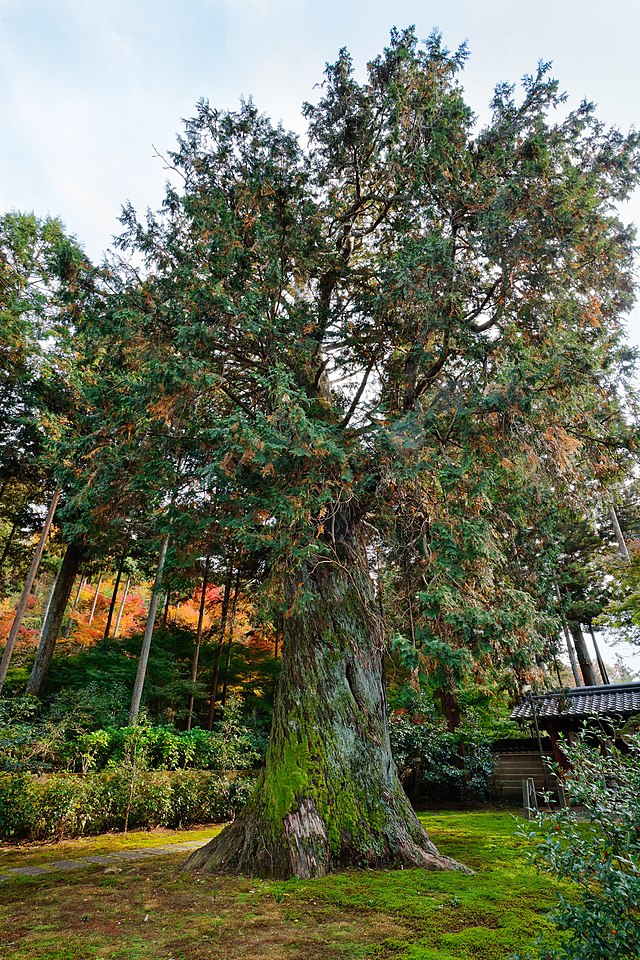
Hinoki Cypress
Chamaecyparis obtusa
Iconic Japanese conifer with fan-shaped scale leaves and reddish-brown bark. Famous as temple building material with refreshing fragrance. Enjoyed as shohin to medium bonsai.
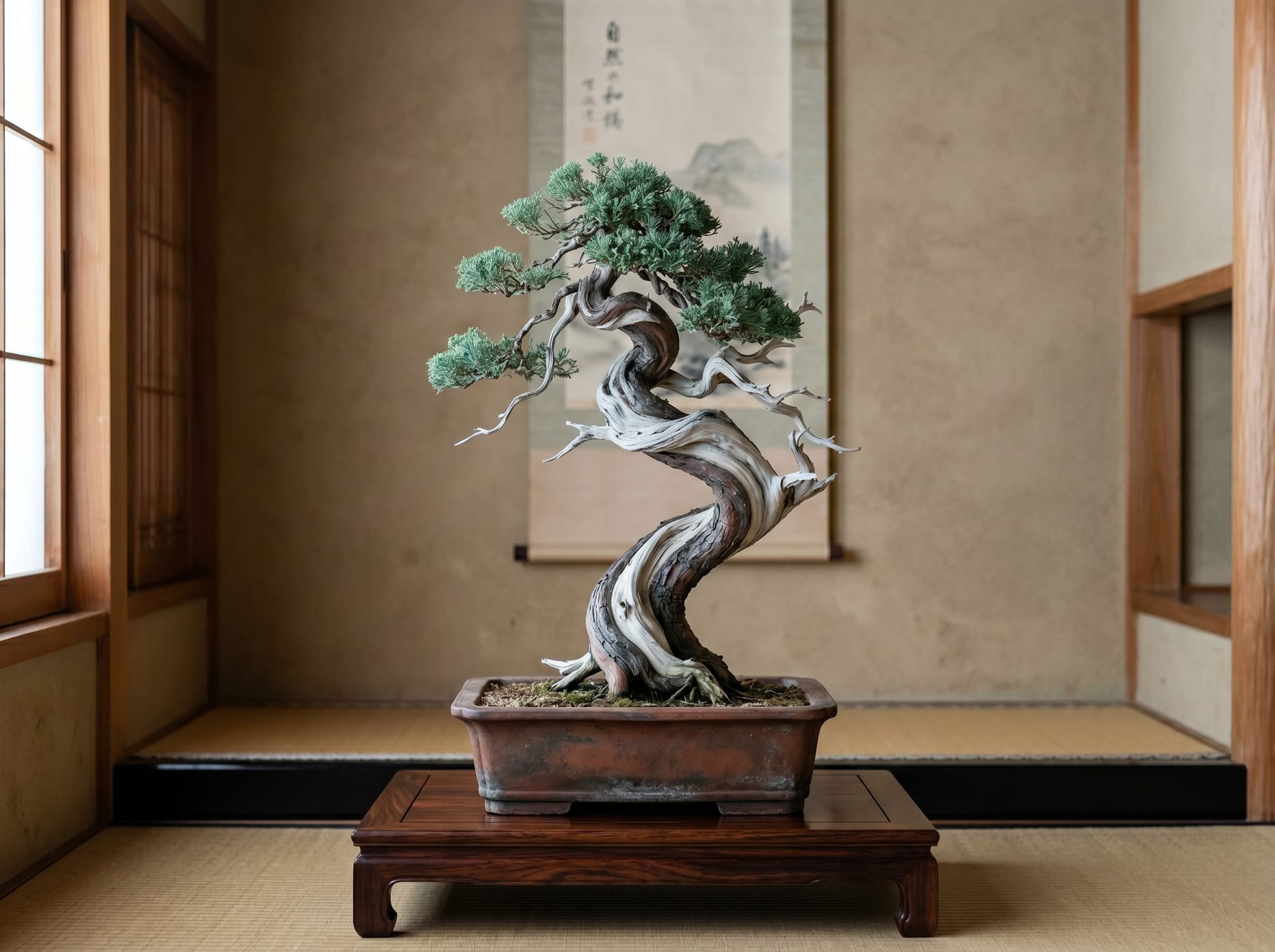
Itoigawa Shimpaku Juniper
Juniperus chinensis var. sargentii 'Itoigawa'
The finest Shimpaku variety from Itoigawa. Extremely fine scale foliage grows densely, prized for delicate leaf character. Produced many masterpieces at exhibitions.
 © User:Jetoney / Public domain
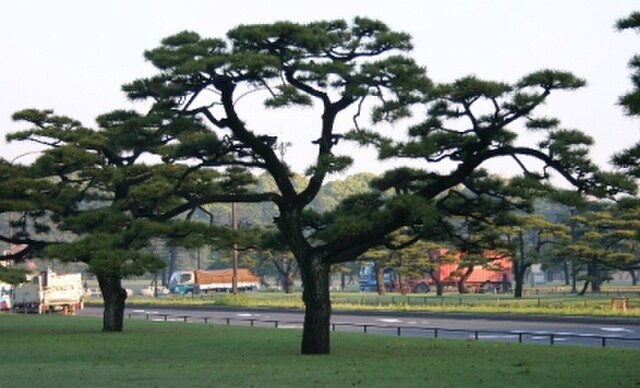
Japanese Black Pine
Pinus thunbergii
The ultimate bonsai classic. Rugged bark and powerful branching are its greatest appeal. Faster than white pine; advanced techniques like bud cutting create refined canopies. Challenging but supremely rewarding.
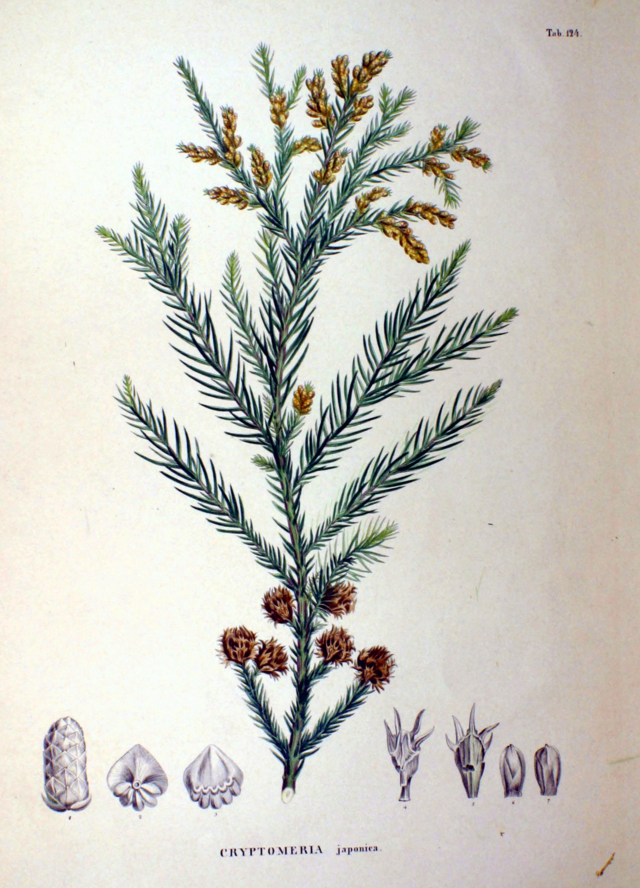 © Philipp Franz von Siebold and Joseph Gerhard Zuccarini / Public domain
Japanese Cedar
Cryptomeria japonica
Endemic Japanese evergreen conifer. Known for straight trunk and dense needle leaves. Looks great as formal upright or twin trunk. Some varieties turn bronze in winter.
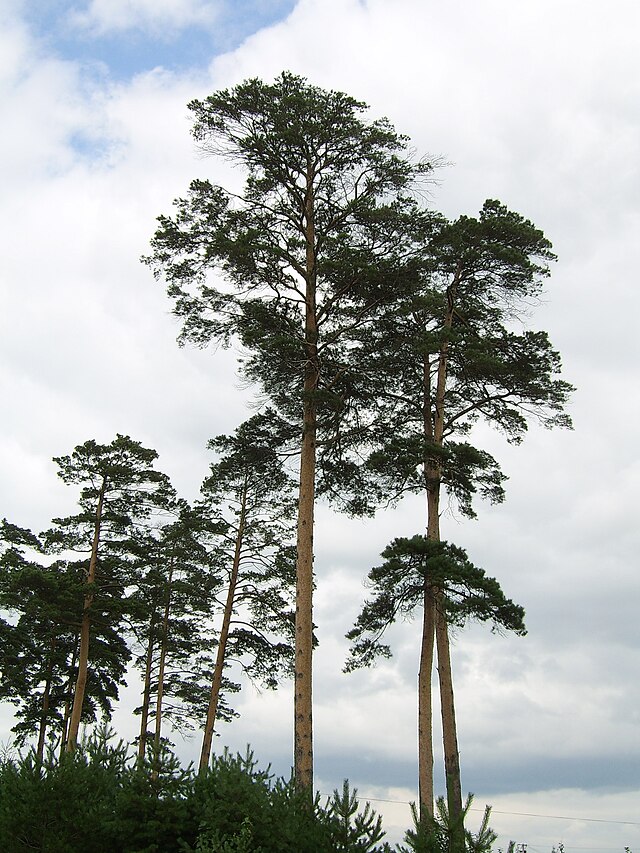
Japanese Red Pine
Pinus densiflora
Called female pine for its graceful appearance. Reddish-brown bark and soft needles give a feminine impression. Often styled as literati or informal upright.
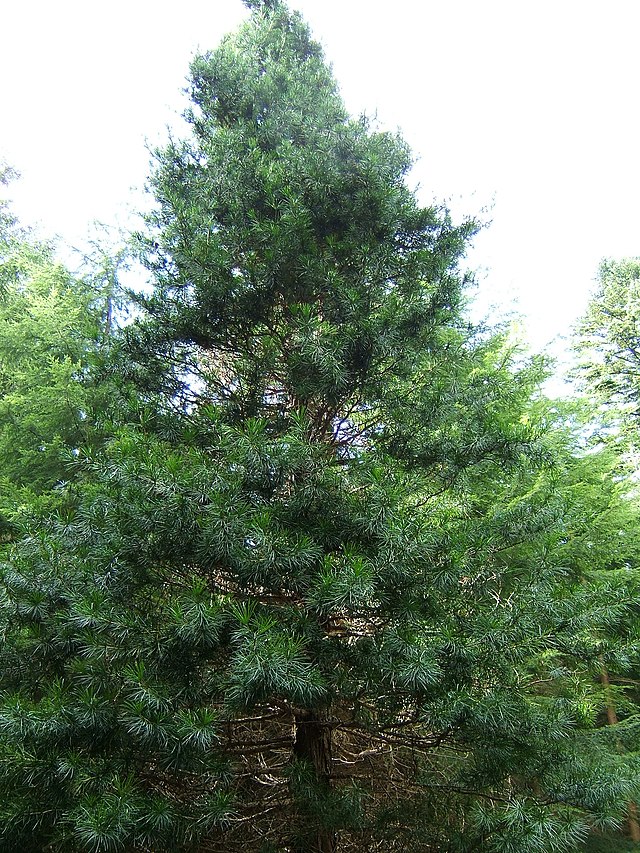 © No machine-readable author provided. MPF assumed (based on copyright claims). / CC BY 2.5
Japanese Umbrella Pine
Sciadopitys verticillata
Endemic Japanese conifer, one of the world's three great garden trees. Distinctive umbrella-like needles. Often planted at shrines and temples. Prized as an elegant bonsai.
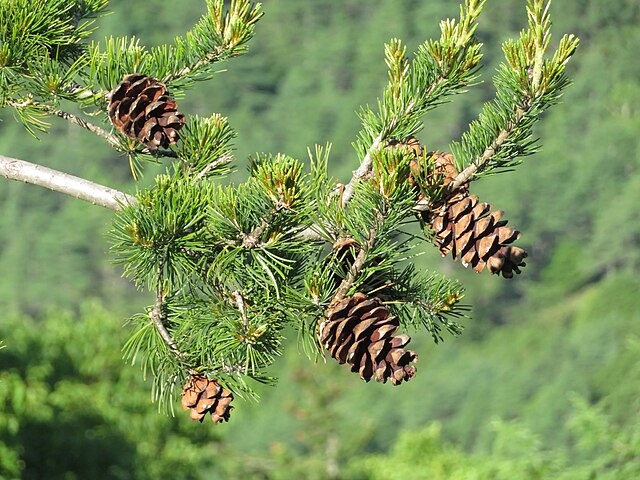 © belvedere04 / CC BY 4.0
Japanese White Pine
Pinus parviflora
One of the supreme bonsai species. Short needles in bundles of five and dignified trunk character. Slow growth maintains form well. Good entry point for conifer bonsai.
 © Dalgial / CC BY-SA 3.0
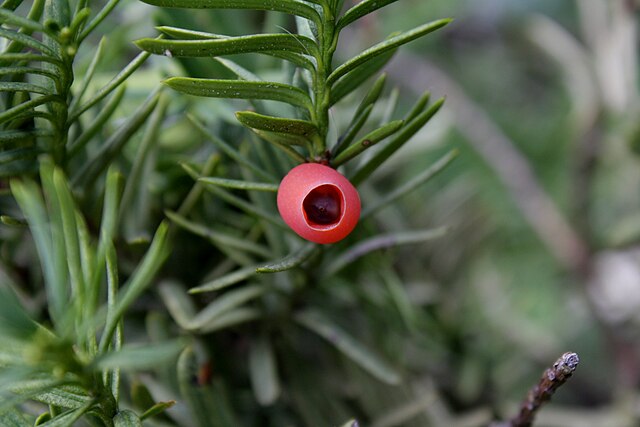
Japanese Yew
Taxus cuspidata
Named after the highest court rank in Japan. Beautiful red berries and dark green needles. Hardy in cold climates with slow growth, ideal for long-term bonsai.
Kishu shimpaku juniper
Juniperus chinensis 'Kishu'
Shimpaku juniper sold under the Kishu (Wakayama/southern Mie) regional name. Its foliage is said to be slightly coarser and darker green than Itoigawa. A regional strain rather than a registered cultivar, now mostly propagated from cuttings.
Kokonoe Japanese white pine
Pinus parviflora 'Kokonoe'
A yatsubusa white pine cultivar ranked alongside Zuisho. Its spring candles barely extend, so the tree keeps its shape for years with little pinching or pruning. Short needles and fine buds make it ideal for shohin bonsai.
 © Original: Olga Ukhvatkina ; edit: MPF / CC BY-SA 4.0
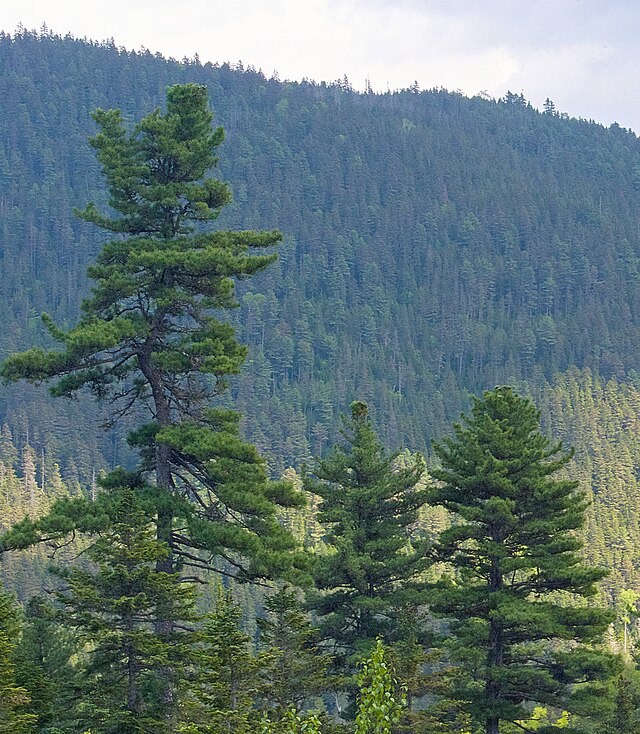
Korean Pine
Pinus koraiensis
Close relative of Japanese white pine with larger cones and edible pine nuts. Native to Korea, China, and Russia. Very cold-hardy with powerful trunks and rich foliage.
Mikawa Japanese black pine
Pinus thunbergii
A trade name for Japanese black pine produced in the Mikawa region around Okazaki, Aichi. Known in bonsai alongside Shikoku and Genkai black pine as a regional type said to have short needles, vigour and good bark. A regional strain, not a registered cultivar.
Nasu Japanese white pine
Pinus parviflora
A trade name for Japanese white pine from the Nasu area of Tochigi, counted with Azuma and Shikoku among Japan's three great goyomatsu. It is a regional strain, not a registered cultivar, and is common as mini and shohin bonsai.
 © KENPEI / CC BY-SA 3.0
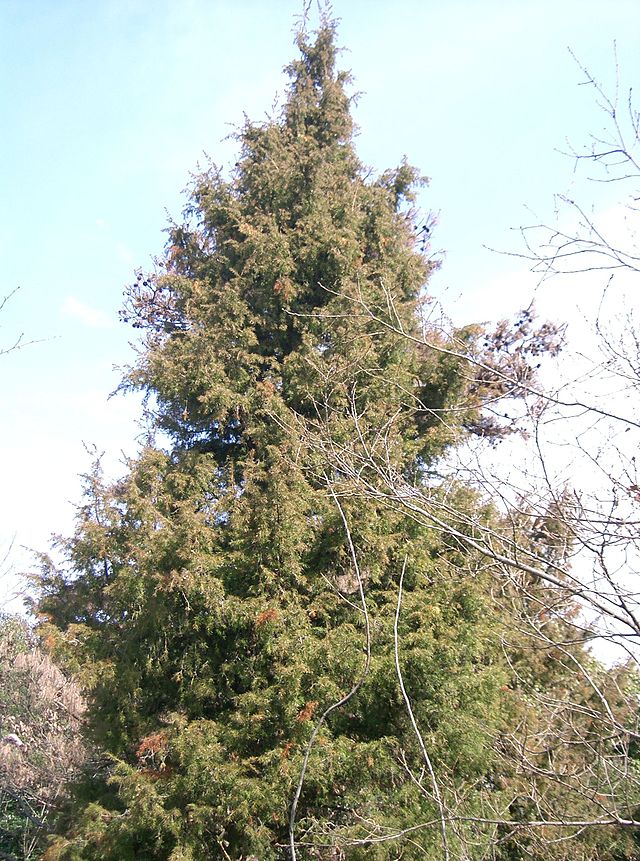
Needle Juniper
Juniperus rigida
Japanese native juniper with sharp needle-like foliage. Rougher texture than Shimpaku. Versatile from shohin to large sizes. Excellent for deadwood features.
 © Cliff from Arlington, Virginia, USA / CC BY 2.0
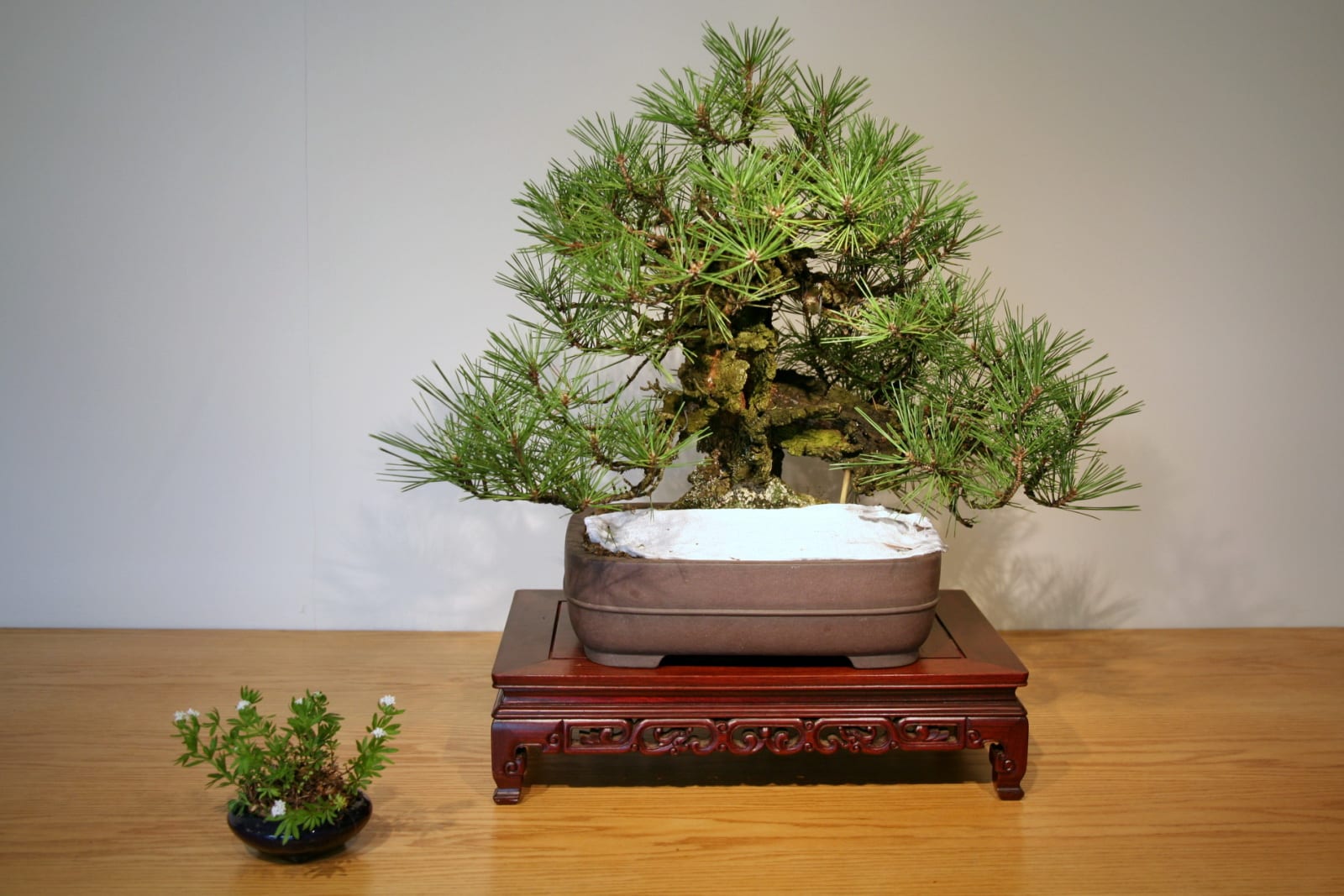
Nishiki-matsu (cork-bark Japanese black pine)
Pinus thunbergii 'Nishiki'
A mutation of Japanese black pine found on the Seto Inland Sea coast at Takamatsu, Kagawa. Its trunk and branch bark thickens into cork and splits deeply, giving even young trees the rugged look of a weathered old pine.
Sekka hinoki cypress
Chamaecyparis obtusa 'Sekka'
A hinoki selection made for bonsai and a shohin staple. 'Sekka' here means foliage even harder and more crinkled than ordinary yatsubusa types, packing into tight mounds with an ancient, fossil-like look.
Senjumaru Japanese black pine
Pinus thunbergii 'Senjumaru'
A yatsubusa black pine that arose as a sport of the black pine 'Kotobuki'. It buds prolifically, making branch development easy, and has short, thick, deep-green needles. Quick to form a tree, it suits shohin bonsai and is popular abroad.
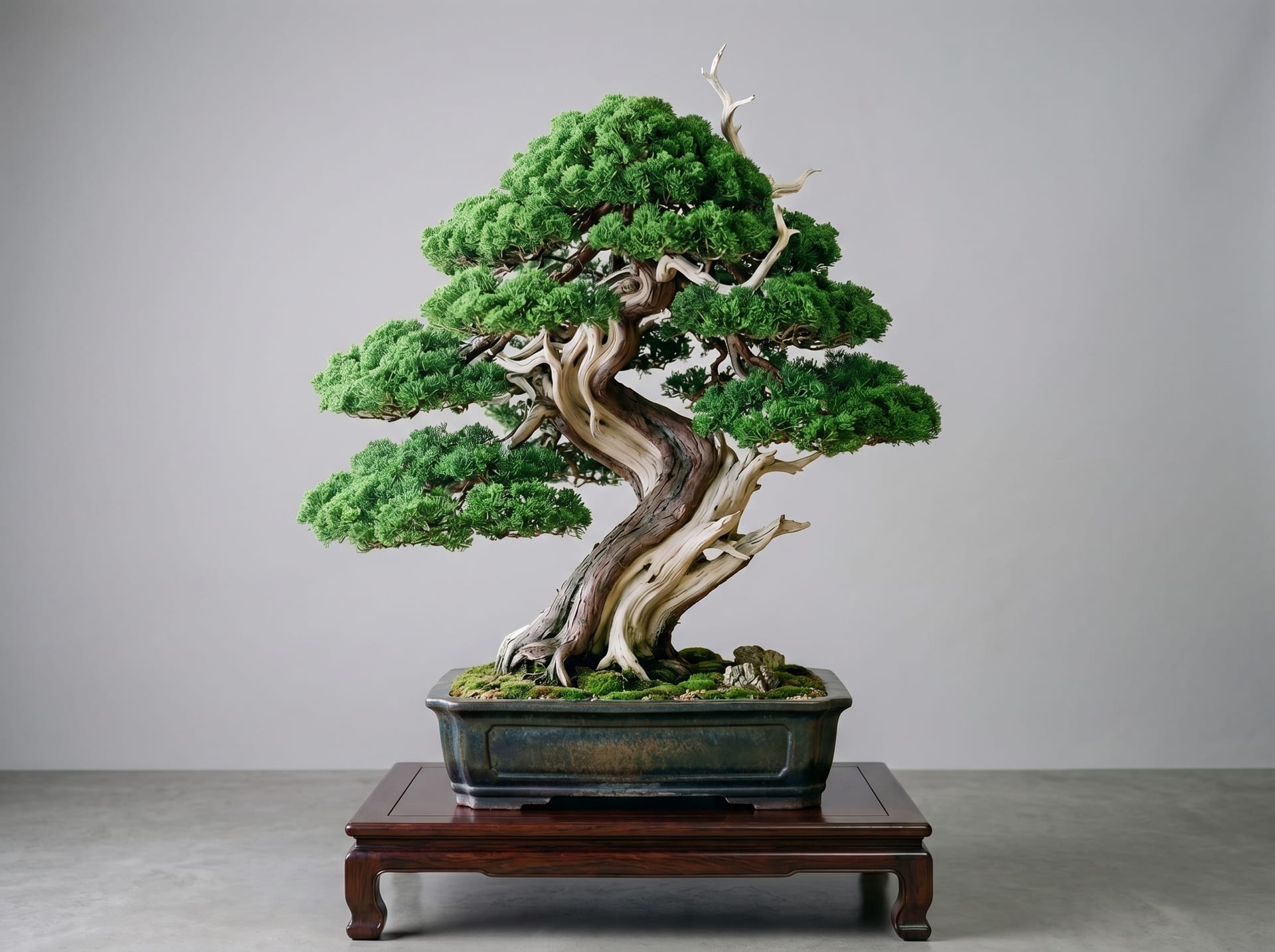
Shimpaku Juniper
Juniperus chinensis var. sargentii
The most prized juniper in bonsai. Known for jin and shari deadwood artistry. Grows wild on cliffs, creating twisted trunks that combine ruggedness and elegance.
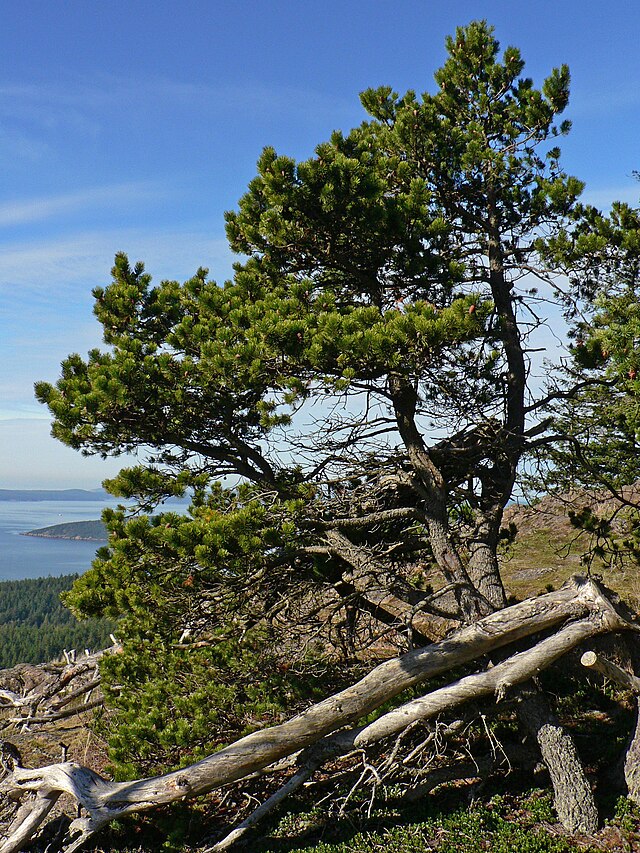 © Walter Siegmund / CC BY 2.5
Shore Pine
Pinus contorta
Native to North American west coast. Known for resilience against sea winds and naturally curved trunks. Suits literati and windswept styles with distinctive wild charm.
Related Content
Bonsai FAQ
- How much do bonsai cost?
- Mini bonsai cost 1,000-5,000 yen, medium bonsai 5,000-50,000 yen, and masterpiece-class large bonsai hundreds of thousands to millions of yen depending on age, size, and form.
- Can beginners start bonsai?
- Starting with small Japanese maple, Shimpaku juniper, or Japanese white pine is recommended. With basic watering and 1-2 annual prunings, beginners can fully enjoy bonsai.
- How long do bonsai live?
- With proper care, bonsai can live for hundreds of years. Japan has many bonsai several centuries old, valued as art pieces passed down across generations.
- What should I check when buying bonsai?
- Look at root spread, trunk movement, and branch balance. Beginners may enjoy starting with affordable raw material trees and shaping them, rather than finished specimens.
- What's most important for bonsai care?
- Daily watering is the most important task. Water thoroughly when the soil surface dries, twice daily in summer (morning and evening). Keep outdoors in a spot with good airflow and sunlight.