Bonsai Encyclopedia
Encyclopedia of popular bonsai species with care guides, traits, and styling tips.
Featured Bonsai
Showing 15 of 137 species
 © Krzysztof Ziarnek, Kenraiz / CC BY-SA 4.0
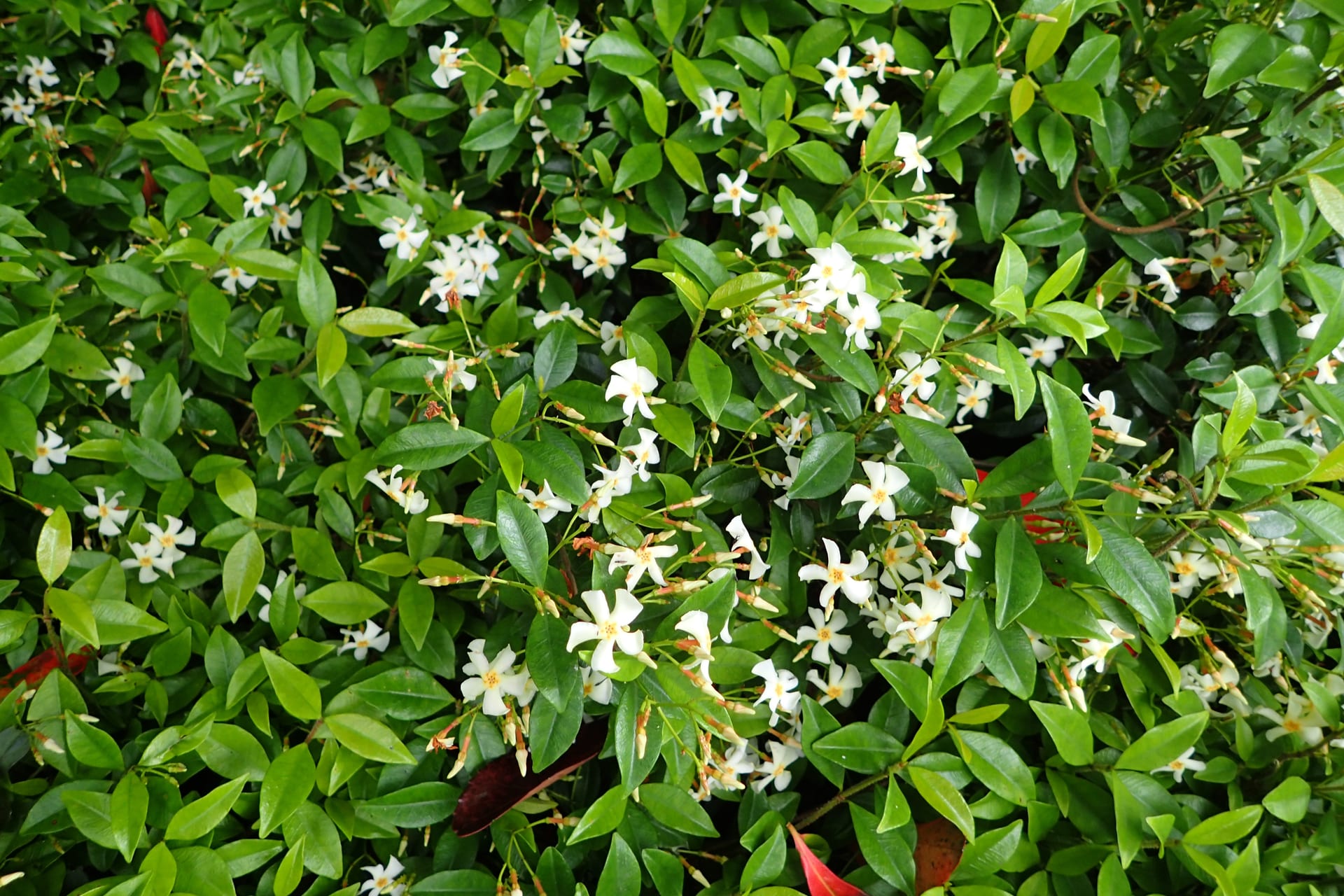
Asiatic jasmine
Trachelospermum asiaticum
An evergreen climber with fragrant, pinwheel-twisted white flowers in early summer. In bonsai, small-leaved forms such as the crinkled 'Chirimen-kazura' are favoured for their red new growth and winter colouring.
 © 四葉亭四迷 / CC0
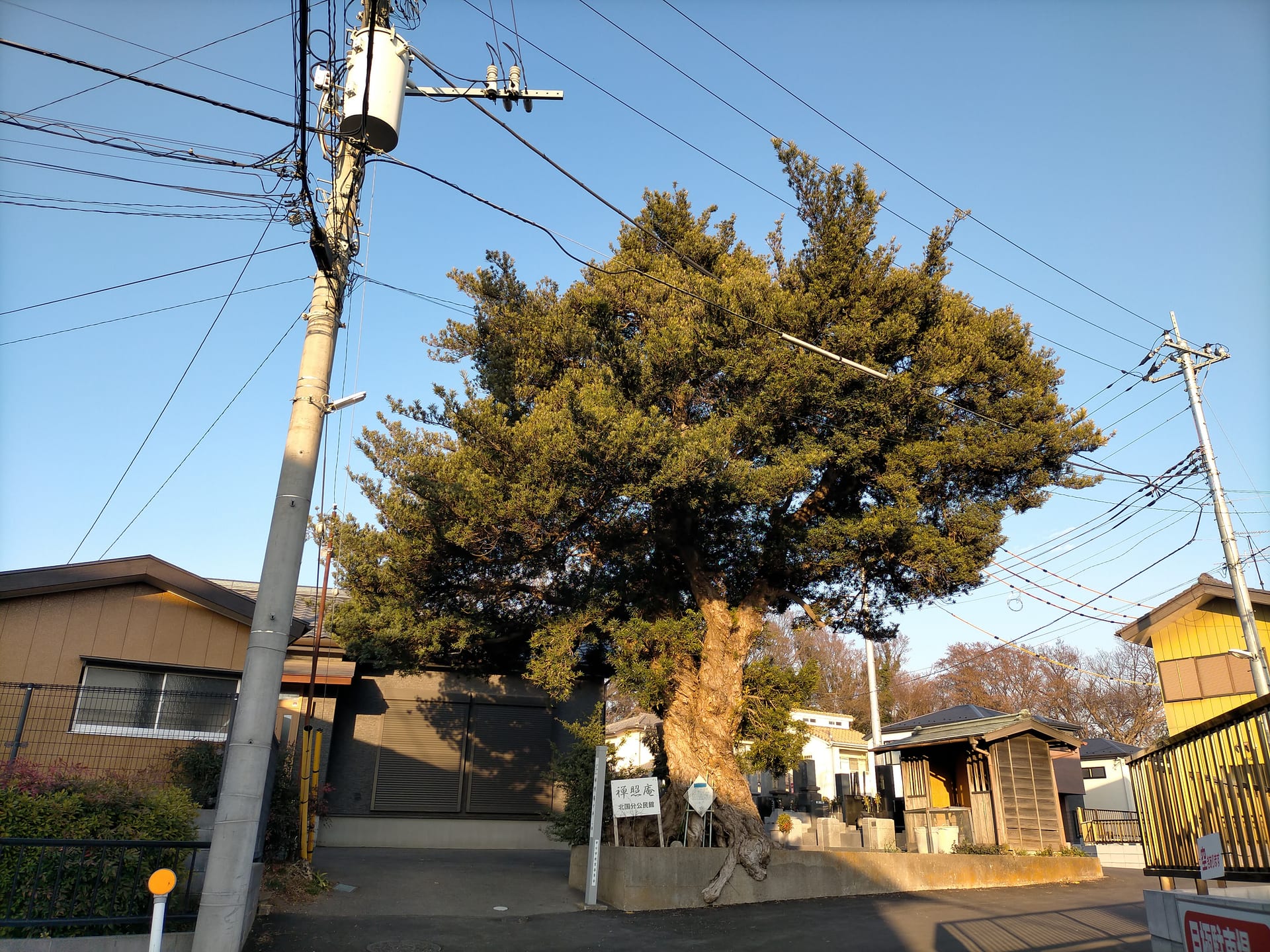
Buddhist pine (maki)
Podocarpus macrophyllus var. maki
An evergreen conifer, a variety of Podocarpus macrophyllus with shorter, narrower, denser leaves, slower growth and a tighter form. Well known as a garden and hedge tree, it takes pruning well and is also grown as conifer bonsai.
 © junichiro aoyama from Kyoto, Japan / CC BY 2.0
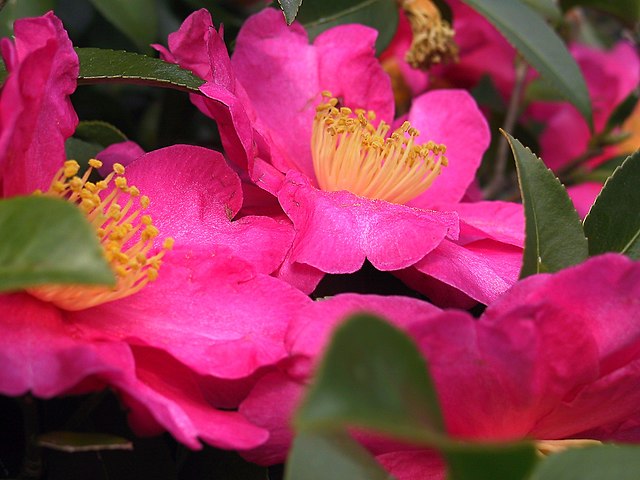
Camellia
Camellia japonica
Iconic Japanese evergreen flowering tree. Blooms in winter to spring in red, white, and pink varieties. Glossy dark green leaves complement flowers perfectly in bonsai.
 © Daderot / CC0
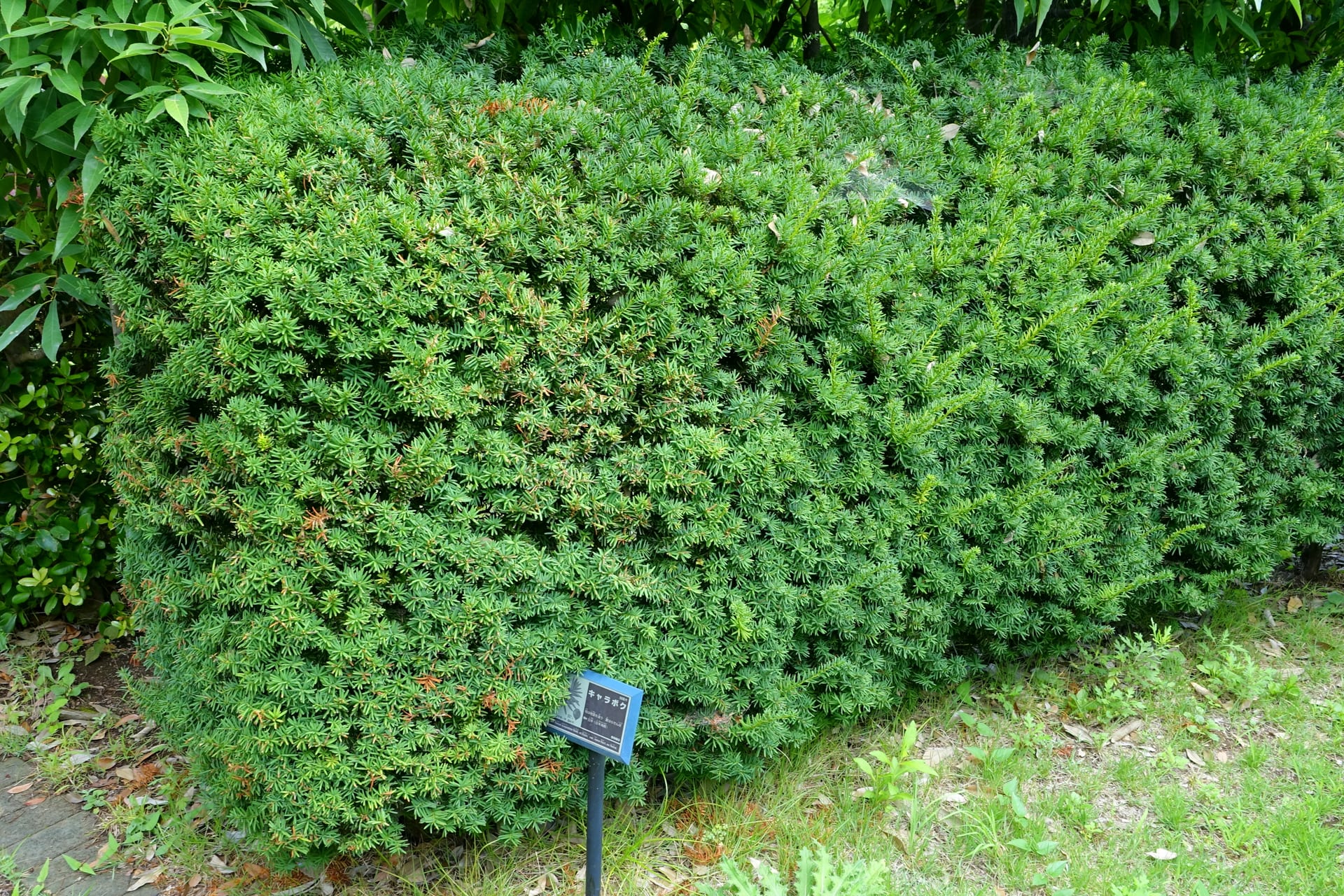
Dwarf Japanese yew
Taxus cuspidata var. nana
A variety of Japanese yew from snowy mountains on the Sea of Japan side. Instead of a single upright trunk it branches from the base and spreads. Its broader leaves arranged spirally tell it from typical yew. Tough and fairly heat-tolerant.
 © Laitr Keiows / CC BY-SA 3.0
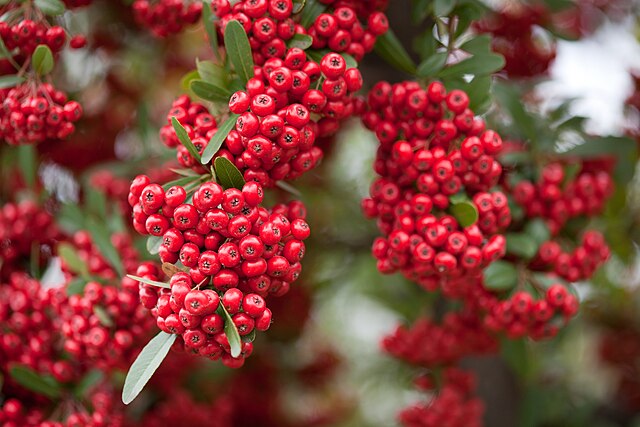
Firethorn
Pyracantha coccinea
Fruiting bonsai laden with vivid orange-red berries in autumn. Evergreen for year-round interest. Thorny but berry display is among the best of fruiting bonsai.
 © M108t / CC BY 4.0
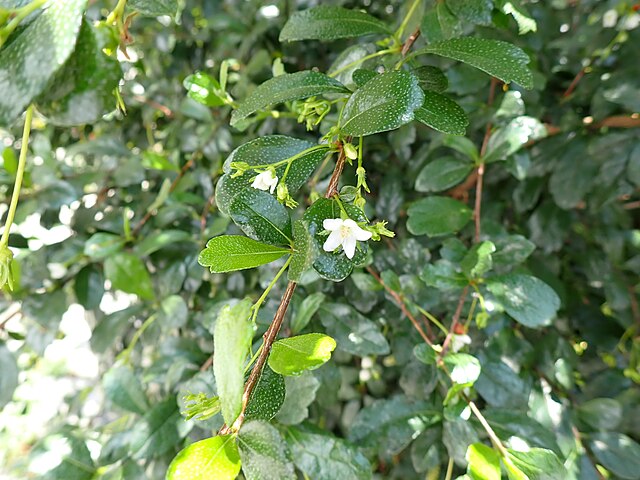
Fukien Tea
Ehretia microphylla
Evergreen from southern China. Small glossy leaves, white flowers, and red berries. Tropical species popular worldwide as indoor bonsai. Trunk bark has unique texture.
 © David J. Stang / CC BY-SA 4.0
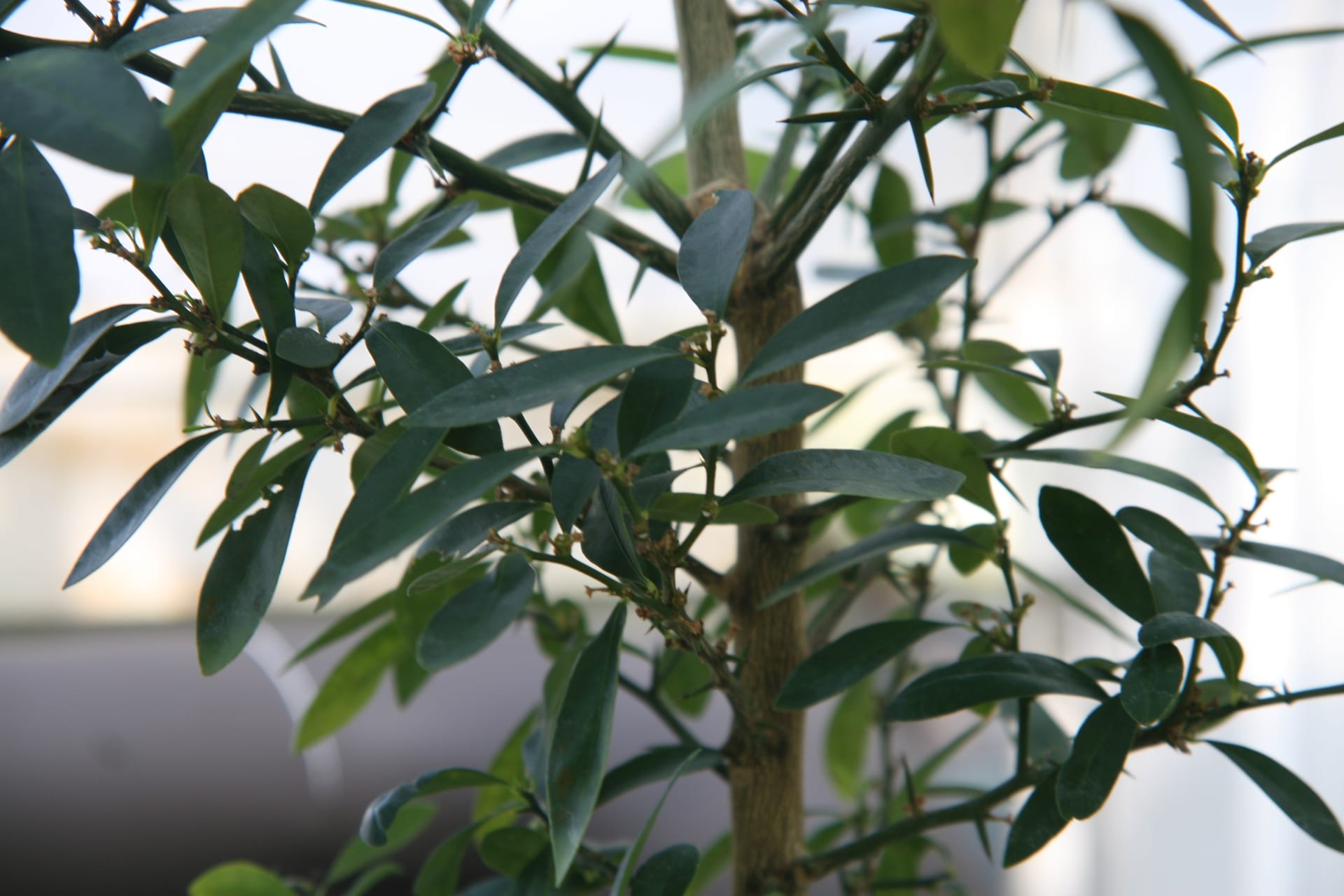
Hong Kong kumquat
Fortunella hindsii
A tiny kumquat from southern China including Hong Kong, bearing orange fruits about 1 cm across along its branches. The fruit has almost no flesh and is not for eating, but through winter the plant looks like a miniature orange tree.
 © 5snake5 / CC0
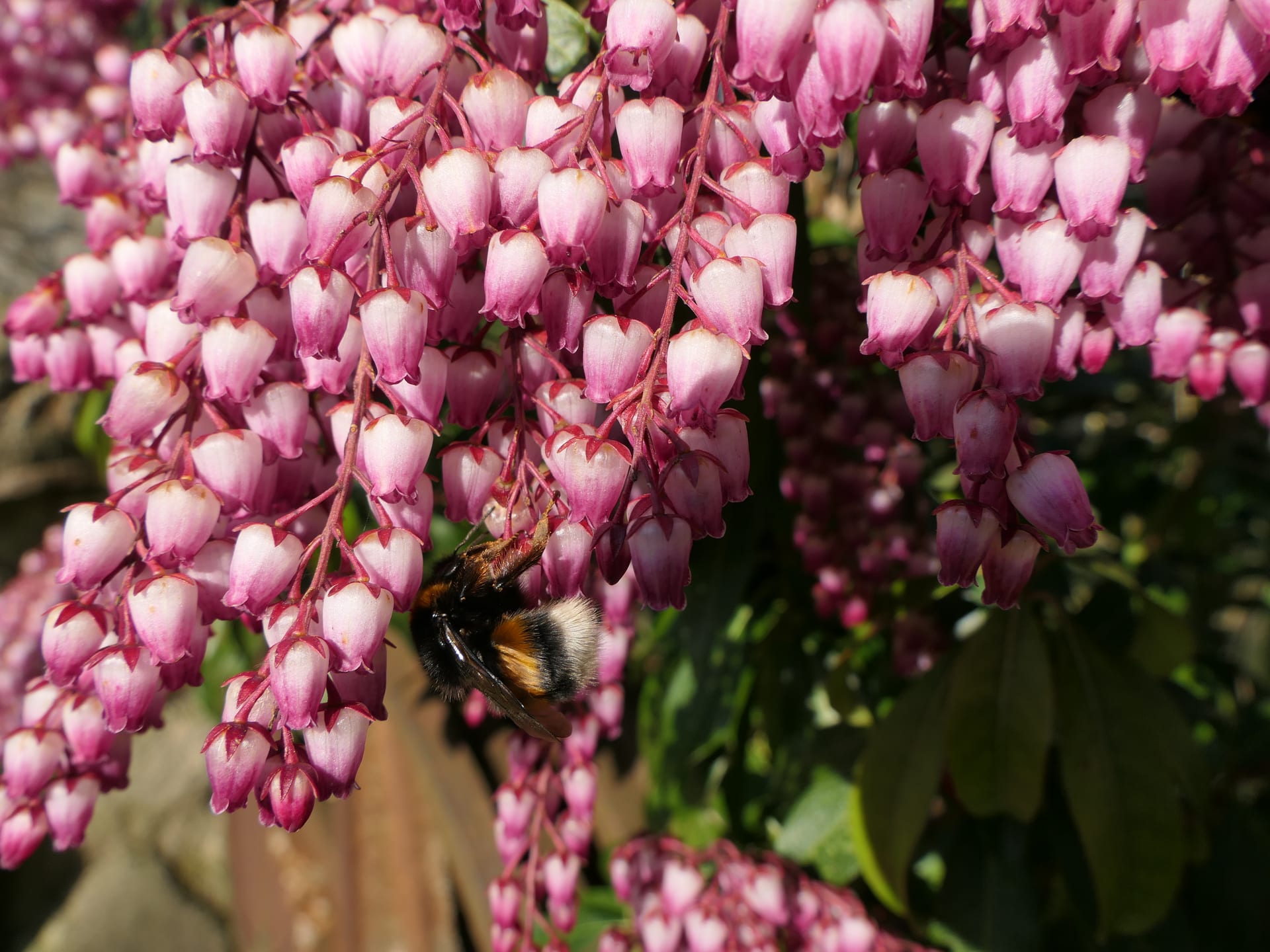
Japanese andromeda
Pieris japonica
An evergreen shrub endemic to Japan that hangs clusters of small urn-shaped flowers in early spring. White is the wild colour, but pink to deep red forms are popular for bonsai. The whole plant is toxic and must never be eaten.
 © KENPEI / CC BY-SA 3.0
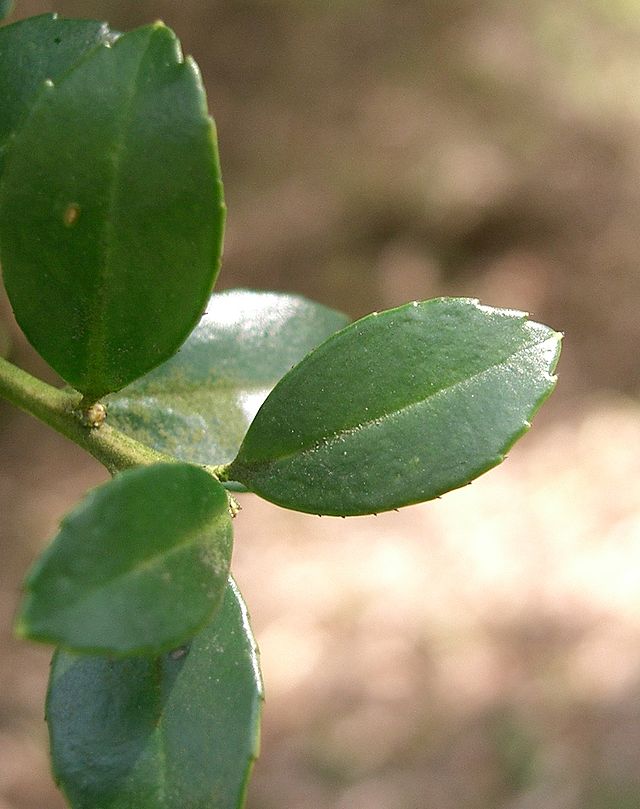
Japanese Holly
Ilex crenata
Evergreen bonsai with glossy dark green leaves and red berries. Autumn-winter berries are highly ornamental. Hardy and easy to grow, a representative Japanese tree.
 © KENPEI / CC BY-SA 3.0
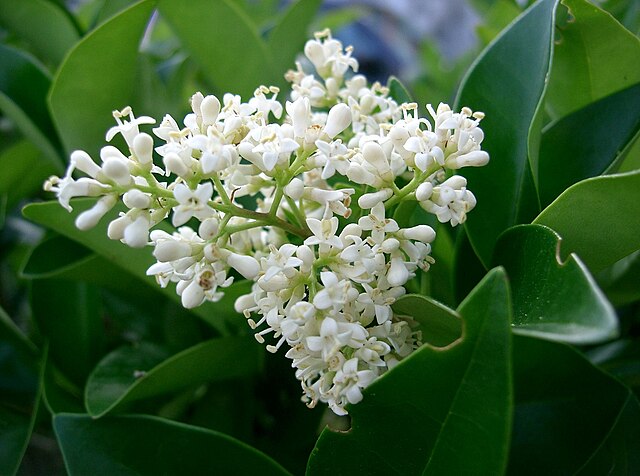
Japanese Privet
Ligustrum japonicum
Evergreen with small glossy leaves in dense clusters. White flowers and dark purple berries add interest. Extremely hardy and tolerant of pruning. Good root spread.
 © KENPEI / CC BY-SA 3.0
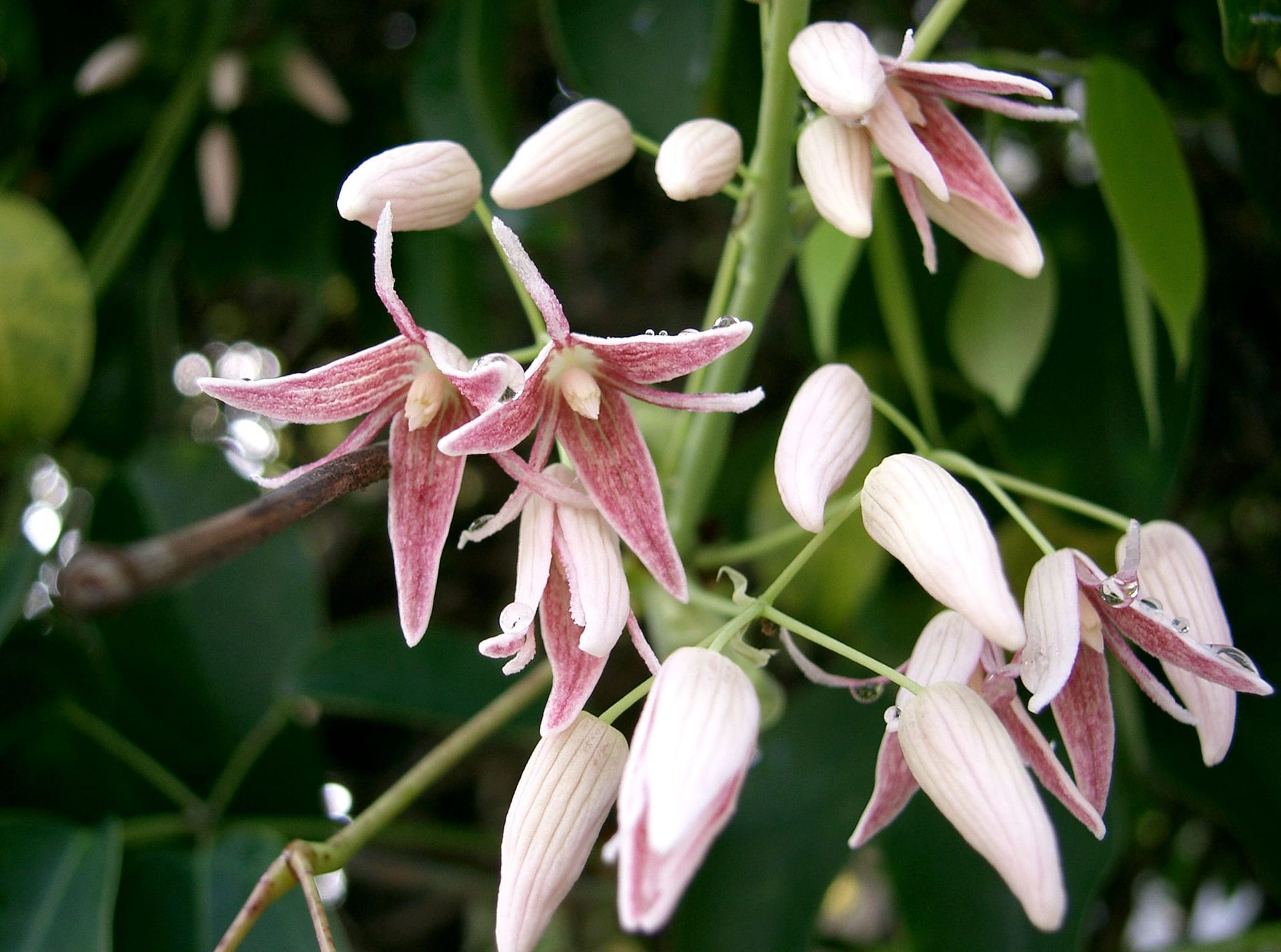
Japanese staunton vine
Stauntonia hexaphylla
An evergreen relative of akebi, also called tokiwa-akebi ('evergreen akebi'). In spring it bears flowers with white sepals marked red-purple inside, and in autumn purple fruits 5–8 cm long that, unlike akebi, rarely split open.
 © Laitche / CC BY-SA 4.0
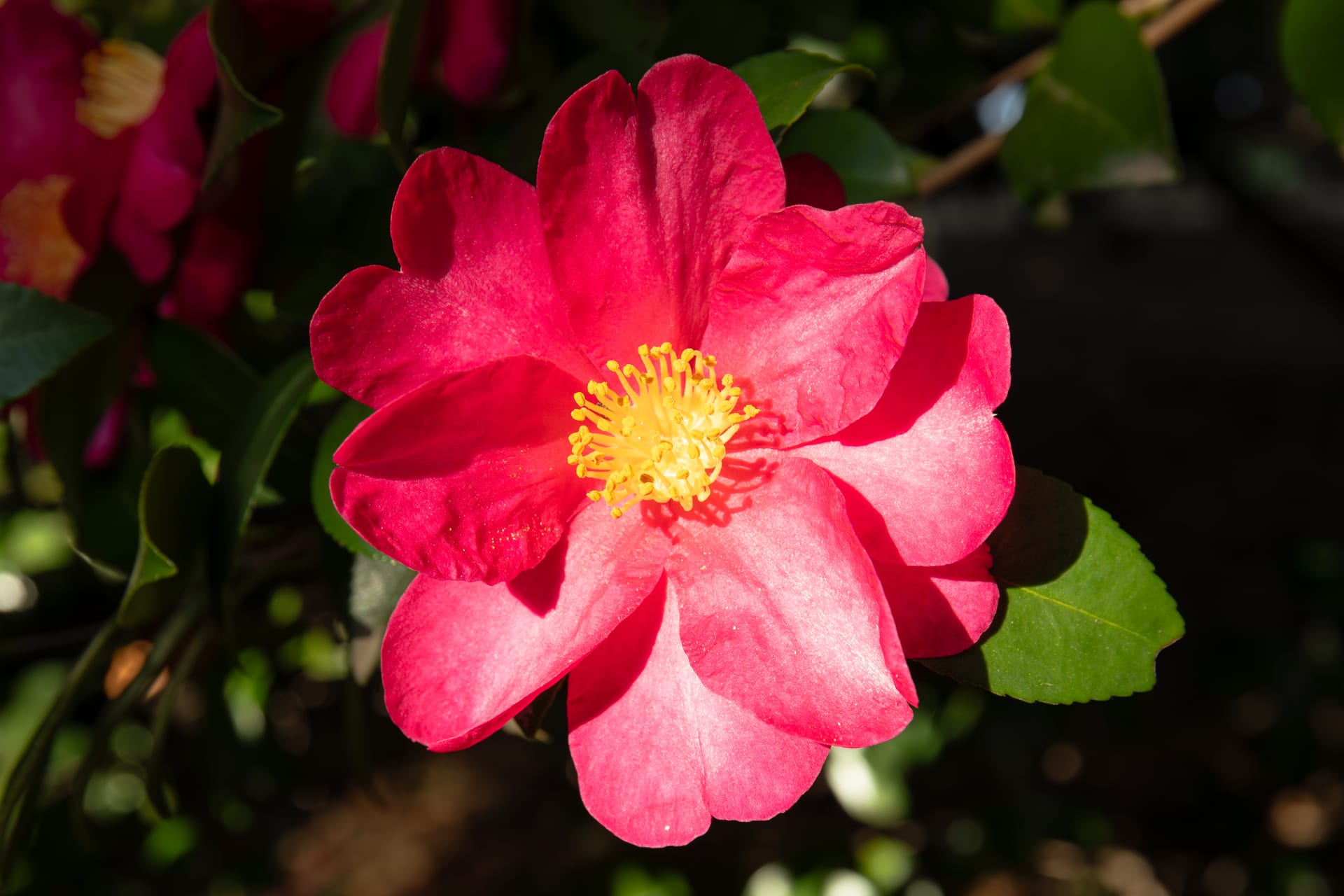
Sasanqua camellia
Camellia sasanqua
An evergreen camellia that blooms white to pink from late autumn into winter. Unlike Camellia japonica, its petals fall one by one and the flowers carry a faint scent, making it a favorite flowering bonsai for the bare season.
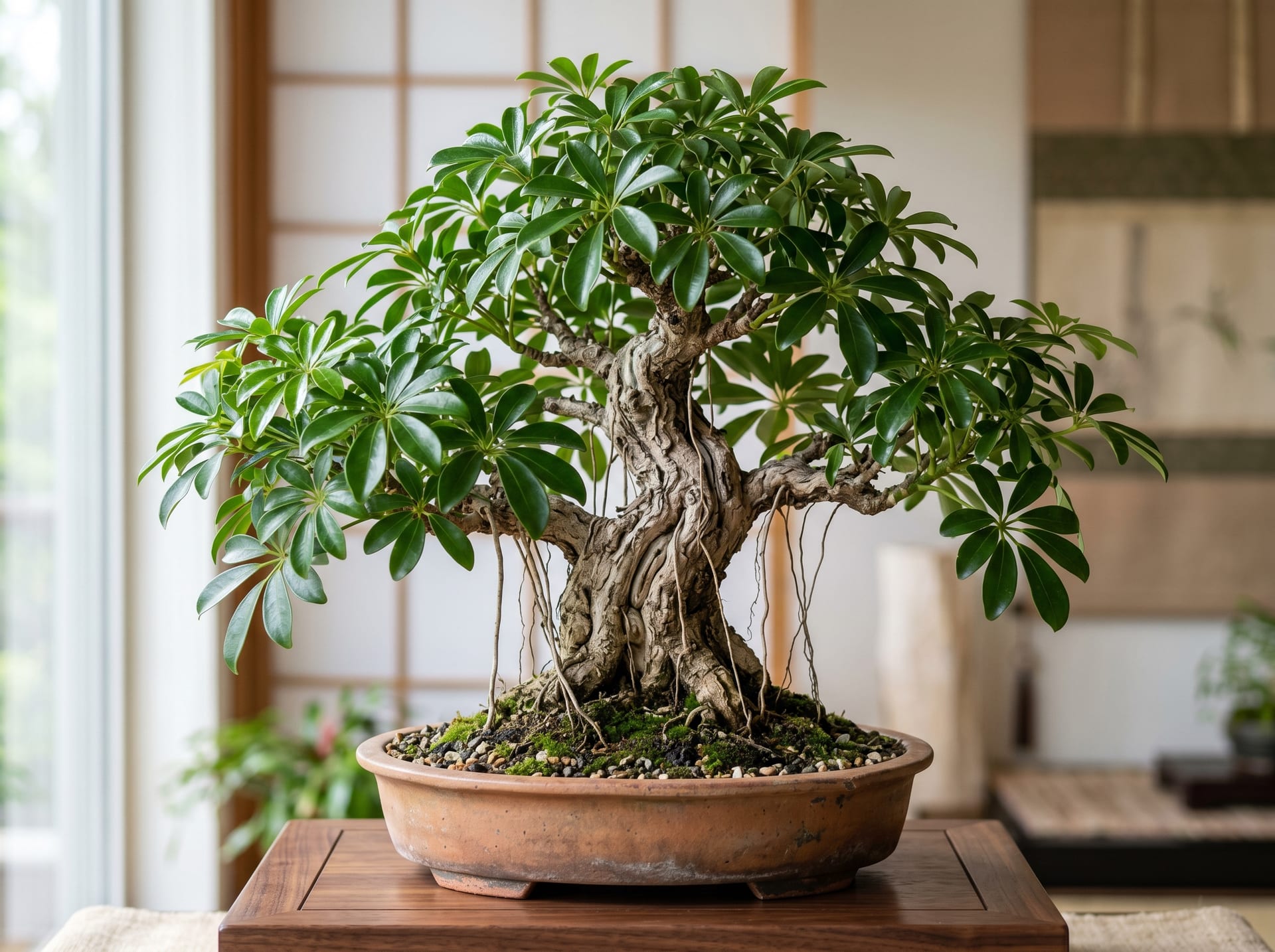
Schefflera
Heptapleurum arboricola
Tropical evergreen with distinctive palmate leaves radiating outward. Extremely hardy and grows indoors, perfect for bonsai beginners. Develops aerial roots for banyan-style forms.
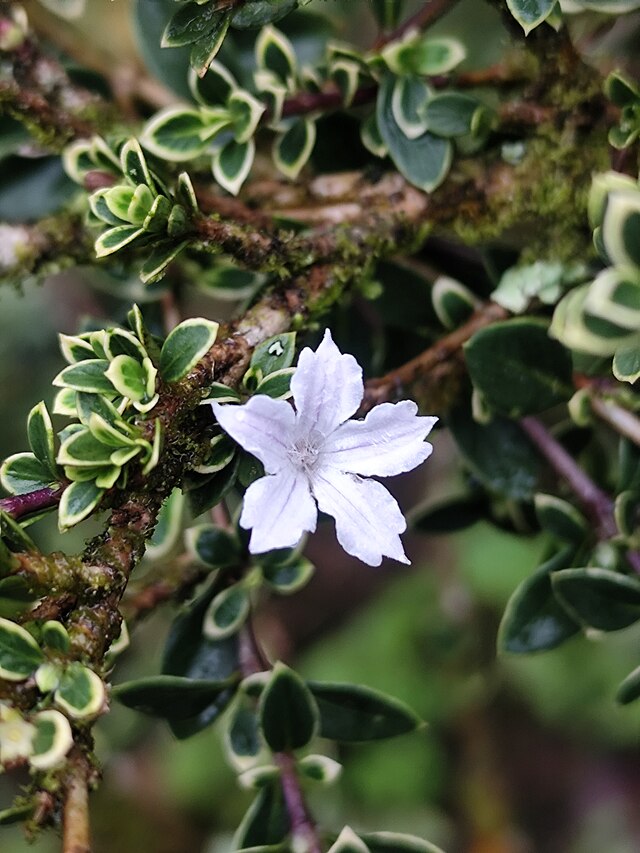 © Hayati Mayang Arum / CC BY-SA 4.0
Serissa
Serissa japonica
Evergreen shrub covered in tiny white star-shaped flowers. Extremely small leaves perfect for shohin to mini bonsai. Roots thicken well for exposed root style. Indoor capable.
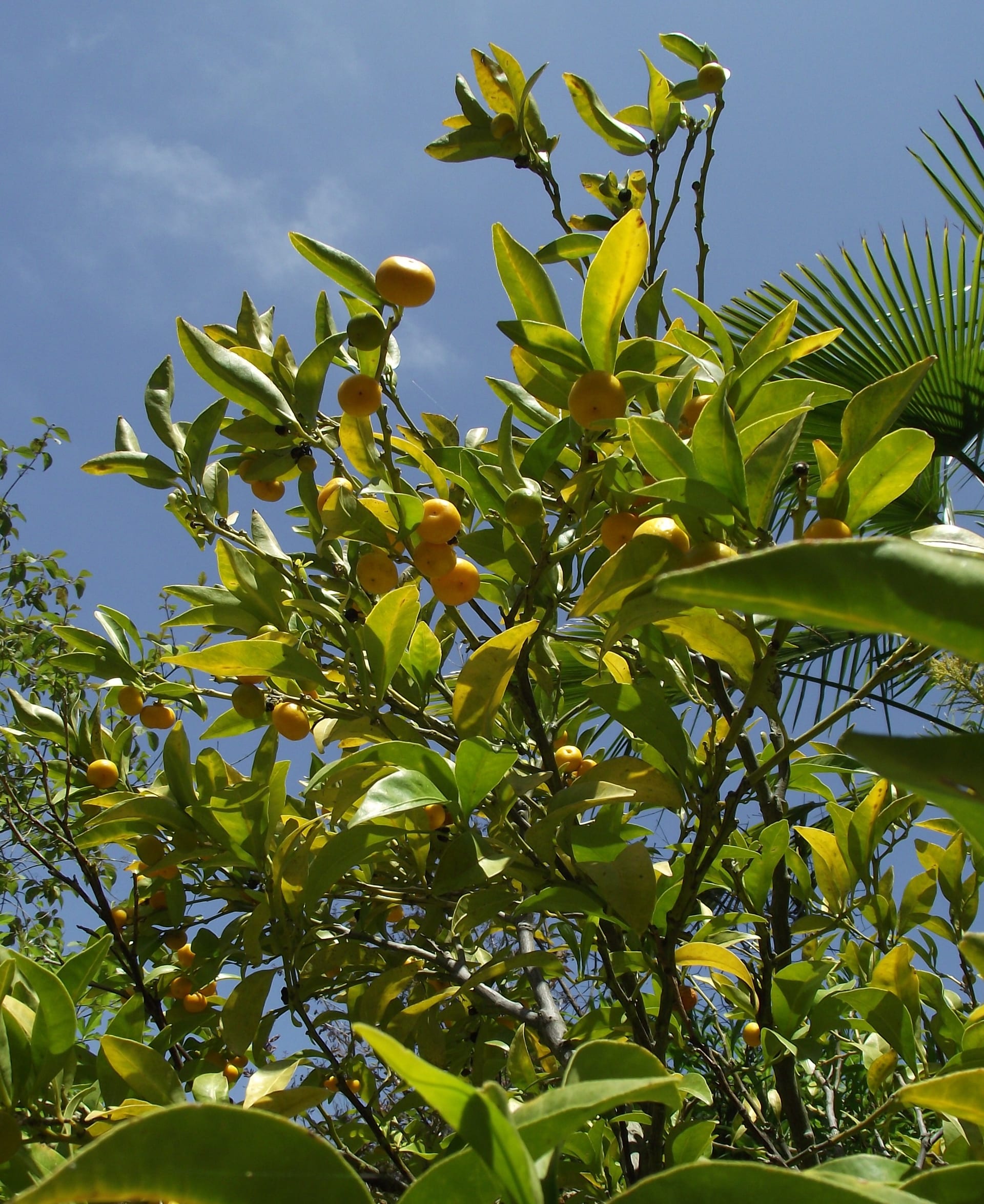 © Stickpen / CC0
Tachibana orange
Citrus × tachibana
Japan's wild native citrus, an evergreen bearing fragrant white flowers in early summer and flattened yellow fruits 2.5–3 cm across in winter. Famous as the 'Ukon no tachibana' at the Kyoto Imperial Palace; wild plants are nationally Near Threatened.
Related Content
Bonsai FAQ
- How much do bonsai cost?
- Mini bonsai cost 1,000-5,000 yen, medium bonsai 5,000-50,000 yen, and masterpiece-class large bonsai hundreds of thousands to millions of yen depending on age, size, and form.
- Can beginners start bonsai?
- Starting with small Japanese maple, Shimpaku juniper, or Japanese white pine is recommended. With basic watering and 1-2 annual prunings, beginners can fully enjoy bonsai.
- How long do bonsai live?
- With proper care, bonsai can live for hundreds of years. Japan has many bonsai several centuries old, valued as art pieces passed down across generations.
- What should I check when buying bonsai?
- Look at root spread, trunk movement, and branch balance. Beginners may enjoy starting with affordable raw material trees and shaping them, rather than finished specimens.
- What's most important for bonsai care?
- Daily watering is the most important task. Water thoroughly when the soil surface dries, twice daily in summer (morning and evening). Keep outdoors in a spot with good airflow and sunlight.