Bonsai Encyclopedia
Encyclopedia of popular bonsai species with care guides, traits, and styling tips.
Featured Bonsai
Showing 23 of 137 species
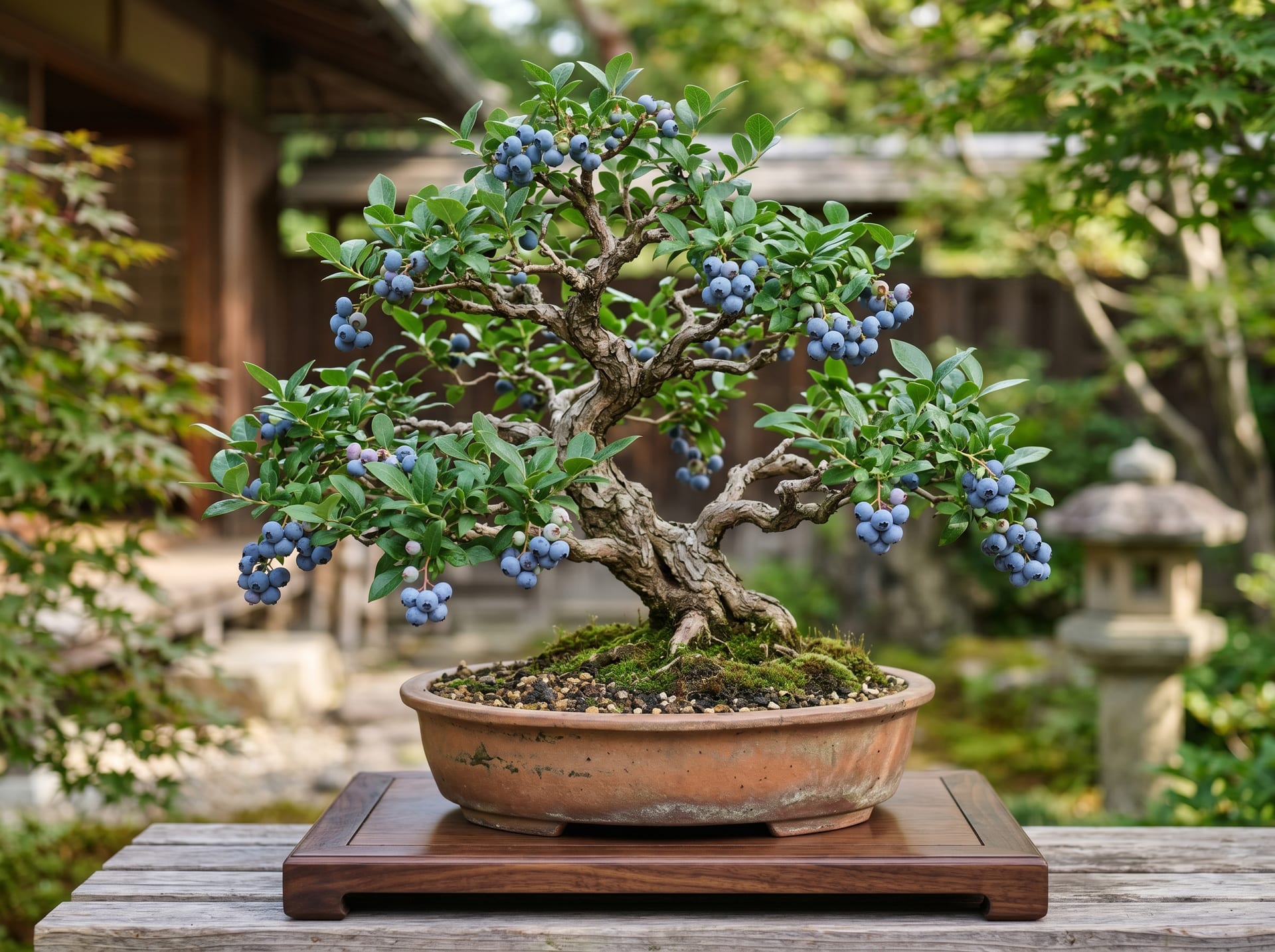
Blueberry Bonsai
Vaccinium corymbosum
Rising in popularity as a fruiting bonsai. Enjoy white spring flowers, summer fruits, and autumn colors through all seasons. Key point is managing in acidic soil.
 © Geographer ( talk ) / CC BY 3.0
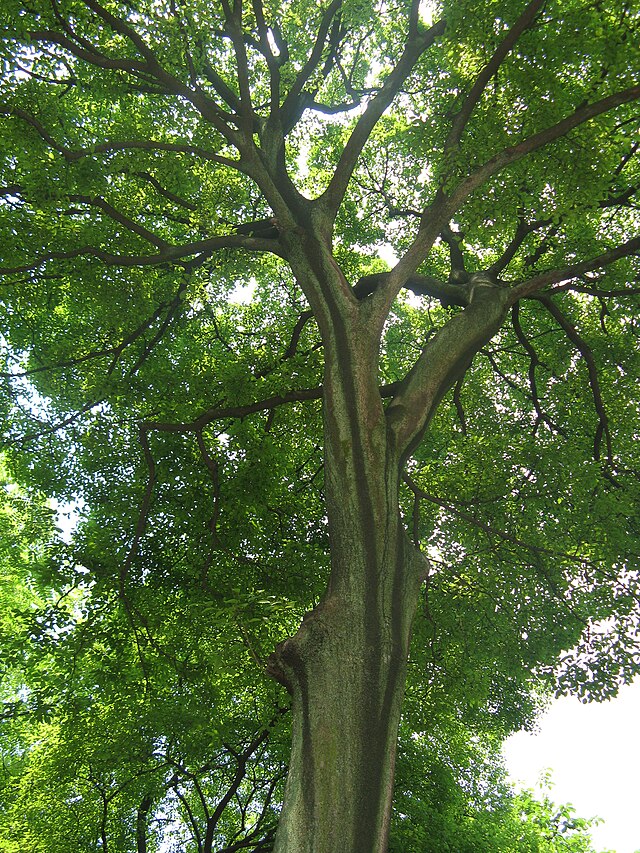
Chinese Hackberry
Celtis sinensis
Deciduous bonsai bearing small fruits in autumn. Smooth gray bark and natural form are appealing. Birds visiting for fruits add charm. Good root spread.
 © Krzysztof Ziarnek, Kenraiz / CC BY-SA 4.0
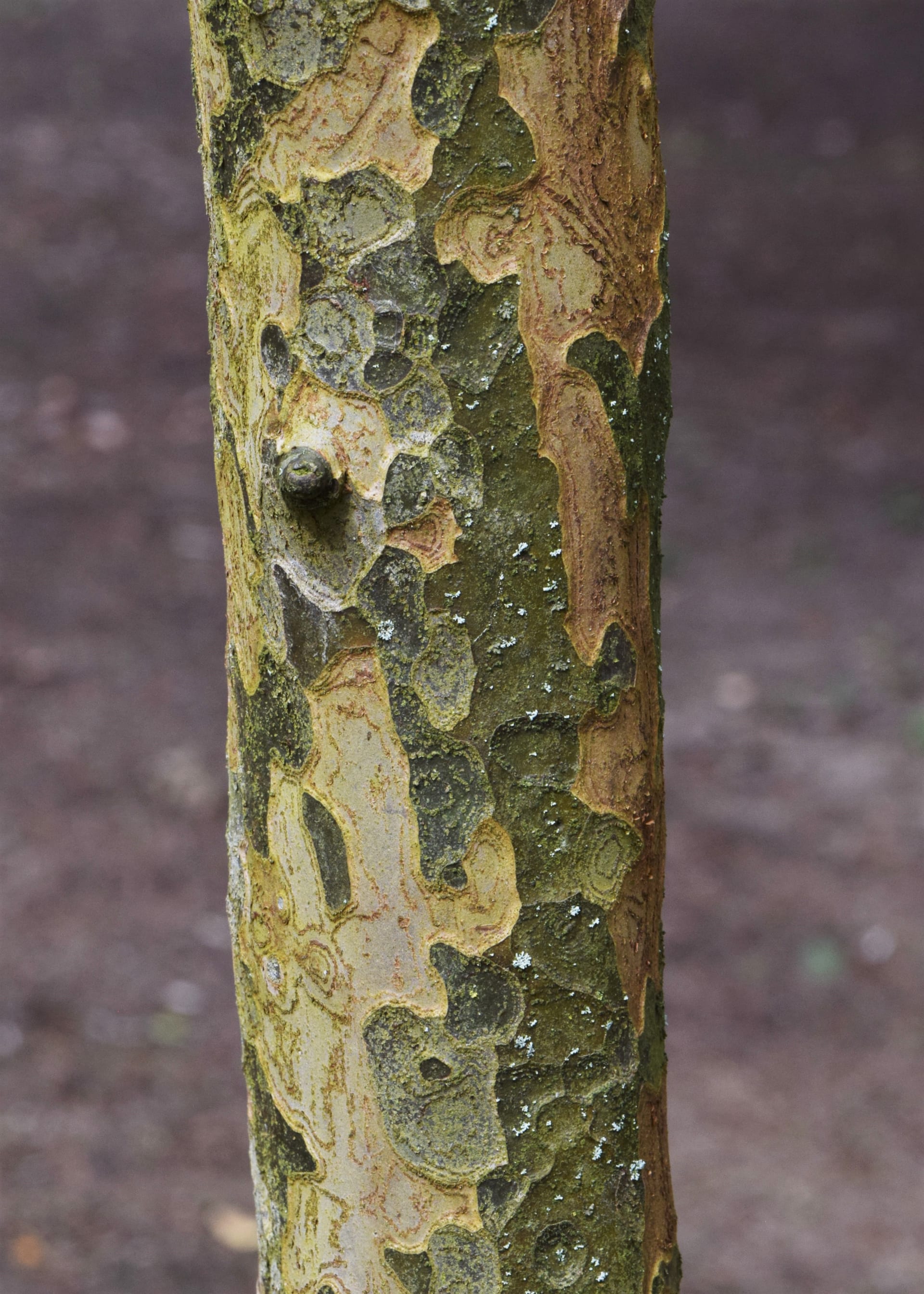
Chinese quince
Pseudocydonia sinensis
A deciduous rose-family tree from China whose bark flakes into a mottled greenish-brown pattern. Pale pink flowers in spring are followed by large yellow fruits 10–15 cm long; it has been called the king of fruiting bonsai.
 © Alpsdake / CC BY-SA 4.0
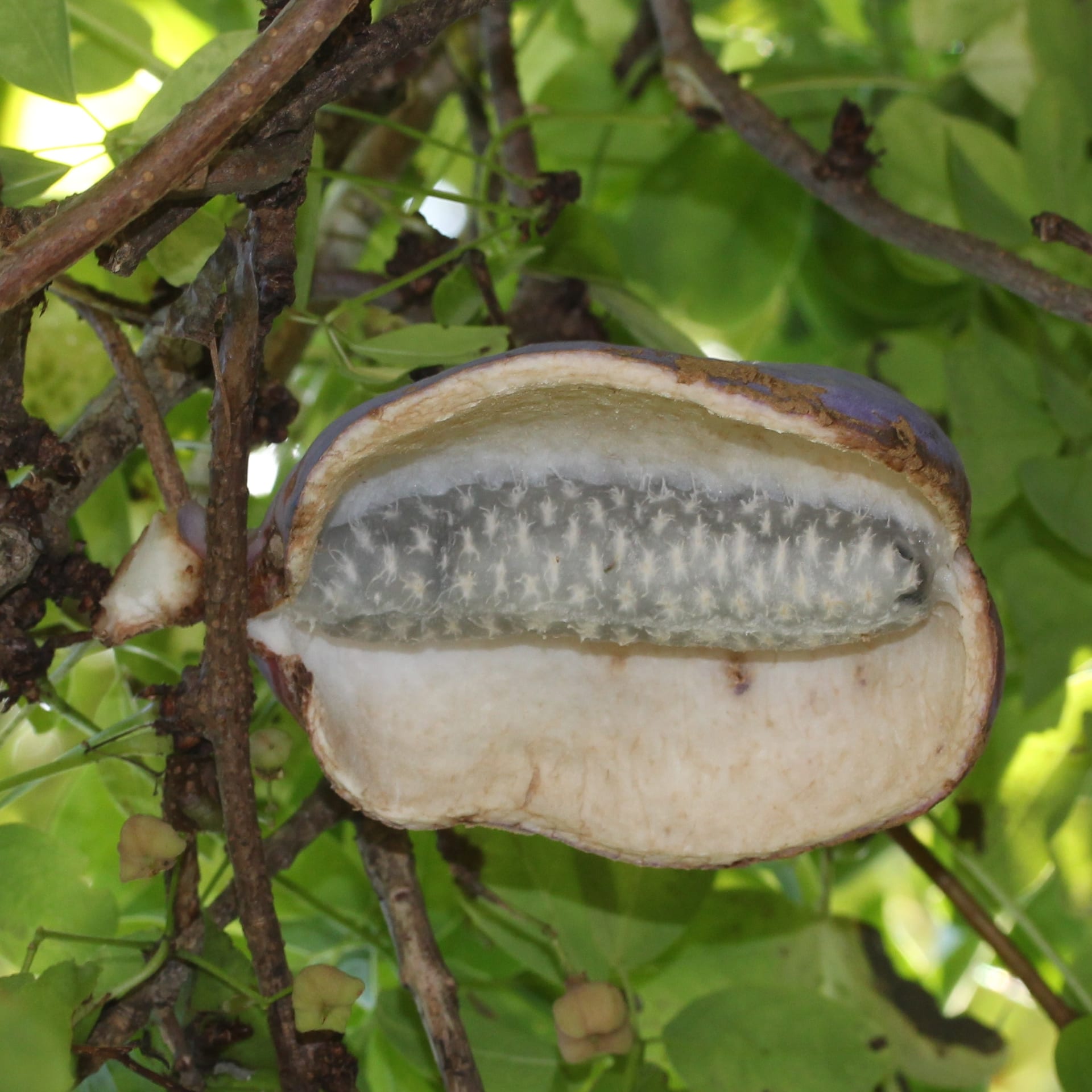
Chocolate vine
Akebia quinata
A deciduous climber with palmate leaves of five leaflets, pale purple flowers in spring and purple fruits 7–10 cm long in autumn that split lengthwise when ripe. It is self-incompatible, so fruit needs pollen from another plant.
 © MPF / CC BY-SA 4.0
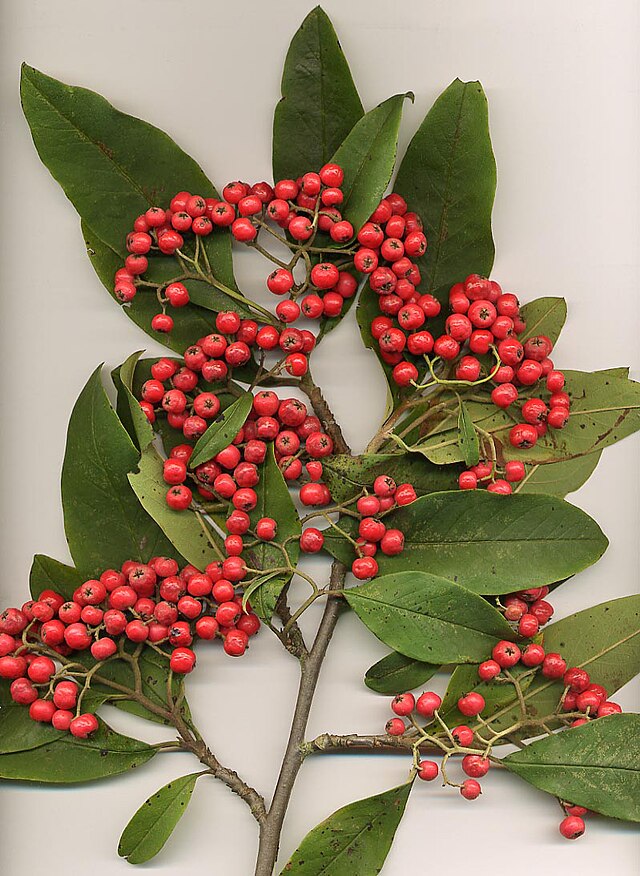
Cotoneaster
Cotoneaster horizontalis
Fruiting bonsai bearing masses of small red berries. Tiny leaves and fine branching create natural bonsai form. Beautiful contrast of autumn leaves and red berries.
 © Shuvaev / CC BY 4.0
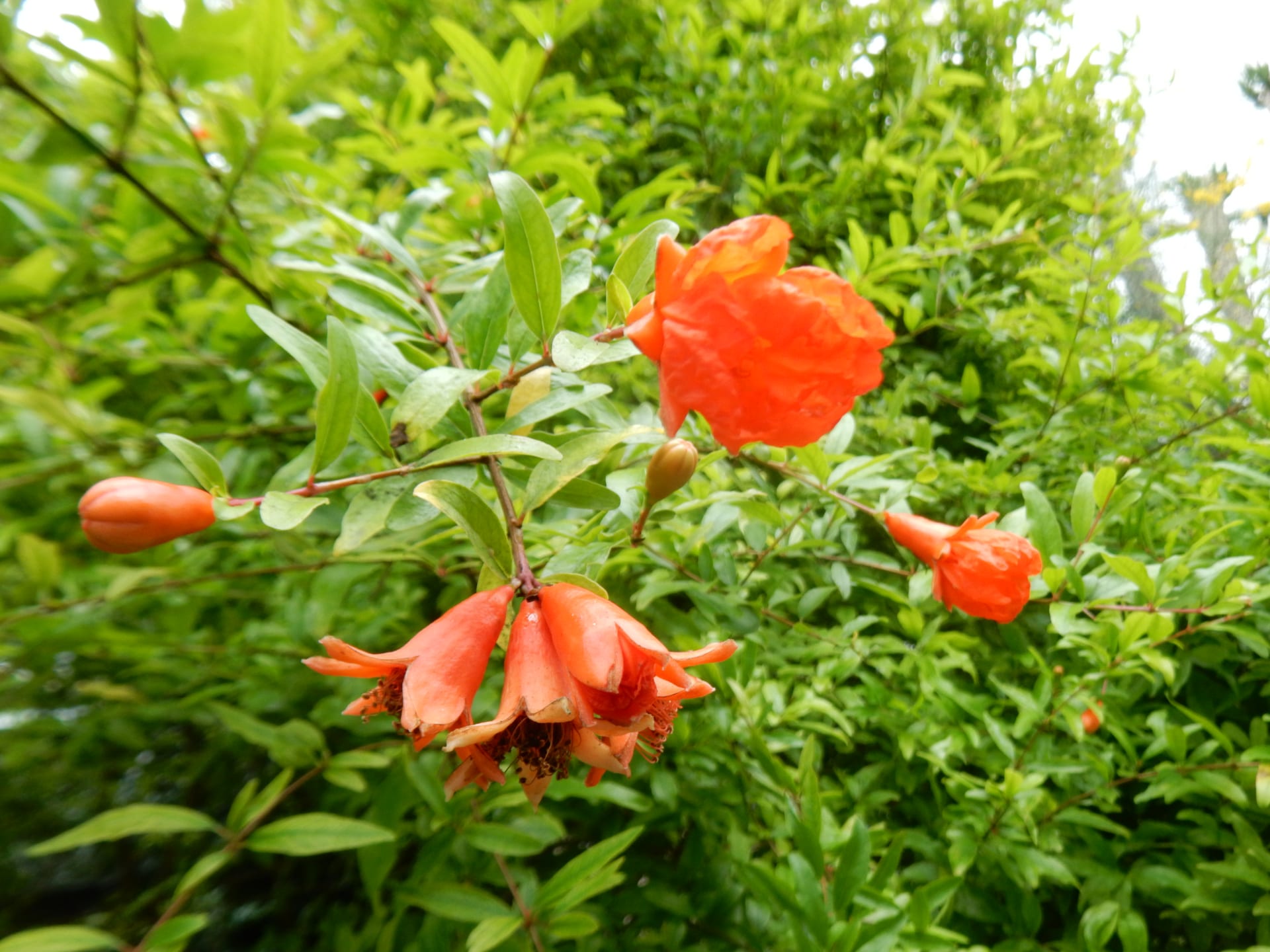
Dwarf pomegranate
Punica granatum 'Nana'
A dwarf pomegranate, shorter than the species with smaller flowers and fruit. In early summer it bears crinkled scarlet flowers, and in pots or mini bonsai offers both blooms and fruit. Also sold as 'issai-zakuro'.
 © Laitr Keiows / CC BY-SA 3.0
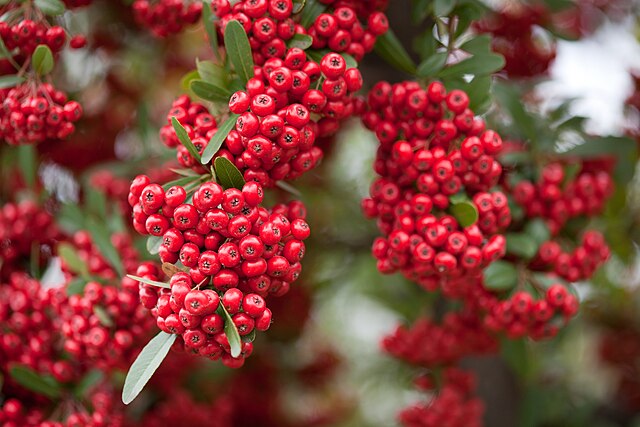
Firethorn
Pyracantha coccinea
Fruiting bonsai laden with vivid orange-red berries in autumn. Evergreen for year-round interest. Thorny but berry display is among the best of fruiting bonsai.
 © Bob Nichols, USDA ARS / Public domain
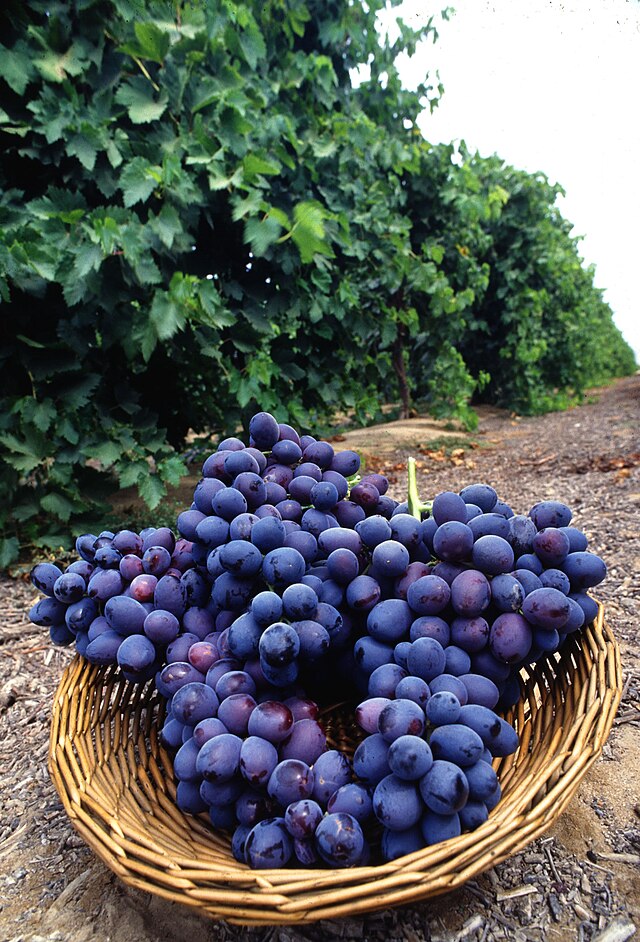
Grape Bonsai
Vitis
A highly artistic bonsai from vine fruit trees. Thick trunks and hanging fruit clusters full of charm. Wild grape and small-fruit varieties suit bonsai best.
 © Mason Brock (Masebrock) / Public domain
Hamilton's spindletree
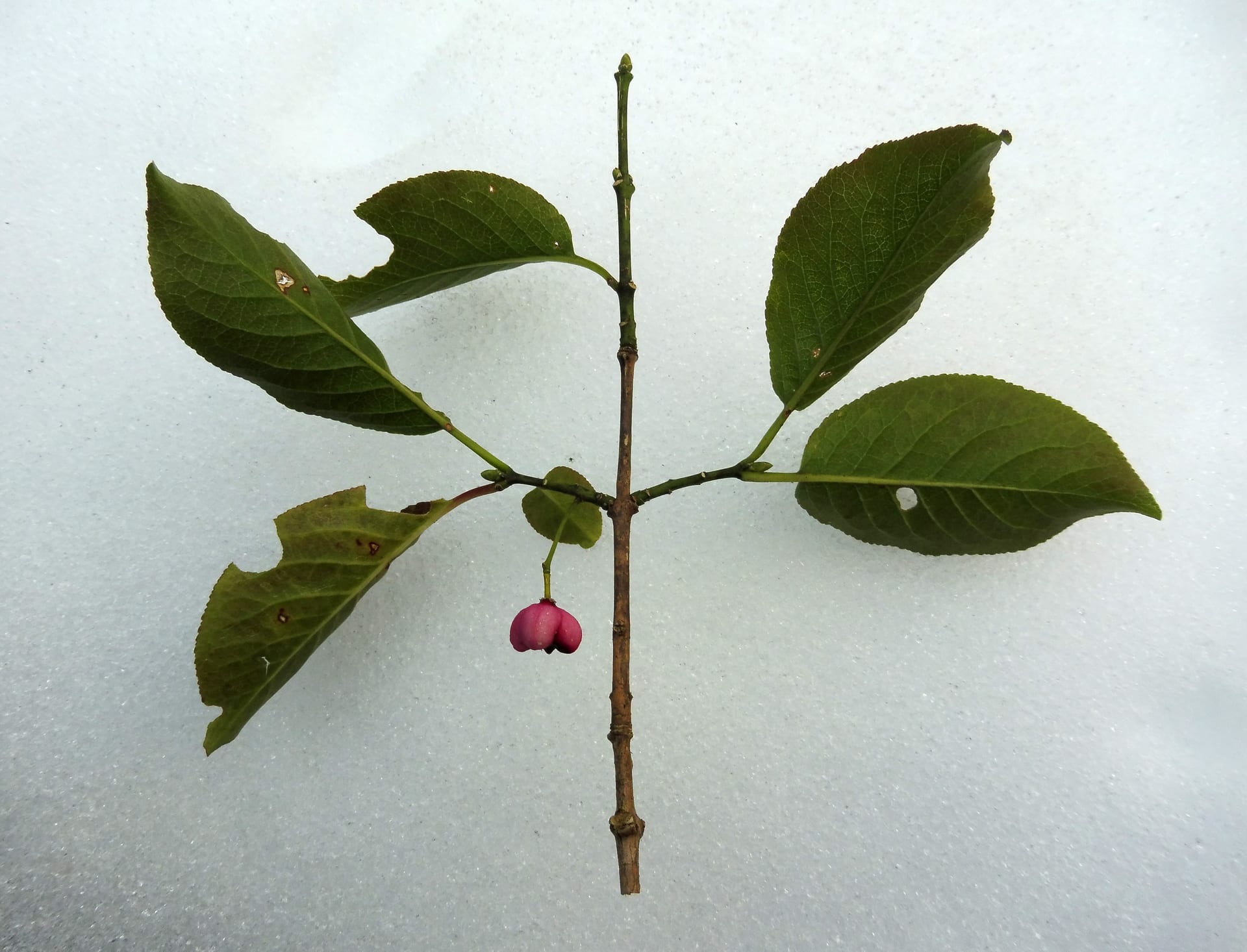
Euonymus hamiltonianus
A deciduous spindletree whose square, pale pink fruits hang in clusters in autumn and split into four to reveal red-coated seeds. Good autumn colour too. Male and female flowers are on separate plants, so a male tree ensures fruit.
 © David J. Stang / CC BY-SA 4.0
Hong Kong kumquat
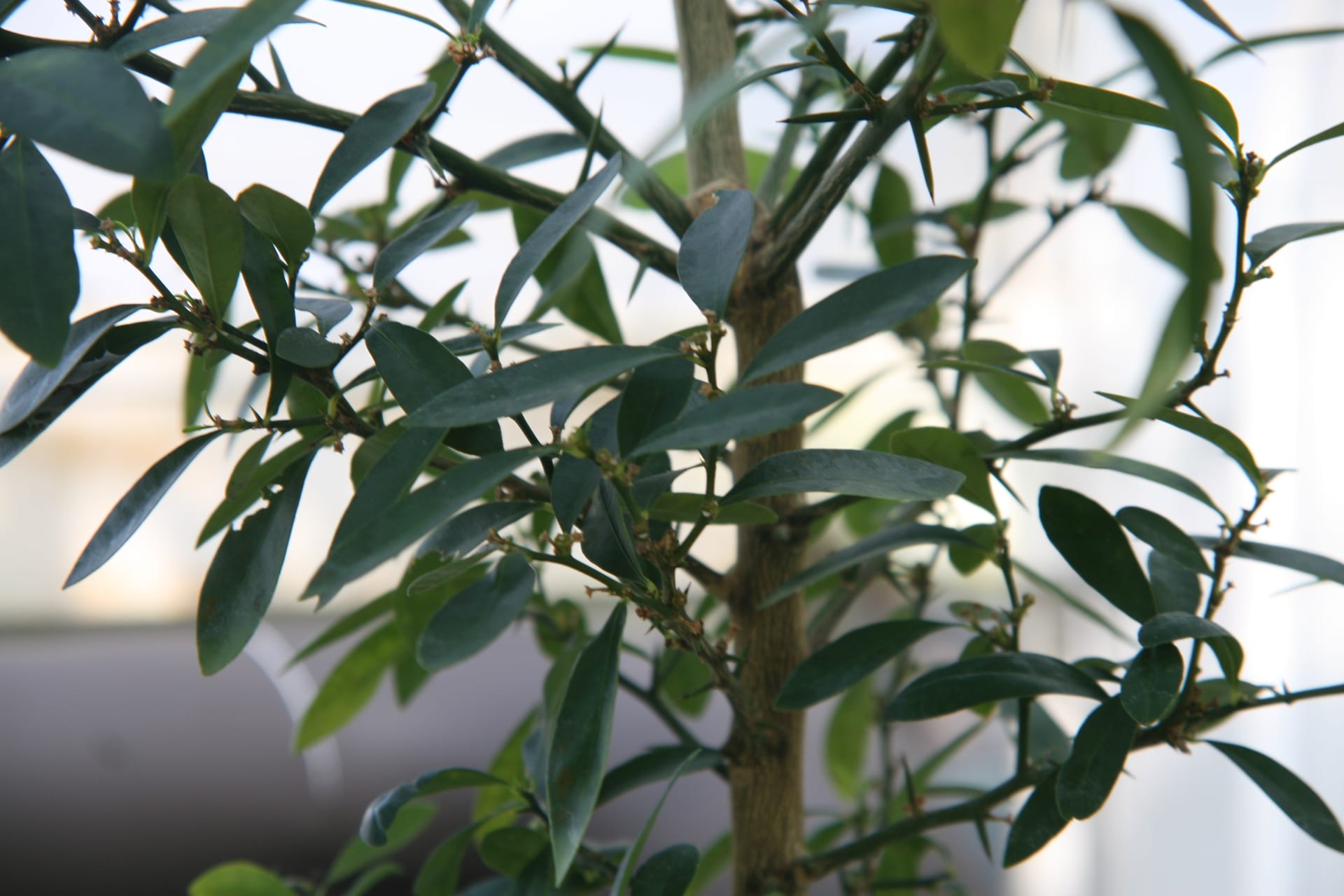
Fortunella hindsii
A tiny kumquat from southern China including Hong Kong, bearing orange fruits about 1 cm across along its branches. The fruit has almost no flesh and is not for eating, but through winter the plant looks like a miniature orange tree.
 © KENPEI / CC BY-SA 3.0
Japanese beautyberry
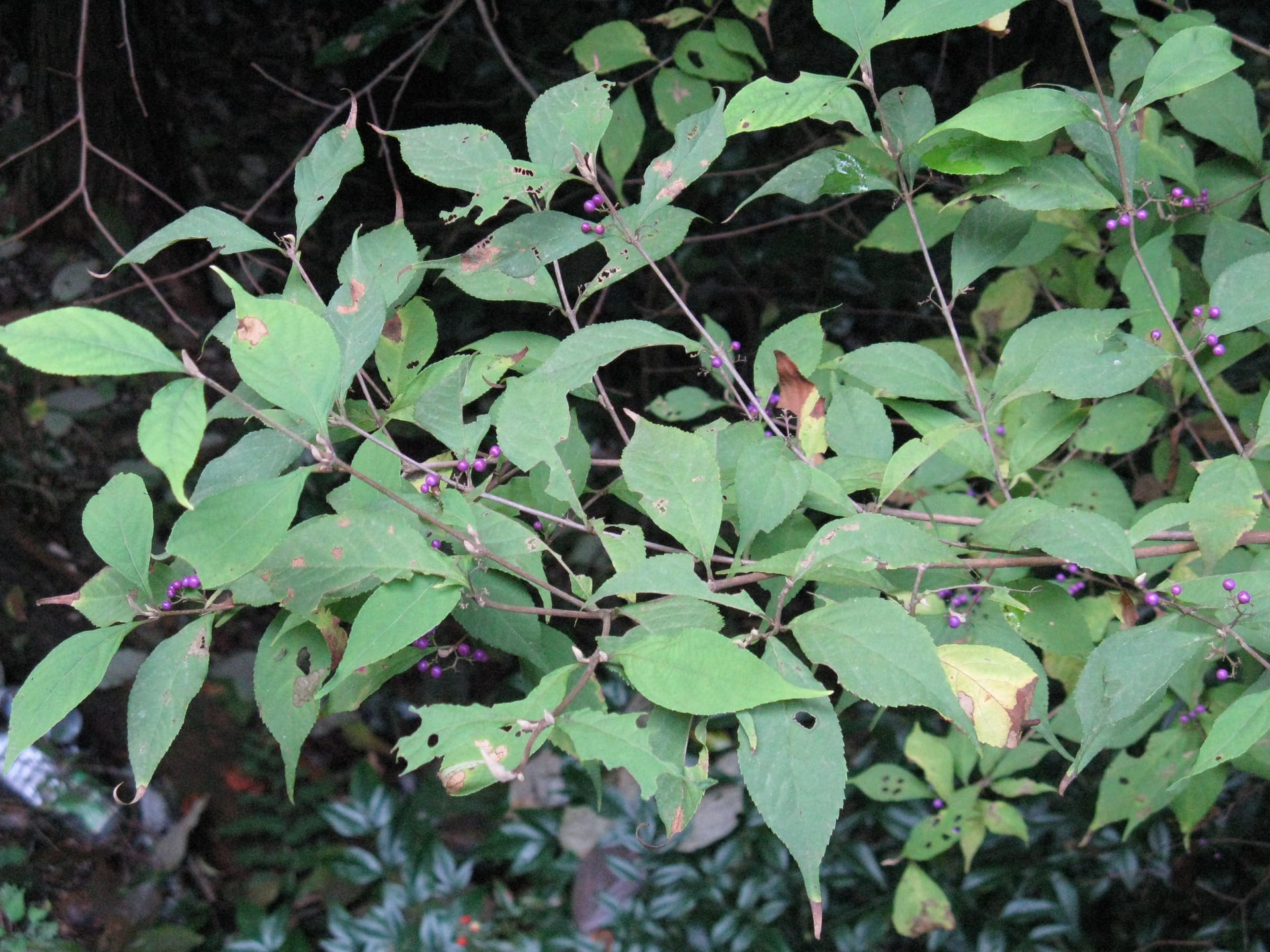
Callicarpa japonica
A deciduous shrub native across Japan bearing purple berries about 3 mm across in autumn, often persisting after leaf fall. Many plants sold as murasaki-shikibu are actually the closely related, denser-fruiting Callicarpa dichotoma.
 © Tomomarusan / CC BY 2.5
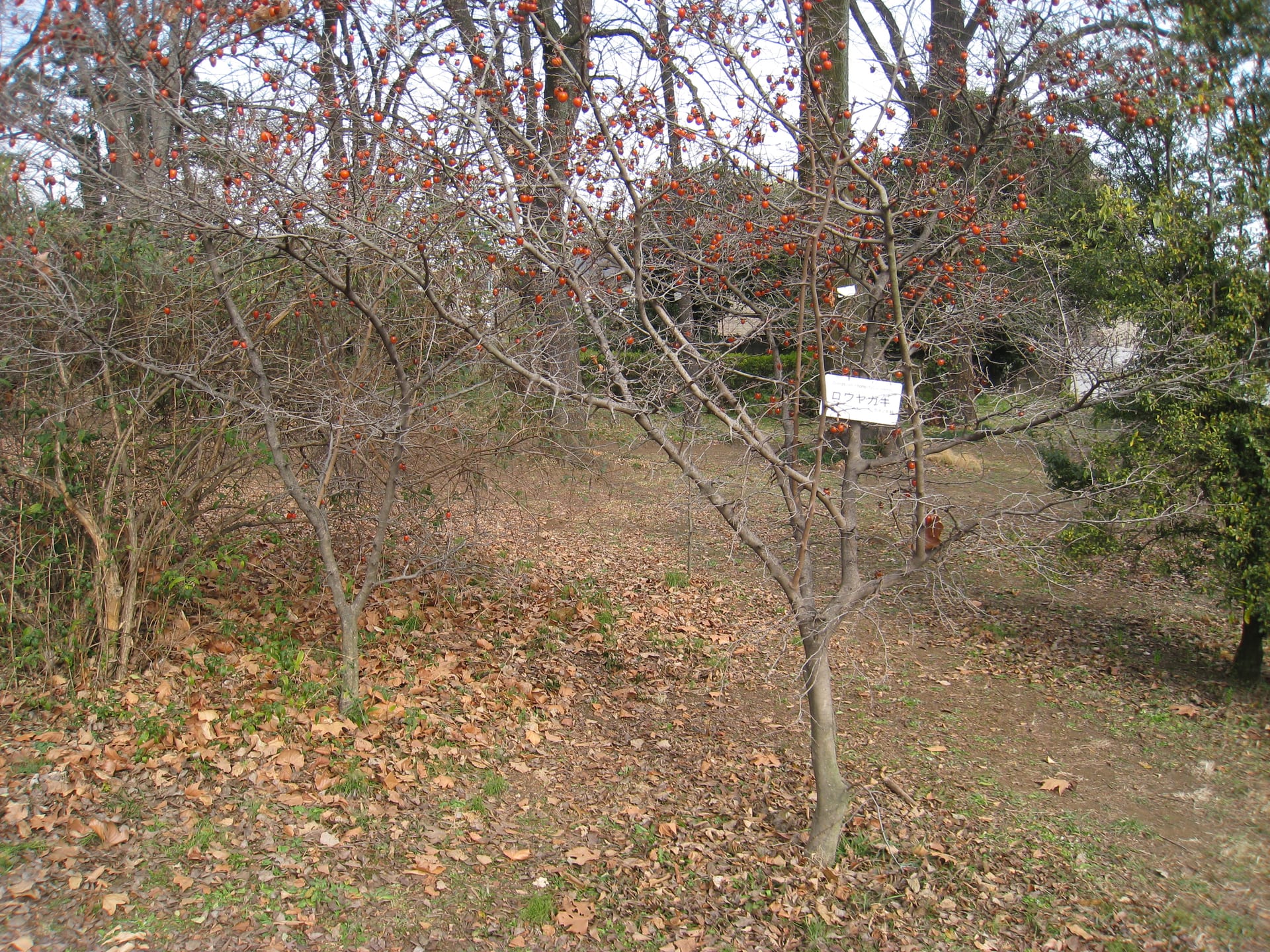
Japanese Persimmon
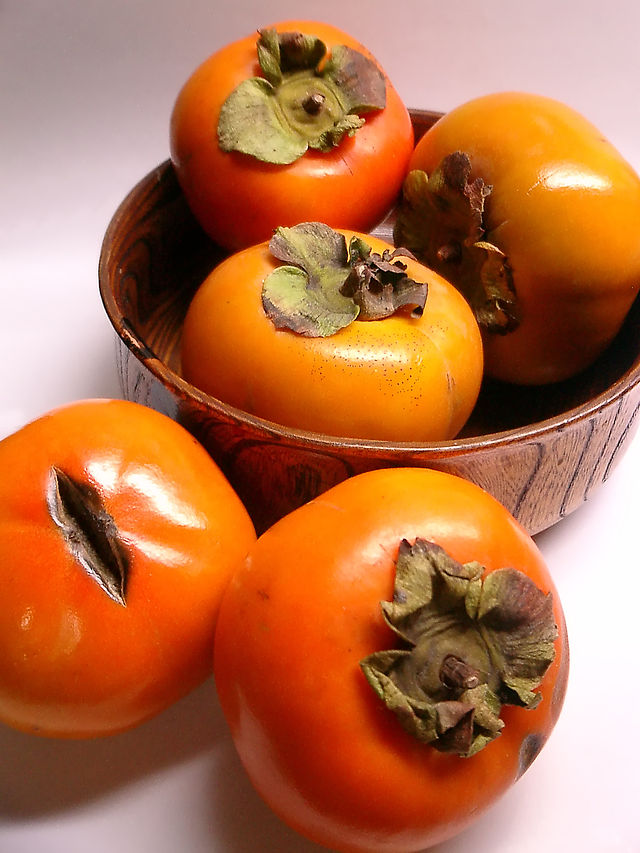
Diospyros kaki
Representative fruiting bonsai with beautiful autumn-colored fruits. Aged trees develop characterful cracked bark. Dwarf persimmon (Rouya-gaki) is especially popular.
 © Koichi Oda / CC BY 2.0
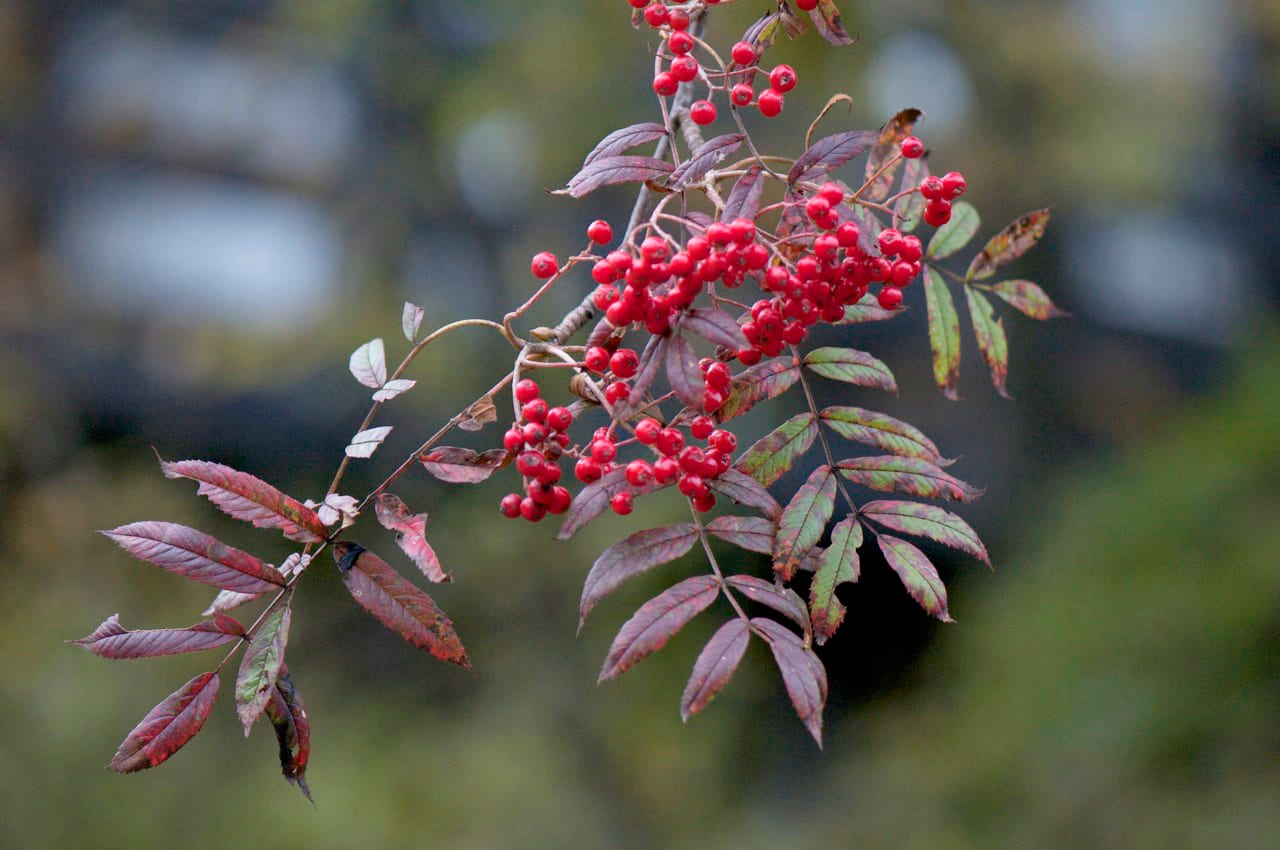
Japanese rowan
Sorbus commixta
A deciduous rose-family tree whose pinnate leaves turn scarlet in autumn, with clusters of red berries that stay on after leaf fall. Flat heads of small white flowers appear in early summer. It prefers cool climates and is hard to keep long in warm lowlands.
 © KENPEI / CC BY-SA 3.0
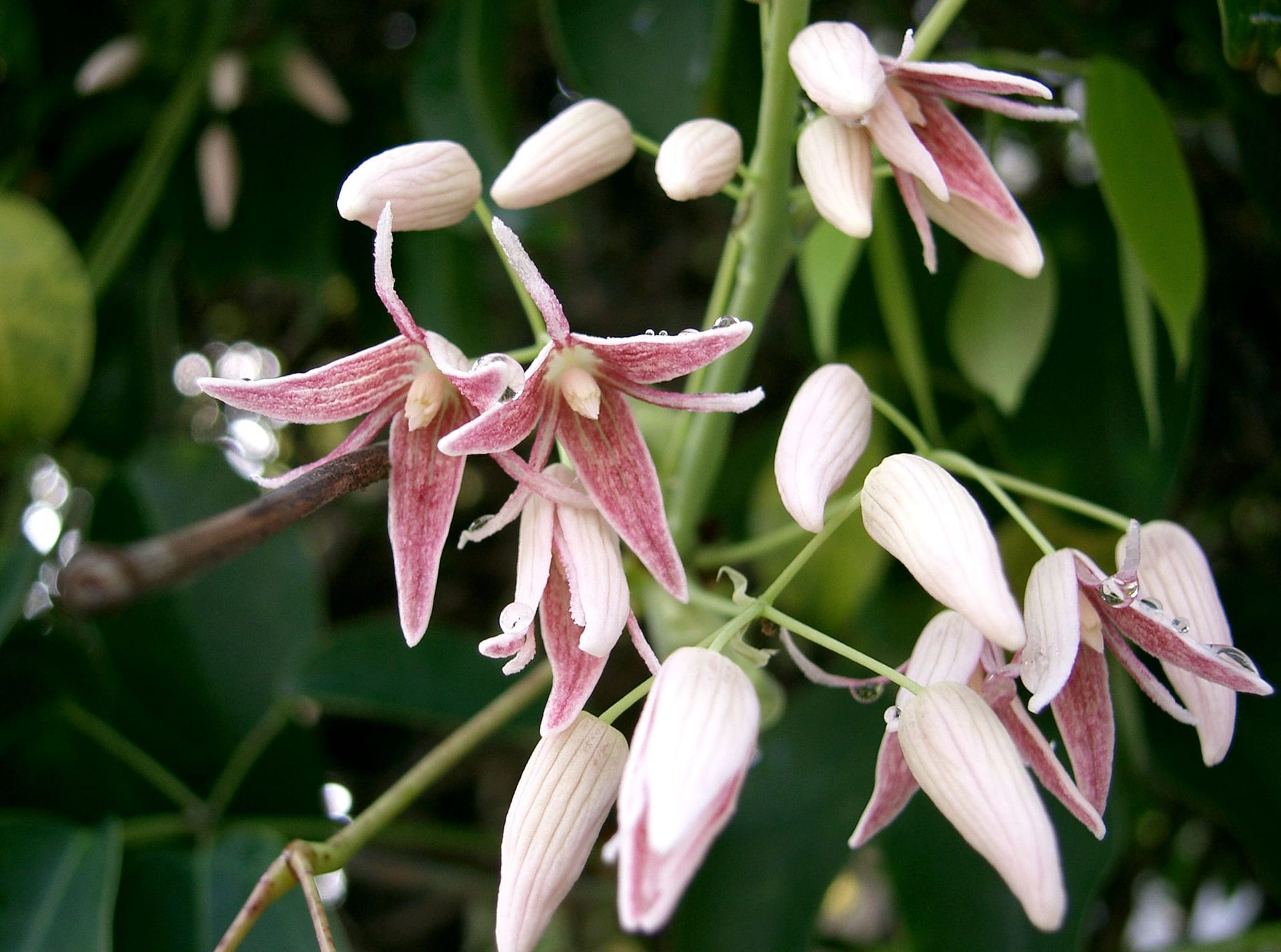
Japanese staunton vine
Stauntonia hexaphylla
An evergreen relative of akebi, also called tokiwa-akebi ('evergreen akebi'). In spring it bears flowers with white sepals marked red-purple inside, and in autumn purple fruits 5–8 cm long that, unlike akebi, rarely split open.
Japanese Winterberry
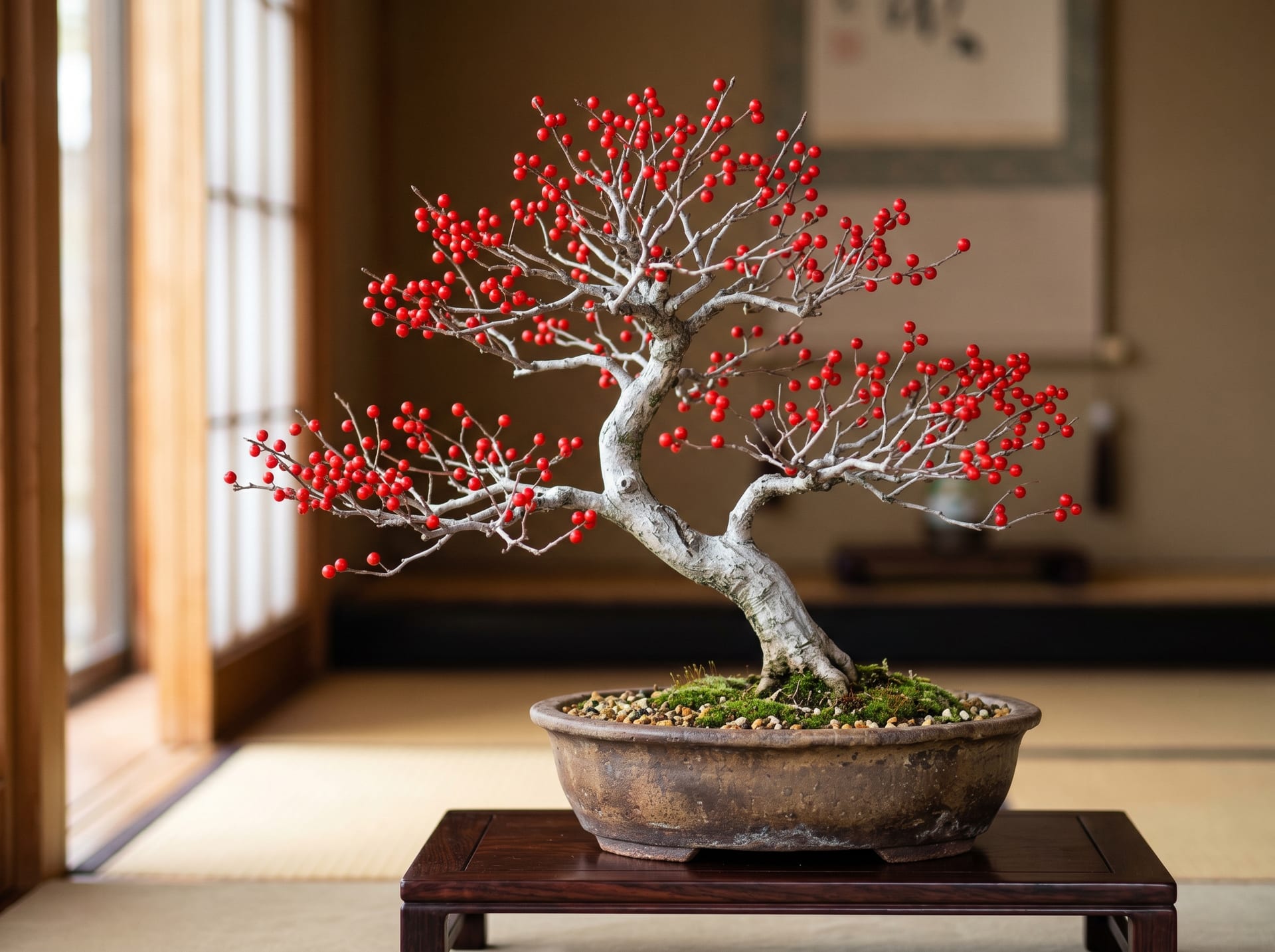
Ilex serrata
Fruiting bonsai with red berries autumn through winter. Berries persist on bare branches, adding color to winter scenery. Holly family despite ume in the name.
 © KENPEI / CC BY-SA 3.0
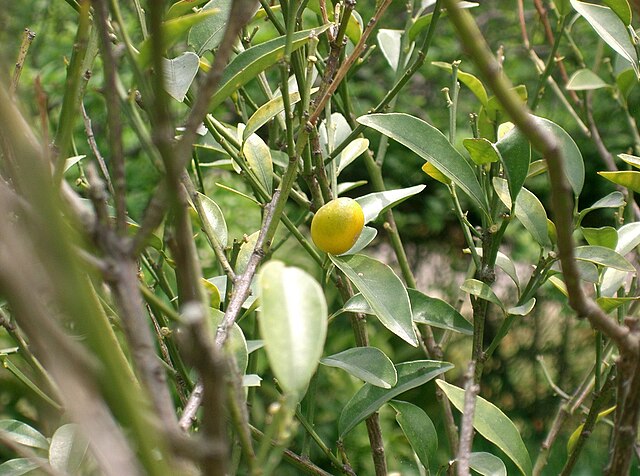
Kumquat Bonsai
Citrus japonica
Charming citrus bonsai with clusters of small orange fruits. Fruits are edible whole. Relatively cold-hardy and easy to grow among citrus varieties.
 © Plant Image Library / CC BY-SA 2.0
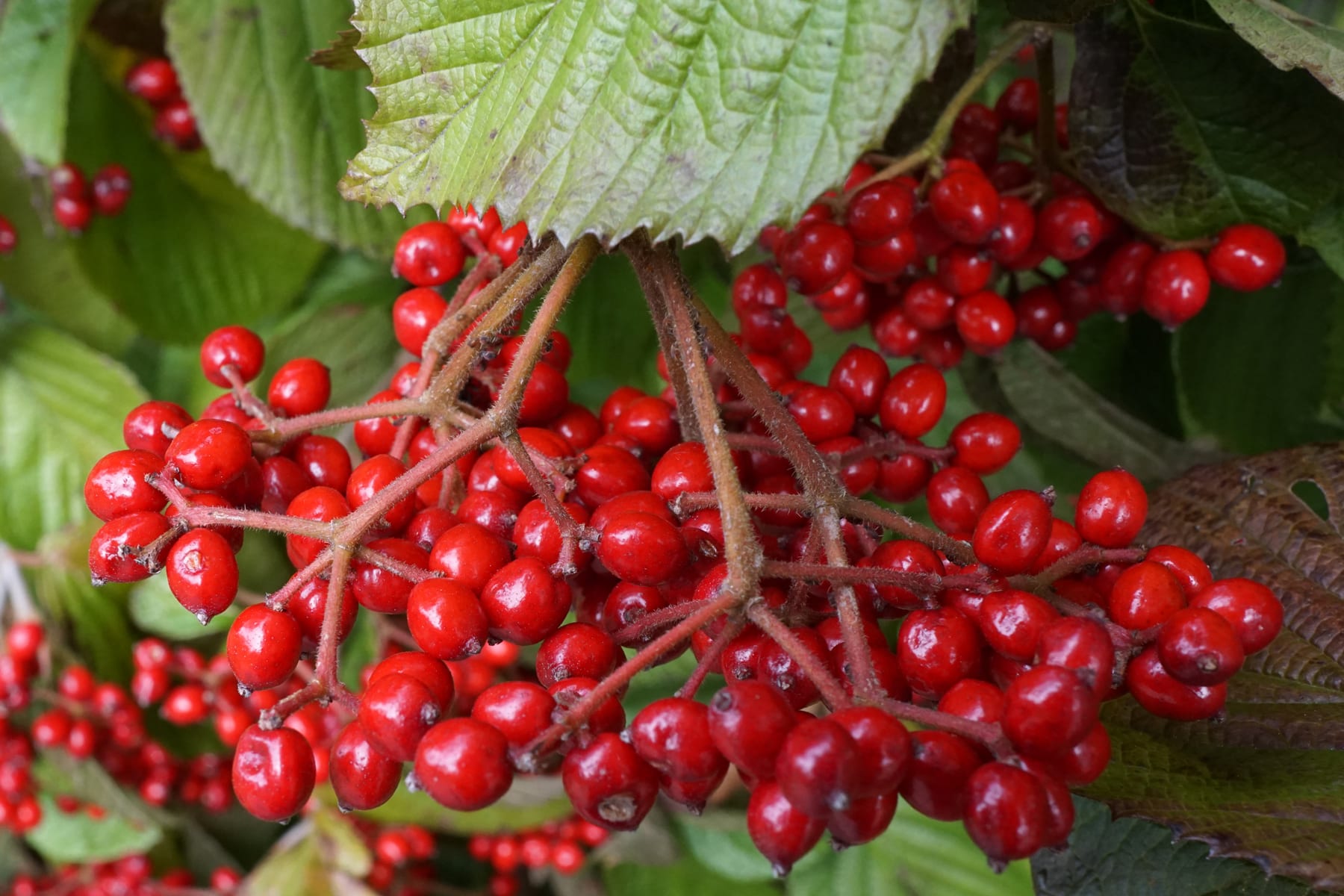
Linden viburnum
Viburnum dilatatum
A deciduous shrub typical of Japanese coppice woods, bearing flat clusters of small white flowers in early summer and bunches of red berries about 6 mm across in autumn. In bonsai, small-leaved forms such as 'Kinkazan' are favoured.
 © Alex Abair / CC BY 4.0
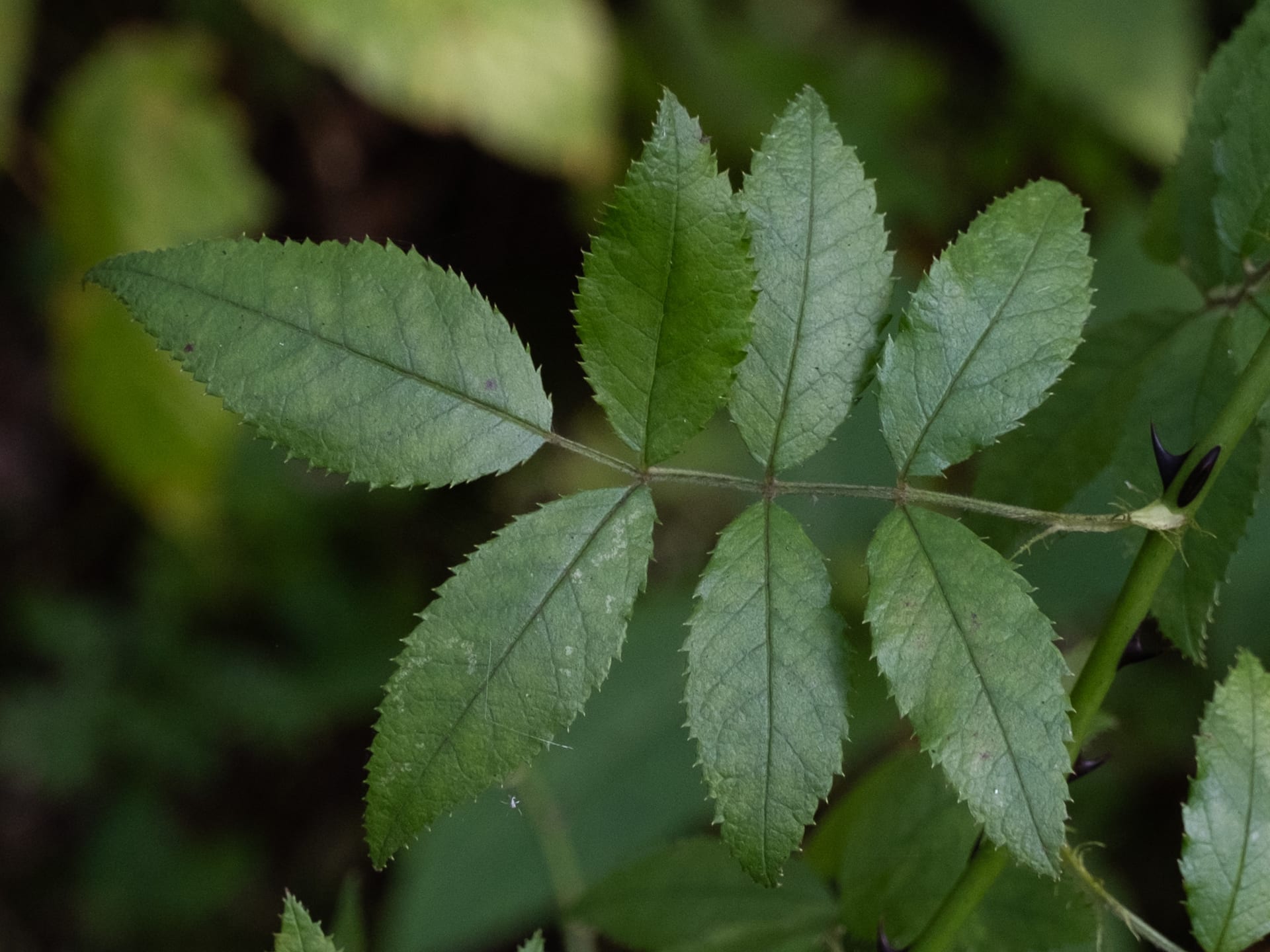
Multiflora rose
Rosa multiflora
Japan's typical wild rose, bearing sprays of small, strongly scented white flowers in early summer and red hips in autumn. One of the key species behind the world's garden roses, it is grown as bonsai for both flowers and hips.
 © Sten Porse / CC BY-SA 3.0
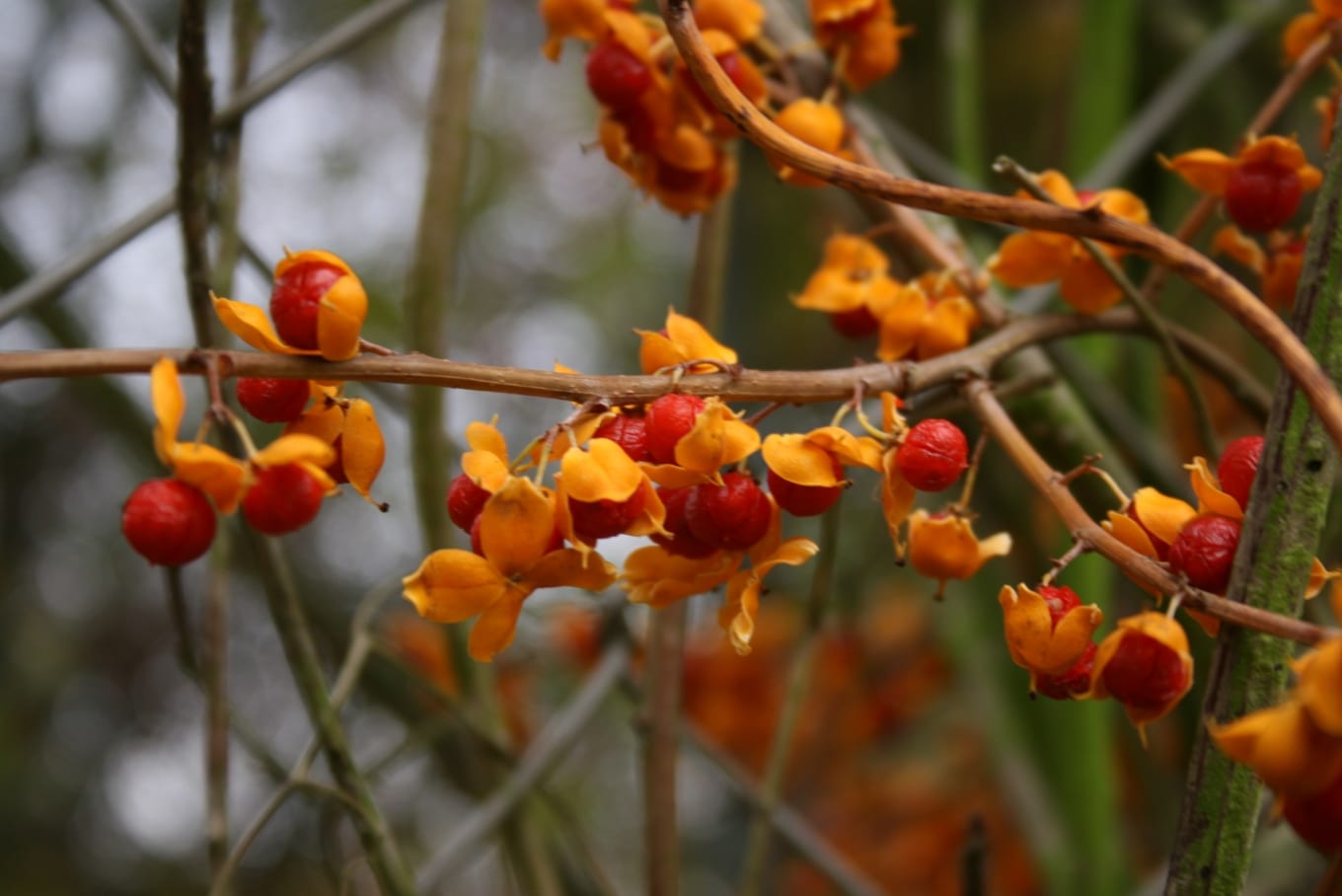
Oriental bittersweet
Celastrus orbiculatus
A deciduous climber of the spindle family whose yellow autumn fruits split in three to reveal orange-coated seeds, lasting from autumn into winter. Male and female plants are separate, so fruit needs a female plus a male pollinator.
 © Daderot / Public domain
Rhombic-leaf persimmon
Diospyros rhombifolia
A small Chinese persimmon with rounded, diamond-shaped leaves and small, pointed orange fruits—a classic fruiting bonsai. The species is dioecious, so fruit set needs pollen from a male tree.
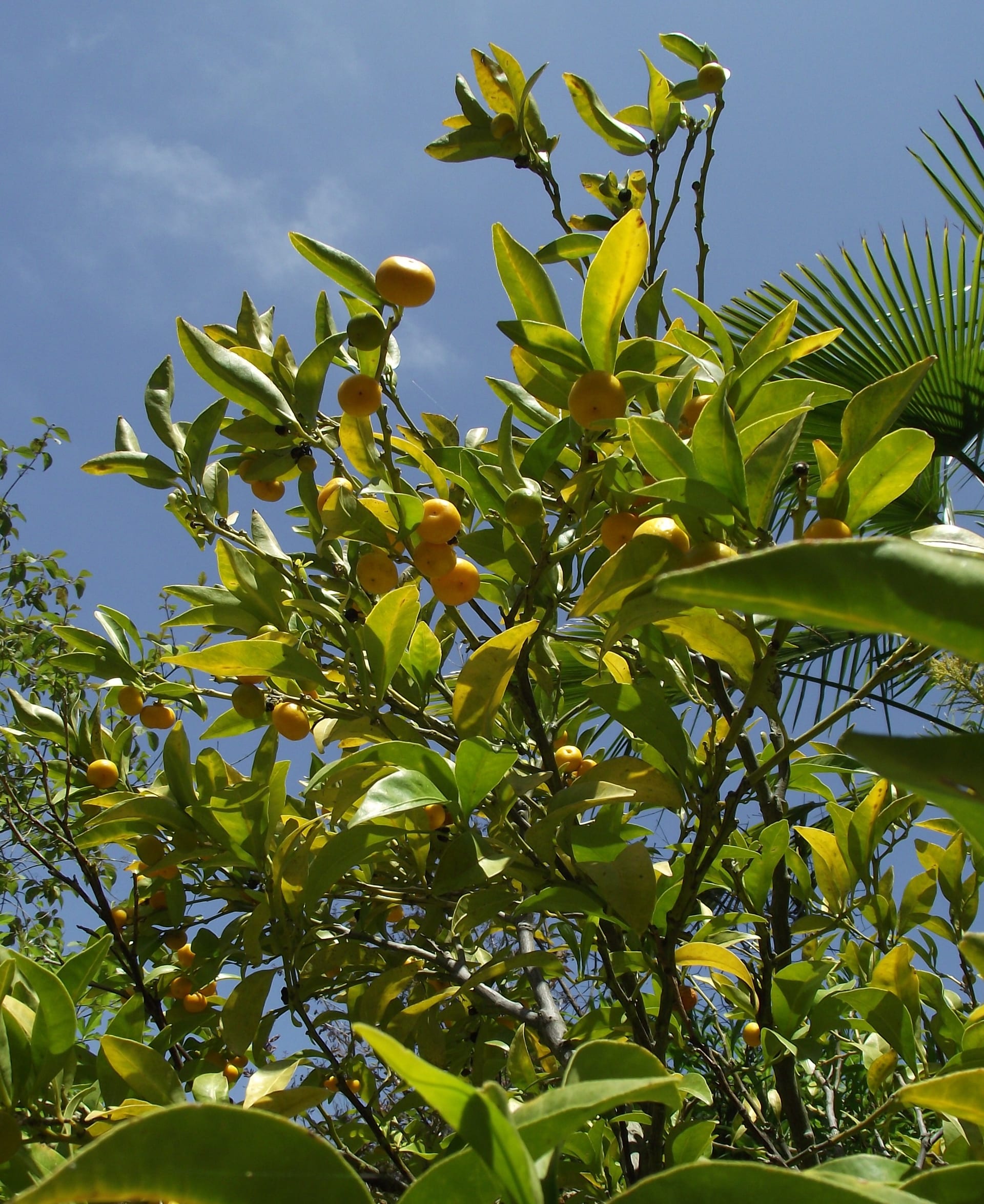 © Stickpen / CC0
Tachibana orange
Citrus × tachibana
Japan's wild native citrus, an evergreen bearing fragrant white flowers in early summer and flattened yellow fruits 2.5–3 cm across in winter. Famous as the 'Ukon no tachibana' at the Kyoto Imperial Palace; wild plants are nationally Near Threatened.
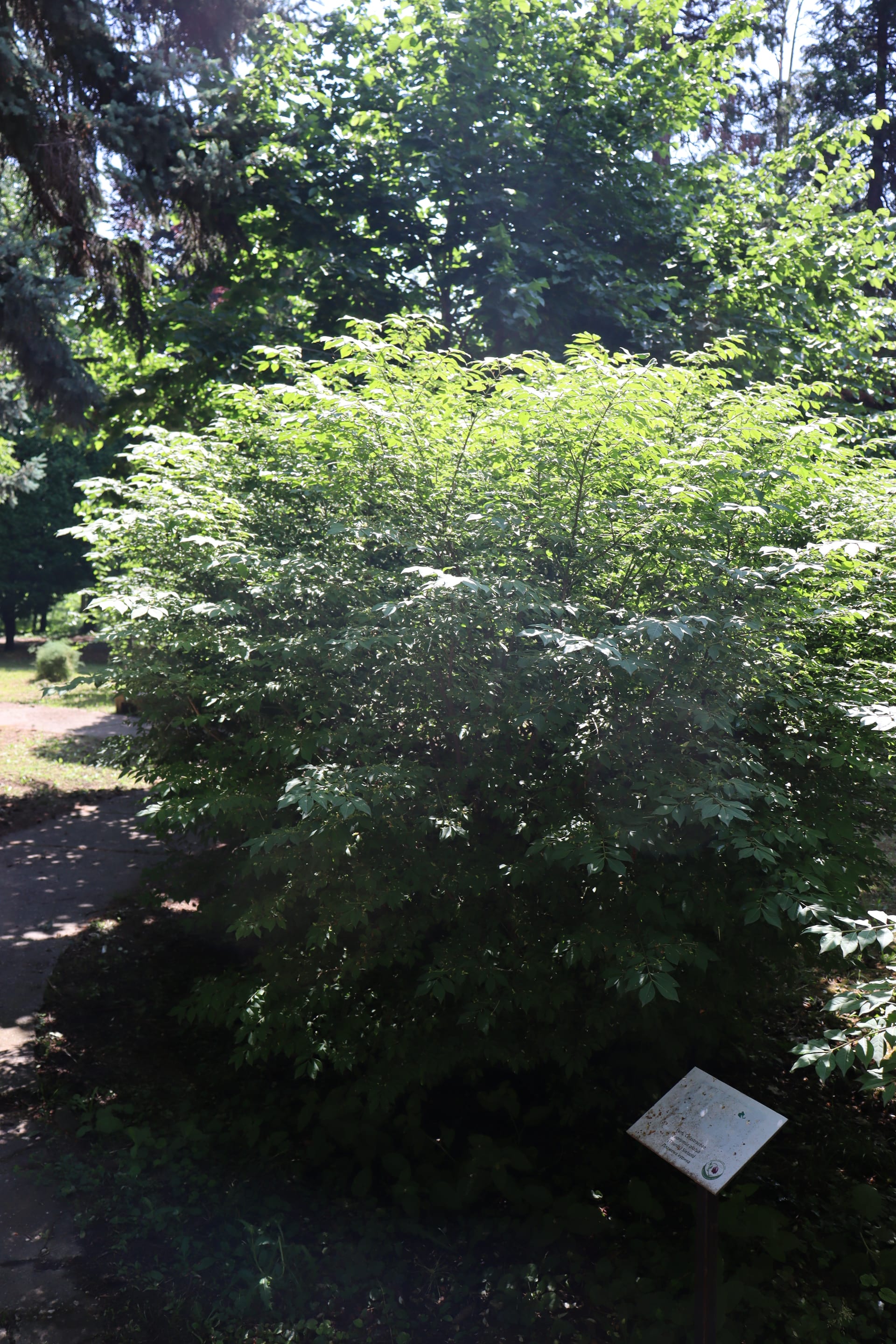 © Dandarmkd / CC BY-SA 4.0
Winged spindle
Euonymus alatus
A deciduous shrub counted among the world's three great autumn-colour trees, turning brilliant red. Corky wings along the stems are distinctive, and red-coated seeds appear in autumn. A single plant sets fruit.
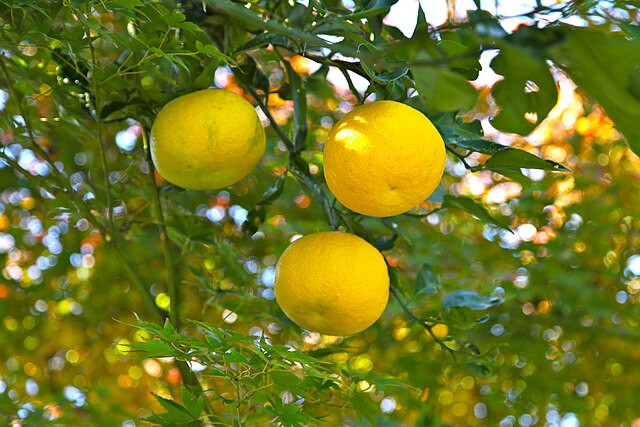 © Nikita from Russian Federation / CC BY 2.0
Yuzu Bonsai
Citrus junos
Indispensable citrus in Japanese cuisine. Takes long from seed but grafted stock fruits in a few years. Fragrant flowers and yellow fruits are enjoyable.
Related Content
Bonsai FAQ
- How much do bonsai cost?
- Mini bonsai cost 1,000-5,000 yen, medium bonsai 5,000-50,000 yen, and masterpiece-class large bonsai hundreds of thousands to millions of yen depending on age, size, and form.
- Can beginners start bonsai?
- Starting with small Japanese maple, Shimpaku juniper, or Japanese white pine is recommended. With basic watering and 1-2 annual prunings, beginners can fully enjoy bonsai.
- How long do bonsai live?
- With proper care, bonsai can live for hundreds of years. Japan has many bonsai several centuries old, valued as art pieces passed down across generations.
- What should I check when buying bonsai?
- Look at root spread, trunk movement, and branch balance. Beginners may enjoy starting with affordable raw material trees and shaping them, rather than finished specimens.
- What's most important for bonsai care?
- Daily watering is the most important task. Water thoroughly when the soil surface dries, twice daily in summer (morning and evening). Keep outdoors in a spot with good airflow and sunlight.