Bonsai Encyclopedia
Encyclopedia of popular bonsai species with care guides, traits, and styling tips.
Featured Bonsai
Showing 21 of 137 species
 © Joi / CC BY 3.0
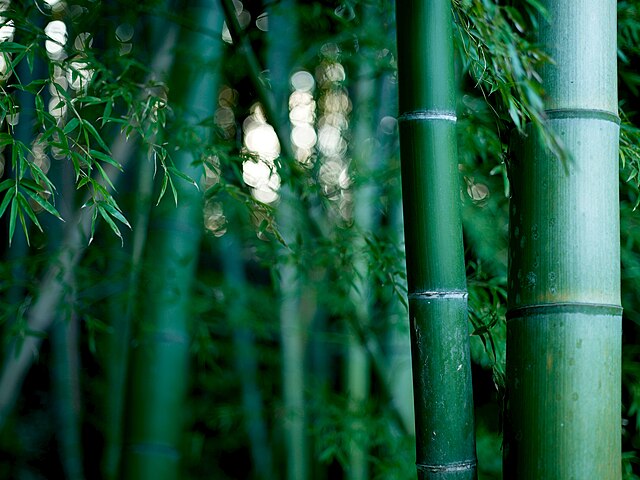
Bamboo Bonsai
Bonsai of bamboo essential to Japanese gardens. Small varieties like dwarf bamboo are suitable. Cool rustling leaves and clustered thin culms create refreshing atmosphere.
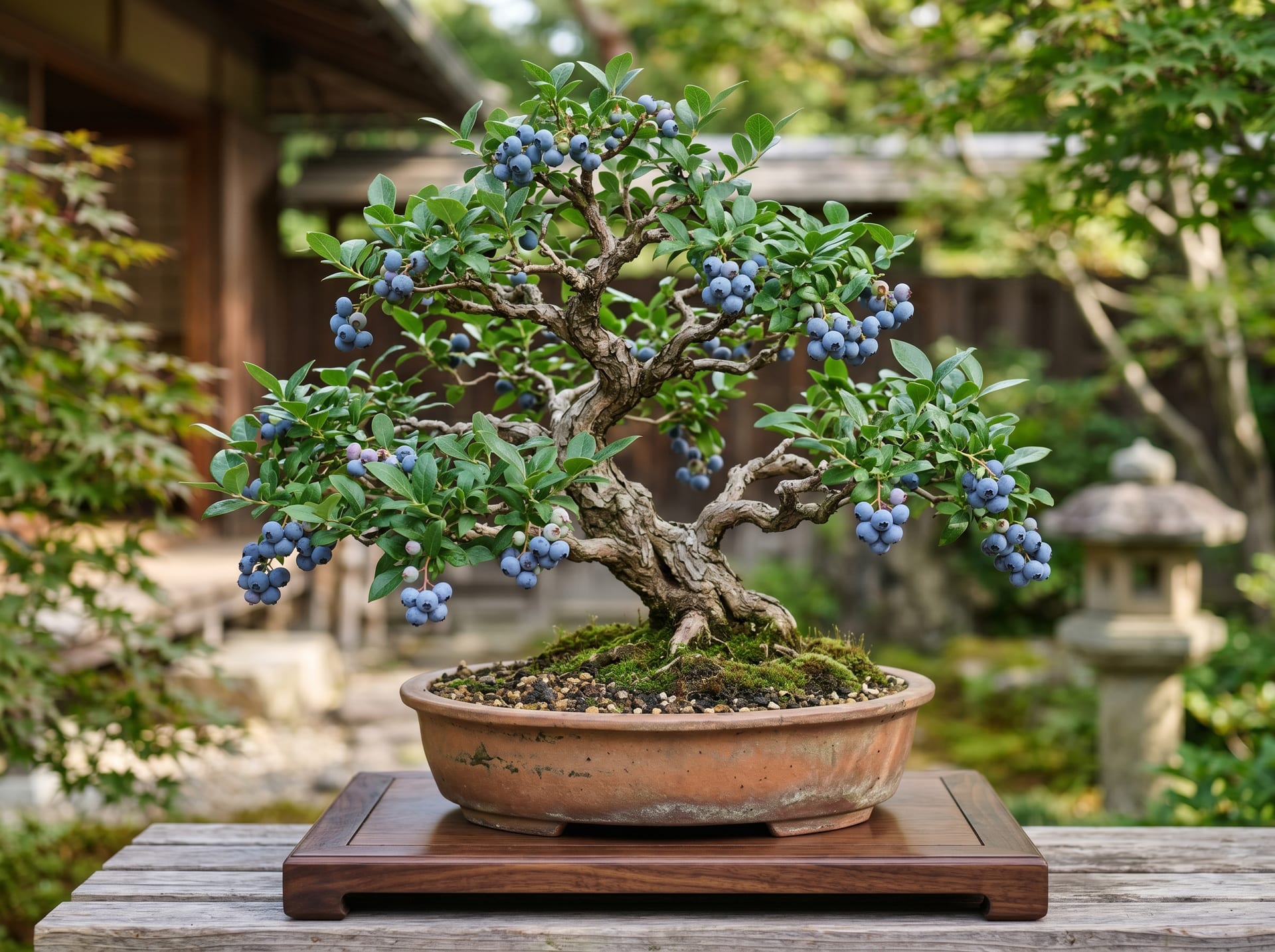
Blueberry Bonsai
Vaccinium corymbosum
Rising in popularity as a fruiting bonsai. Enjoy white spring flowers, summer fruits, and autumn colors through all seasons. Key point is managing in acidic soil.
 © H. Zell / CC BY-SA 3.0
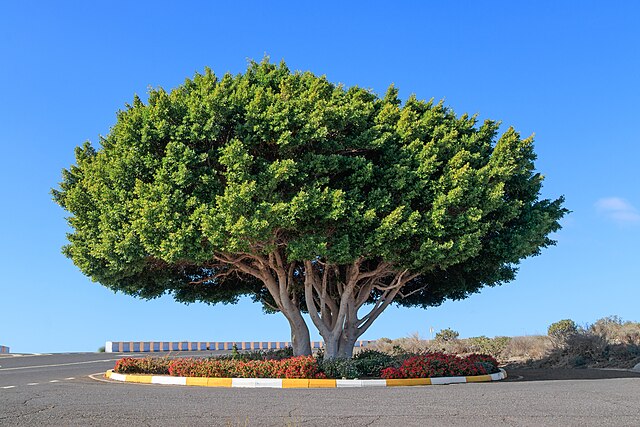
Chinese Banyan
Ficus microcarpa
Southeast Asian evergreen. Aerial roots develop to cover the trunk, creating a uniquely vital appearance. Easy to grow indoors, ideal for beginners' indoor bonsai.
 © Francisco Manuel Blanco (O.S.A.) / Public domain
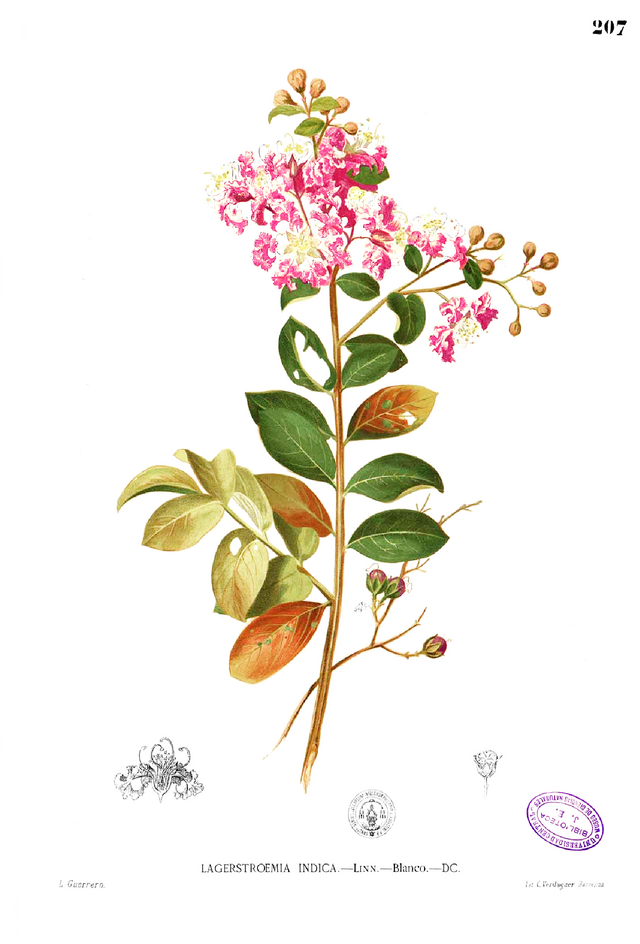
Crape Myrtle
Lagerstroemia indica
Flowering bonsai blooming pink or white from summer to autumn. Smooth bark and twisted trunk create unique character. Named for bark so smooth even monkeys slip.
 © Trew, C.J / Public domain
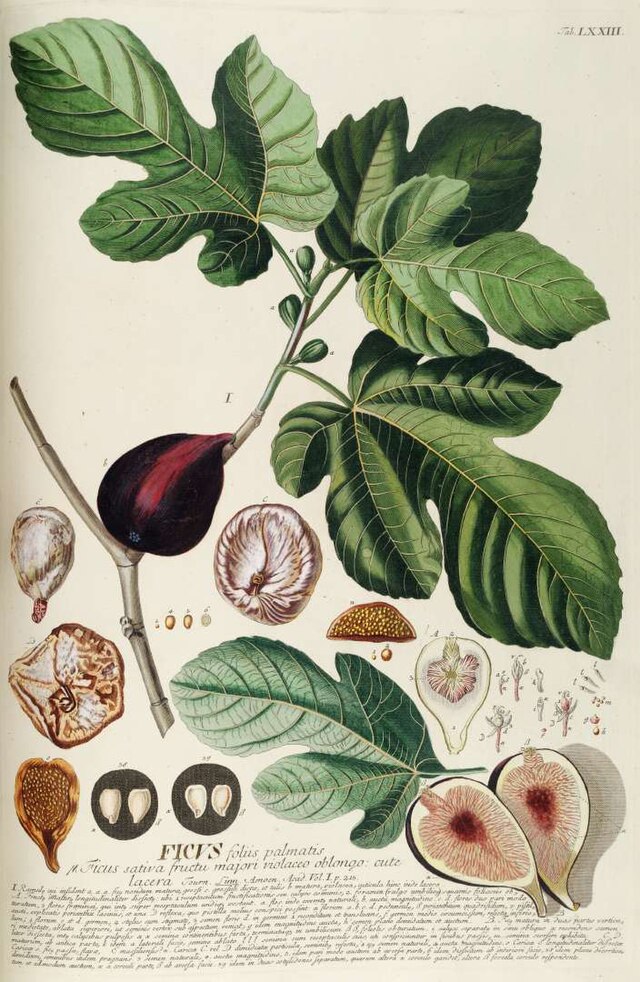
Fig
Ficus carica
Deciduous tree with distinctive large leaves and smooth white trunk. Root spread and trunk thickness are bonsai highlights. Easy to propagate from cuttings. For warm climates.
 © EecherplazGinkgo06.jpg : Cayambe derivative work: Ginkgotree ( talk ) / CC BY-SA 3.0
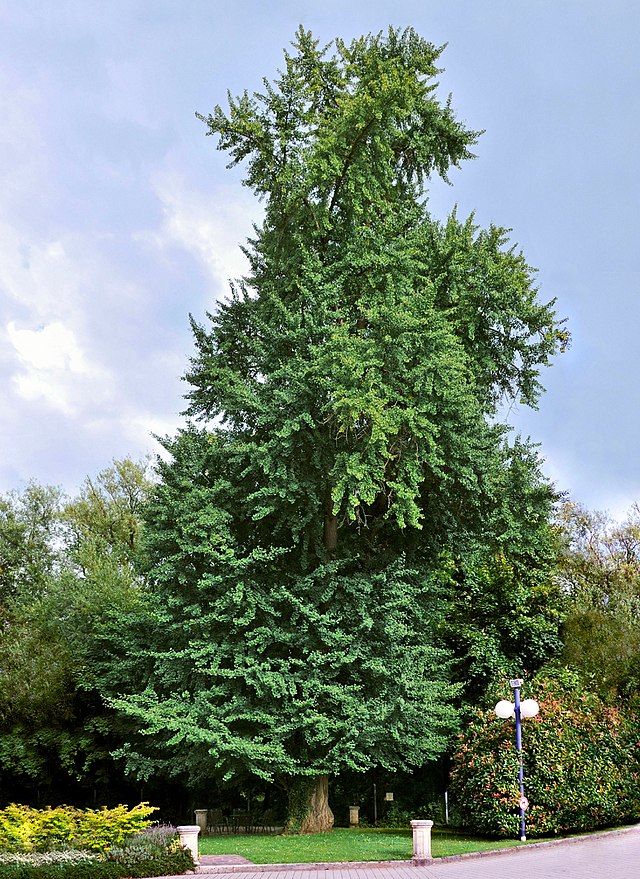
Ginkgo
Ginkgo biloba
An ancient tree called a living fossil. Fan-shaped leaves and vivid yellow autumn color are spectacular. Unique aerial roots (chichi) add interest. Hardy and beginner-friendly.
 © KENPEI / CC BY-SA 3.0
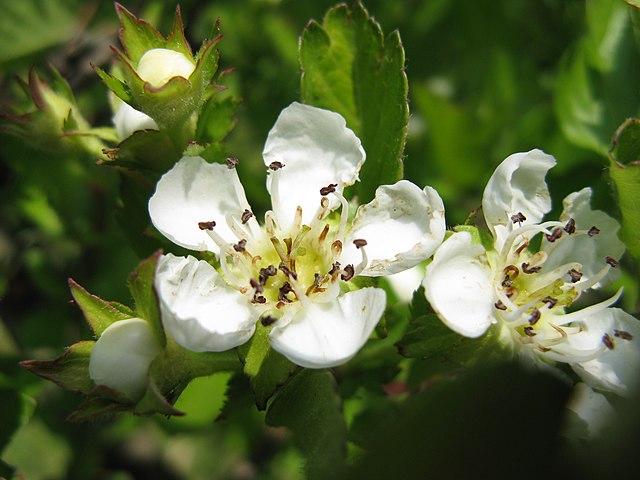
Hawthorn
Crataegus cuneata
Deciduous tree with white spring flowers and red autumn berries. Perfect bonsai candidate with flowers, fruit, and autumn color. Thorns require gloves when styling.
 © Show_ryu / CC BY-SA 3.0
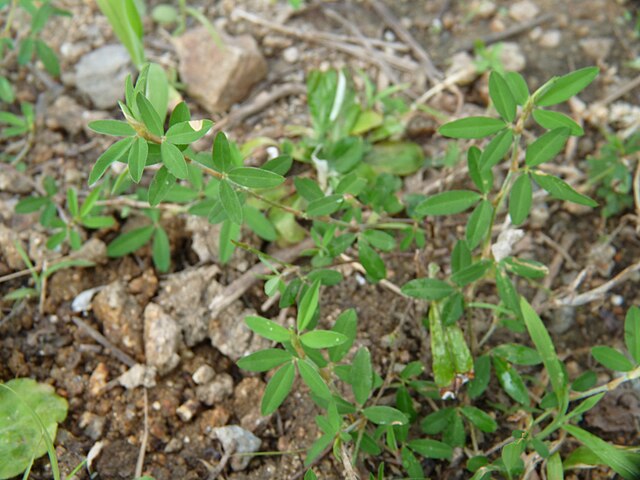
Japanese Bush Clover
Lespedeza
One of the seven autumn flowers. Countless small purple flowers on weeping slender branches create exquisite charm. A quintessential grass-style bonsai capturing autumn spirit.
 © Philipp Franz von Siebold and Joseph Gerhard Zuccarini / Public domain
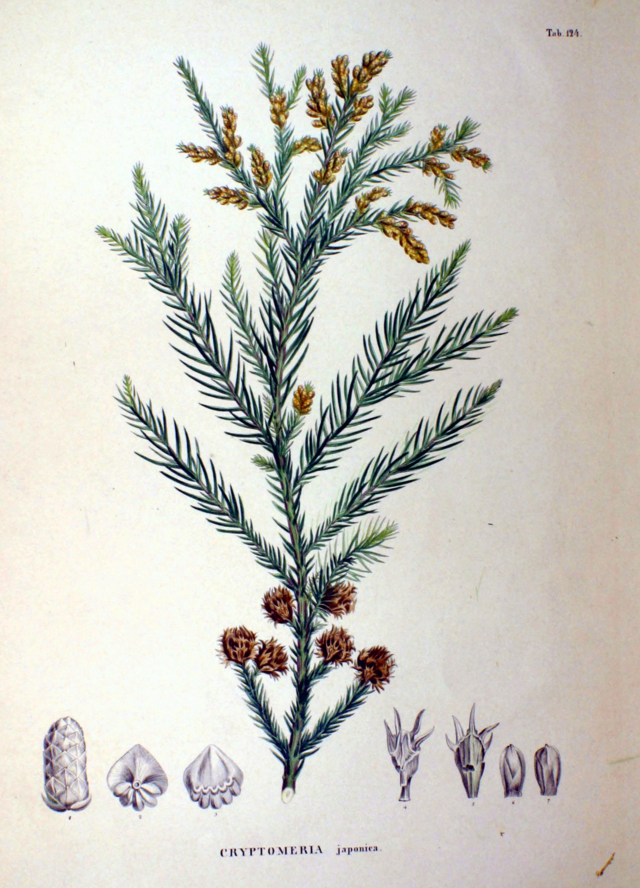
Japanese Cedar
Cryptomeria japonica
Endemic Japanese evergreen conifer. Known for straight trunk and dense needle leaves. Looks great as formal upright or twin trunk. Some varieties turn bronze in winter.
 © KENPEI / CC BY-SA 3.0
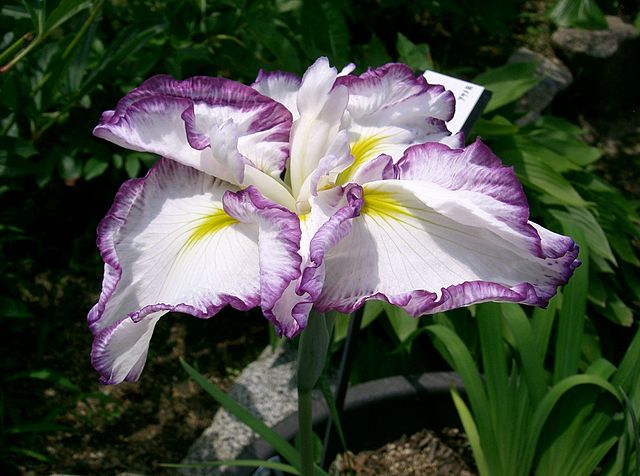
Japanese Iris Bonsai
Iris ensata
Popular grass-style bonsai. Large purple or white flowers capture waterside scenery in a small pot. Beautiful with moss, creating a seasonal display for early summer.
 © KENPEI / CC BY-SA 3.0
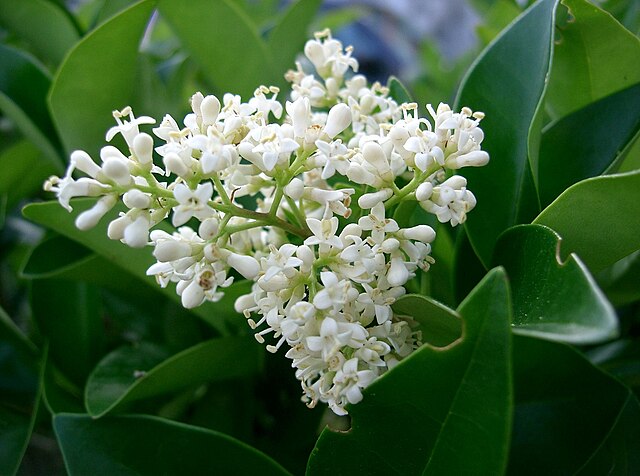
Japanese Privet
Ligustrum japonicum
Evergreen with small glossy leaves in dense clusters. White flowers and dark purple berries add interest. Extremely hardy and tolerant of pruning. Good root spread.
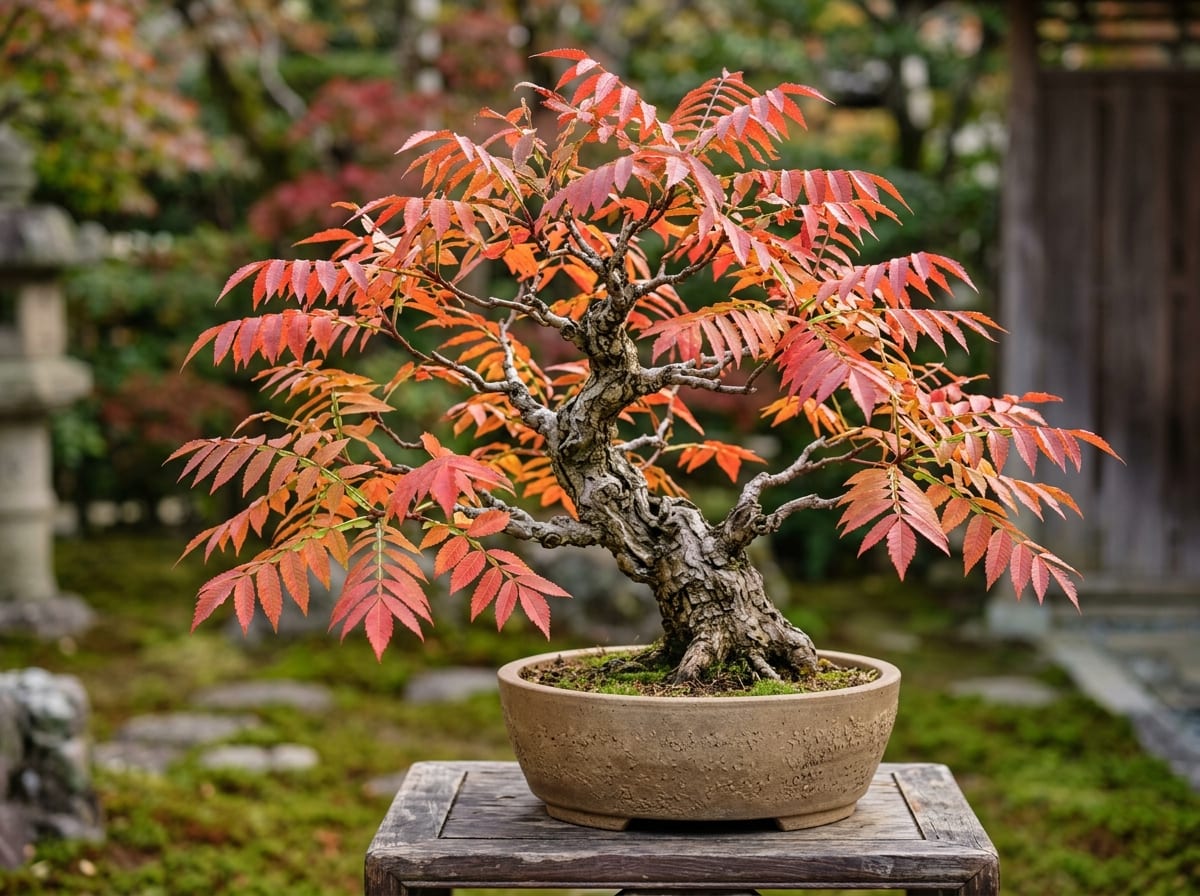
Japanese Sumac
Rhus chinensis
A small deciduous tree of the cashew family, recognized by the winged axis of its pinnate leaves. Grown as small bonsai for its vivid red autumn color and natural form.
 © Dalgial / CC BY-SA 3.0
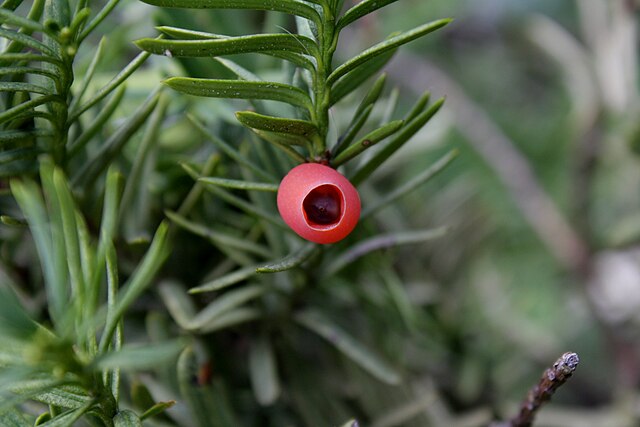
Japanese Yew
Taxus cuspidata
Named after the highest court rank in Japan. Beautiful red berries and dark green needles. Hardy in cold climates with slow growth, ideal for long-term bonsai.
 © Daderot / CC0
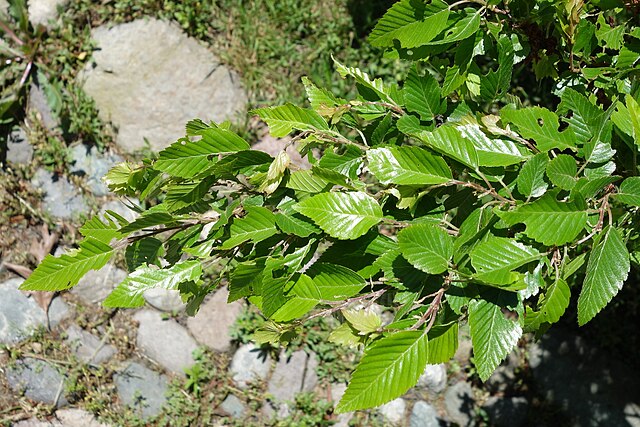
Korean Hornbeam
Carpinus turczaninowii
Deciduous tree with small leaves and fine branching. Easy to shape for bonsai with attractive brown-gold autumn color. Small leaf size makes it ideal for shohin.
 © KENPEI / CC BY-SA 3.0
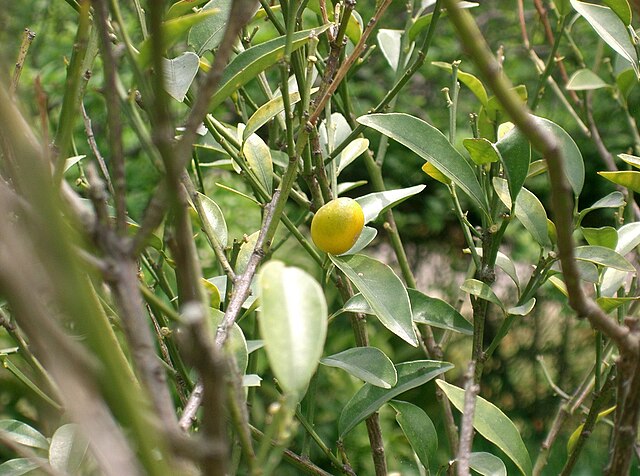
Kumquat Bonsai
Citrus japonica
Charming citrus bonsai with clusters of small orange fruits. Fruits are edible whole. Relatively cold-hardy and easy to grow among citrus varieties.
 © Sanchezn / CC BY-SA 3.0
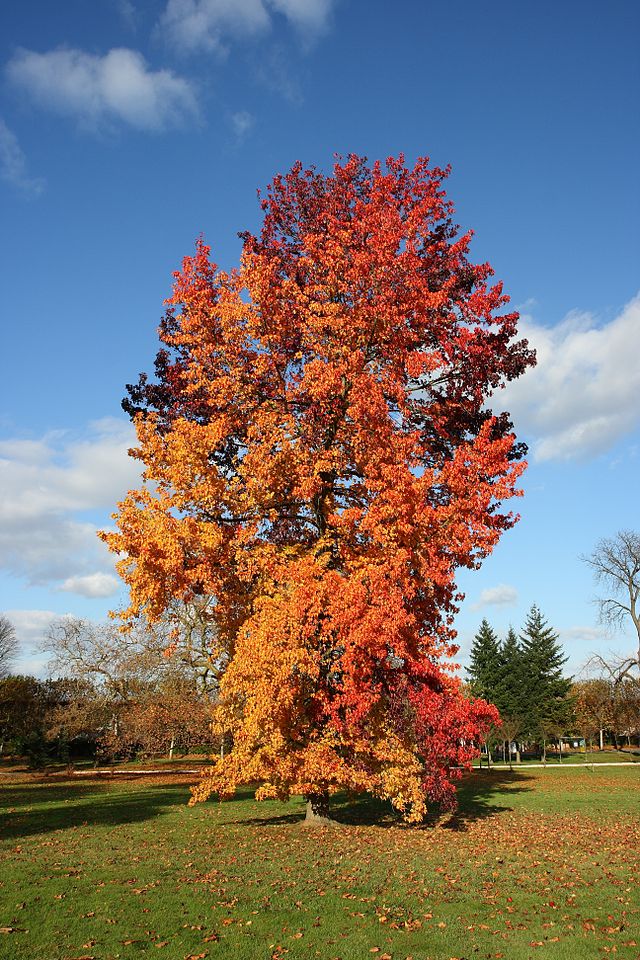
Liquidambar
Liquidambar formosana
Also called sweetgum. Star-shaped leaves with spectacular autumn color. Deep corky bark ridges are also attractive. Relatively fast-growing and beginner-friendly.
 © Jean-Pol GRANDMONT / CC BY 3.0
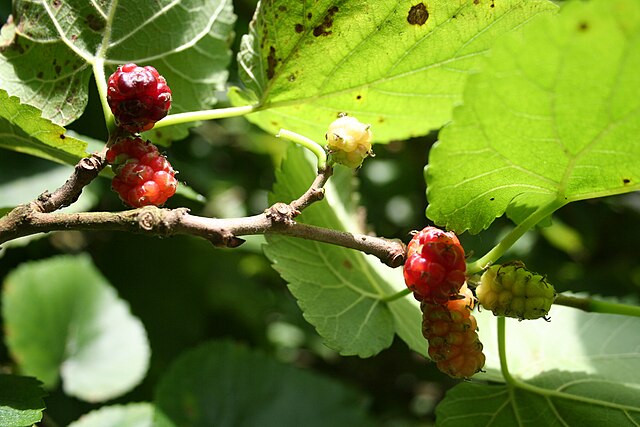
Mulberry
Morus
Deciduous tree known for silkworm farming. In bonsai, exposed roots and hollow trunks are highlights. Sweet berries are a bonus. Hardy and tolerant of pruning.
 © KENPEI / CC BY-SA 3.0
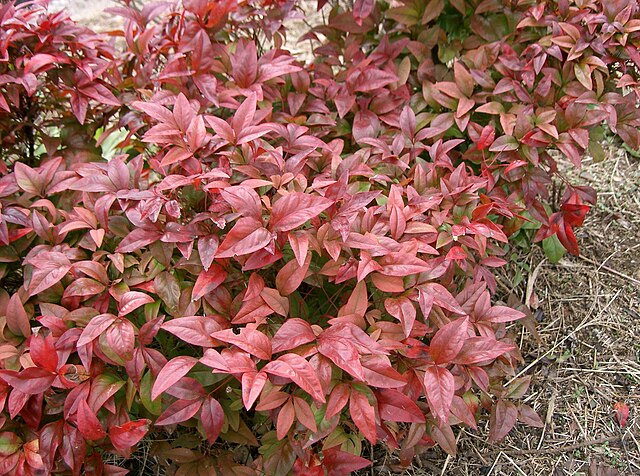
Nandina
Nandina domestica
Auspicious plant whose name suggests turning misfortune away. Beautiful red berries and winter color. Used in New Year decorations. Hardy and beginner-friendly.
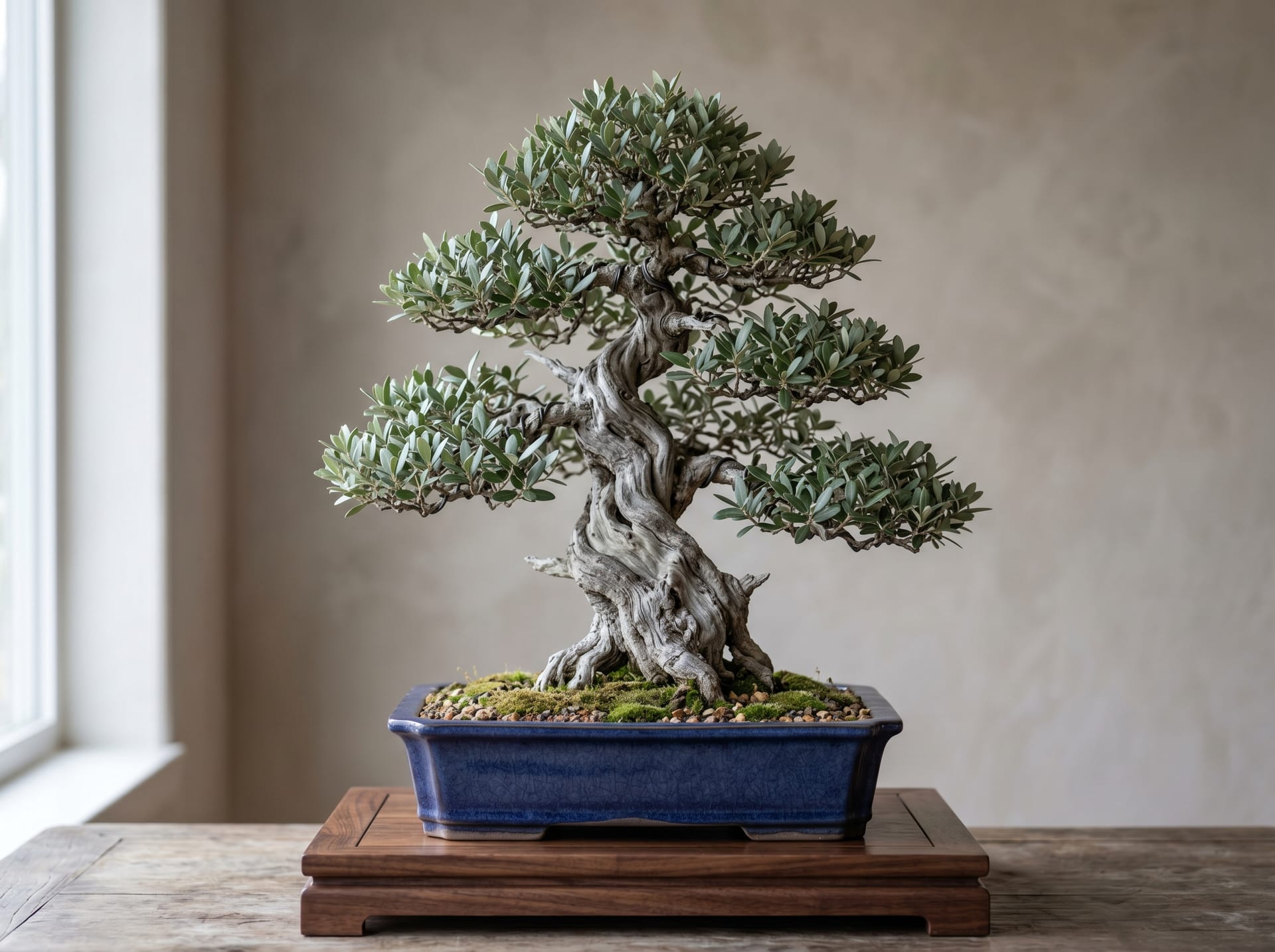
Olive Bonsai
Olea europaea
Mediterranean evergreen. Silver-gray leaves and twisted trunks create unique atmosphere. Rapidly gaining popularity as Western-style bonsai. Drought-tolerant with low watering risk.
 © Tiffany825 / CC BY 3.0
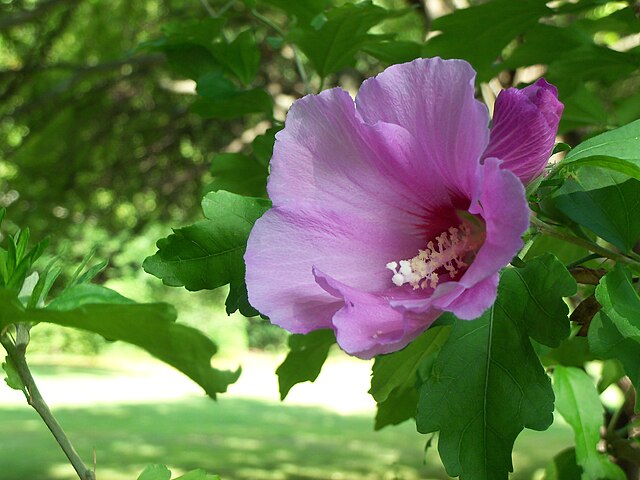
Rose of Sharon
Hibiscus syriacus
Deciduous shrub blooming continuously from summer to autumn. Known as Korea's national flower. Individual flowers last one day but bloom in succession. Hardy and fast-growing.
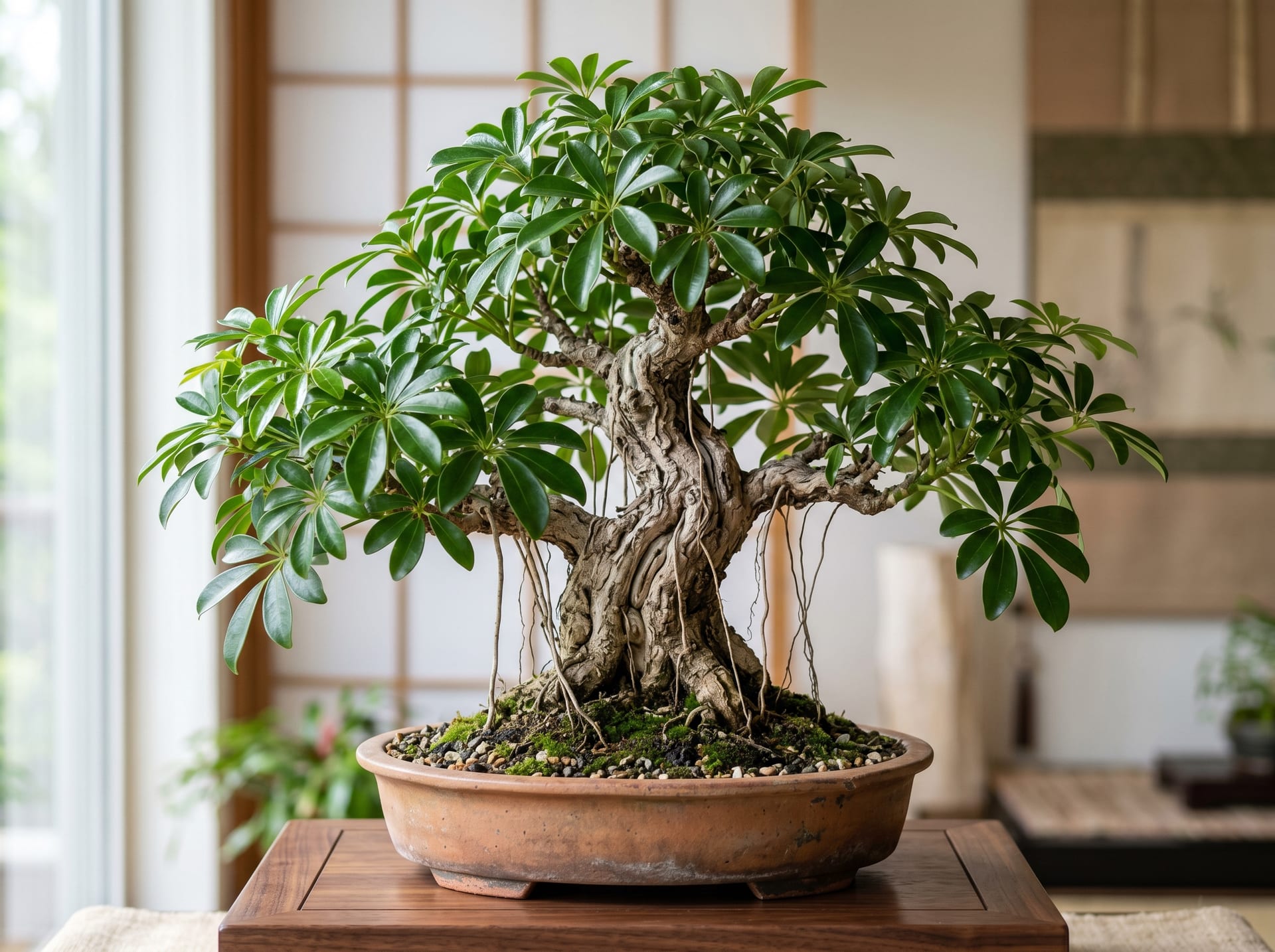
Schefflera
Heptapleurum arboricola
Tropical evergreen with distinctive palmate leaves radiating outward. Extremely hardy and grows indoors, perfect for bonsai beginners. Develops aerial roots for banyan-style forms.
Related Content
Bonsai FAQ
- How much do bonsai cost?
- Mini bonsai cost 1,000-5,000 yen, medium bonsai 5,000-50,000 yen, and masterpiece-class large bonsai hundreds of thousands to millions of yen depending on age, size, and form.
- Can beginners start bonsai?
- Starting with small Japanese maple, Shimpaku juniper, or Japanese white pine is recommended. With basic watering and 1-2 annual prunings, beginners can fully enjoy bonsai.
- How long do bonsai live?
- With proper care, bonsai can live for hundreds of years. Japan has many bonsai several centuries old, valued as art pieces passed down across generations.
- What should I check when buying bonsai?
- Look at root spread, trunk movement, and branch balance. Beginners may enjoy starting with affordable raw material trees and shaping them, rather than finished specimens.
- What's most important for bonsai care?
- Daily watering is the most important task. Water thoroughly when the soil surface dries, twice daily in summer (morning and evening). Keep outdoors in a spot with good airflow and sunlight.