Bonsai Encyclopedia
Encyclopedia of popular bonsai species with care guides, traits, and styling tips.
Featured Bonsai
Showing 8 of 137 species
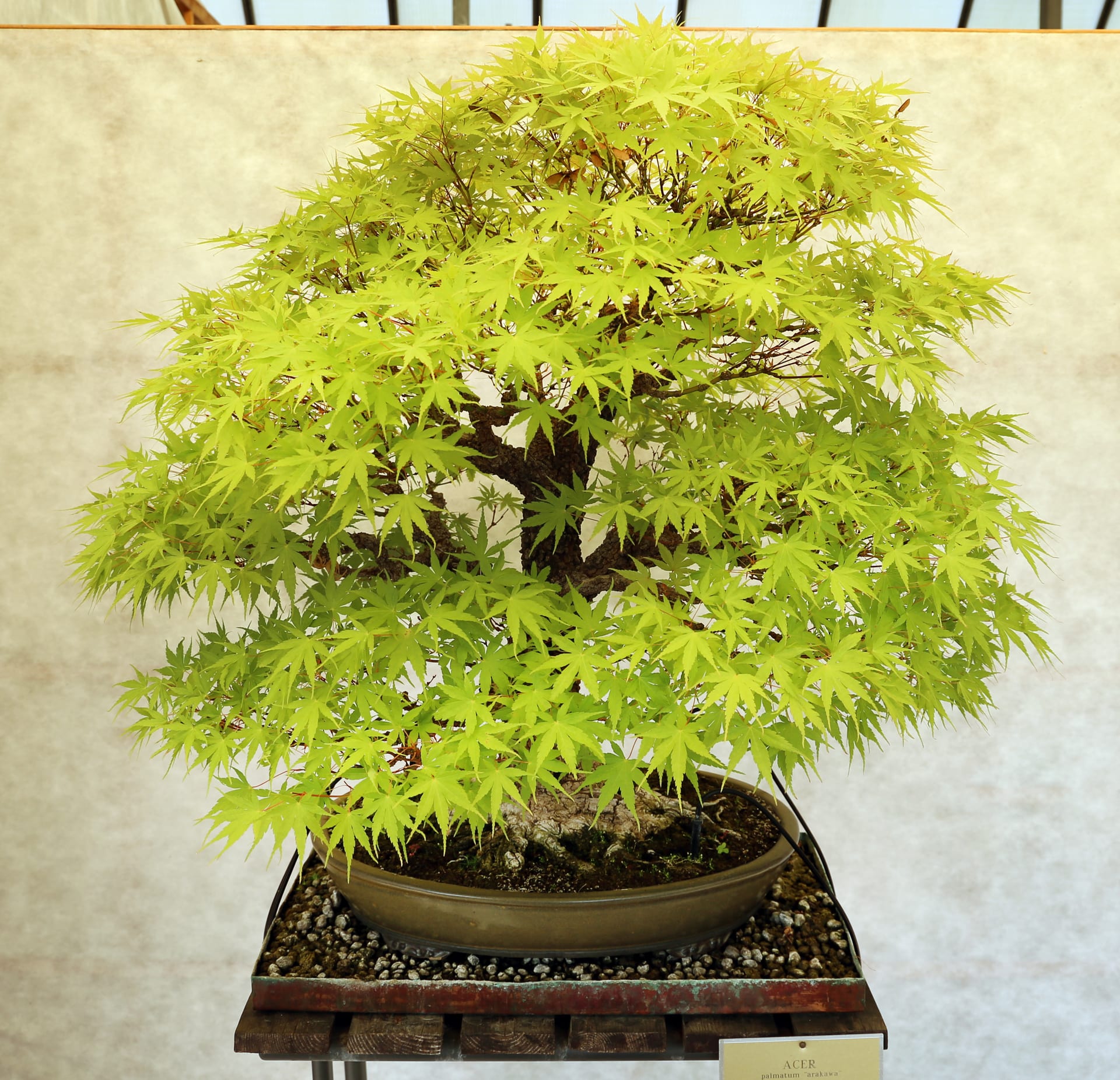 © Sailko / CC BY-SA 4.0
Arakawa (rough-bark) Japanese maple
Acer palmatum 'Arakawa'
A 'rough-bark' maple whose trunk roughens even when young, quickly giving the look of an old tree. The bark alone tells it apart from the smooth-barked ordinary maple, so even young material can look aged.
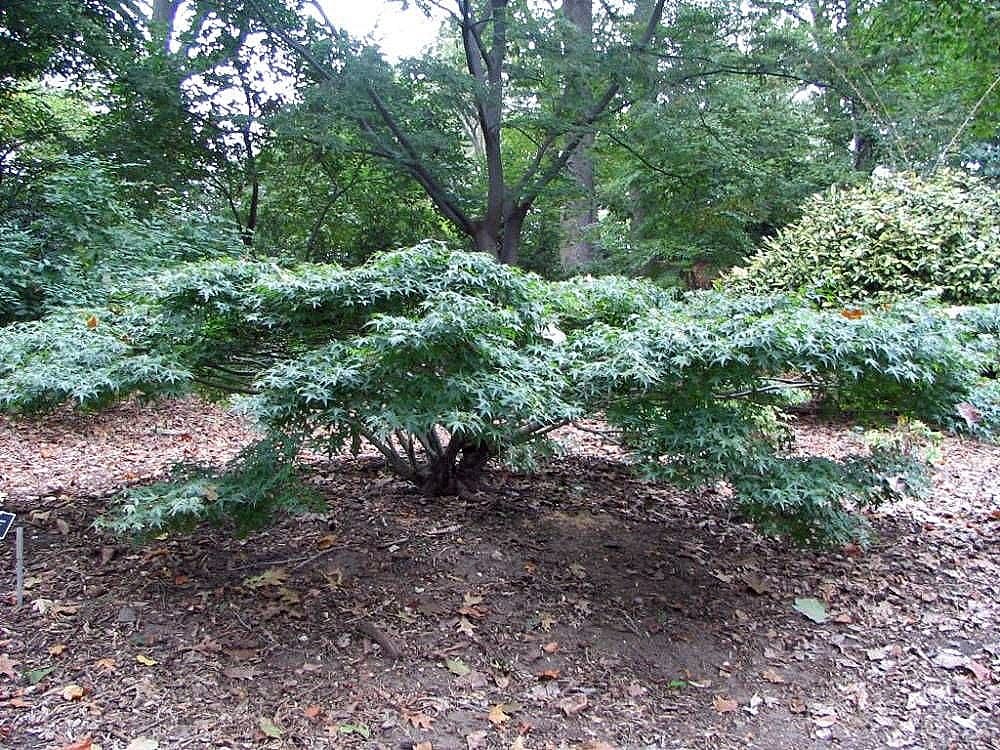 © David J. Stang / CC BY-SA 4.0
Kiyohime Japanese maple
Acer palmatum 'Kiyohime'
A dwarf, small-leaved maple with a beautiful spring flush: young leaves are edged red-purple, turn green in summer and colour yellow, orange and red in autumn. It spreads wider than tall with dense branching—a staple for shohin maples.
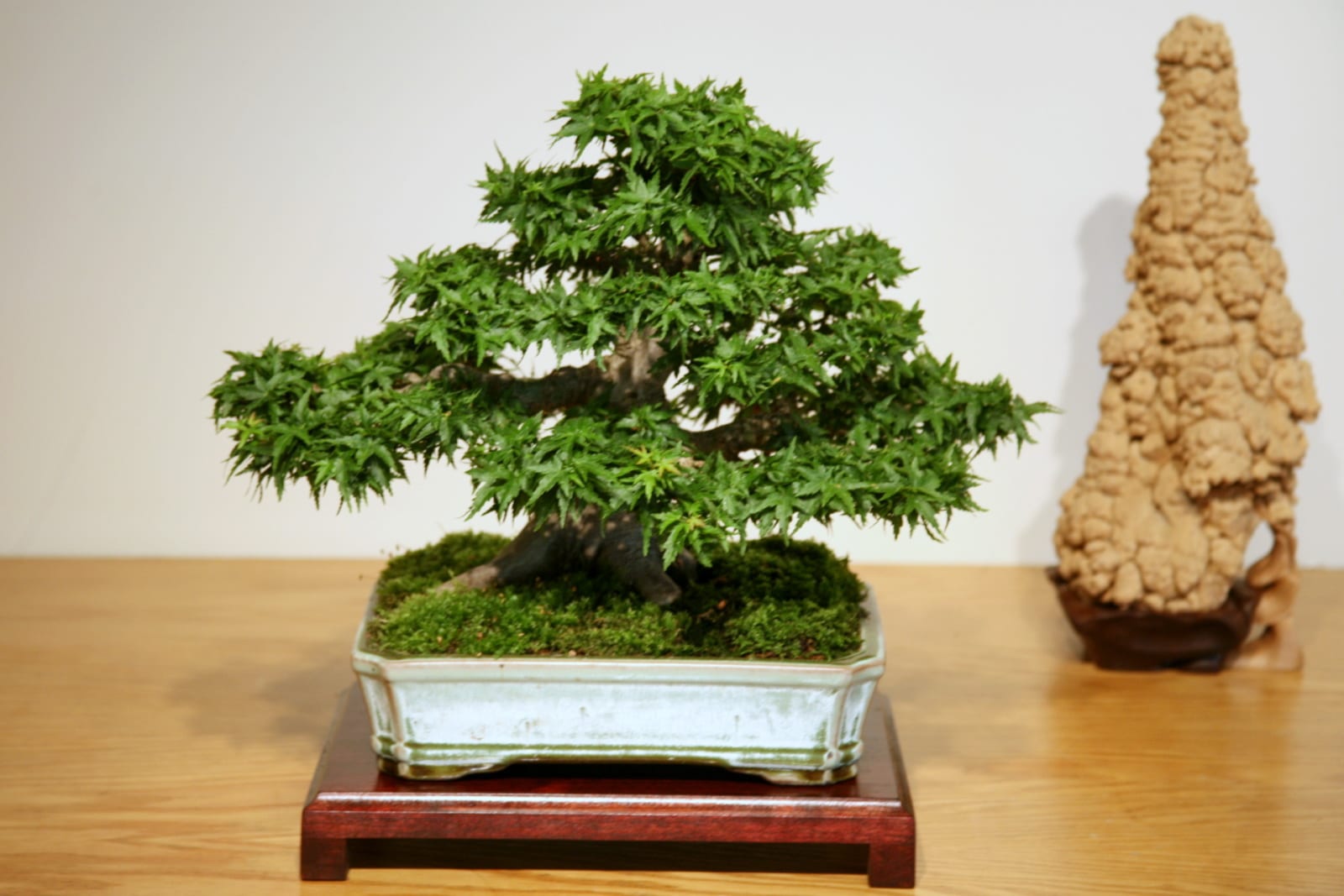 © Cliff from Arlington, Virginia, USA / CC BY 2.0
Kotohime Japanese maple
Acer palmatum 'Kotohime'
An extremely dwarf maple with tiny leaves and very short internodes—a representative yatsubusa maple. It builds dense, finely branched trees even in tiny pots, making it a staple for shohin and mame bonsai, and roots readily from cuttings.
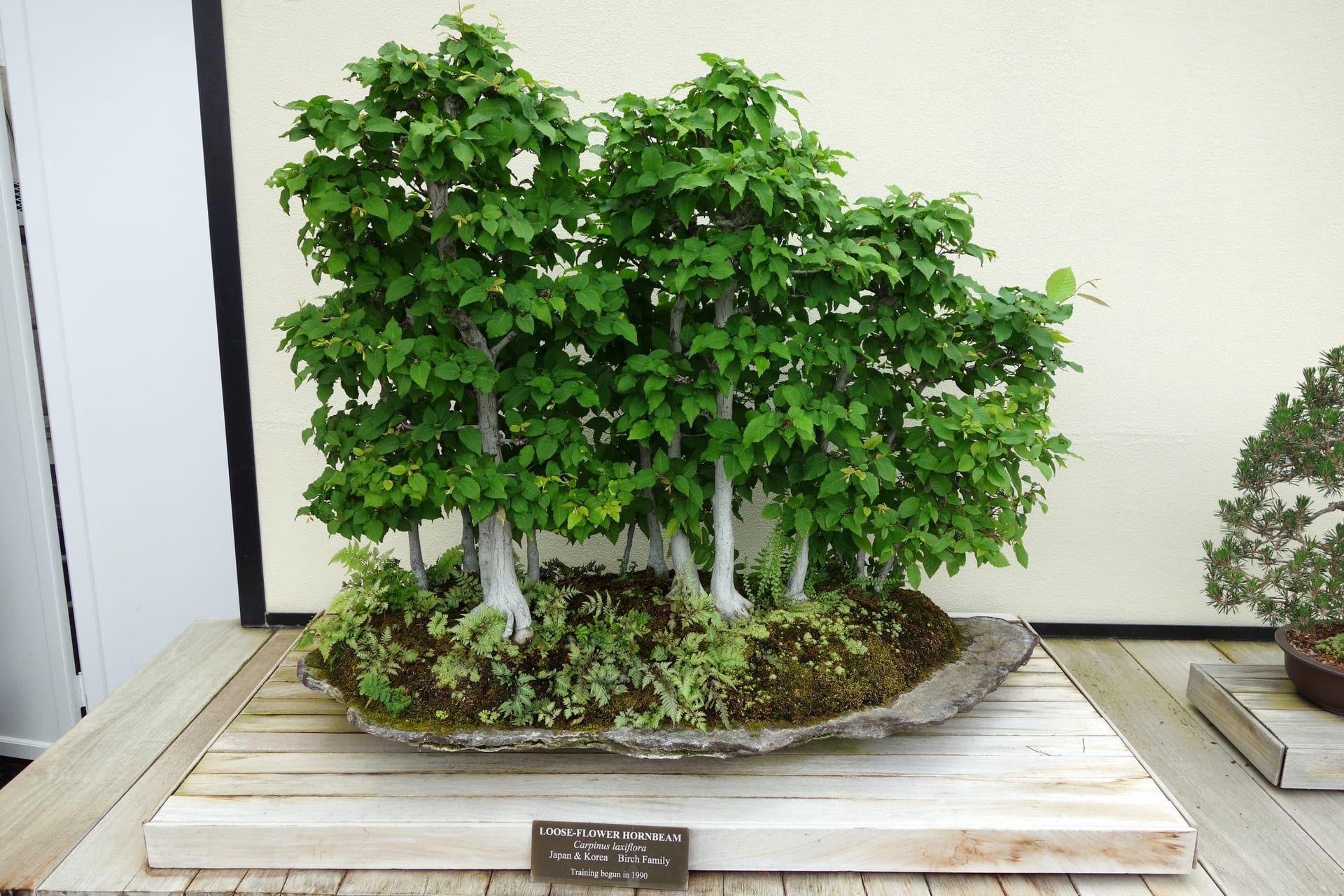 © Daderot / CC0
Loose-flower hornbeam
Carpinus laxiflora
A deciduous hornbeam whose new shoots, young leaves and autumn foliage flush red. Called 'aka-soro' in bonsai, it has the smallest leaves and finest twigs among the hornbeams, offering interest from spring budbreak to winter silhouette.
 © David J. Stang / CC BY-SA 4.0
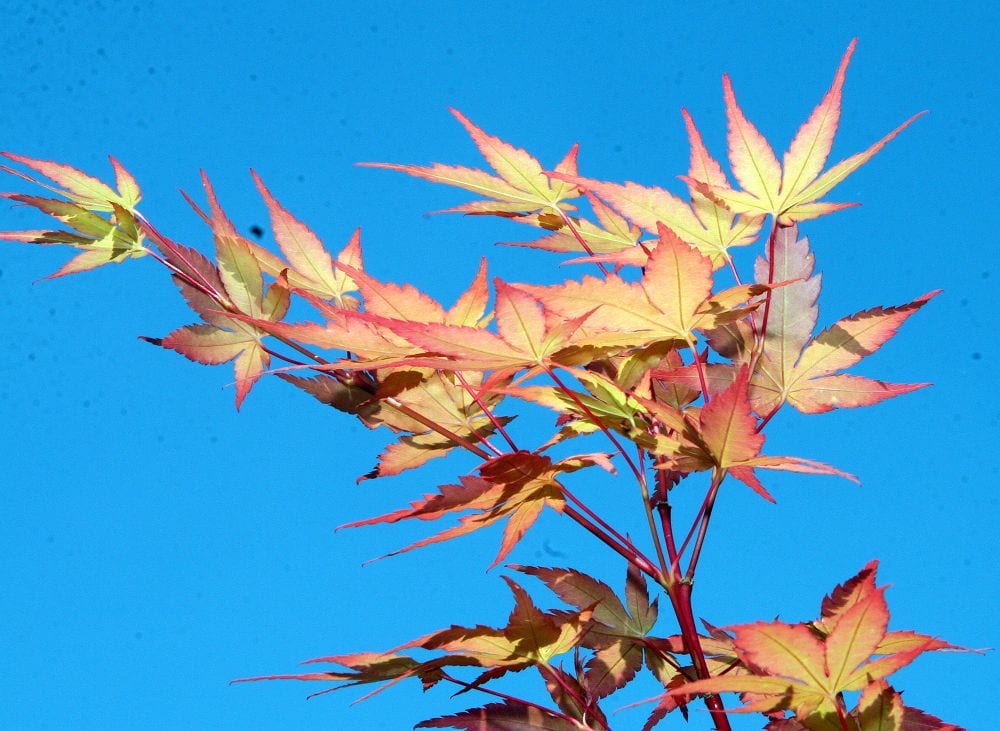
Sango-kaku (coral-bark maple)
Acer palmatum 'Sango-kaku'
A maple whose young shoots turn brilliant coral in autumn and winter. Only first- and second-year growth colours; older wood fades. The red twigs after leaf fall are the highlight, and it is sold both as bonsai and as a garden tree.
 © Jebulon / CC BY-SA 3.0
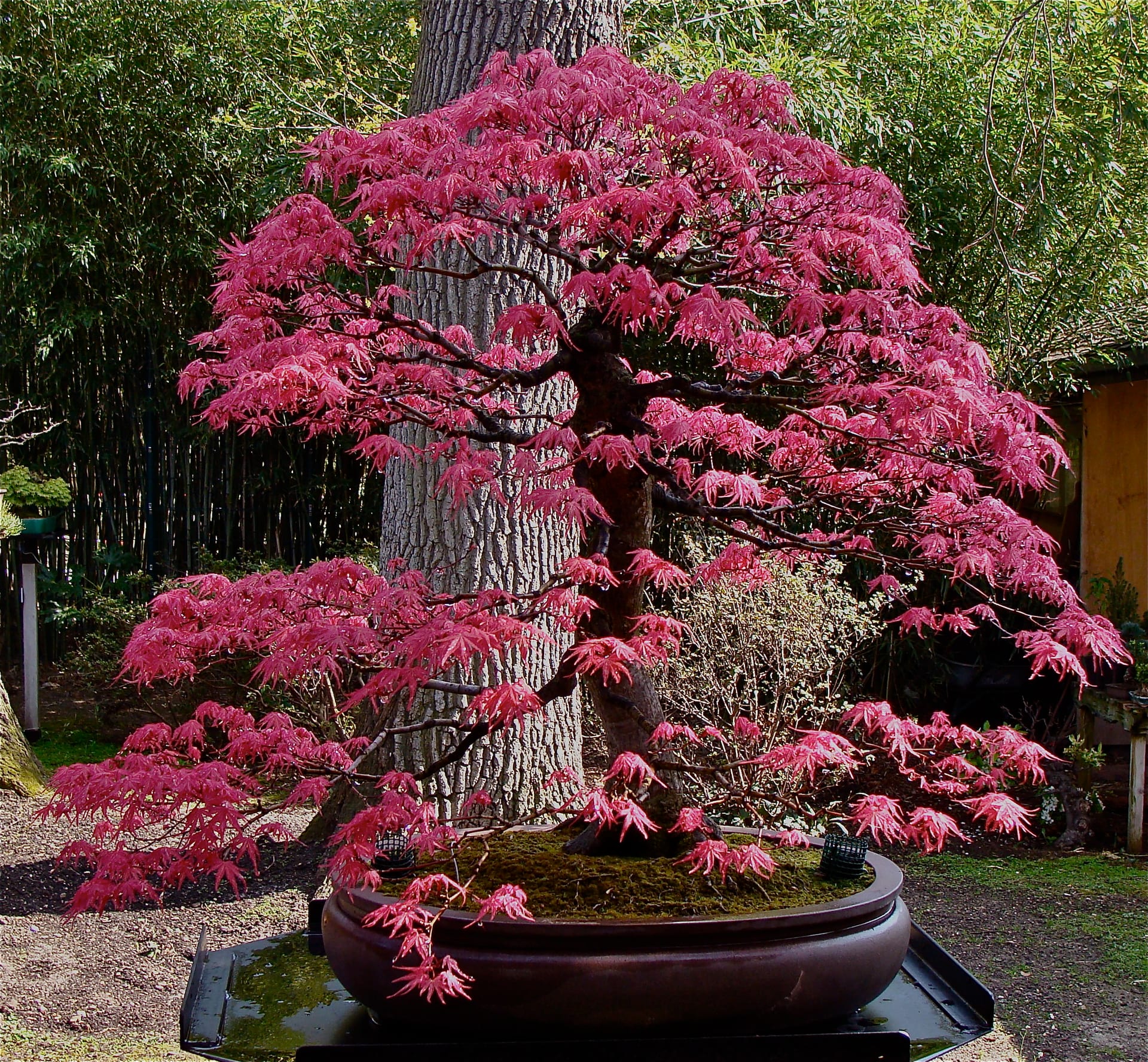
Seigen Japanese maple
Acer palmatum 'Seigen'
A 'spring maple' of the iroha-momiji group, whose new leaves emerge red and colour well again in autumn. Small-leaved and offering two seasons of colour, it is regularly sold as shohin to medium maple bonsai.
 © Jonathan Billinger / CC BY-SA 2.0
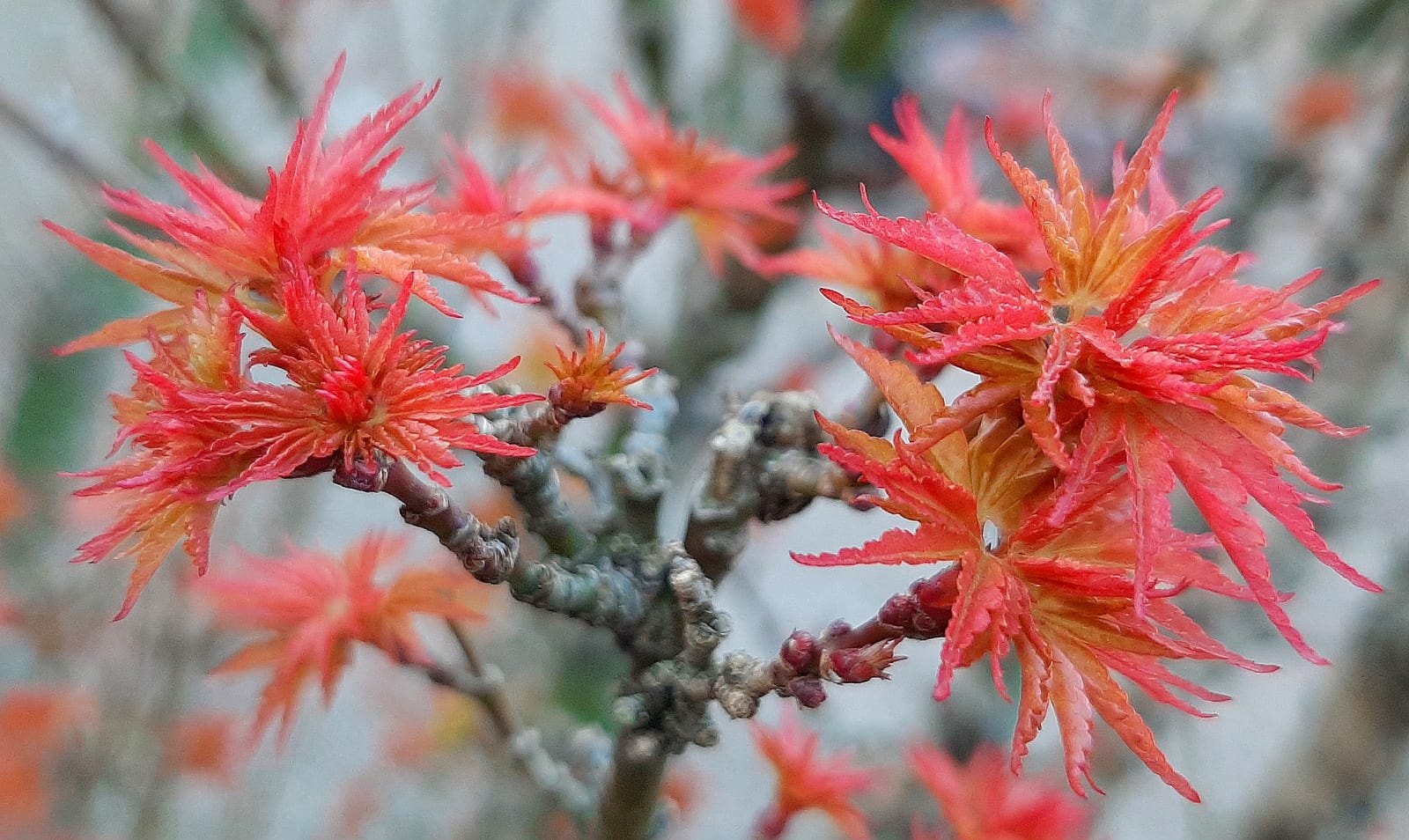
Shishigashira Japanese maple
Acer palmatum 'Shishigashira'
A yatsubusa maple famed for its leaf character: small, thick, crinkled leaves crowded at the shoot tips. Its unusual foliage sets it apart from ordinary Japanese maples at a glance.
 © KENPEI / CC BY-SA 3.0
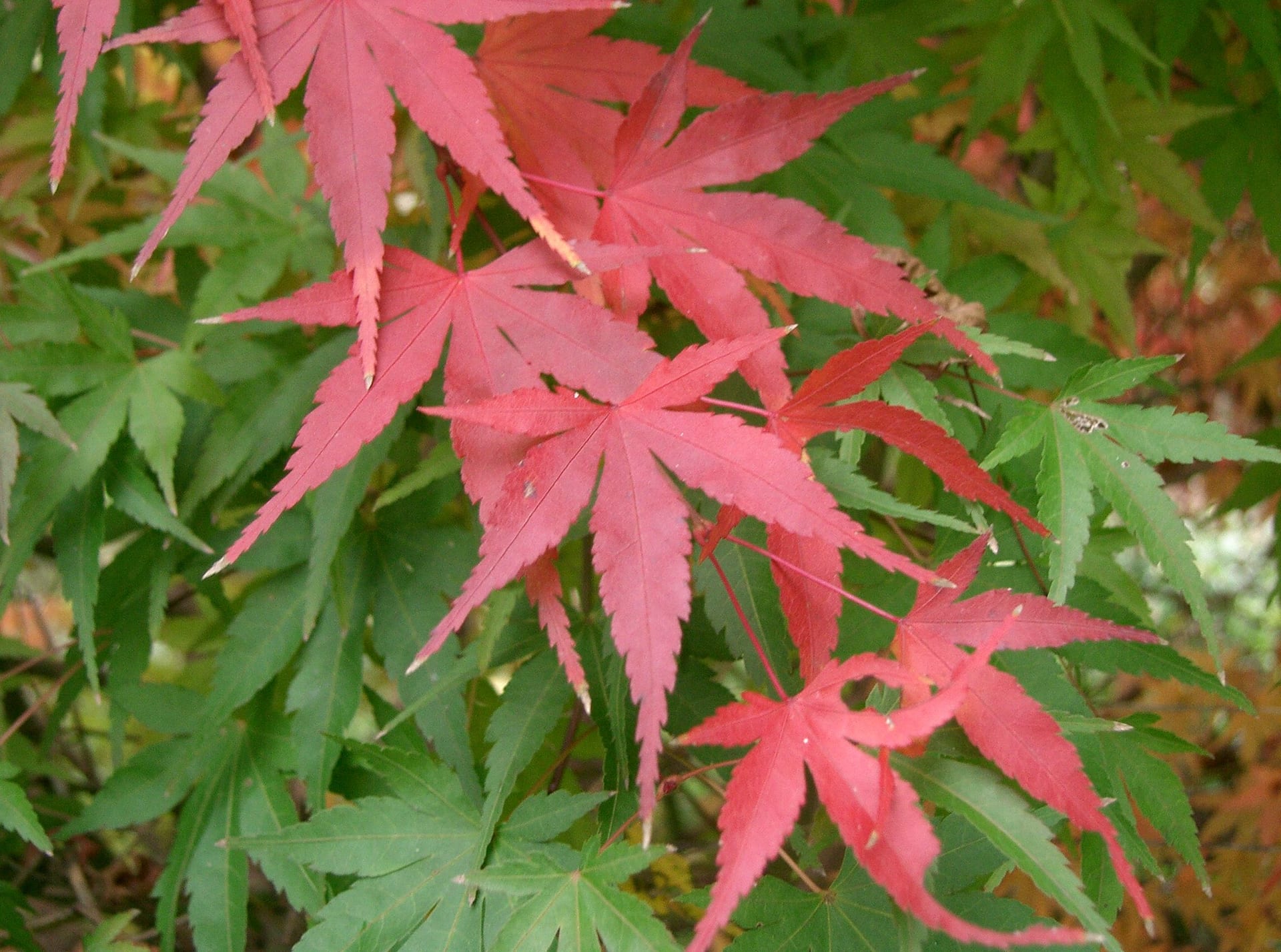
Yama-momiji (Japanese maple var. amoenum)
Acer amoenum var. matsumurae
A wild maple common in mountains on the Sea of Japan side, with leaves a little larger than iroha-momiji and cut into 7–9 lobes. Vigorous, fast-growing and easy from seed, it is the parent of many cultivars, a common rootstock and a staple bonsai material.
Related Content
Bonsai FAQ
- How much do bonsai cost?
- Mini bonsai cost 1,000-5,000 yen, medium bonsai 5,000-50,000 yen, and masterpiece-class large bonsai hundreds of thousands to millions of yen depending on age, size, and form.
- Can beginners start bonsai?
- Starting with small Japanese maple, Shimpaku juniper, or Japanese white pine is recommended. With basic watering and 1-2 annual prunings, beginners can fully enjoy bonsai.
- How long do bonsai live?
- With proper care, bonsai can live for hundreds of years. Japan has many bonsai several centuries old, valued as art pieces passed down across generations.
- What should I check when buying bonsai?
- Look at root spread, trunk movement, and branch balance. Beginners may enjoy starting with affordable raw material trees and shaping them, rather than finished specimens.
- What's most important for bonsai care?
- Daily watering is the most important task. Water thoroughly when the soil surface dries, twice daily in summer (morning and evening). Keep outdoors in a spot with good airflow and sunlight.