Source: Wikimedia Commons
Grape Bonsai
IntermediateVitis
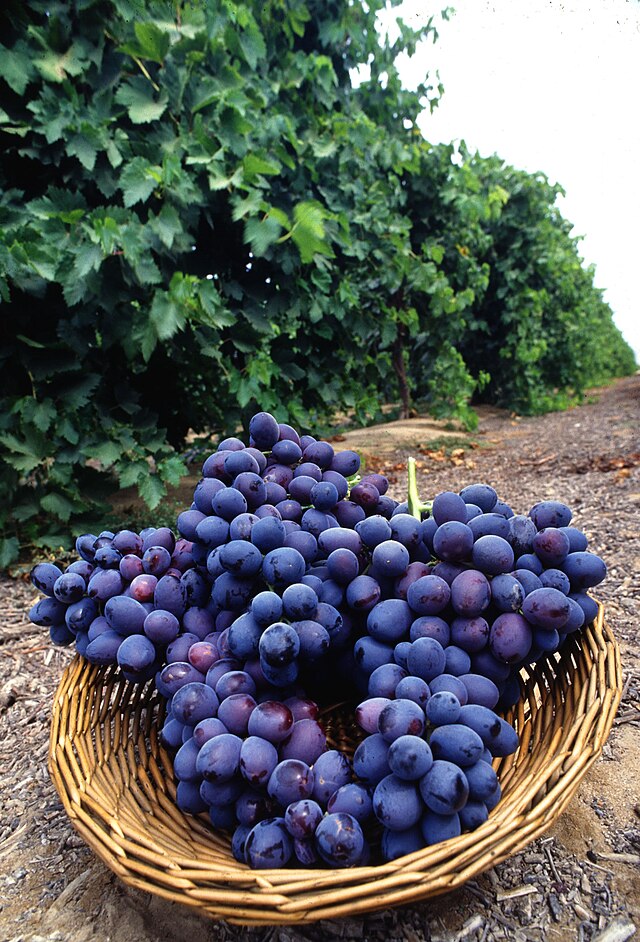
A highly artistic bonsai from vine fruit trees. Thick trunks and hanging fruit clusters full of charm. Wild grape and small-fruit varieties suit bonsai best.
Overview
Vitis species, particularly the wild Japanese grape Vitis coignetiae (Yama-budō) and the cultivated Vitis vinifera, are used in bonsai as fruiting specimens of considerable artistic potential. Japanese wild grape (Yama-budō) is native to Japan, Korea, and China and grows vigorously in mountain forests, producing tightly clustered bunches of small dark berries beloved by birds. In bonsai, mature grape vines develop massively thickened, deeply furrowed trunks out of proportion with their canopy — a quality that bonsai artists exploit to create dramatic, powerful compositions. The large maple-like leaves turn vivid crimson in autumn before falling to reveal the sculptural winter silhouette.
Lifespan of the Grape Bonsai
The Grape Bonsai lives 20-40 years (as bonsai).
Size of the Grape Bonsai
The Grape Bonsai grows to 20-60cm (bonsai size).
Temperature & humidity for the Grape Bonsai
The Grape Bonsai tolerates temperatures of ≥-15℃.
Basic Info
Origin
Central Asia and Mediterranean region (Vitis coignetiae: Japan, China, Korean Peninsula)
Lifespan
20-40 years (as bonsai)
Size
20-60cm (bonsai size)
Temperature
≥-15℃
Watering & Fertilizer
Fertilizer (regular)
Growing Tips
Placement
Full sun outdoors. Manage vines on bench
Watering
Loves water. Especially careful not to dry during fruiting
Styling
Use vine wrapping artistically. Heavy winter pruning maintains form
Notes
Susceptible to pests and disease. Watch for downy and powdery mildew
Grape Bonsai FAQ
QWhat is the growing difficulty level for Grape Bonsai?
Intermediate. A variety suitable for intermediate growers. Requires some cultivation experience and knowledge of environment management. Pay careful attention to temperature and humidity control.
QWhat temperatures can Grape Bonsai tolerate?
Grape Bonsai tolerates temperatures of ≥-15℃. This is the tolerated range, not the ideal growing temperature. Keep conditions well inside it and avoid sudden temperature changes.
QWhat is the lifespan of Grape Bonsai?
The average lifespan of Grape Bonsai is 20-40 years (as bonsai). With proper cultivation environment and nutrient management, you can keep it healthy for a long time.
QHow large does Grape Bonsai get?
The mature size of Grape Bonsai is 20-60cm (bonsai size). This may vary slightly depending on cultivation environment and individual differences.
QHow should I water and fertilize Grape Bonsai?
Grape Bonsai: watering & fertilizer — Fertilizer (regular). Aim for appropriate frequency and amount.
QWhat is the typical price for Grape Bonsai?
The price of Grape Bonsai varies significantly by variety, characteristics, size, and lineage. Please check GrowerDirect's price guide for the latest market information.
Last updated: October 2, 2026
References & Sources
Edited & verified by: GrowerDirect Editorial Team
The classifications, regulations, and growing data on this page are created and verified based on the primary information database below.
Primary sources
Taxonomy & Authority
Regulations & Conservation Status
Sources: CITES Checklist of CITES Species
Regulations may change. Always verify the latest information with the relevant authorities.
Related Species
Find listings for this species
Related Articles
Cherry Blossom Bonsai Care Guide | Complete Tips for Blooming
Detailed explanation of watering, pruning, and repotting timing for cherry blossom bonsai that blooms in full on a small pot.
Wisteria Bonsai: Cultivating Wisteria | Basics of Trellis Training and Pruning for Climbing Flowering Trees
An explanation of how to train wisteria, a climbing flowering tree, as bonsai. This guide covers the unique aspects of wisteria bonsai, from trellis construction and guiding the vine, to the timing of pruning to encourage blooming and watering and fertilizer management.
Complete Bonsai Tree Selection & Development Roadmap for Beginners | Phase-by-Phase Management Strategy from Year 1 to Year 5
Bonsai success for beginners depends on choosing the right tree species. This guide details the process of selecting beginner-friendly species like five-needle pine and shimpaku juniper, and developing them into refined bonsai through phased management over five years. We provide a five-year roadmap that advances through tree form foundation building, adjustment, and completion.
Bonsai Aged Wood Techniques | Creating Branch Aging Expression and Tree Age Aesthetics
Explains techniques for creating bonsai that appear aged from young stock. Introduces practical methods for expressing tree age aesthetics, from bark texture and branch structure to root development expression and changes over time.
🩺 Common diseases
Can't find the plant you're looking for?
Post your wishes for free and growers with matching plants will contact you with introductions.