Cherry Blossom Bonsai Care Guide | Complete Tips for Blooming
Detailed explanation of watering, pruning, and repotting timing for cherry blossom bonsai that blooms in full on a small pot.
Key Takeaways
Detailed explanation of watering, pruning, and repotting timing for cherry blossom bonsai that blooms in full on a small pot.
Related Species
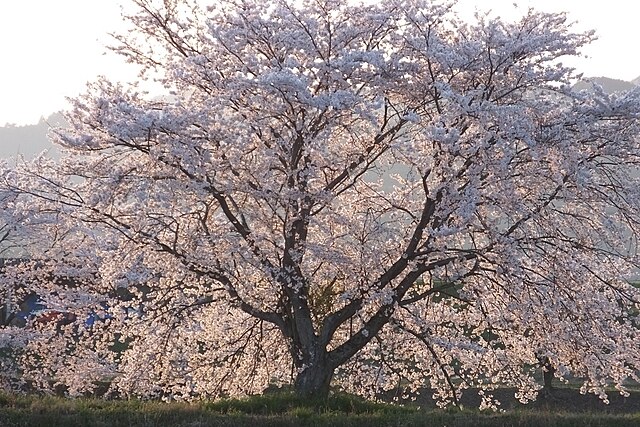
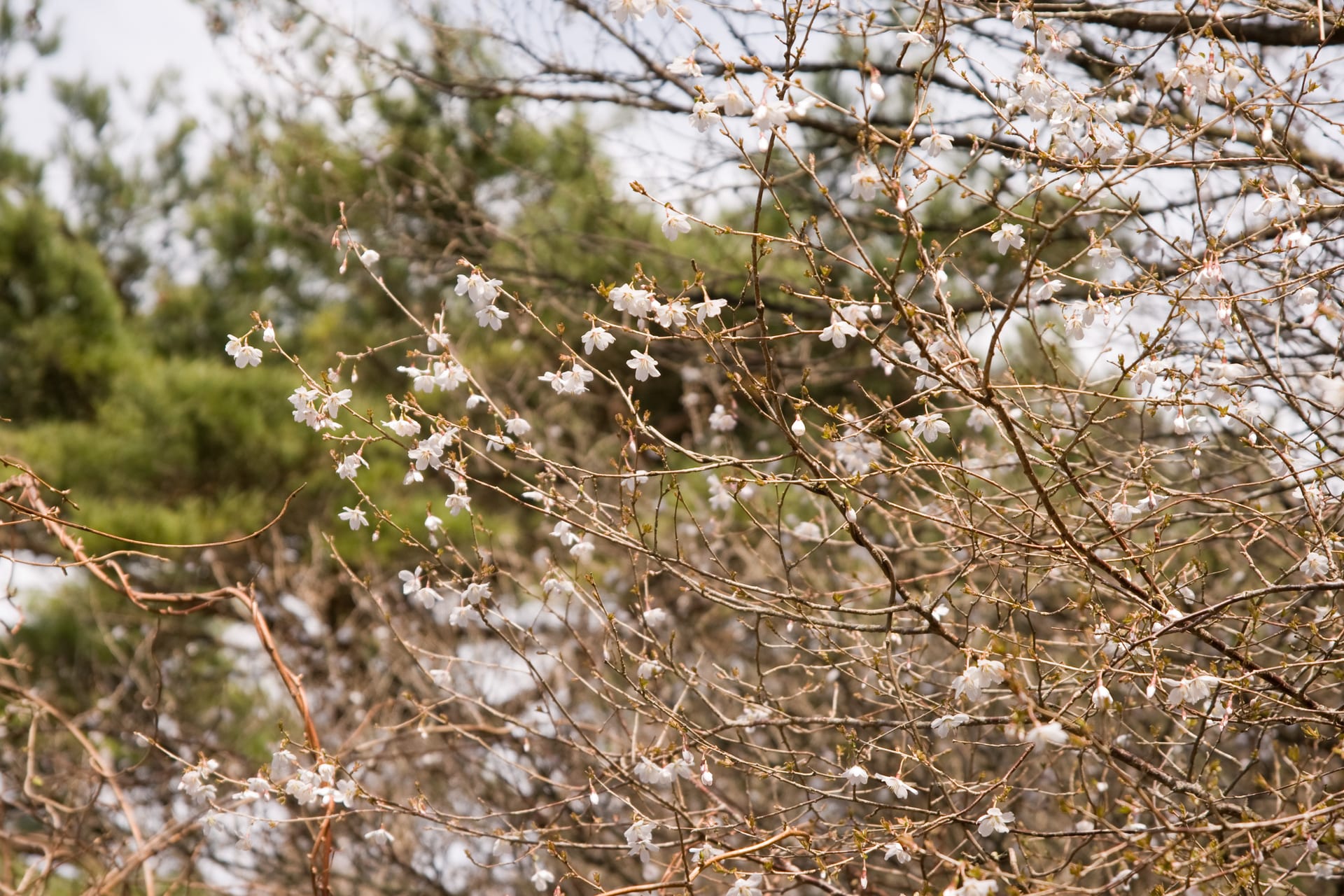
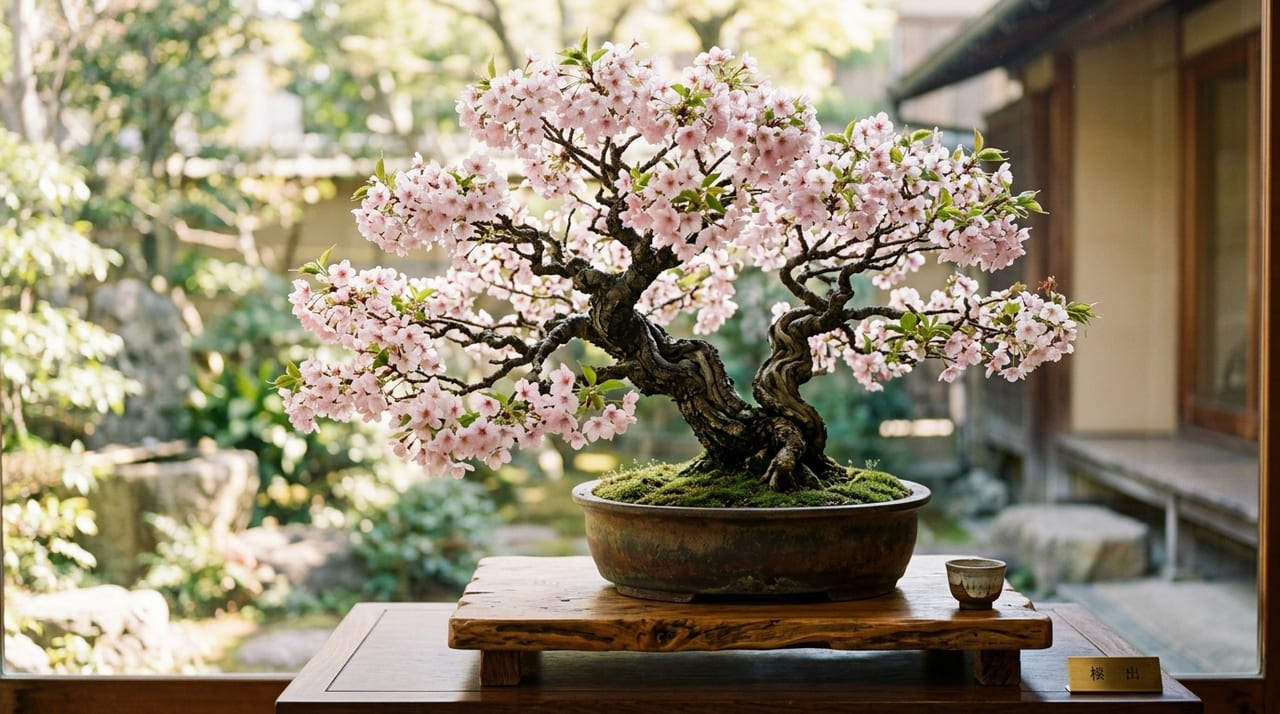
Cherry blossoms are flowering trees that beautify all of Japan every spring, but when trained as bonsai, they offer the special appeal of enjoying a small flower landscape spread across a pot right in your hands. Unlike Somei Yoshino, which tends to grow into large trees, you can select varieties that are easier to shape into compact forms and achieve stable flowering year after year by carefully maintaining your watering and pruning cycles. While it requires effort, the sense of accomplishment when full bloom arrives is extraordinary.
Selecting Cherry Blossom Varieties Suited for Bonsai
Cherry blossom varieties that are easy to train as bonsai have the following characteristics.
- Asahiyama Cherry (Asahiyama-zakura): Double flowers with excellent blooming; branches tend to tighten nicely. It has long been favored as an introductory variety for cherry bonsai.
- Fuji Cherry (Mame-zakura): Small single flowers that naturally tend toward dwarfism as a wild species. The small leaves make it appealing for achieving overall balance.
- Kan-hi Cherry (Kanhi-zakura): An early bloomer with distinctive deep pink color. It suits those who want to enjoy vivid flower color.
- October Cherry (Juugatu-zakura): Blooms from autumn through winter with biennial flowering characteristics, allowing you to enjoy flowers over a long period.
Somei Yoshino has a strong tendency to grow into large trees, and root management within a pot becomes difficult, so it is often considered unsuitable for bonsai. Confirming which variety you have at purchase makes it easier to establish a management plan going forward.
Placement and Basic Watering
The basic principle for managing cherry blossom bonsai is to place it outdoors in a location with good sunlight and air circulation. Insufficient light reduces flower bud formation, so choose a spot that receives sunlight for as long as possible throughout the day. Be careful of leaf scorch from intense western sun in summer; an environment where you can shade in the afternoon is ideal.
The rule for watering is to water thoroughly when the soil surface dries out, but since cherry blossoms are sensitive to drought, during the summer growing season when leaves are full you may need to water twice daily, morning and evening. Insufficient water causes leaf tips to die back and impacts next year's flower bud development, so summer watering management requires extra care. On the other hand, overwatering with water standing in the saucer causes root rot. Choosing well-draining soil and a pot with proper drainage holes forms the foundation for long-term management.
In winter, reduce watering frequency while being careful not to let the soil dry out too much. Consider bringing the pot under an eave or indoors to an unheated space during the coldest periods to protect roots from freezing.
Protecting Annual Blooms with Fertilizer and Pruning
Maintaining a consistent annual fertilization cycle is essential for developing full flower buds. Immediately after blooming, give the tree a "thank you" fertilizing with slow-release solid fertilizer, since it has been depleted by flowering. Continue light feeding through the summer growing period, then gradually reduce fertilizer from autumn onward as leaves change color to prepare for dormancy. Excessive nitrogen promotes leggy growth, so apply fertilizer in balanced amounts within the bounds that maintain the tree form.
Prune as soon as flowering ends, at the earliest possible timing. As the saying goes, "The fool cuts cherry, the wise leaves plum alone"—cherry is a species whose cut surfaces are easily infected by pathogens. Always apply wound dressing after pruning to protect it. By removing vigorous upright shoots and inward-facing branches while retaining the branches that form the tree's framework, you achieve both improved air circulation and good flowering next year. When cutting thick branches, avoid doing so during dormancy if possible; pruning during the vigorous growth period after blooming allows faster recovery.
Repotting Steps and Suitable Soil
Cherry blossom bonsai repotting is best done from after leaf fall through before new buds break, roughly around January to February. Since this is a species with vigorous root development, young trees require annual repotting, and even older trees need repotting every 2-3 years. When roots become pot-bound, water uptake worsens and flower production suffers.
The repotting procedure is as follows.
- Break up the root ball, carefully remove old soil, and trim damaged roots and circled roots.
- Prepare well-draining bonsai growing medium (primarily akadama clay) that balances water retention and drainage.
- Place crocking in the bottom of a new pot, spread out the roots as you add soil, and plant.
- Water thoroughly after repotting and allow 2-3 weeks recovery in a protected location away from direct sunlight and wind.
Consider the period immediately after repotting as one where root recovery takes priority over flower bud development; begin fertilizing only after roots are established.
Early Detection and Prevention of Pests and Diseases
Cherry blossoms are prone to aphids and spider mites, which can concentrate heavily during new leaf emergence. Regularly observe the undersides of leaves, and when you find pests, either wash them off with water or use an appropriate pesticide registered for flowering plants or ornamental foliage. When using pesticides, always check the product label for applicable crops and application instructions.
During the rainy season, powdery mildew and leaf spot disease become more likely due to moisture. Thinning out crowded branches and foliage to ensure air circulation is the most fundamental prevention strategy. Additionally, fallen dead leaves and pruning debris easily become breeding grounds for pathogens, so keeping the area around the pot clean is also important. Recovering a cherry blossom tree that has lost vigor takes time. Developing the habit of addressing problems promptly when you notice something amiss is the key to maintaining long-term health.
Growing Canopy Form and the Joy of Repeated Blooming
One of the pleasures of cherry blossom bonsai is enjoying the process of deepening character in the trunk and approaching completion of the tree form year after year. During the young sapling stage, use wire to adjust the direction and angle of branches. However, because cherry blossom branches are hard and easily broken, apply wire carefully and gradually at safe angles. If a branch bearing flower buds breaks, you lose the following year's flowers, so perform this work after flowering when leaves are present.
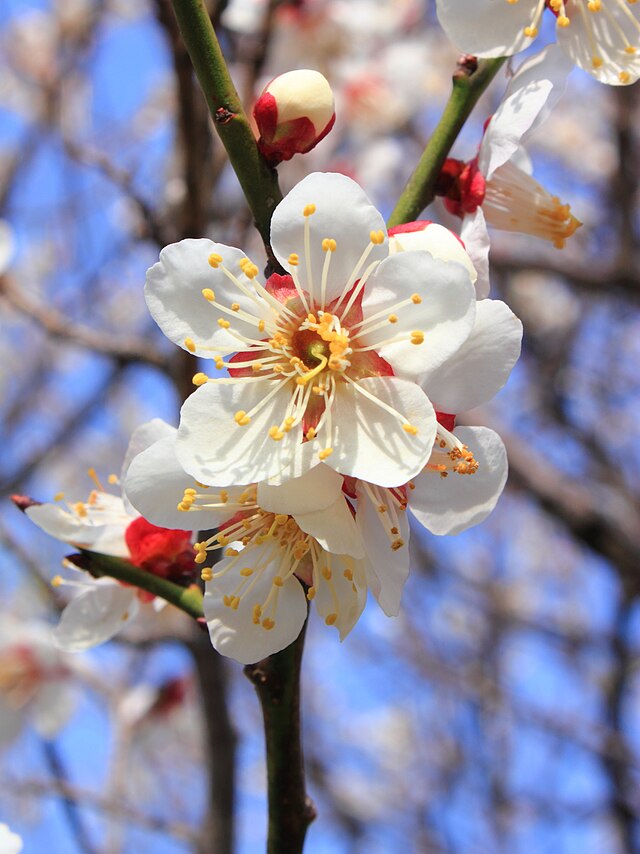
As texture like that of an old tree gradually appears in the trunk, and small charming fruits form after flowering, your cherry blossom bonsai gradually develops a distinctive character through years of care. Arranging it on a display stand alongside seasonal flowering and broadleaf trees such as plum (ume) or maple (kaede), enjoying how your bonsai collection changes through the year is also recommended.
The joy of cherry blossom bonsai is in achieving blooms on a small pot year after year by patiently repeating watering and pruning. Look for cherry blossom bonsai carefully grown by growers on GrowerDirect.