Bonsai Encyclopedia
Encyclopedia of popular bonsai species with care guides, traits, and styling tips.
Featured Bonsai
Showing 3 of 137 species
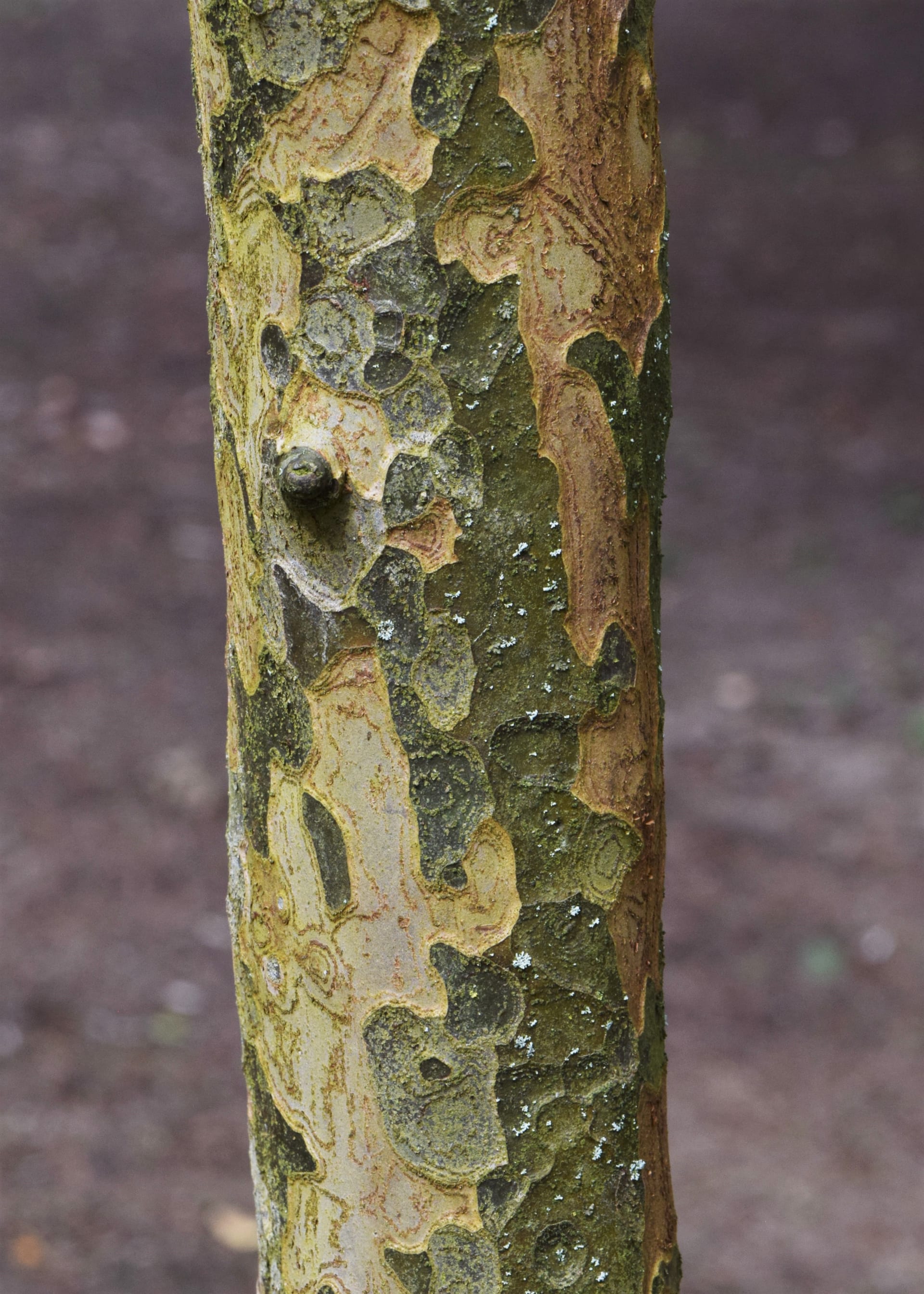 © Krzysztof Ziarnek, Kenraiz / CC BY-SA 4.0
Chinese quince
Pseudocydonia sinensis
A deciduous rose-family tree from China whose bark flakes into a mottled greenish-brown pattern. Pale pink flowers in spring are followed by large yellow fruits 10–15 cm long; it has been called the king of fruiting bonsai.
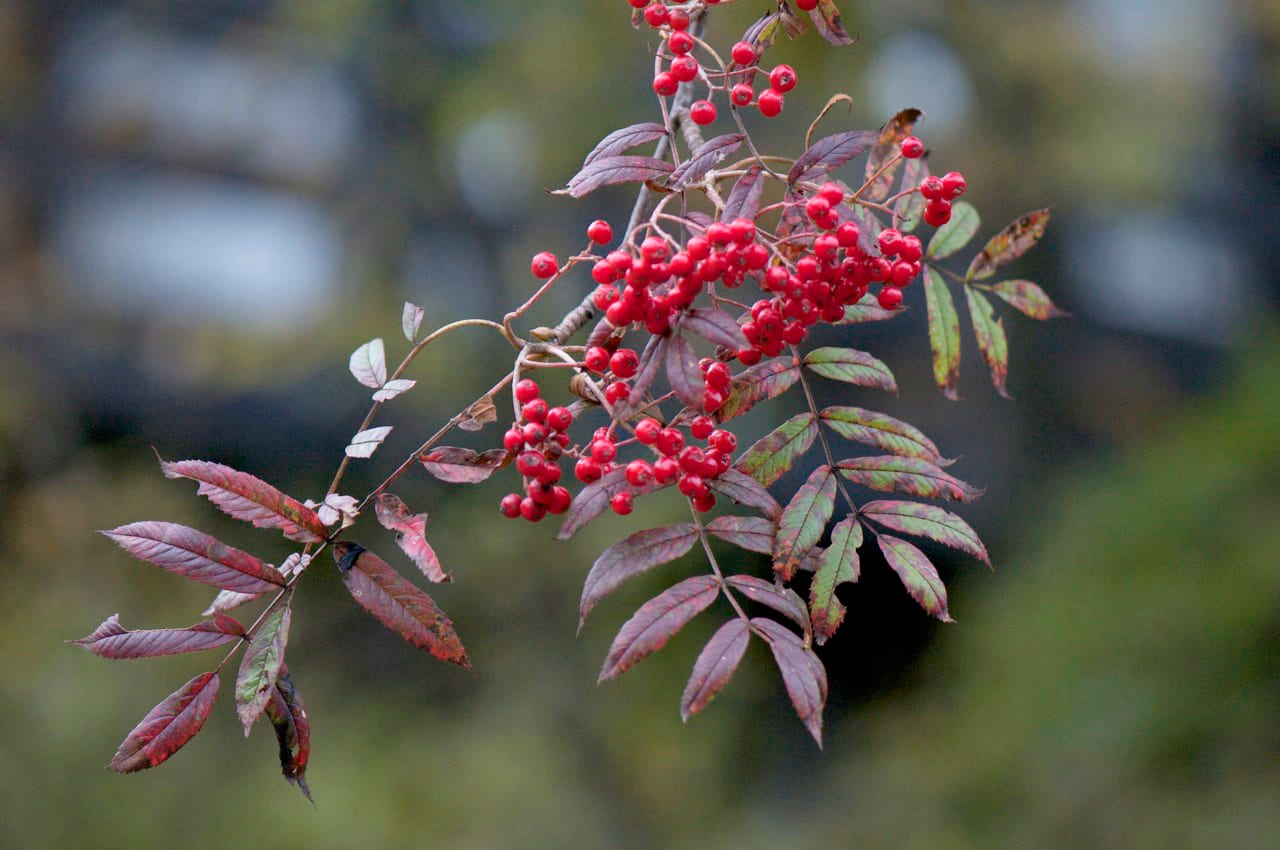 © Koichi Oda / CC BY 2.0
Japanese rowan
Sorbus commixta
A deciduous rose-family tree whose pinnate leaves turn scarlet in autumn, with clusters of red berries that stay on after leaf fall. Flat heads of small white flowers appear in early summer. It prefers cool climates and is hard to keep long in warm lowlands.
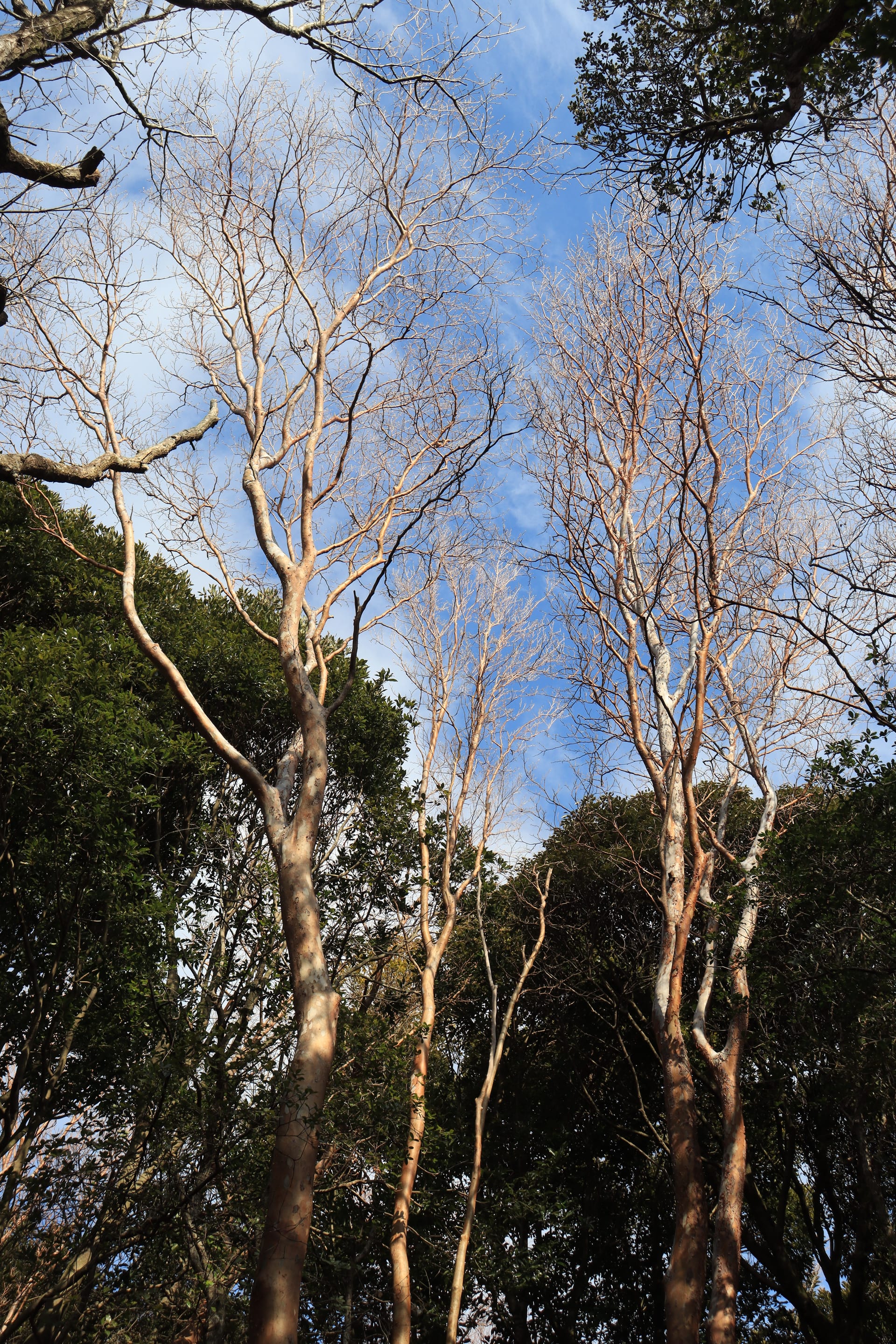 © Alpsdake / CC BY-SA 4.0
Tall stewartia
Stewartia monadelpha
A deciduous tree of the camellia family whose smooth, red-brown trunk is counted among Japan's three most beautiful barks. Small white flowers 1.5–2 cm across nod in early summer, and leaves turn red in autumn. Smaller in flower and leaf than Stewartia pseudocamellia.
Related Content
Bonsai FAQ
- How much do bonsai cost?
- Mini bonsai cost 1,000-5,000 yen, medium bonsai 5,000-50,000 yen, and masterpiece-class large bonsai hundreds of thousands to millions of yen depending on age, size, and form.
- Can beginners start bonsai?
- Starting with small Japanese maple, Shimpaku juniper, or Japanese white pine is recommended. With basic watering and 1-2 annual prunings, beginners can fully enjoy bonsai.
- How long do bonsai live?
- With proper care, bonsai can live for hundreds of years. Japan has many bonsai several centuries old, valued as art pieces passed down across generations.
- What should I check when buying bonsai?
- Look at root spread, trunk movement, and branch balance. Beginners may enjoy starting with affordable raw material trees and shaping them, rather than finished specimens.
- What's most important for bonsai care?
- Daily watering is the most important task. Water thoroughly when the soil surface dries, twice daily in summer (morning and evening). Keep outdoors in a spot with good airflow and sunlight.