Bonsai Encyclopedia
Encyclopedia of popular bonsai species with care guides, traits, and styling tips.
Featured Bonsai
Showing 62 of 137 species(1–24)
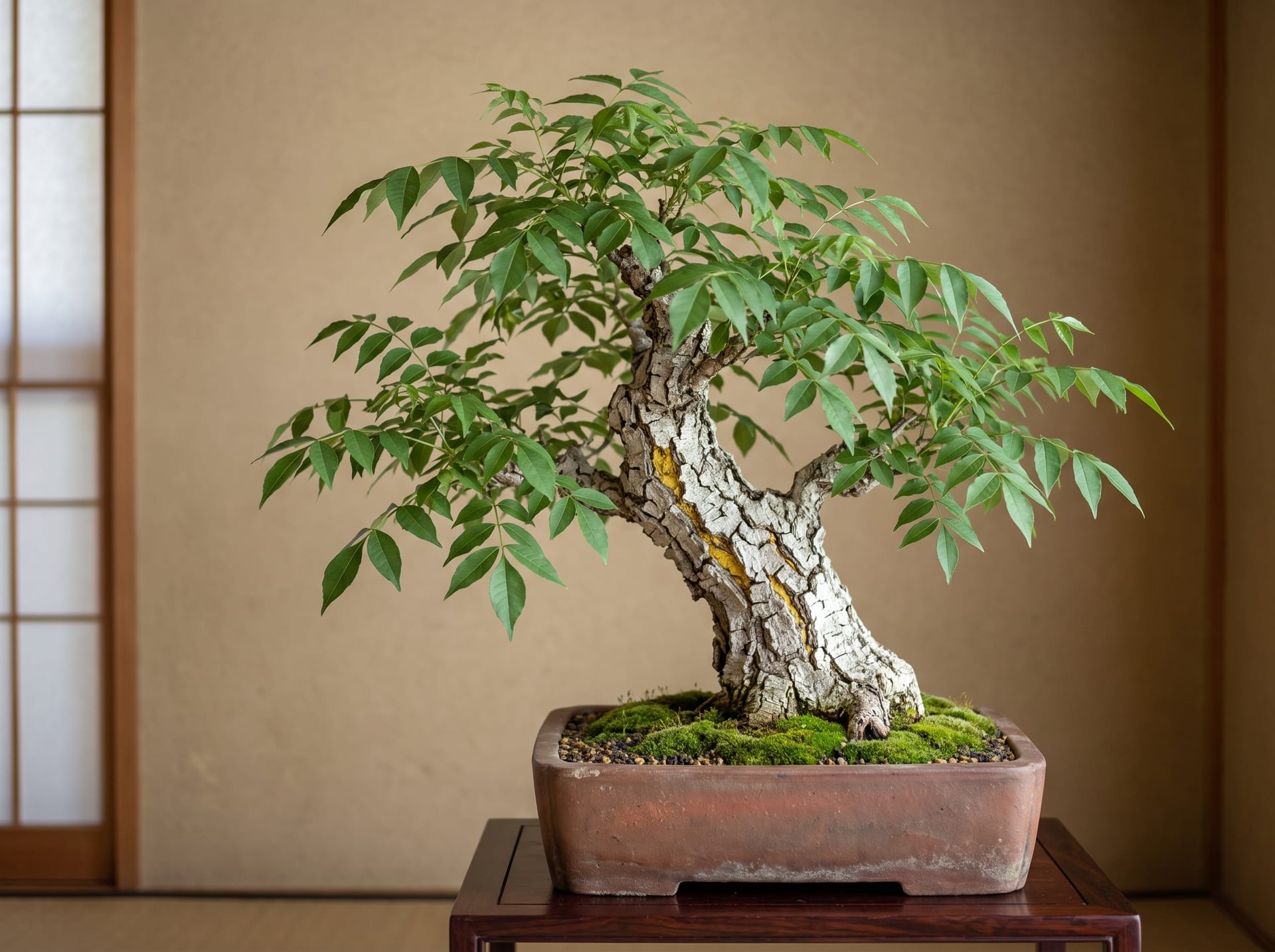
Amur Cork Tree
Phellodendron amurense
Deciduous tree with vivid yellow inner bark. In bonsai, contrast between yellow bark and autumn color is beautiful. Known in traditional medicine with distinctive bitter taste.
 © Sailko / CC BY-SA 4.0
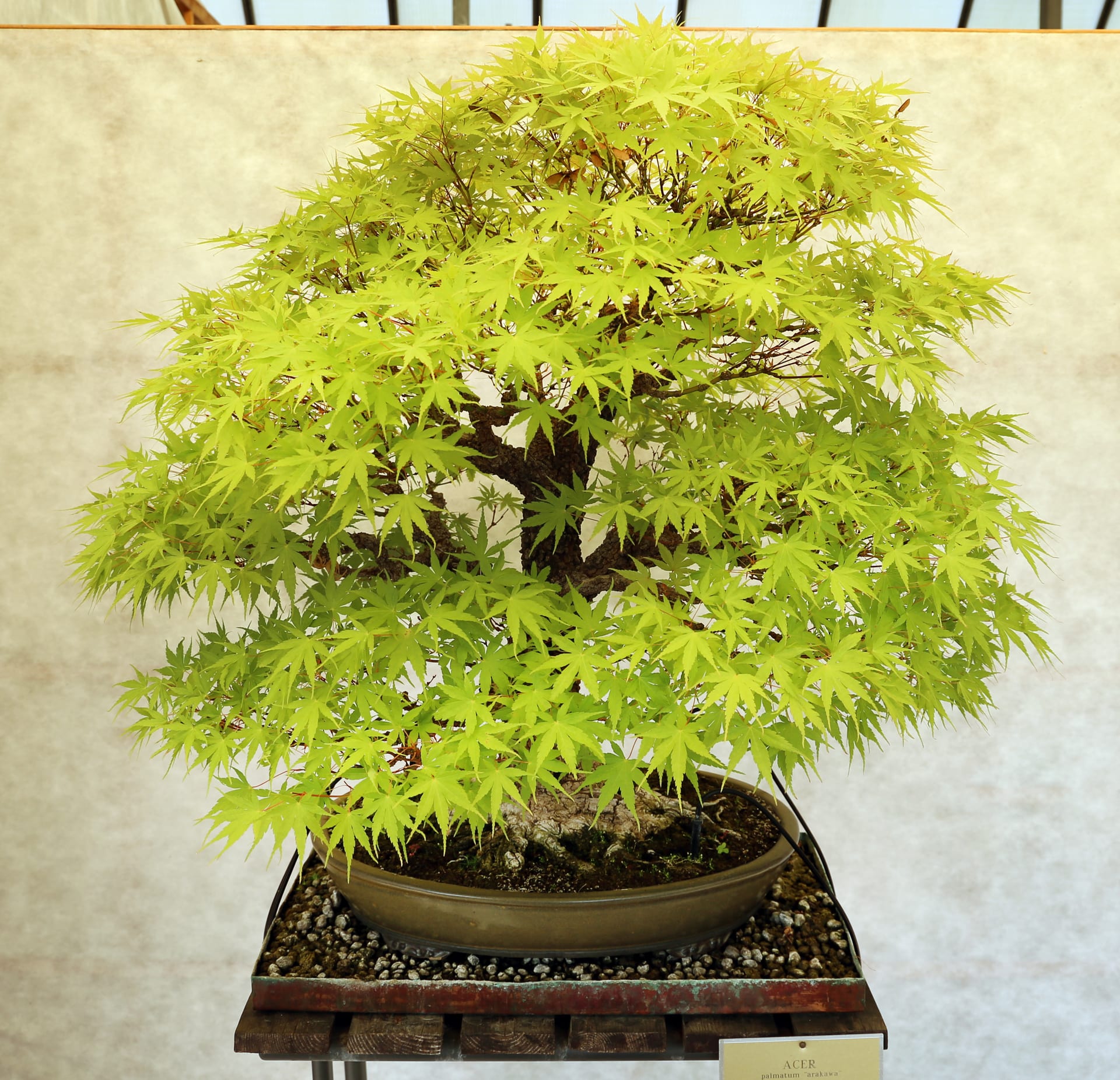
Arakawa (rough-bark) Japanese maple
Acer palmatum 'Arakawa'
A 'rough-bark' maple whose trunk roughens even when young, quickly giving the look of an old tree. The bark alone tells it apart from the smooth-barked ordinary maple, so even young material can look aged.
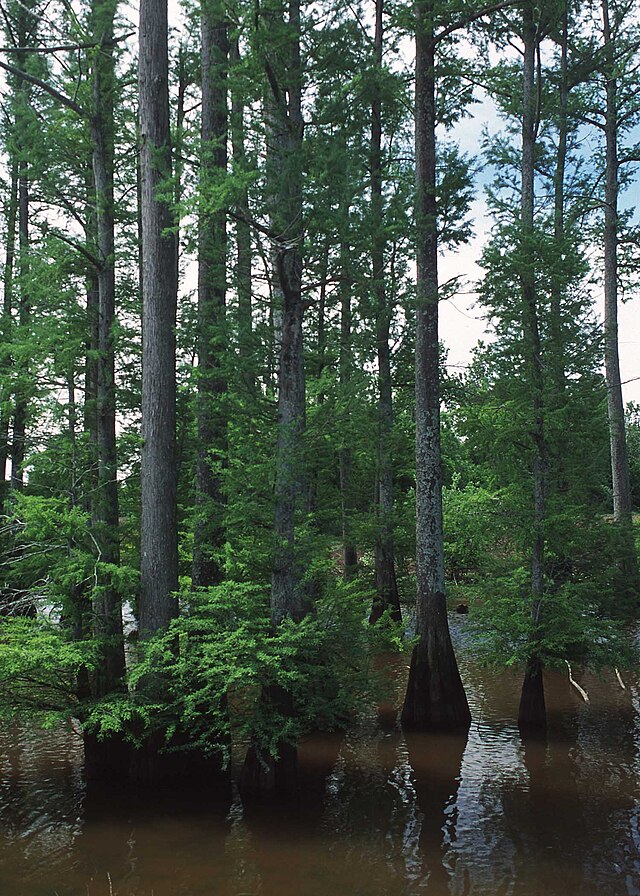
Bald Cypress
Taxodium distichum
Deciduous conifer from North America. Native to wetlands with distinctive knee roots. Beautiful autumn color and delicate winter branching. Can be displayed in water trays.
 © peganum from Small Dole, England / CC BY-SA 2.0
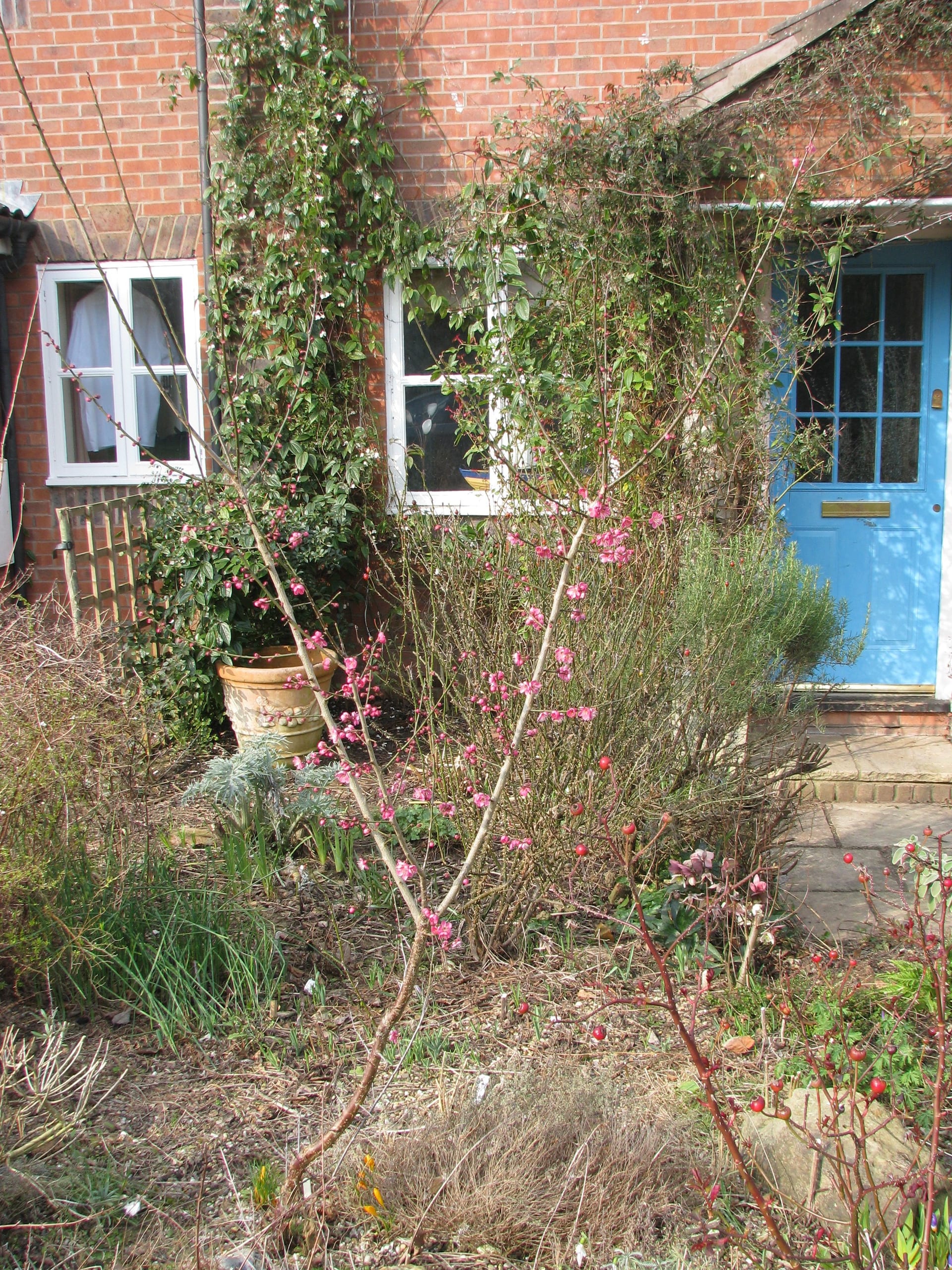
Beni-chidori Japanese apricot
Prunus mume 'Beni-chidori'
A flowering ume with deep red single flowers in which some stamens have turned petal-like, said to look like plovers (chidori) in flight. It blooms late among flowering ume and had no pollen in a prefectural trial.
 © Alpsdake / CC0
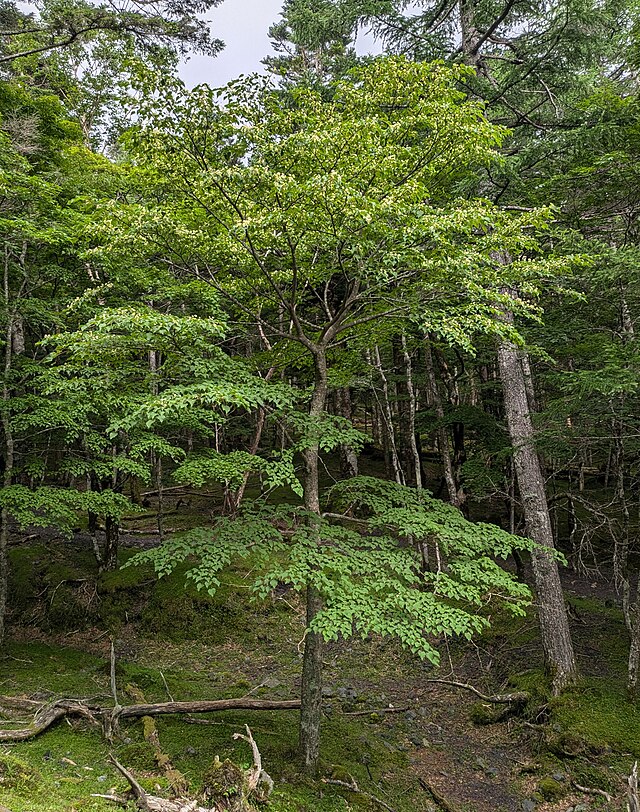
Bodaiju (Tilia miqueliana)
Tilia miqueliana
A tree deeply connected to Buddhism. Heart-shaped leaves are characteristic but can be reduced in bonsai. Yellow flowers and autumn color are attractive. Evokes temple atmosphere.
 © Clint Budd / CC BY 2.0
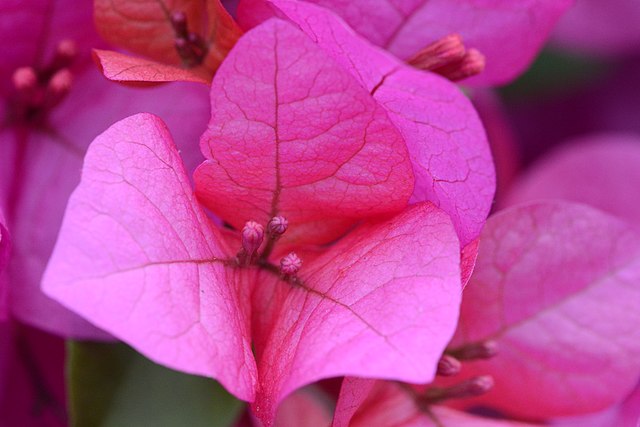
Bougainvillea
Bougainvillea
Iconic tropical flowering plant. The colorful parts are bracts, not flowers. Best in warm regions but can be grown indoors in cooler areas. Thick trunks add character.
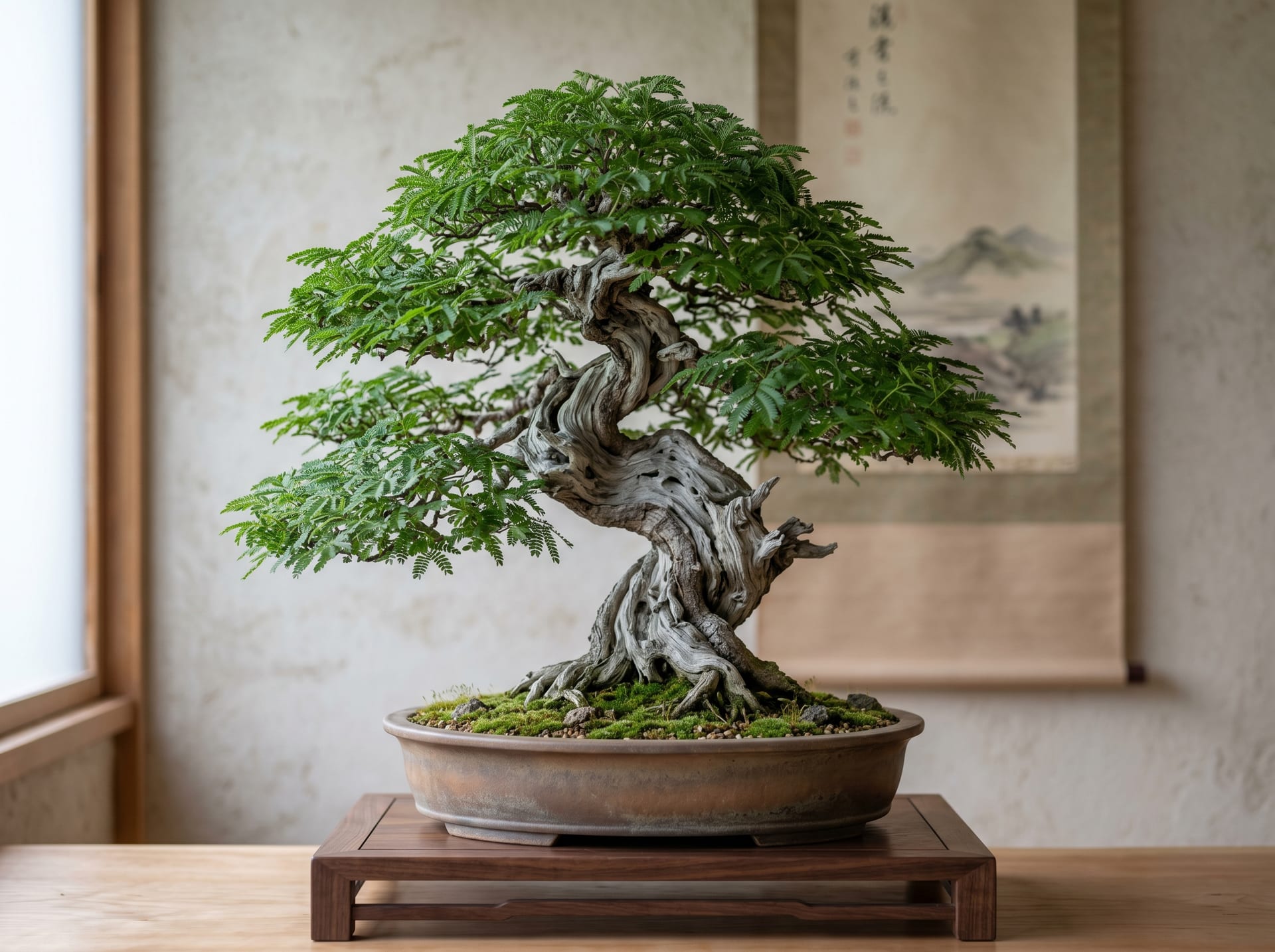
Brazilian Rain Tree
Chloroleucon tortum
Tropical tree characterized by nyctinastic leaf movements, closing at night and in rain. Delicate pinnate leaves and white flowers. Peeling bark adds interest. Indoor management required.
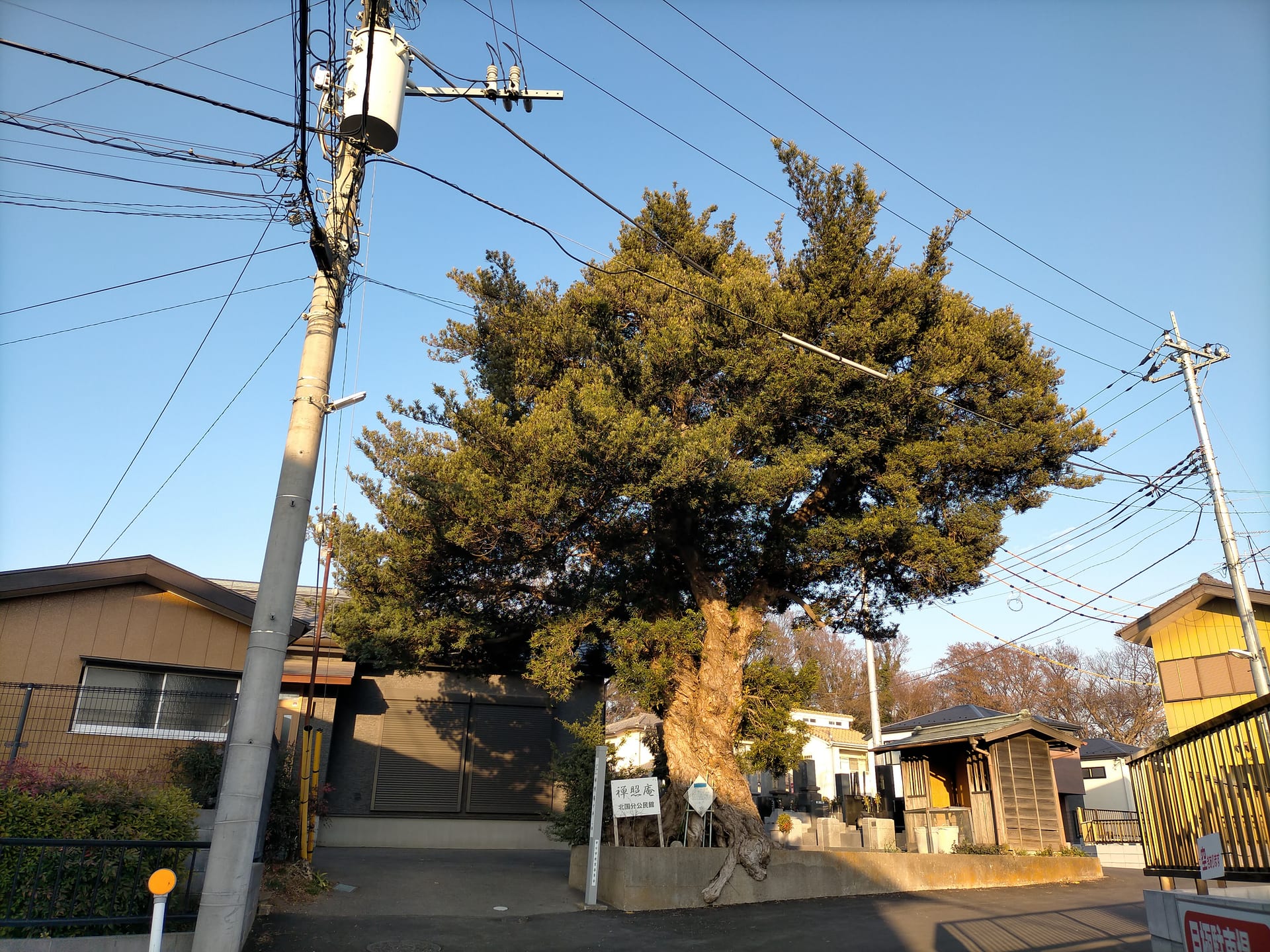 © 四葉亭四迷 / CC0
Buddhist pine (maki)
Podocarpus macrophyllus var. maki
An evergreen conifer, a variety of Podocarpus macrophyllus with shorter, narrower, denser leaves, slower growth and a tighter form. Well known as a garden and hedge tree, it takes pruning well and is also grown as conifer bonsai.
 © junichiro aoyama from Kyoto, Japan / CC BY 2.0
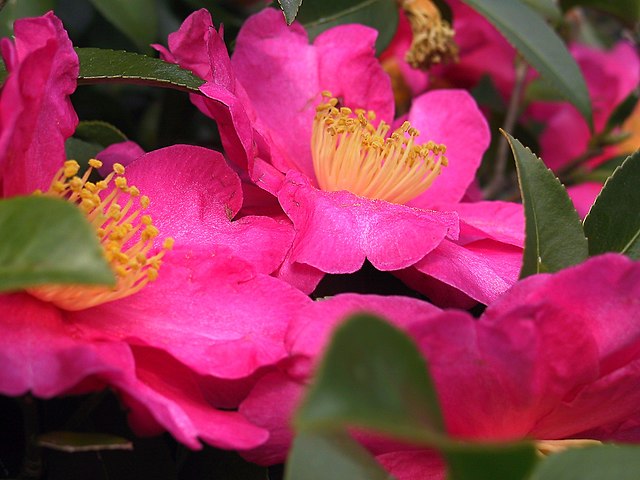
Camellia
Camellia japonica
Iconic Japanese evergreen flowering tree. Blooms in winter to spring in red, white, and pink varieties. Glossy dark green leaves complement flowers perfectly in bonsai.
 © Krzysztof Ziarnek, Kenraiz / CC BY-SA 4.0
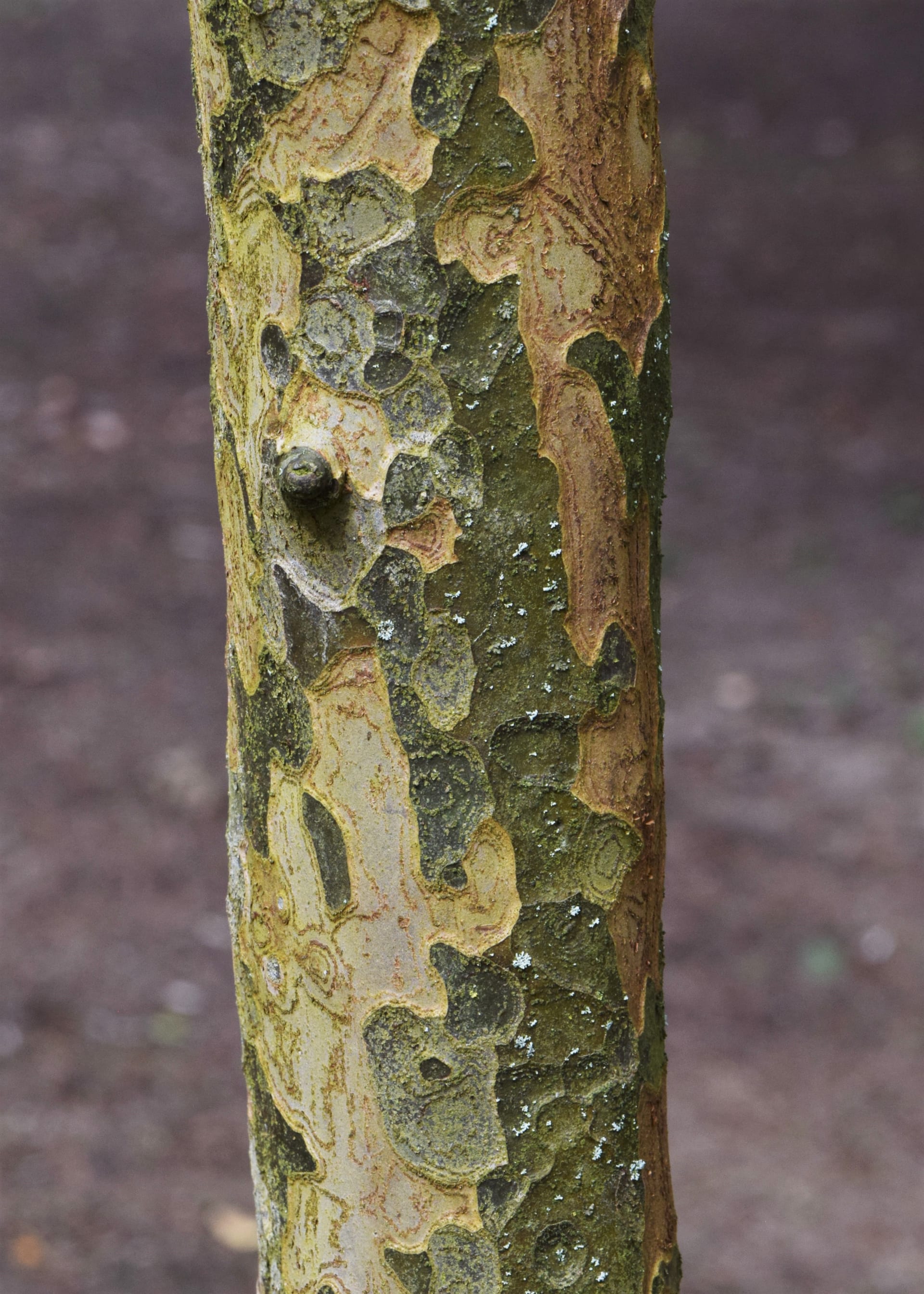
Chinese quince
Pseudocydonia sinensis
A deciduous rose-family tree from China whose bark flakes into a mottled greenish-brown pattern. Pale pink flowers in spring are followed by large yellow fruits 10–15 cm long; it has been called the king of fruiting bonsai.
 © Alpsdake / CC BY-SA 4.0
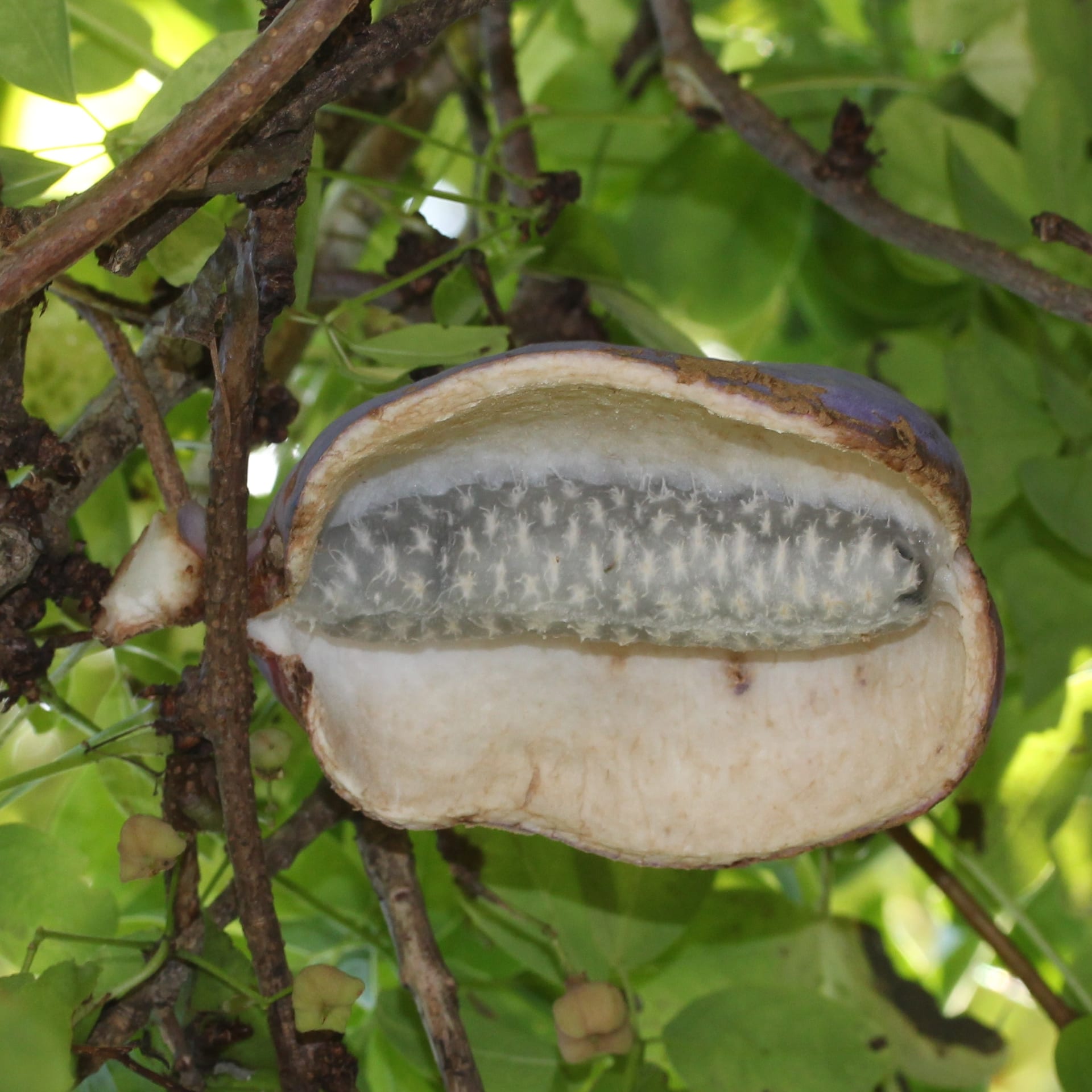
Chocolate vine
Akebia quinata
A deciduous climber with palmate leaves of five leaflets, pale purple flowers in spring and purple fruits 7–10 cm long in autumn that split lengthwise when ripe. It is self-incompatible, so fruit needs pollen from another plant.
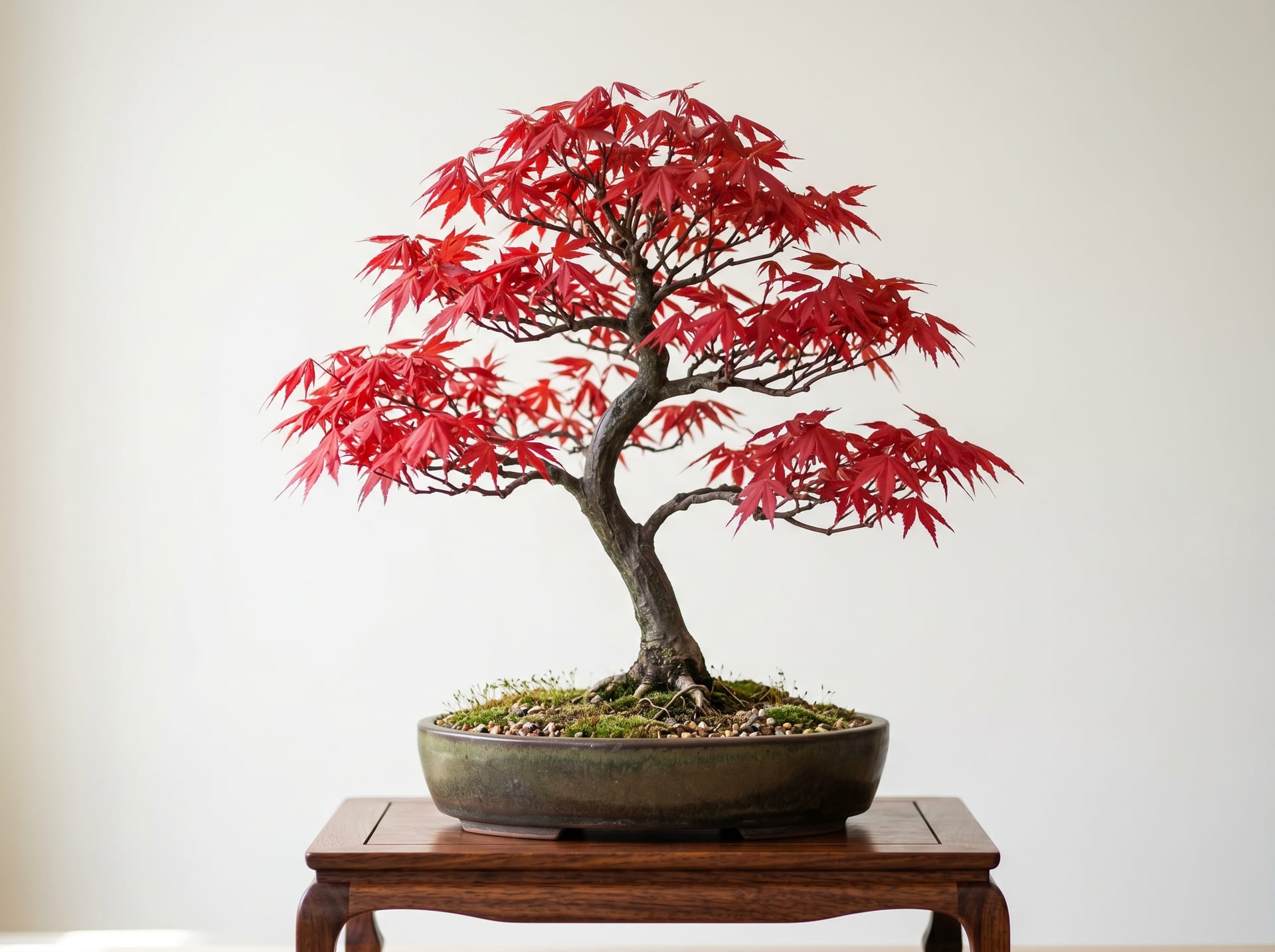
Deshojo Maple
Acer palmatum 'Deshojo'
A maple cultivar famed for vivid crimson spring foliage. Beautiful color transitions through green to autumn red. Especially popular as shohin bonsai.
 © 松岡明芳 / CC BY-SA 4.0
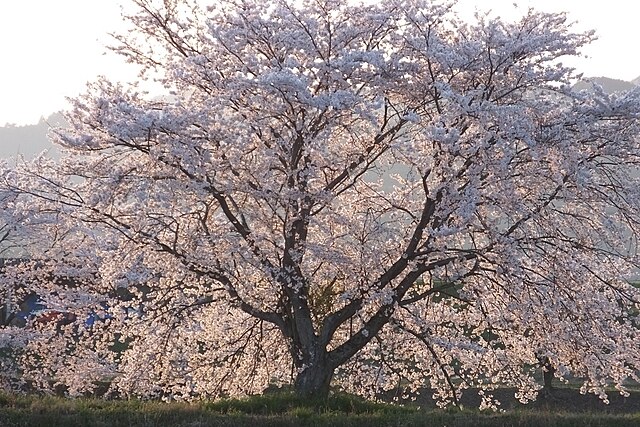
Flowering Cherry
Japans iconic flowering tree. Spring blooms are spectacularly beautiful even as bonsai. Compact varieties like Fuji-zakura suit bonsai. Post-bloom care determines next years flowering.
 © Σ64 / CC BY 3.0
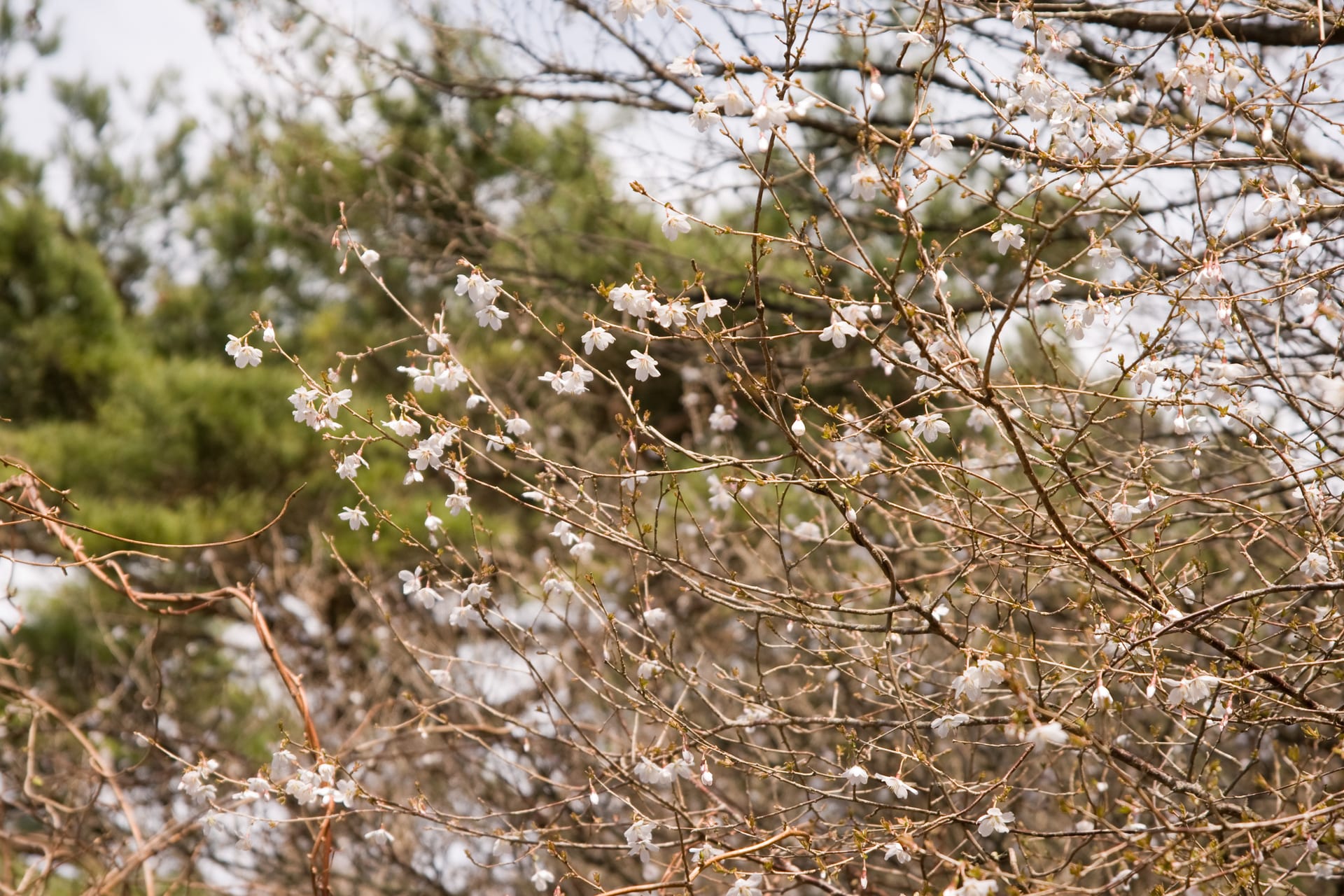
Fuji cherry
Prunus incisa
Another name for the mame-zakura, a small wild cherry endemic to Japan and common around Mt. Fuji and Hakone. Small in flower, leaf and stature, it bears little white to pale pink, nodding flowers even on short trees, so it blooms well as bonsai.
 © M108t / CC BY 4.0
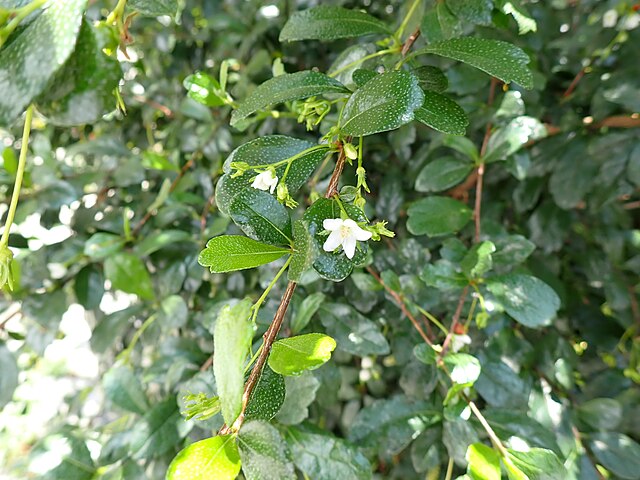
Fukien Tea
Ehretia microphylla
Evergreen from southern China. Small glossy leaves, white flowers, and red berries. Tropical species popular worldwide as indoor bonsai. Trunk bark has unique texture.
 © Queerbubbles / CC BY-SA 3.0
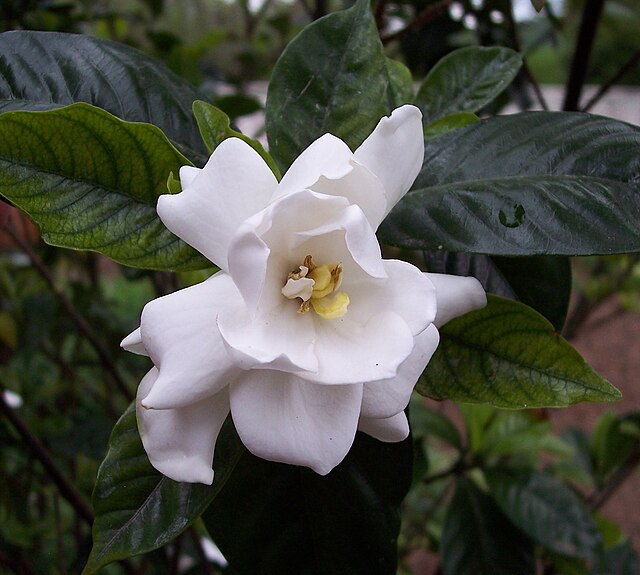
Gardenia
Gardenia jasminoides
Evergreen shrub with pure white fragrant flowers. Single-flower types bear orange fruit in autumn, enjoying both blooms and berries. Popular from shohin to mini bonsai.
 © Bob Nichols, USDA ARS / Public domain
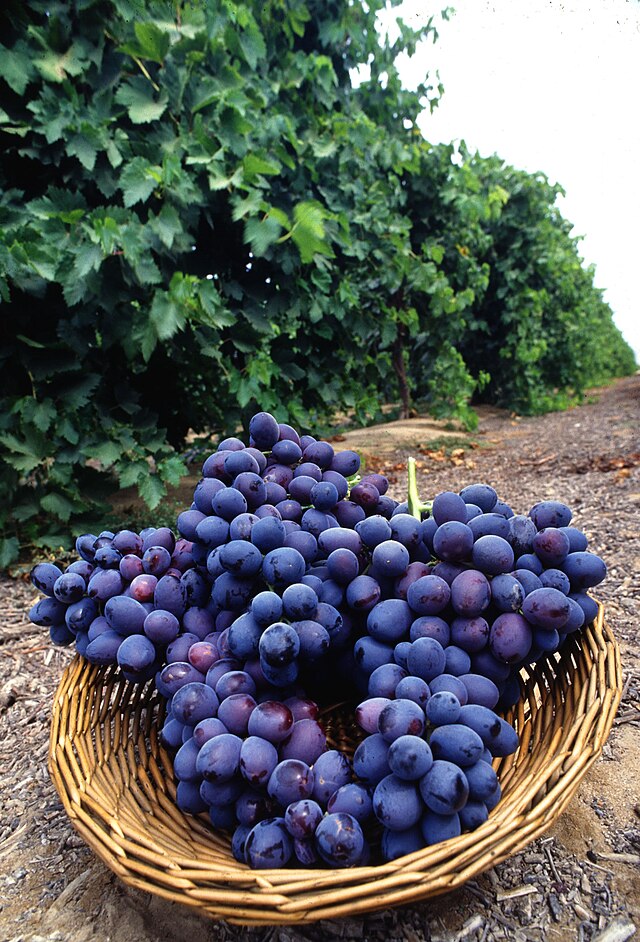
Grape Bonsai
Vitis
A highly artistic bonsai from vine fruit trees. Thick trunks and hanging fruit clusters full of charm. Wild grape and small-fruit varieties suit bonsai best.
 © 杉山宣嗣 / CC BY-SA 4.0
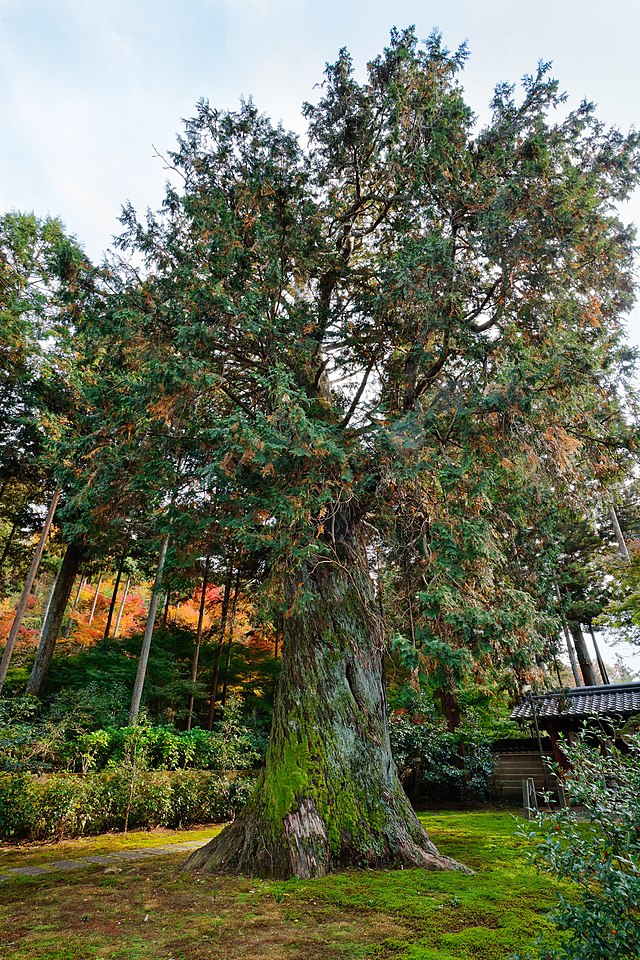
Hinoki Cypress
Chamaecyparis obtusa
Iconic Japanese conifer with fan-shaped scale leaves and reddish-brown bark. Famous as temple building material with refreshing fragrance. Enjoyed as shohin to medium bonsai.
 © David J. Stang / CC BY-SA 4.0
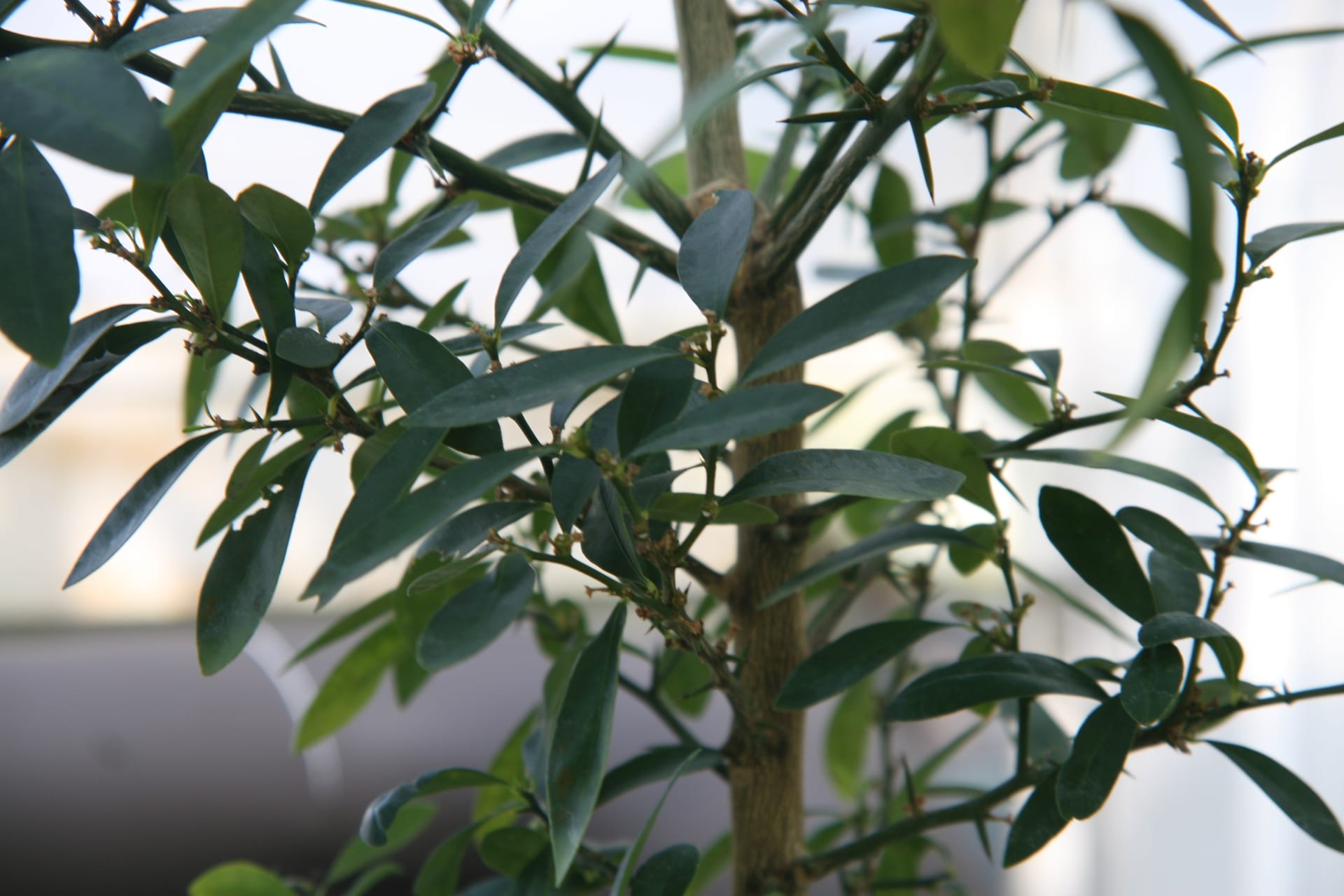
Hong Kong kumquat
Fortunella hindsii
A tiny kumquat from southern China including Hong Kong, bearing orange fruits about 1 cm across along its branches. The fruit has almost no flesh and is not for eating, but through winter the plant looks like a miniature orange tree.
 © Kakidai / CC BY-SA 3.0
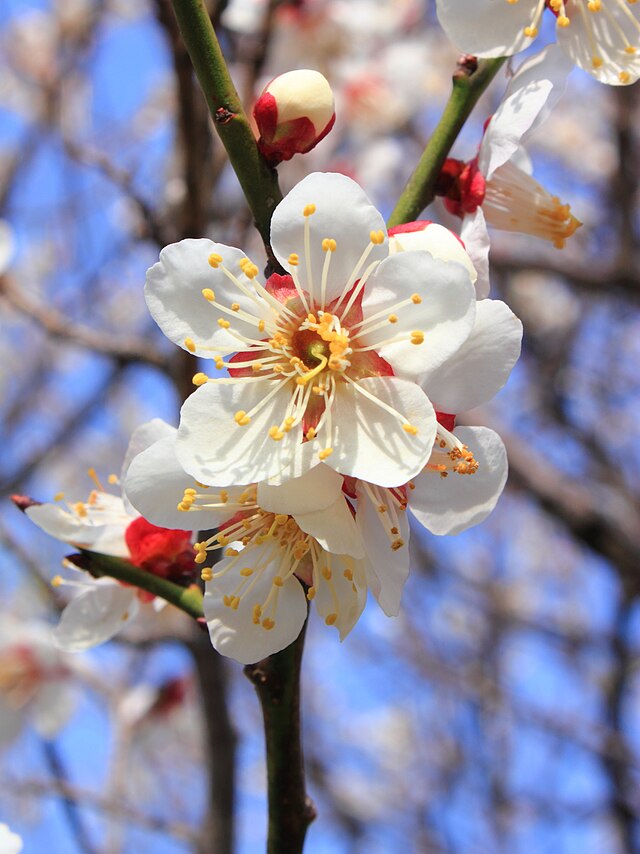
Japanese Apricot
Prunus mume
The quintessential flowering bonsai, blooming with fragrant flowers in early spring. Aged bark and elegant blossoms embody traditional Japanese beauty. Cherished since ancient times.
 © Tanaka Juuyoh / CC BY 2.0
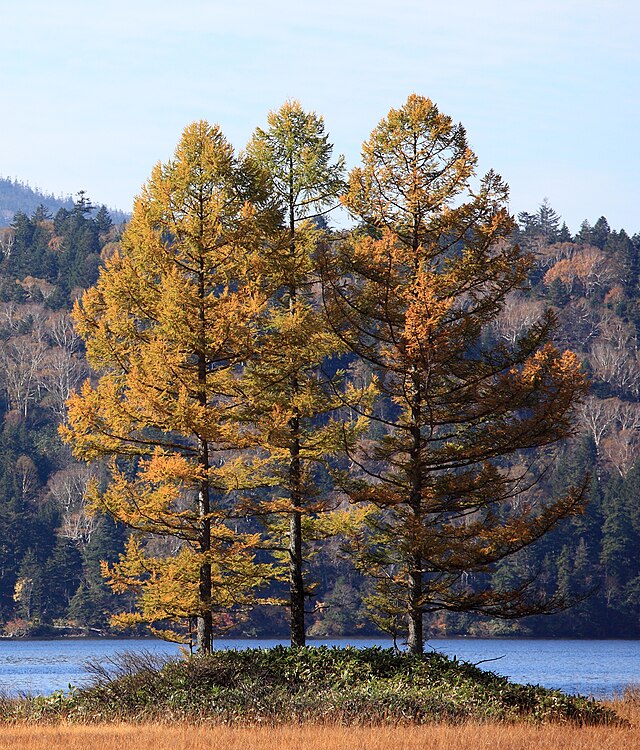
Japanese Larch
Larix kaempferi
Japan's only deciduous conifer. Enjoy four seasons from spring budding to autumn gold to winter silhouette. Native to alpine regions with powerful trunk character.
 © Kurt Stüber [1] / CC BY-SA 3.0
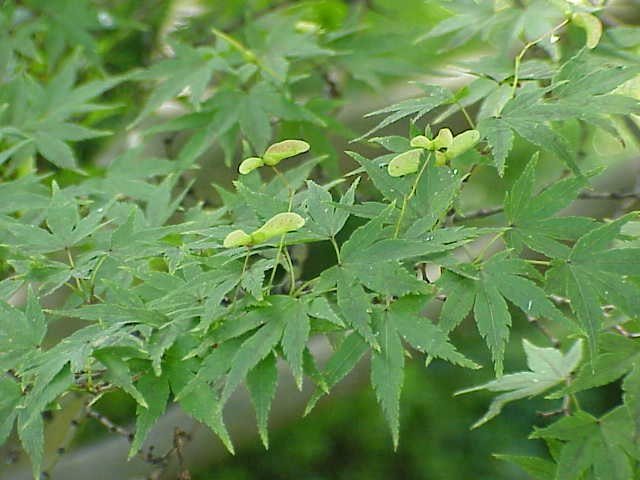
Japanese Maple
Acer palmatum
The quintessential deciduous bonsai, showcasing all four seasons — spring green, summer foliage, autumn color, winter silhouette. Fine ramification and small leaves are the hallmarks.
 © Miya / CC BY-SA 3.0
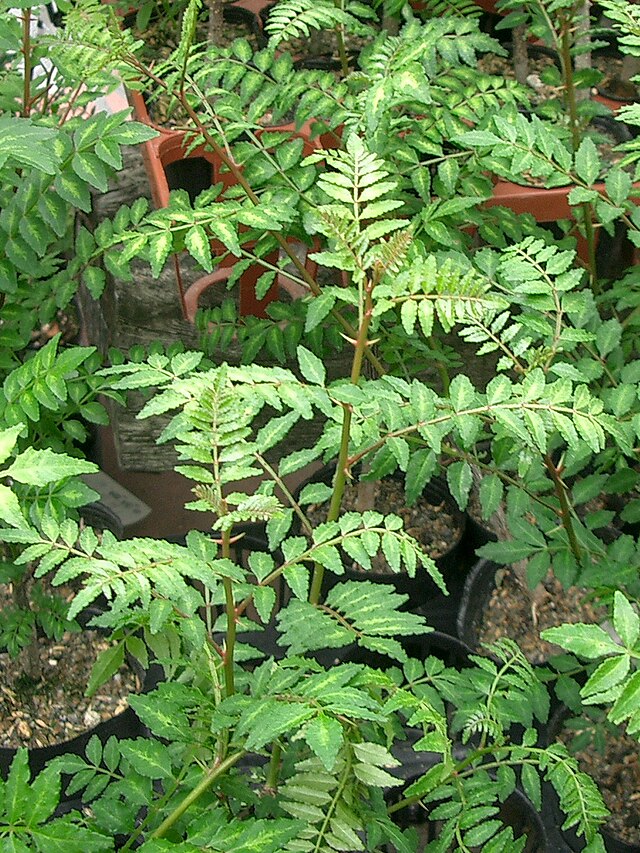
Japanese Pepper
Zanthoxylum piperitum
Familiar deciduous shrub from Japanese cuisine. Small leaves and branch thorns create delicate bonsai character. Early summer flowers and red autumn berries. Unique fragrance.
 © Tomomarusan / CC BY 2.5
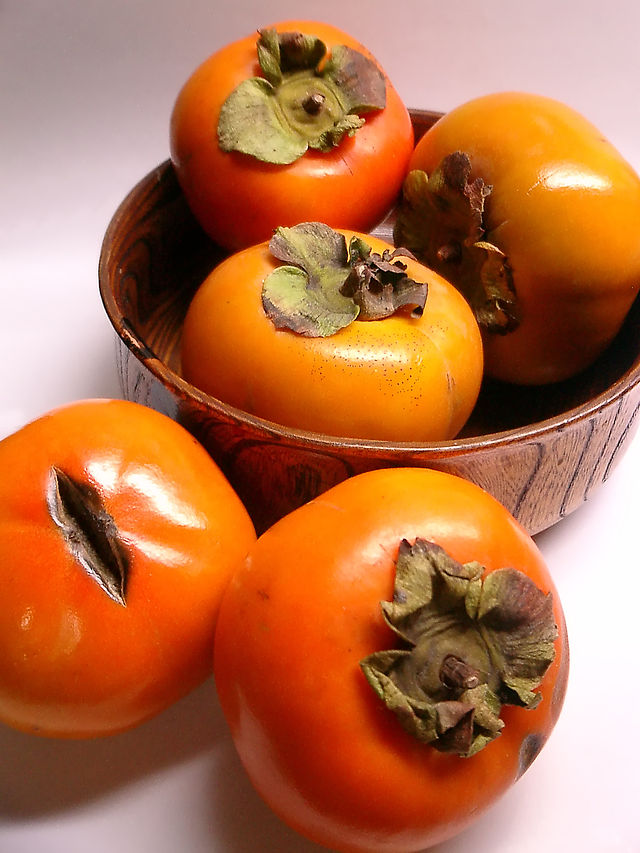
Japanese Persimmon
Diospyros kaki
Representative fruiting bonsai with beautiful autumn-colored fruits. Aged trees develop characterful cracked bark. Dwarf persimmon (Rouya-gaki) is especially popular.
Related Content
Bonsai FAQ
- How much do bonsai cost?
- Mini bonsai cost 1,000-5,000 yen, medium bonsai 5,000-50,000 yen, and masterpiece-class large bonsai hundreds of thousands to millions of yen depending on age, size, and form.
- Can beginners start bonsai?
- Starting with small Japanese maple, Shimpaku juniper, or Japanese white pine is recommended. With basic watering and 1-2 annual prunings, beginners can fully enjoy bonsai.
- How long do bonsai live?
- With proper care, bonsai can live for hundreds of years. Japan has many bonsai several centuries old, valued as art pieces passed down across generations.
- What should I check when buying bonsai?
- Look at root spread, trunk movement, and branch balance. Beginners may enjoy starting with affordable raw material trees and shaping them, rather than finished specimens.
- What's most important for bonsai care?
- Daily watering is the most important task. Water thoroughly when the soil surface dries, twice daily in summer (morning and evening). Keep outdoors in a spot with good airflow and sunlight.