Bonsai Encyclopedia
Encyclopedia of popular bonsai species with care guides, traits, and styling tips.
Featured Bonsai
Showing 11 of 137 species
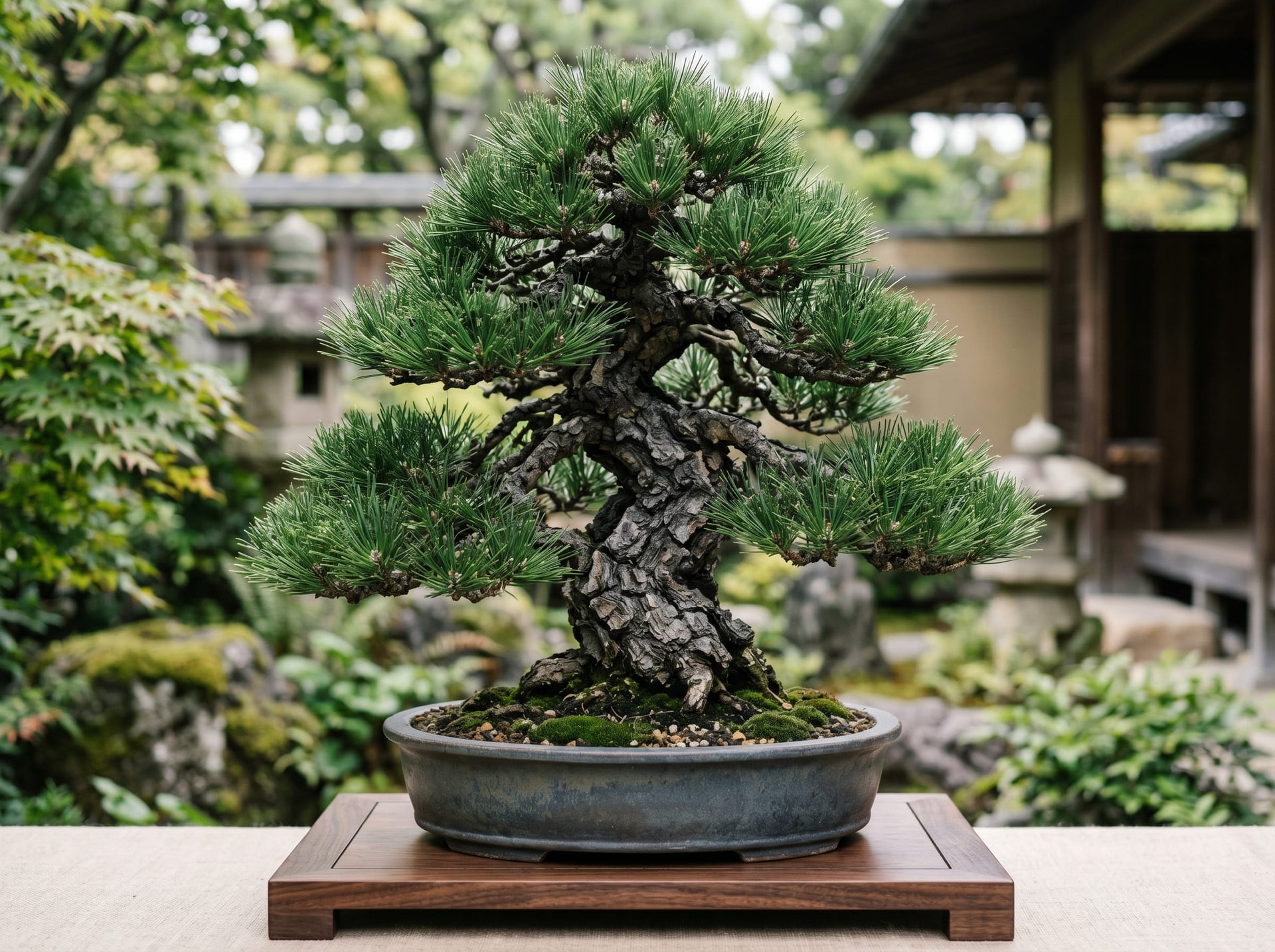
Cork Bark Japanese White Pine
Pinus parviflora
A variety of white pine with bark that develops cork-like texture. Striking contrast between rugged bark and delicate five-needle foliage. Bark deepens with age, gaining dignity.
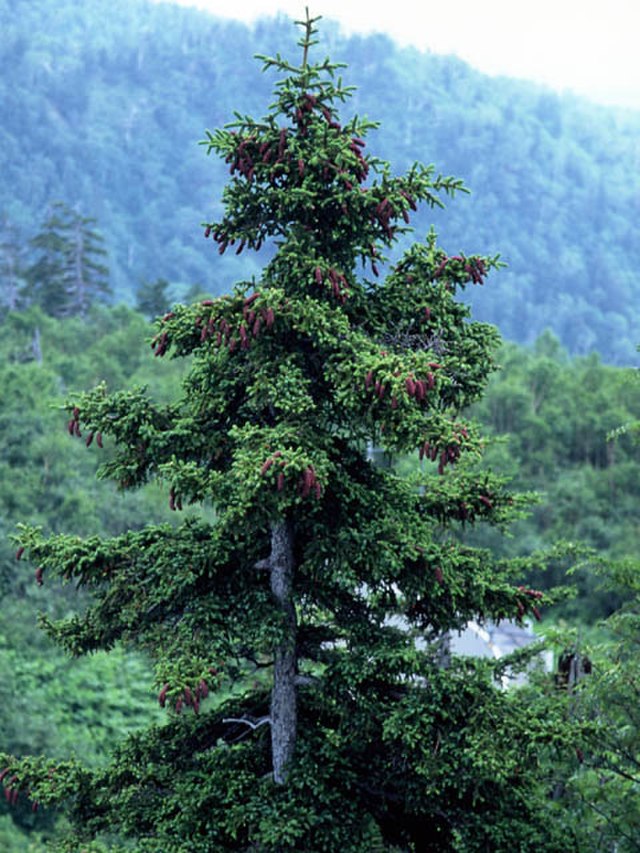 © No machine-readable author provided. Inti-sol~commonswiki assumed (based on copyright claims). / CC BY-SA 3.0
Ezo Spruce
Picea jezoensis
Conifer native to Hokkaido. Dense short needles create a rugged appearance reflecting harsh northern climates. Extremely cold hardy, ideal for bonsai in cold regions.
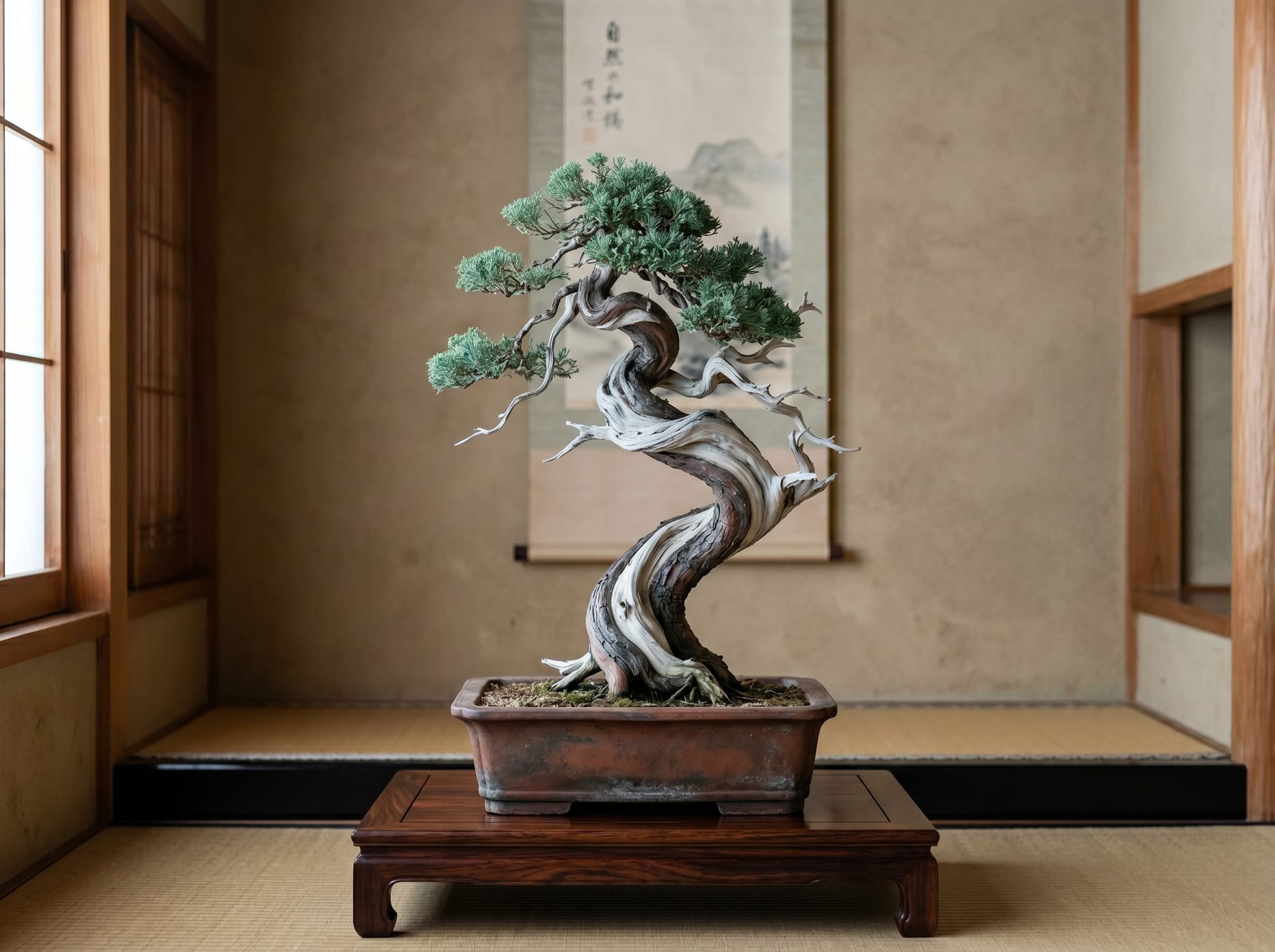
Itoigawa Shimpaku Juniper
Juniperus chinensis var. sargentii 'Itoigawa'
The finest Shimpaku variety from Itoigawa. Extremely fine scale foliage grows densely, prized for delicate leaf character. Produced many masterpieces at exhibitions.
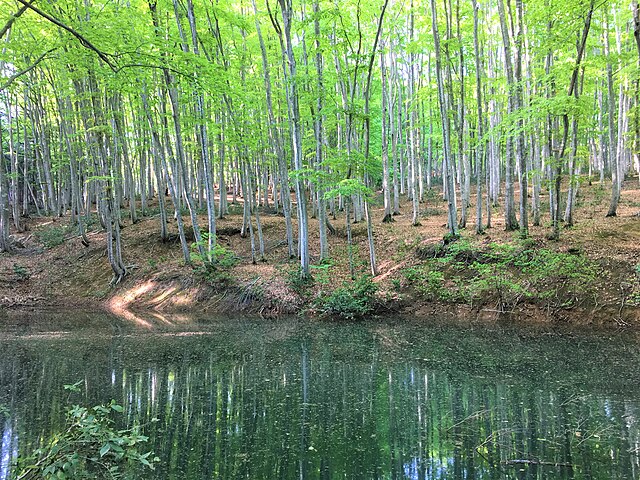 © Nihongo1234 / CC BY-SA 4.0
Japanese Beech
Fagus crenata
Bonsai of a tall deciduous tree with smooth silver-white bark and elegant form. Enjoy spring budding, summer green, autumn gold, and winter marcescent leaves.
 © northofsweden from Sweden / CC BY 2.0
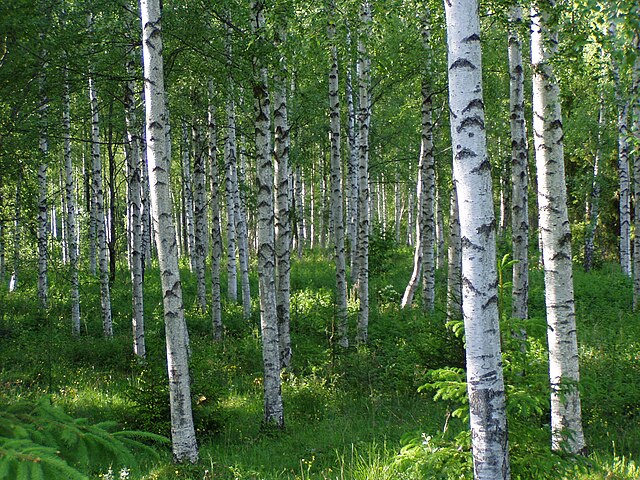
Japanese Birch
Betula platyphylla
A deciduous bonsai prized for its white bark. As a tree of cool highlands it suffers in lowland summer heat and dryness, so partial shade and keeping the roots cool are the keys. It shifts through fresh green, gold and bare white trunks.
 © User:Jetoney / Public domain
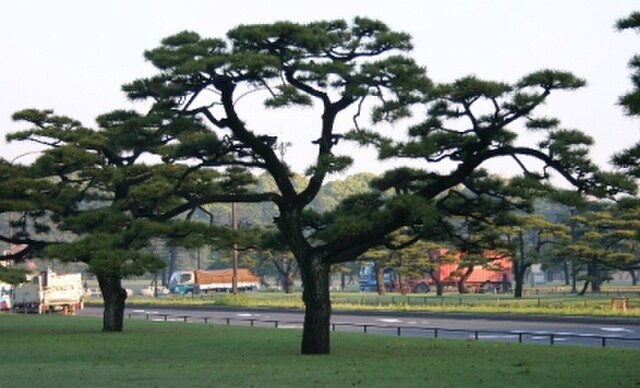
Japanese Black Pine
Pinus thunbergii
The ultimate bonsai classic. Rugged bark and powerful branching are its greatest appeal. Faster than white pine; advanced techniques like bud cutting create refined canopies. Challenging but supremely rewarding.
 © Bruce Marlin / CC BY 3.0
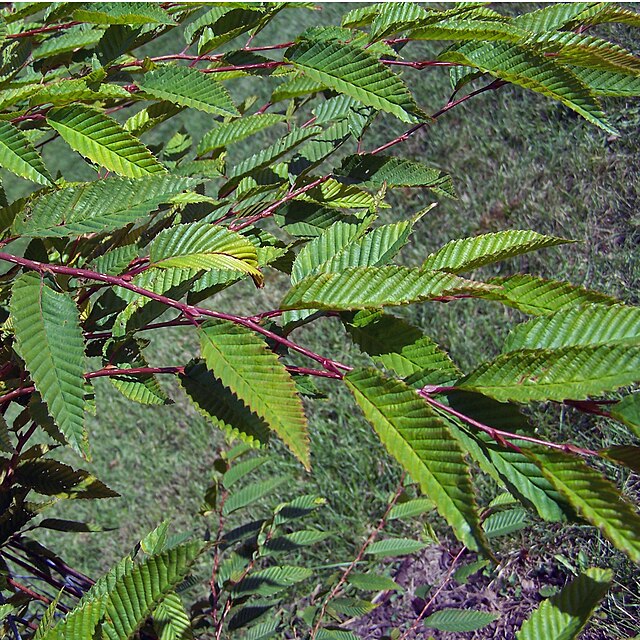
Japanese Hornbeam
Carpinus japonica
A deciduous bonsai tree with fine branching and ovate leaves with sharply impressed veins. Easy to train into broom or informal upright styles, with golden autumn color and pendulous fruiting catkins that resemble Shinto paper streamers.
 © No machine-readable author provided. MPF assumed (based on copyright claims). / CC BY 2.5
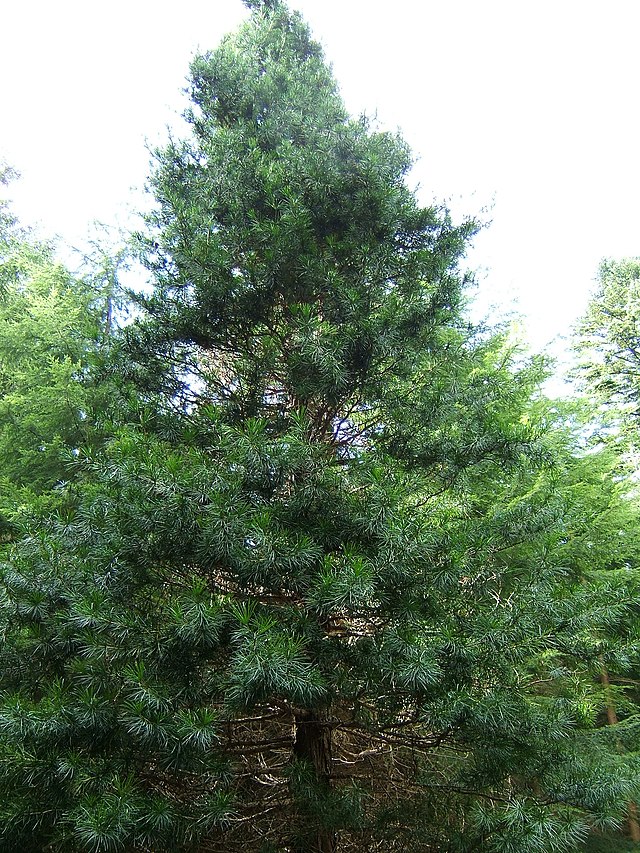
Japanese Umbrella Pine
Sciadopitys verticillata
Endemic Japanese conifer, one of the world's three great garden trees. Distinctive umbrella-like needles. Often planted at shrines and temples. Prized as an elegant bonsai.
 © Alpsdake / CC BY-SA 4.0
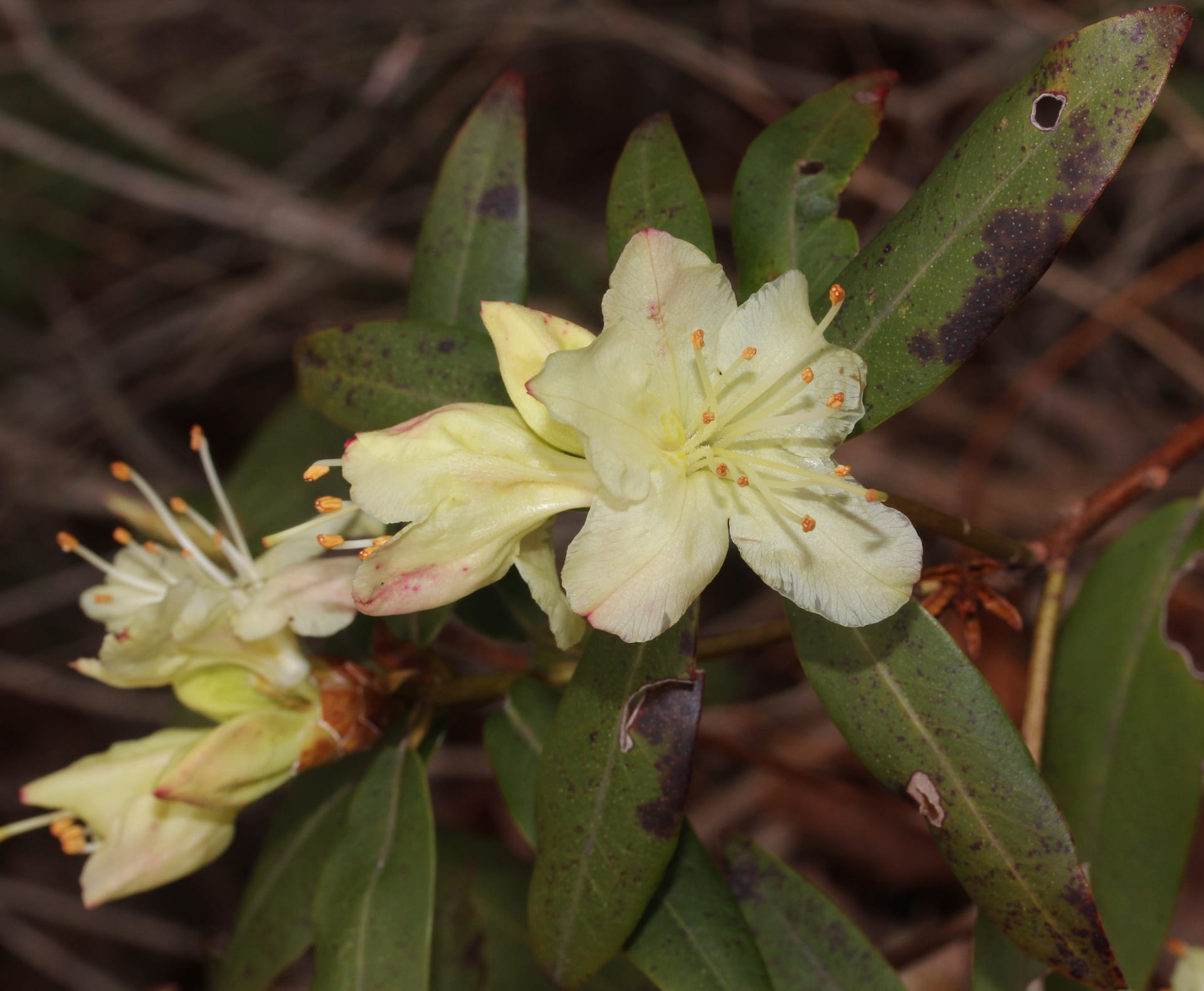
Keisk's rhododendron
Rhododendron keiskei
An endemic Japanese dwarf rhododendron, unusual among Japanese azaleas for its cream to pale yellow flowers in April–May. It grows on rocky slopes and streamsides; the creeping dwarf Yakushima form is sold for shohin and rock gardens.
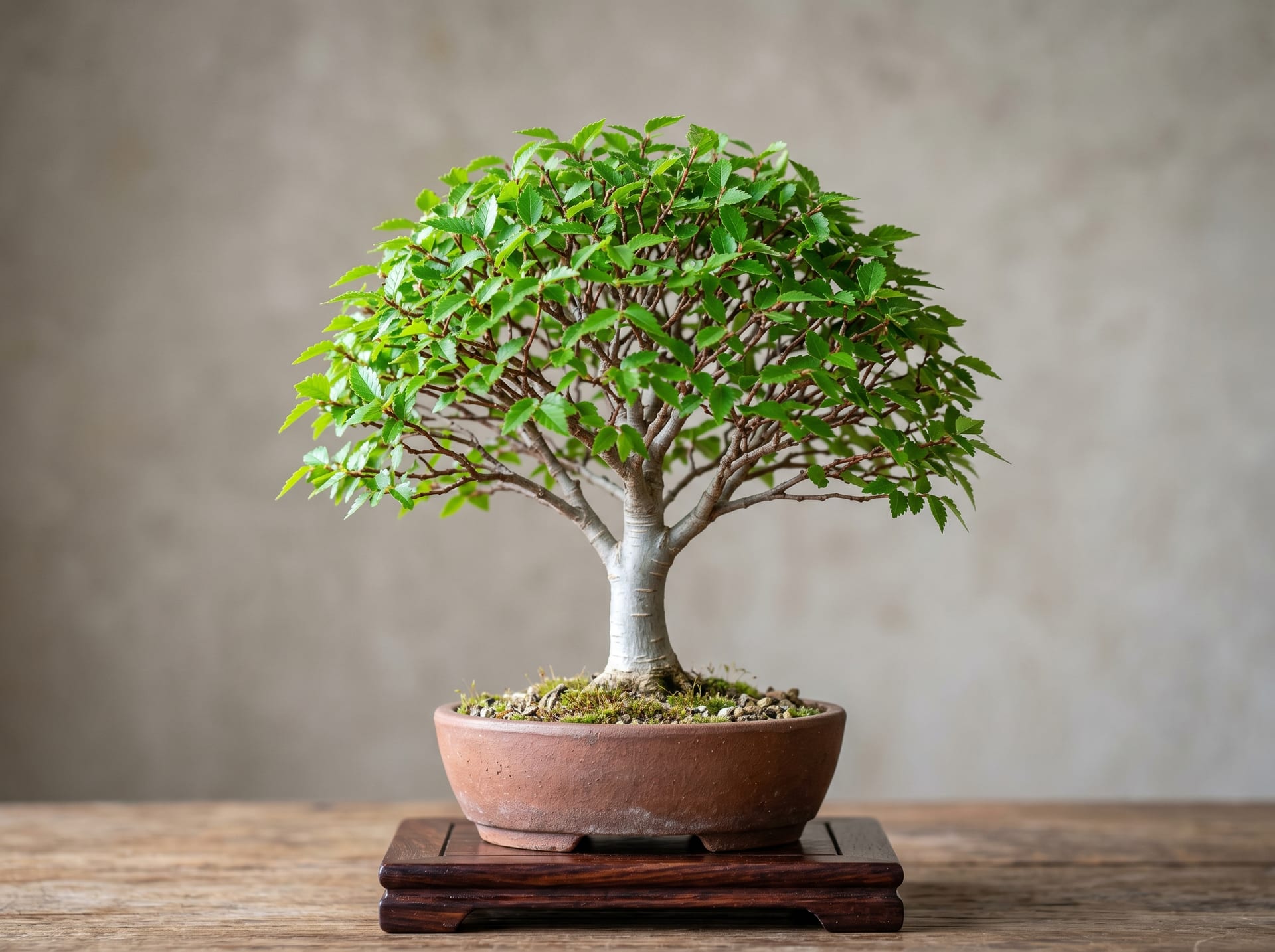
Mame Keyaki (Miniature Zelkova)
Zelkova serrata
Ultra-small zelkova variety selected specifically for mame bonsai. Forms authentic broom style even at palm size. Tiny leaves and delicate branch tips create a precise miniature world.
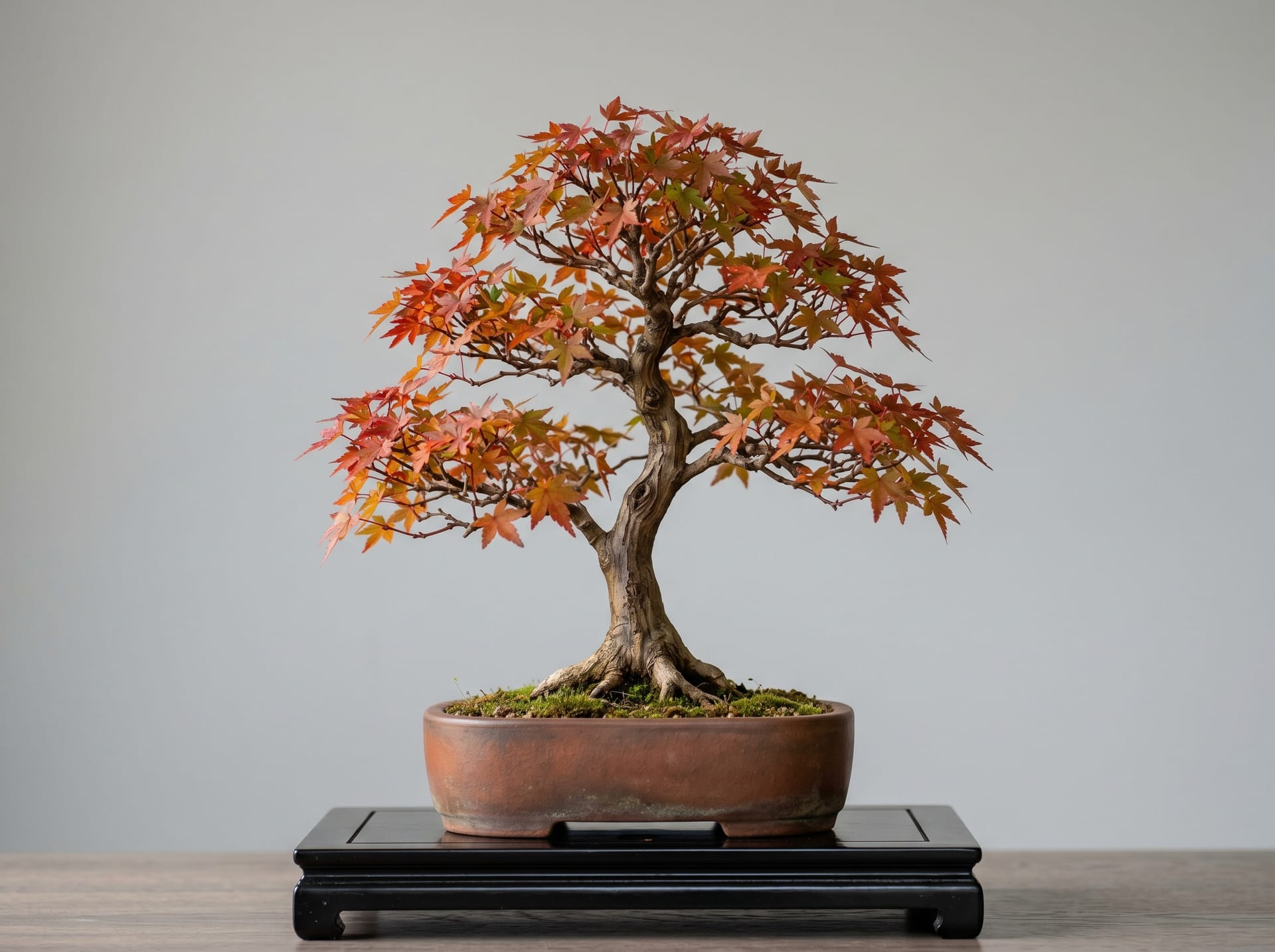
Shohin Momiji (Small Maple)
Acer palmatum
Maple styled to shohin bonsai size. Managed in smaller pots than regular maples, expressing condensed autumn scenery with delicate branches and small leaves. Ideal for display shelves.
Related Content
Bonsai FAQ
- How much do bonsai cost?
- Mini bonsai cost 1,000-5,000 yen, medium bonsai 5,000-50,000 yen, and masterpiece-class large bonsai hundreds of thousands to millions of yen depending on age, size, and form.
- Can beginners start bonsai?
- Starting with small Japanese maple, Shimpaku juniper, or Japanese white pine is recommended. With basic watering and 1-2 annual prunings, beginners can fully enjoy bonsai.
- How long do bonsai live?
- With proper care, bonsai can live for hundreds of years. Japan has many bonsai several centuries old, valued as art pieces passed down across generations.
- What should I check when buying bonsai?
- Look at root spread, trunk movement, and branch balance. Beginners may enjoy starting with affordable raw material trees and shaping them, rather than finished specimens.
- What's most important for bonsai care?
- Daily watering is the most important task. Water thoroughly when the soil surface dries, twice daily in summer (morning and evening). Keep outdoors in a spot with good airflow and sunlight.