Source: Wikimedia Commons
Nepenthes Hamata
AdvancedNepenthes hamata
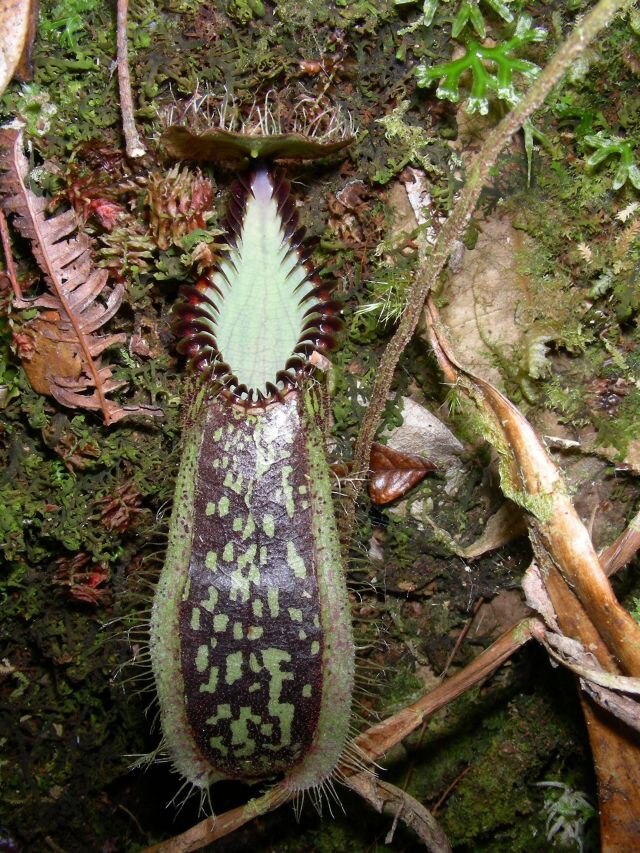
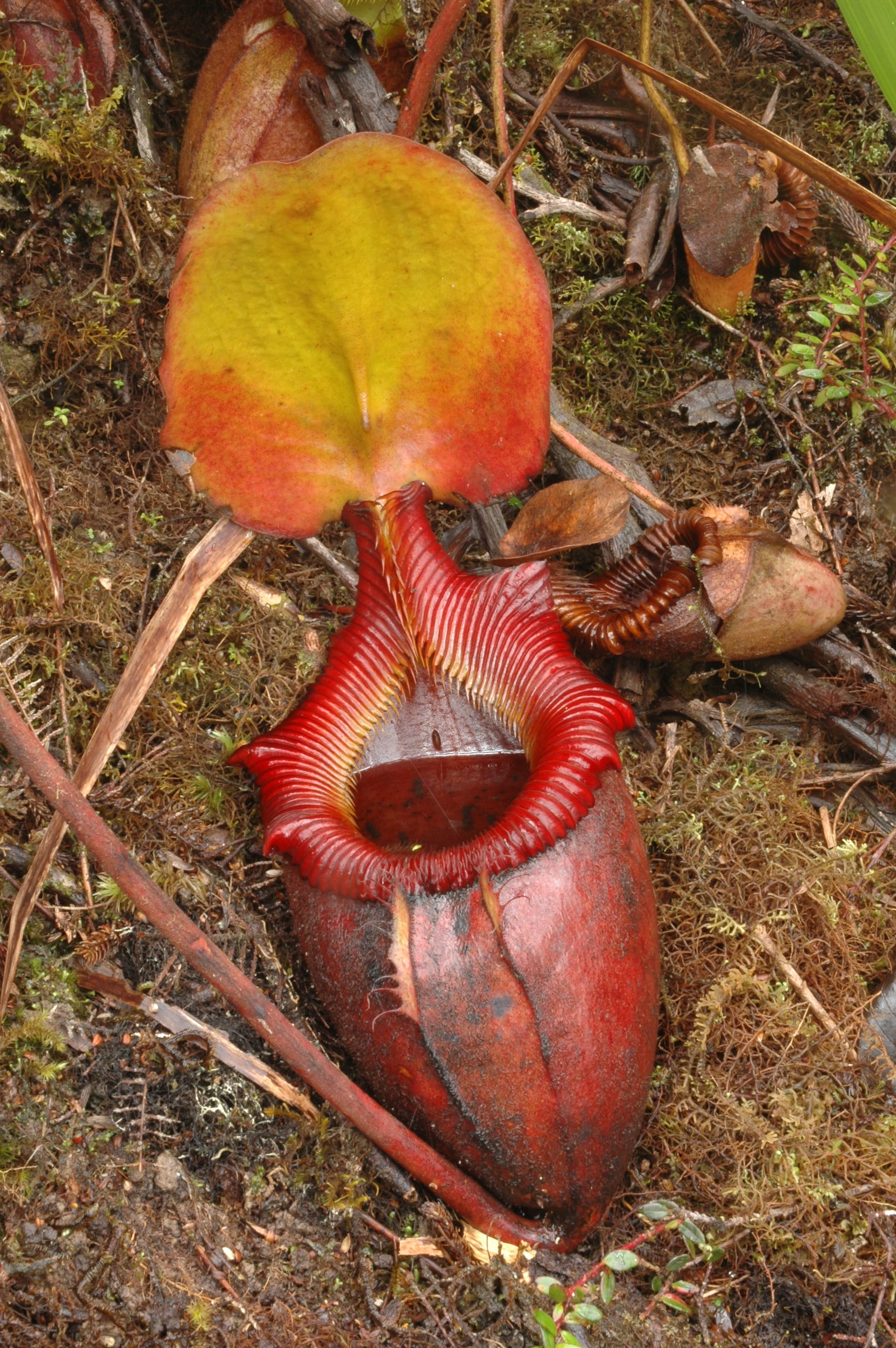
A fearsome-looking Nepenthes with fang-like sharp projections inside pitchers, from Sulawesi highlands.
About
Nepenthes hamata is a highland species endemic to Sulawesi, Indonesia, found in montane forests at approximately 1,400–2,500 m elevation. The species is renowned—and instantly recognizable—for the exceptionally sharp, hooked (hamata) teeth that line the inner surface and peristome of its pitchers, giving the trap an appearance reminiscent of a predator's open jaw. These internal projections are thought to impede the escape of prey. As a highland species, N. Well-aerated sphagnum media is essential. The combination of its dramatic appearance, high cultural challenge, and relative rarity has made it one of the most coveted Nepenthes among experienced collectors worldwide.
Lifespan of the Nepenthes Hamata
The Nepenthes Hamata lives 10+ years.
Size of the Nepenthes Hamata
The Nepenthes Hamata grows to Vine 20-80cm.
Temperature & humidity for the Nepenthes Hamata
The ideal temperature for the Nepenthes Hamata is 12〜22℃.
hamata requires cool cultivation conditions: daytime temperatures of 20–25°C and night temperatures dropping to 10–15°C, with humidity maintained at 70–90%.
Basic Info
Origin
Sulawesi, Indonesia, montane forests at approximately 1,400–2,500 m elevation
Lifespan
10+ years
Size
Vine 20-80cm
Temperature
12〜22℃
Humidity
60〜90%
Watering & Fertilizer
Insects
Growing Tips
Light & Placement
Give it bright light while choosing a spot that stays cool. Grow it in a setup where temperature and humidity can be controlled.
Watering
Keep the sphagnum moist with purified water or rainwater and maintain humidity at 70-90%. Never let it dry out.
Temperature & Overwintering
The ideal range is 12-22°C with highland care that includes a day-night temperature drop. It is hard to keep in an ordinary home through summer heat.
Soil & Repotting
Use sphagnum moss alone and keep it well aerated. Do not pack it too tightly, so excess moisture does not damage the roots.
Pests & Cautions
It is difficult to grow. Equipment to control temperature and humidity is a prerequisite, and summer heat is the main cause of failure.
Nepenthes Hamata FAQ
QWhat is the growing difficulty level for Nepenthes Hamata?
Advanced. A variety suitable for advanced growers. Requires advanced cultivation techniques and specialized equipment, with careful environmental adjustments needed.
QWhat is the ideal temperature for Nepenthes Hamata?
The ideal temperature for Nepenthes Hamata is 12〜22℃. Avoid sudden temperature changes and maintain a stable environment.
QWhat is the lifespan of Nepenthes Hamata?
The average lifespan of Nepenthes Hamata is 10+ years. With proper cultivation environment and nutrient management, you can keep it healthy for a long time.
QHow large does Nepenthes Hamata get?
The mature size of Nepenthes Hamata is Vine 20-80cm. This may vary slightly depending on cultivation environment and individual differences.
QHow should I water and fertilize Nepenthes Hamata?
Nepenthes Hamata: watering & fertilizer — Insects. Aim for appropriate frequency and amount.
QWhat is the typical price for Nepenthes Hamata?
The price of Nepenthes Hamata varies significantly by variety, characteristics, size, and lineage. Please check GrowerDirect's price guide for the latest market information.
Last updated: August 31, 2026
References & Sources
Edited & verified by: GrowerDirect Editorial Team
The classifications, regulations, and growing data on this page are created and verified based on the primary information database below.
Taxonomy & Authority
Accepted name: Nepenthes hamata J.R.Turnbull & A.T.Middleton
Synonyms: Nepenthes dentata Sh.Kurata
Authority databases: GBIF · POWO · ICPS cultivar registration (International Carnivorous Plant Society)
Nomenclature follows global taxonomic authority databases.
Regulations & Conservation Status
The genus Nepenthes, except for rajah/khasiana, is CITES Appendix II at the genus level. International trade requires permits.
Sources: CITES Appendices (carnivorous plants) - ICPS/Barry Rice / CITES & Carnivorous Plant Checklist (RBG Kew)
Regulations may change. Always verify the latest information with the relevant authorities.
Related Species
Find listings for this species
Related Articles
Developing Nepenthes Pitcher Traps Completely: Cultivation Secrets Through Environmental Management and Physiological Approaches
The carnivorous leaves of Nepenthes represent the masterpiece of an insect-trapping mechanism evolved over 200 million years. This article explains how to mature the carnivorous leaves completely and develop healthy plants with actual predatory function through humidity, light, and nutrient management.
Growing Pitcher Plants Without a Greenhouse: How to Get Pitchers to Form Indoors
Explains how to grow carnivorous pitcher plants (Nepenthes) indoors without a greenhouse. Covers reasons why pitchers fail to form and solutions, methods for maintaining humidity, variety selection, and tips for winter care.
Highland Nepenthes Growing Guide | Cool Management for High-Altitude Pitcher Plants
Explains the characteristics of high-altitude nepenthes (highland nepenthes), summer air conditioning management, and methods for controlling humidity and temperature.
How to Grow Nepenthes | Cultivation Techniques to Grow Larger Pitchers
We explain the basic cultivation methods for Nepenthes and the humidity, temperature, and light management techniques to grow beautiful pitchers large.
Can't find the plant you're looking for?
Post your wishes for free and growers with matching plants will contact you with introductions.