Carnivorous Plant Encyclopedia
Encyclopedia of popular carnivorous plants with care guides, trapping mechanisms, and cultivation tips.
Featured Carnivorous Plant
Showing 5 of 140 species
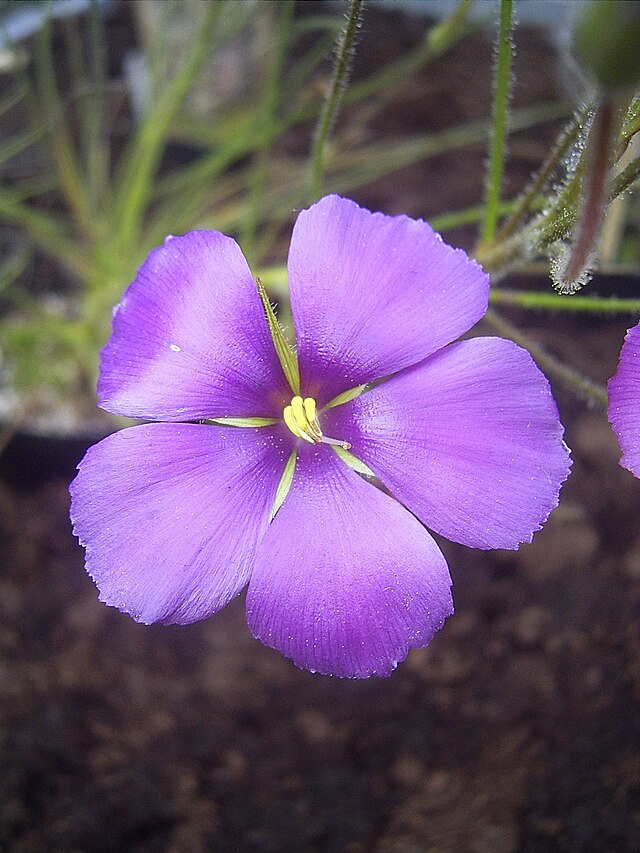 © Denis Barthel / CC BY-SA 3.0
Byblis Gigantea
Byblis gigantea
A large perennial Byblis from Western Australia with spectacular mucilage-covered long leaves.
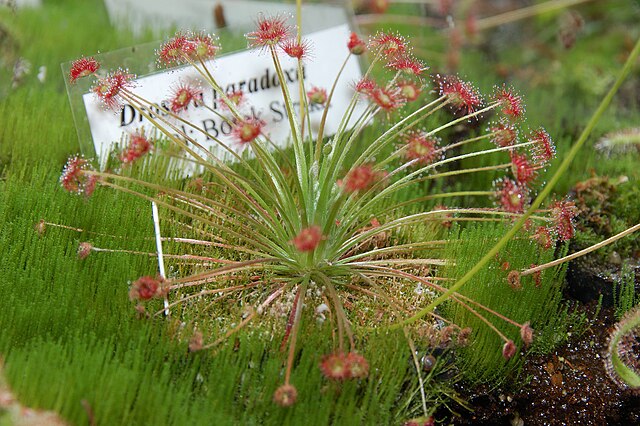 © Michal Rubeš / CC BY 3.0 cz
Drosera Paradoxa
Drosera paradoxa
A large tropical sundew with tall stems from northern Australia, wild and impressive.
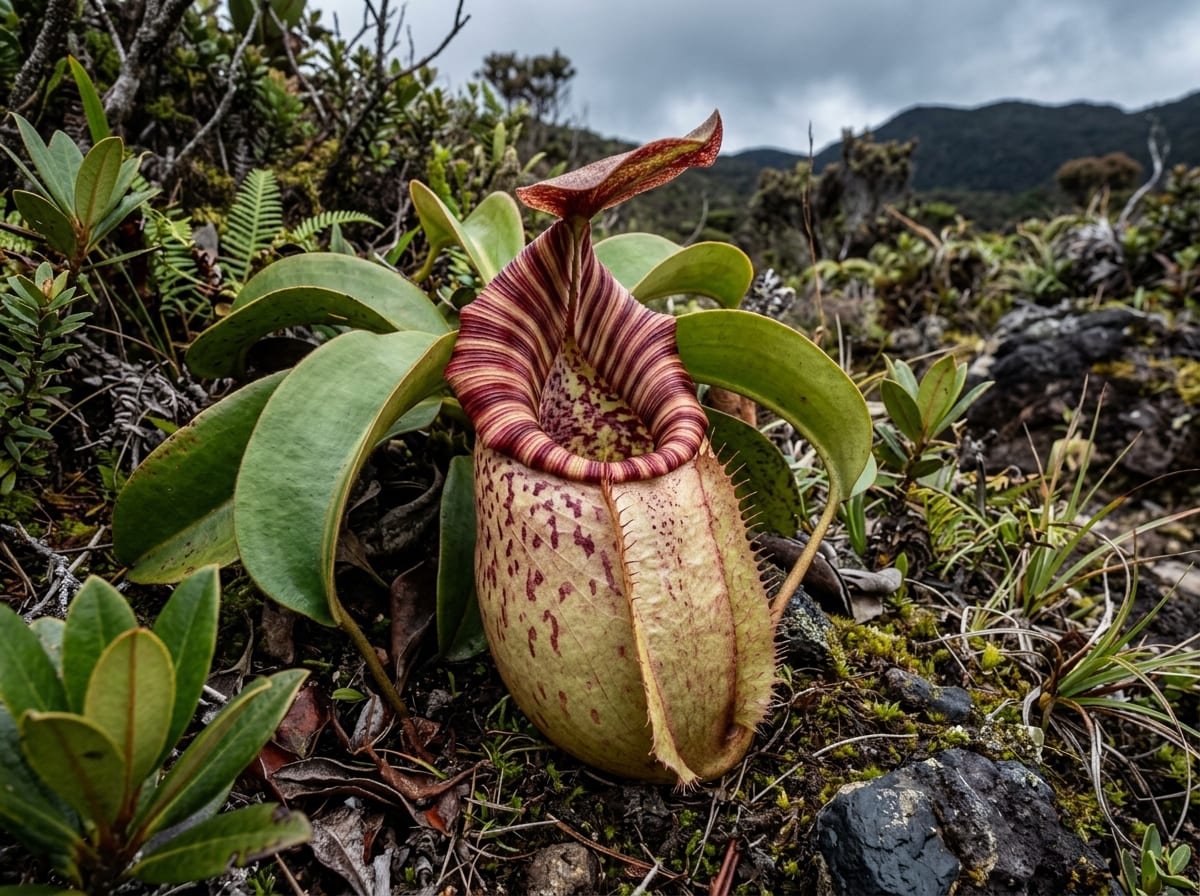
Nepenthes attenboroughii
Nepenthes attenboroughii
A large pitcher plant found only on Mount Victoria on Palawan in the Philippines. Its bell-shaped pitchers reach 30 cm tall, with volumes over 1.5 litres recorded. Named after the naturalist David Attenborough.
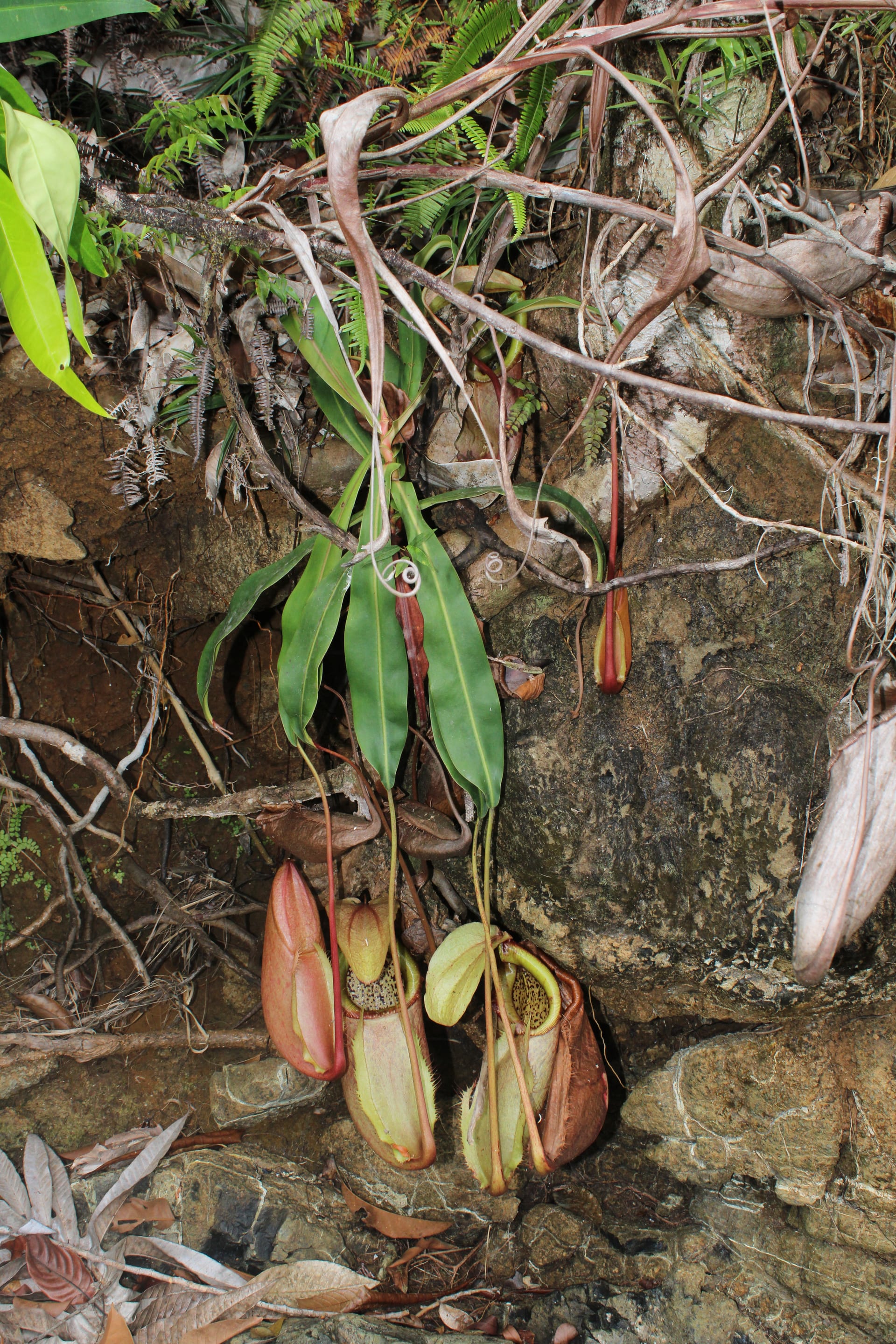 © Jp2593 / CC BY-SA 4.0
Nepenthes merrilliana
Nepenthes merrilliana
A lowland pitcher plant from the southern Philippines. Its upper pitchers reach 40 cm long, among the largest in the genus and rivalling N. rajah, with a broad, strongly ribbed peristome and a large lid.
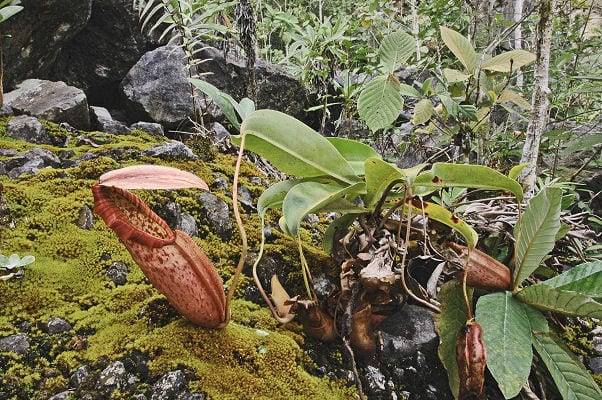 © The original uploader was XQ fan at English Wikipedia. / Public domain
Nepenthes northiana
Nepenthes northiana
A large pitcher plant found only on limestone cliffs around Bau in Sarawak, Borneo. Its red-blotched pitchers reach 40 cm tall, with a peristome that flares widely to the sides in wavy frills.
Related Content
Carnivorous Plant FAQ
- How much do carnivorous plants cost?
- Venus Flytraps cost 500-2,000 yen, Nepenthes 1,000-10,000 yen, and rare highland Nepenthes can exceed tens of thousands of yen depending on species and size.
- Can beginners grow carnivorous plants?
- Venus Flytraps, Sundews, and Sarracenia are relatively easy and beginner-friendly. Keep them in a tray of water for humidity and place in a sunny spot.
- How long do carnivorous plants live?
- Venus Flytraps can live 10+ years with proper care, and Sarracenia are similarly long-lived. Nepenthes can grow for decades in the right conditions, getting progressively larger.
- What should I check when buying carnivorous plants?
- Check that leaves and traps are healthy with no root rot. For Nepenthes, choose specimens with pitchers. Avoid sudden environment changes after purchase and acclimate gradually.
- Do I need to feed insects to carnivorous plants?
- They grow fine through photosynthesis alone without feeding. Insects are supplemental nutrition and don't need to be force-fed. Outdoor plants catch bugs naturally, which is fun to observe.