Carnivorous Plant Encyclopedia
Encyclopedia of popular carnivorous plants with care guides, trapping mechanisms, and cultivation tips.
Featured Carnivorous Plant
Showing 9 of 140 species
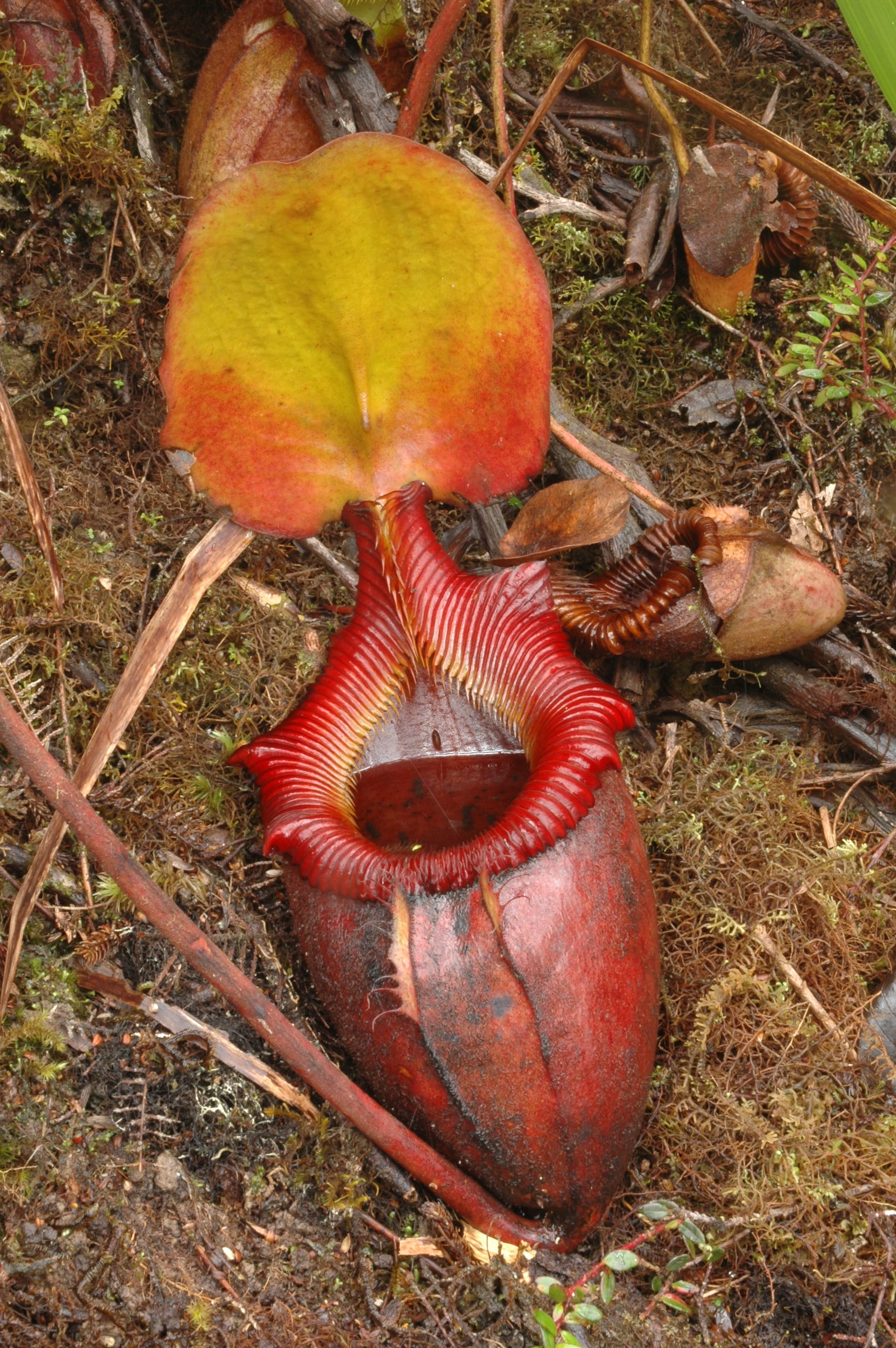 © JeremiahsCPs (English Wikipedia) / CC BY-SA 3.0
Nepenthes × kinabaluensis
Nepenthes × kinabaluensis
A natural hybrid between N. rajah and N. villosa, found only around Mount Kinabalu in Borneo. Ribs on the inner edge of the peristome end in long teeth, and its pitchers are intermediate between the parents. It forms upper pitchers more readily than either parent.
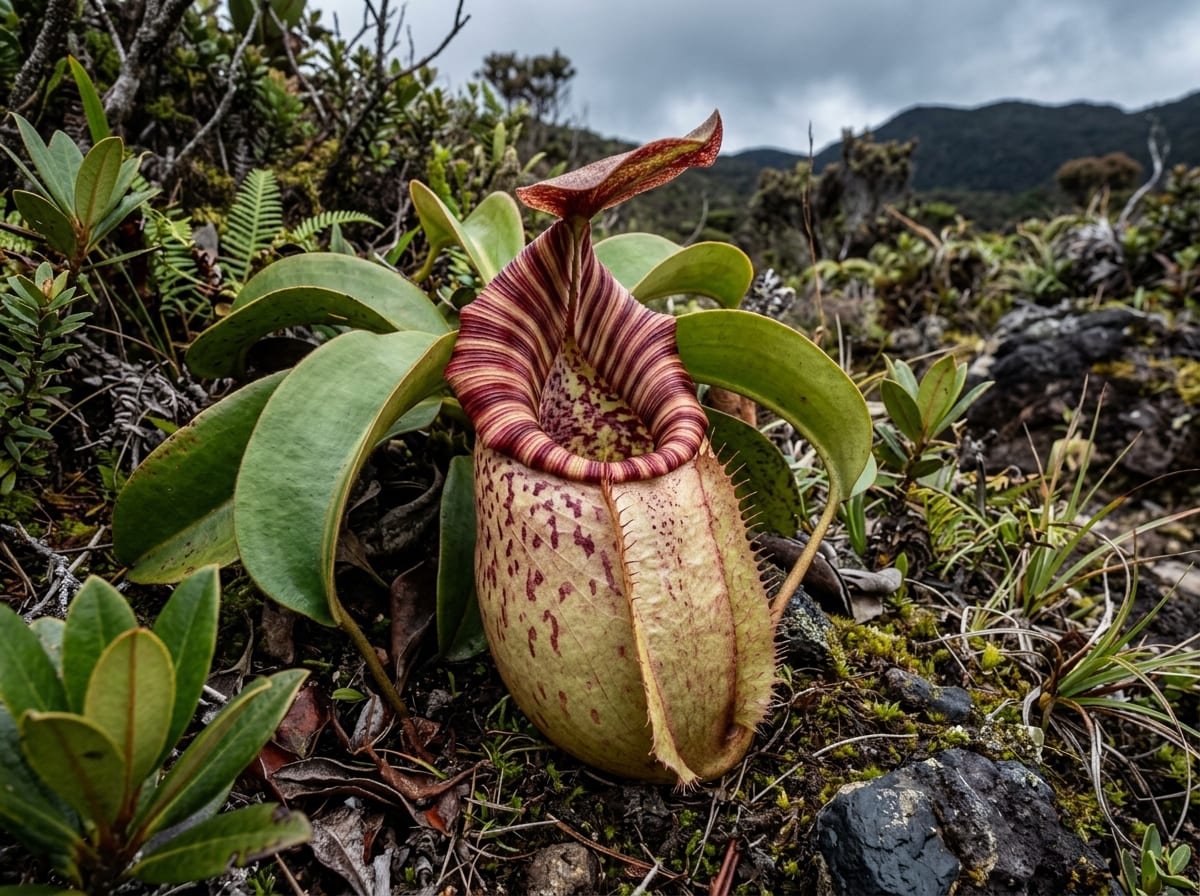
Nepenthes attenboroughii
Nepenthes attenboroughii
A large pitcher plant found only on Mount Victoria on Palawan in the Philippines. Its bell-shaped pitchers reach 30 cm tall, with volumes over 1.5 litres recorded. Named after the naturalist David Attenborough.
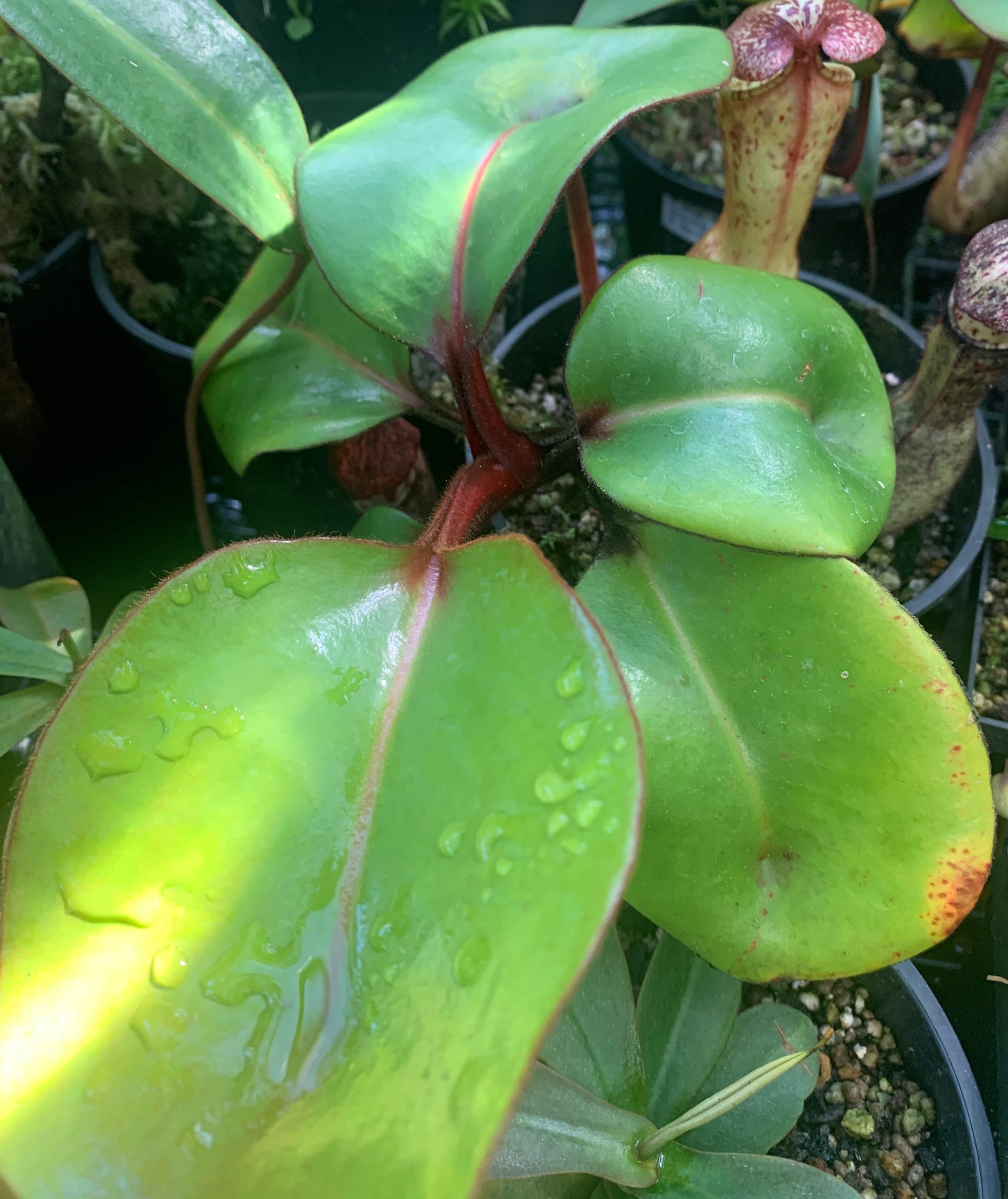 © Michael Wolf (Webseite) / CC BY-SA 3.0
Nepenthes clipeata
Nepenthes clipeata
A pitcher plant with round, shield-shaped leaves whose tendril joins the underside of the blade, and large pitchers swollen at the base. It grows only on the granite cliffs of Mount Kelam in Borneo and is among the most threatened species in the wild.
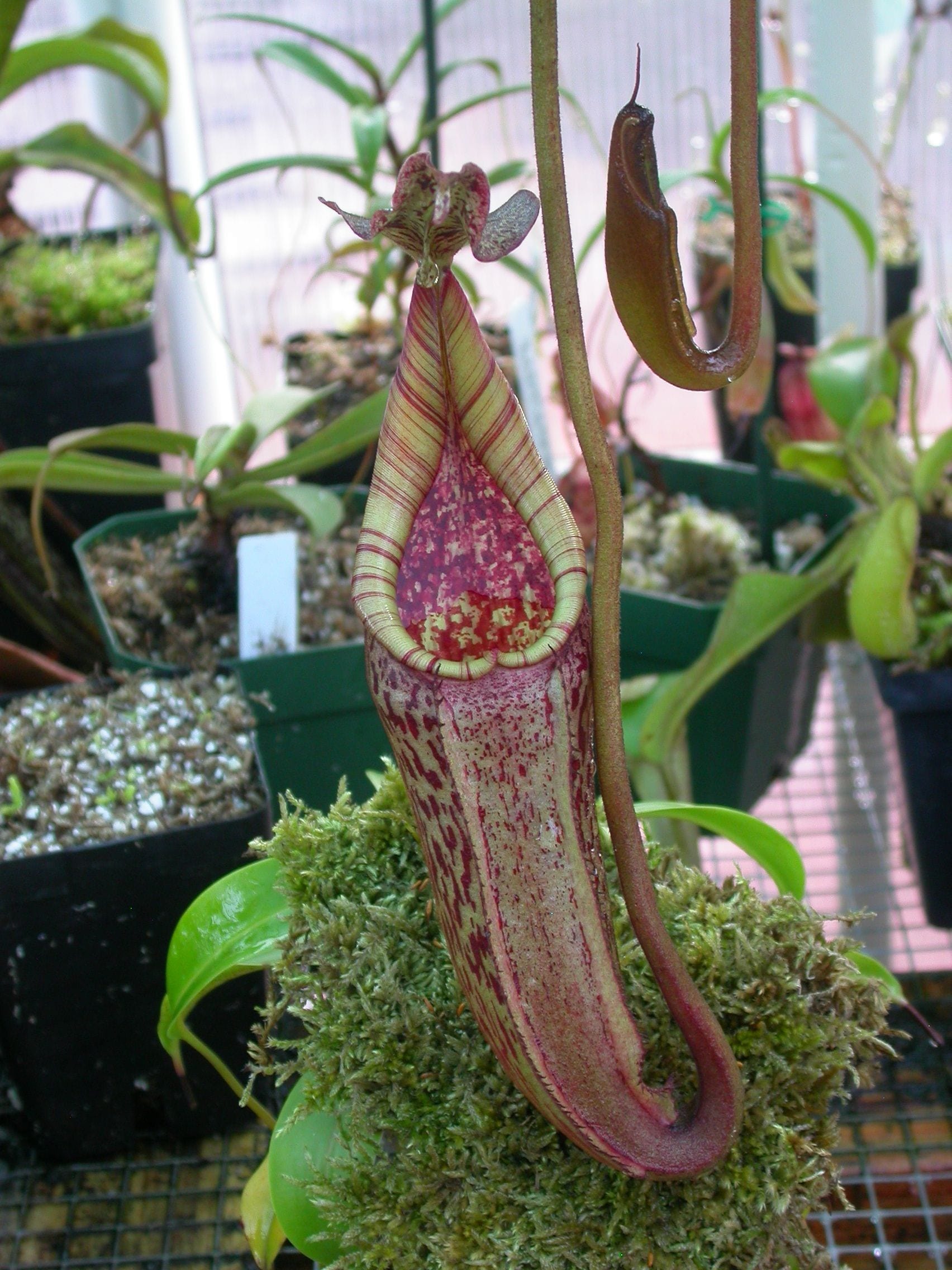 © JeremiahsCPs (English Wikipedia) / CC BY-SA 3.0
Nepenthes eymae
Nepenthes eymae
A highland pitcher plant endemic to Sulawesi, Indonesia. Its upper pitchers are narrow below and flare abruptly above like a wine glass, the feature that separates it from its close relative N. maxima.
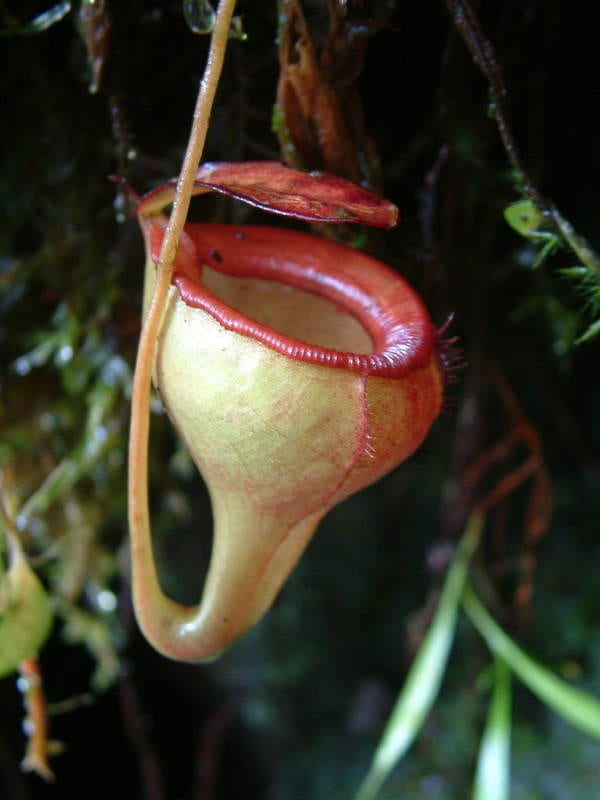 © Alfindra Primaldhi / CC BY 2.0
Nepenthes jamban
Nepenthes jamban
A small highland pitcher plant endemic to northern Sumatra. Its name is Indonesian for 'toilet', after the wide-mouthed yellow upper pitchers shaped like a toilet bowl. It was described only in 2006.
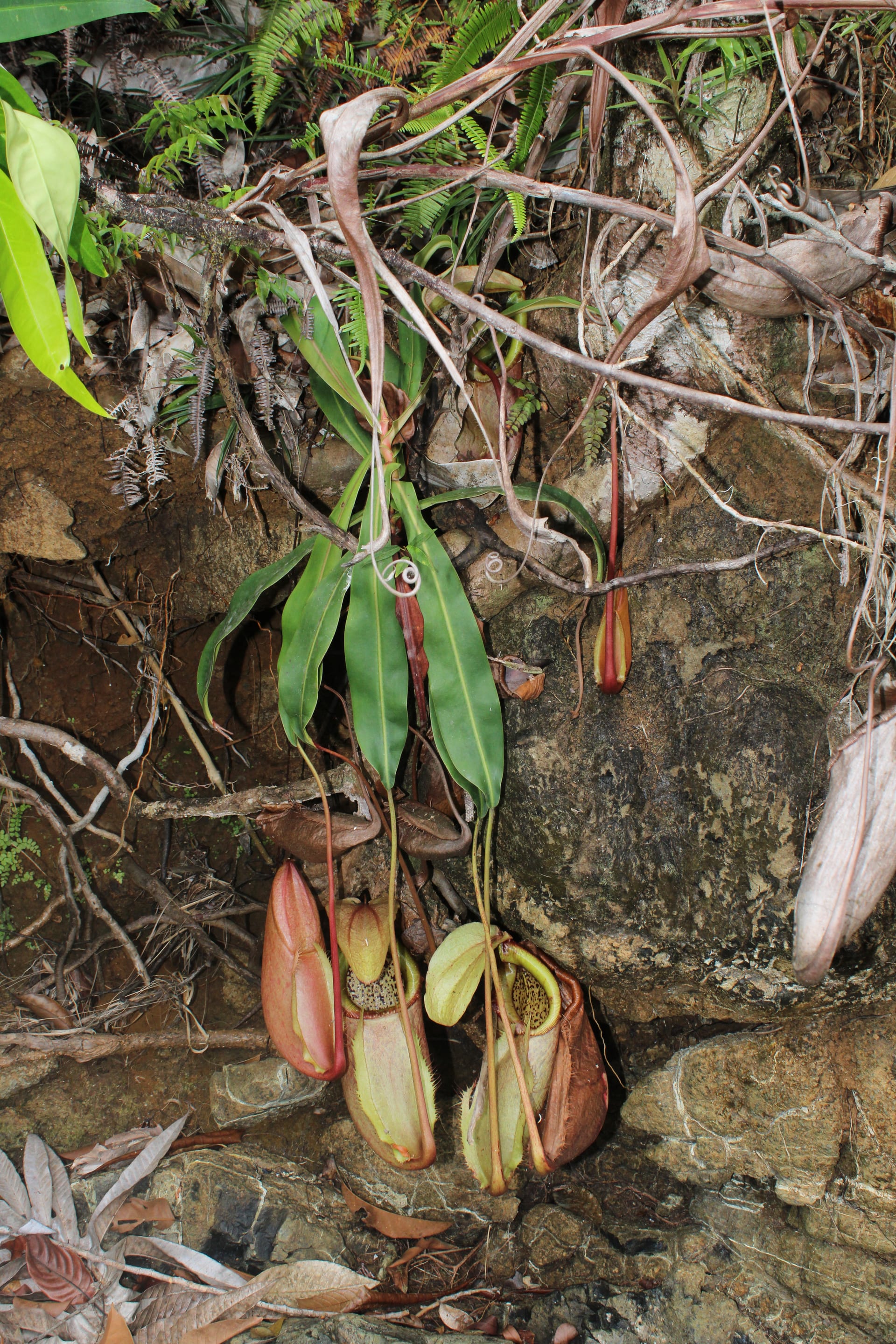 © Jp2593 / CC BY-SA 4.0
Nepenthes merrilliana
Nepenthes merrilliana
A lowland pitcher plant from the southern Philippines. Its upper pitchers reach 40 cm long, among the largest in the genus and rivalling N. rajah, with a broad, strongly ribbed peristome and a large lid.
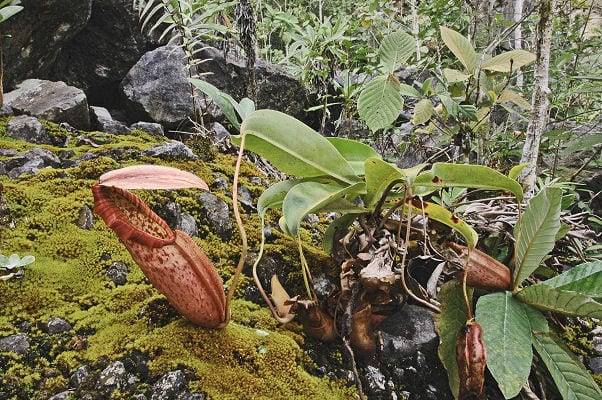 © The original uploader was XQ fan at English Wikipedia. / Public domain
Nepenthes northiana
Nepenthes northiana
A large pitcher plant found only on limestone cliffs around Bau in Sarawak, Borneo. Its red-blotched pitchers reach 40 cm tall, with a peristome that flares widely to the sides in wavy frills.
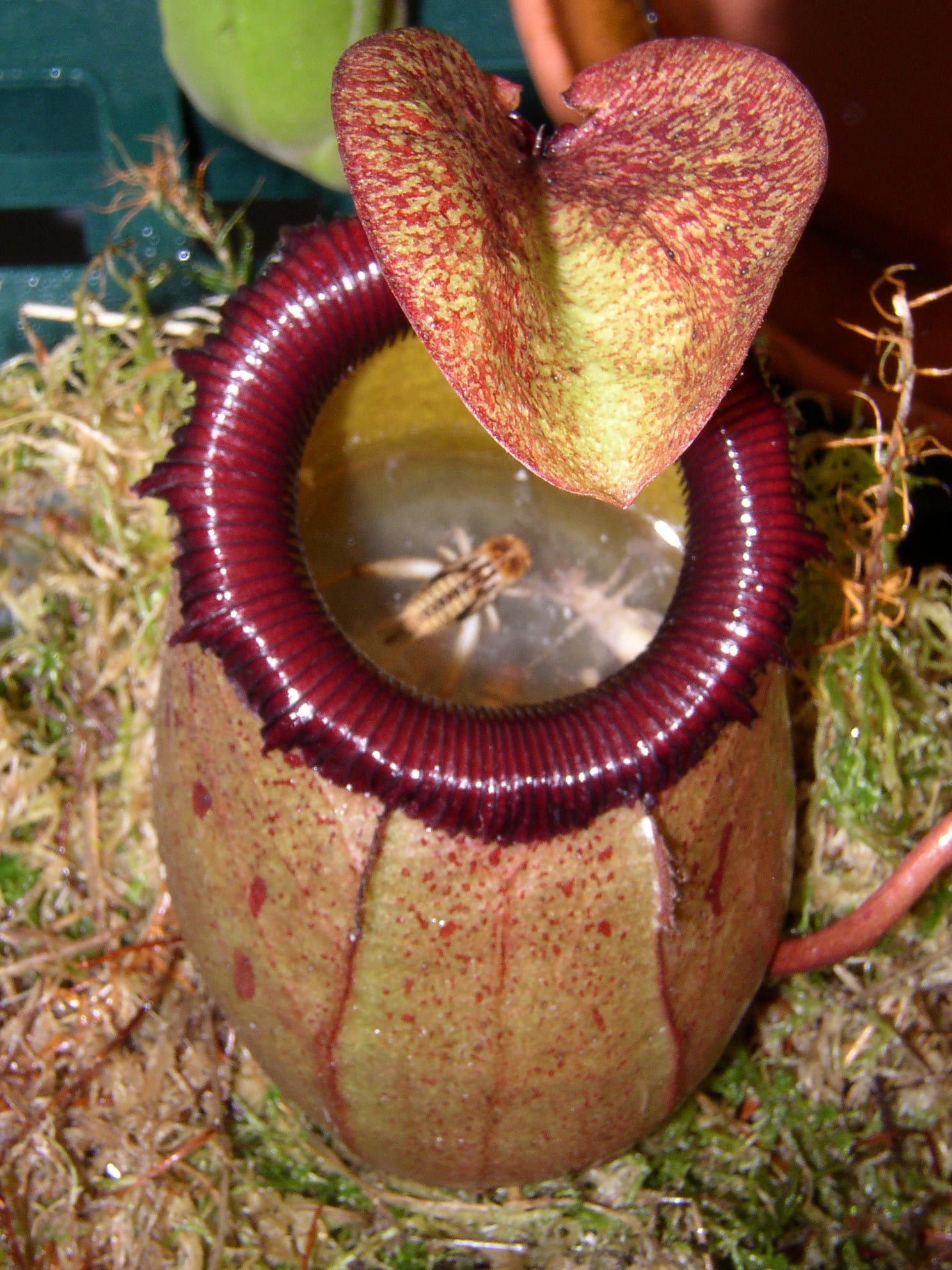 © en:User:NepGrower / Public domain
Nepenthes sibuyanensis
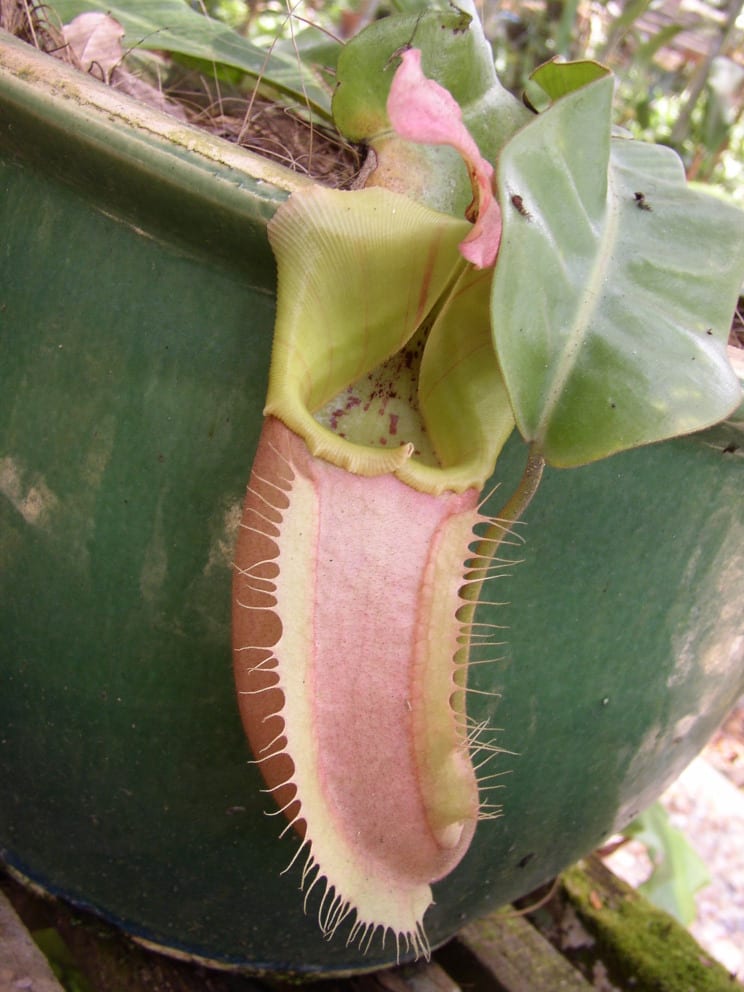
Nepenthes sibuyanensis
A highland pitcher plant found only on the mountains of Sibuyan Island in the Philippines. Yellow to red egg-shaped pitchers reach 26 cm tall, set off by a broad, almost black dark-red peristome. Listed as Vulnerable by the IUCN.
 © en:User:NepGrower / Public domain
Nepenthes veitchii
Nepenthes veitchii
A Bornean pitcher plant whose broad, upright peristome flares widely with fine ridges likened to a fish's gills. It grows as an epiphyte, producing leaves in two ranks that clasp tree trunks.
Related Content
Carnivorous Plant FAQ
- How much do carnivorous plants cost?
- Venus Flytraps cost 500-2,000 yen, Nepenthes 1,000-10,000 yen, and rare highland Nepenthes can exceed tens of thousands of yen depending on species and size.
- Can beginners grow carnivorous plants?
- Venus Flytraps, Sundews, and Sarracenia are relatively easy and beginner-friendly. Keep them in a tray of water for humidity and place in a sunny spot.
- How long do carnivorous plants live?
- Venus Flytraps can live 10+ years with proper care, and Sarracenia are similarly long-lived. Nepenthes can grow for decades in the right conditions, getting progressively larger.
- What should I check when buying carnivorous plants?
- Check that leaves and traps are healthy with no root rot. For Nepenthes, choose specimens with pitchers. Avoid sudden environment changes after purchase and acclimate gradually.
- Do I need to feed insects to carnivorous plants?
- They grow fine through photosynthesis alone without feeding. Insects are supplemental nutrition and don't need to be force-fed. Outdoor plants catch bugs naturally, which is fun to observe.