Carnivorous Plant Encyclopedia
Encyclopedia of popular carnivorous plants with care guides, trapping mechanisms, and cultivation tips.
Featured Carnivorous Plant
Showing 5 of 140 species
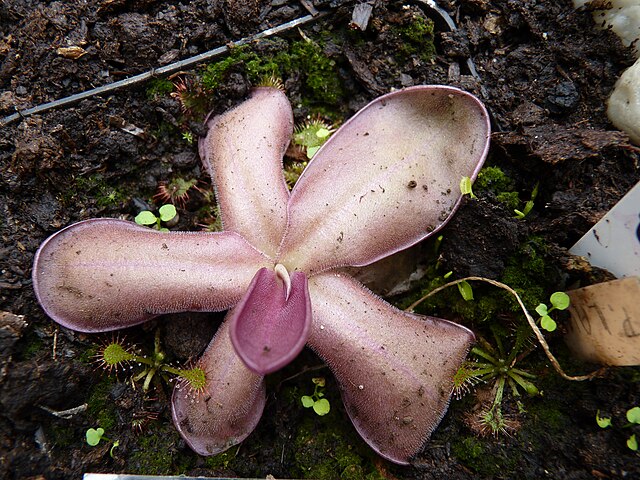 © Michal Klajban / CC BY-SA 3.0
Pinguicula Laueana
Pinguicula laueana
A Mexican butterwort with vivid red flowers, considered the most beautiful flowering species.
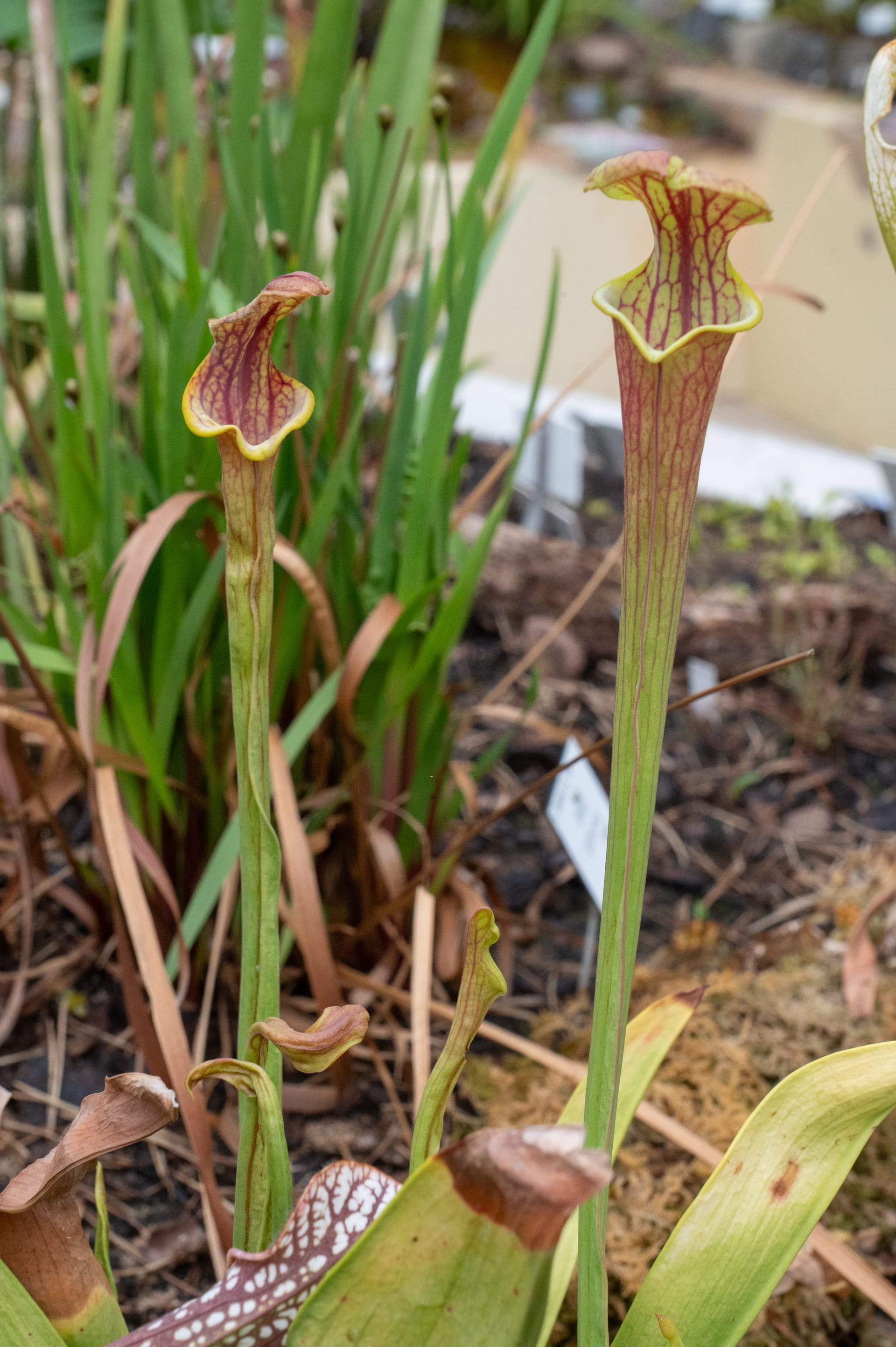 © Mickaël Schauli / CC BY-SA 4.0
Sarracenia flava var. atropurpurea
Sarracenia flava var. atropurpurea
A variety of the yellow pitcher plant, S. flava, coloured deep red over the whole tube and lid. The lid is red from the moment it opens and usually darker than the tube. Strong light is essential for the colour.
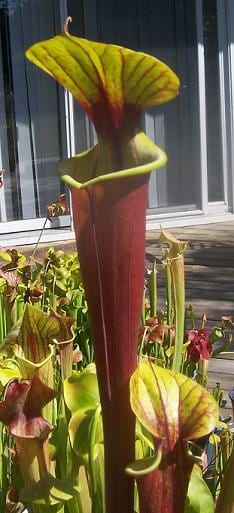 © Aaron Carlson from Menomonie, WI, USA / CC BY-SA 2.0
Sarracenia flava var. rubricorpora
Sarracenia flava var. rubricorpora
A variety of the yellow pitcher plant, S. flava, with a red tube and a veined yellow to green lid. The contrast of red body and pale lid is its mark. A rare variety found only in the Florida panhandle.
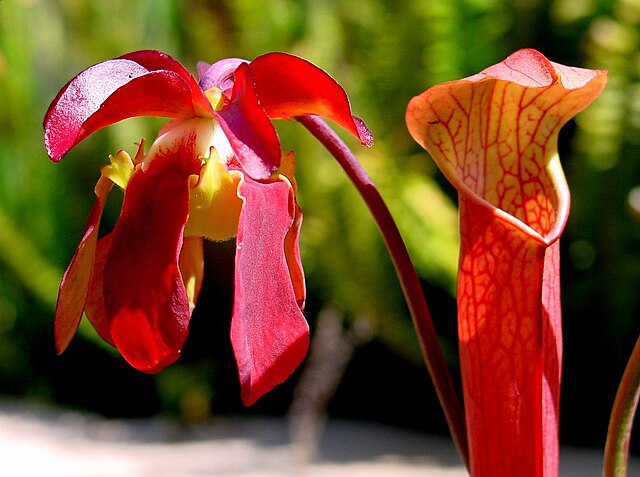 © No machine-readable author provided. NoahElhardt assumed (based on copyright claims). / CC BY-SA 3.0
Sarracenia Rubra
Sarracenia rubra
A small reddish Sarracenia that attracts insects with sweet scent, many varieties exist.
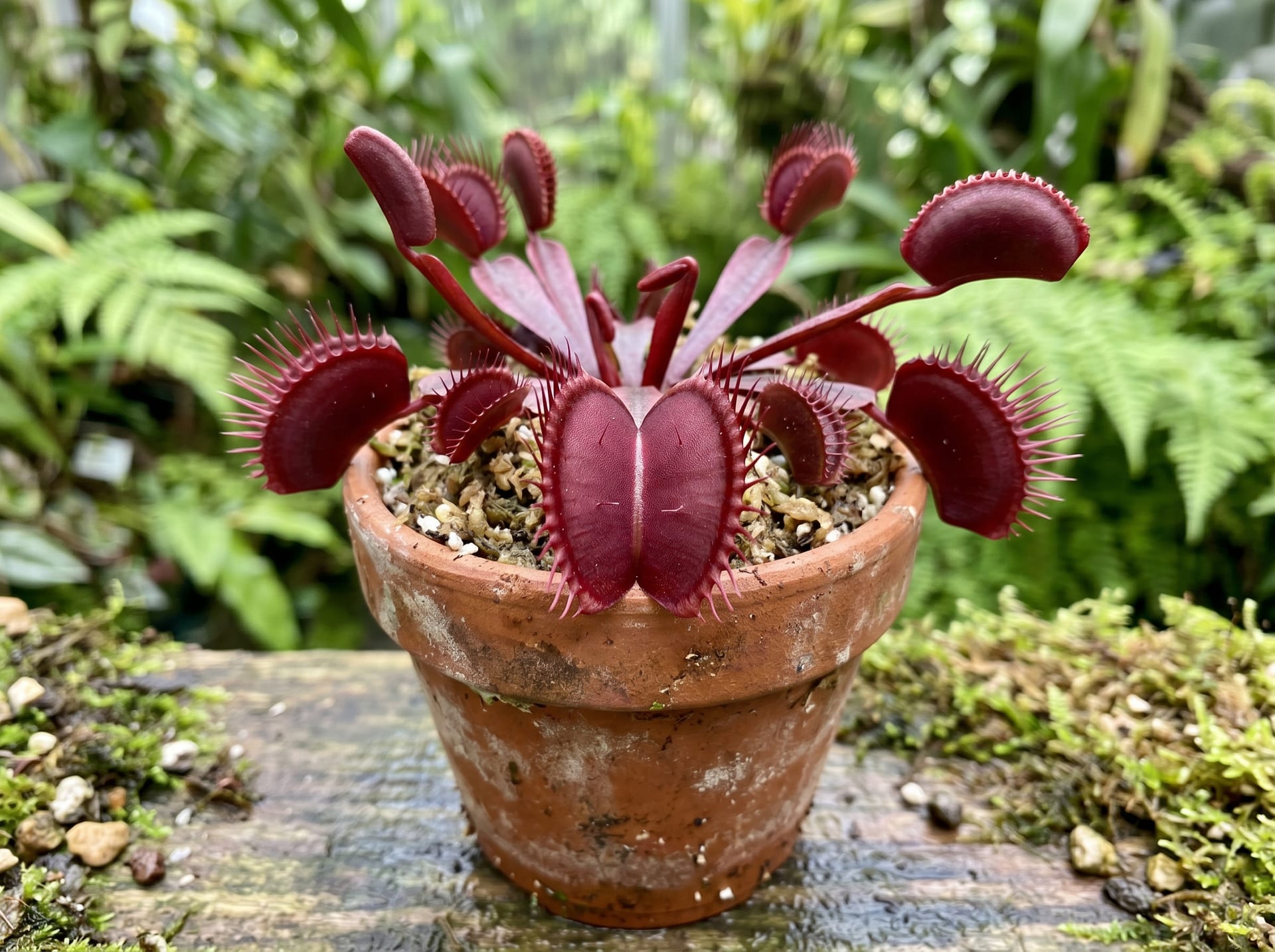
Venus Flytrap Red Dragon
Dionaea muscipula 'Akai Ryu'
Most "it died right away" cases come from skipped winter dormancy, tap water, or fertiliser. Red Dragon is the popular cultivar that turns deep red all over.
Related Content
Carnivorous Plant FAQ
- How much do carnivorous plants cost?
- Venus Flytraps cost 500-2,000 yen, Nepenthes 1,000-10,000 yen, and rare highland Nepenthes can exceed tens of thousands of yen depending on species and size.
- Can beginners grow carnivorous plants?
- Venus Flytraps, Sundews, and Sarracenia are relatively easy and beginner-friendly. Keep them in a tray of water for humidity and place in a sunny spot.
- How long do carnivorous plants live?
- Venus Flytraps can live 10+ years with proper care, and Sarracenia are similarly long-lived. Nepenthes can grow for decades in the right conditions, getting progressively larger.
- What should I check when buying carnivorous plants?
- Check that leaves and traps are healthy with no root rot. For Nepenthes, choose specimens with pitchers. Avoid sudden environment changes after purchase and acclimate gradually.
- Do I need to feed insects to carnivorous plants?
- They grow fine through photosynthesis alone without feeding. Insects are supplemental nutrition and don't need to be force-fed. Outdoor plants catch bugs naturally, which is fun to observe.