Carnivorous Plant Encyclopedia
Encyclopedia of popular carnivorous plants with care guides, trapping mechanisms, and cultivation tips.
Featured Carnivorous Plant
Showing 55 of 140 species(1–24)
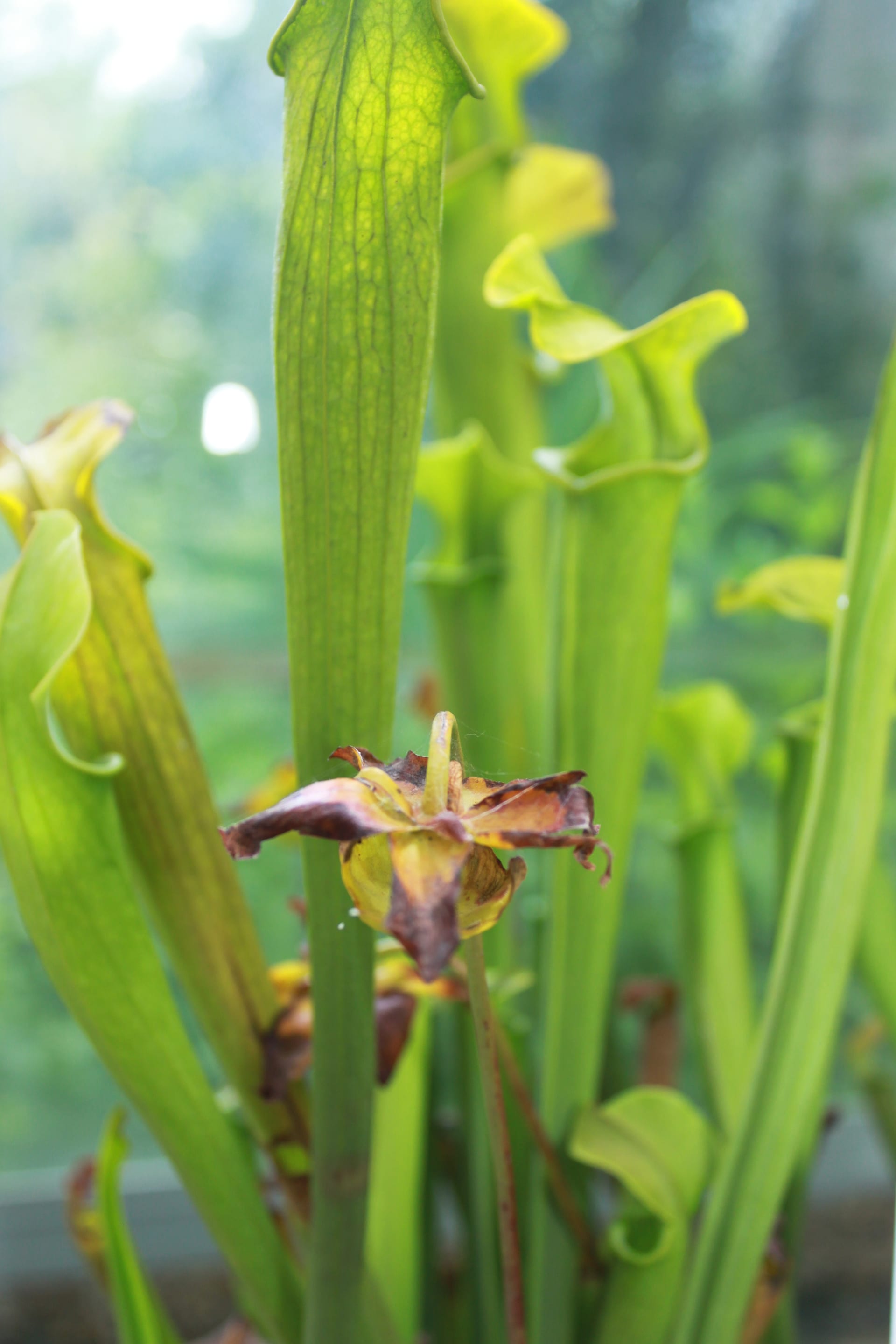 © Brian Gratwicke / CC BY 2.0
Alabama canebrake pitcher plant
Sarracenia rubra ssp. alabamensis
A pitcher plant surviving at only about a dozen sites in central Alabama. Its finely hairy yellow-green pitchers are veined red, and its reddish-purple flowers smell of raspberries. It is a CITES Appendix I subspecies.
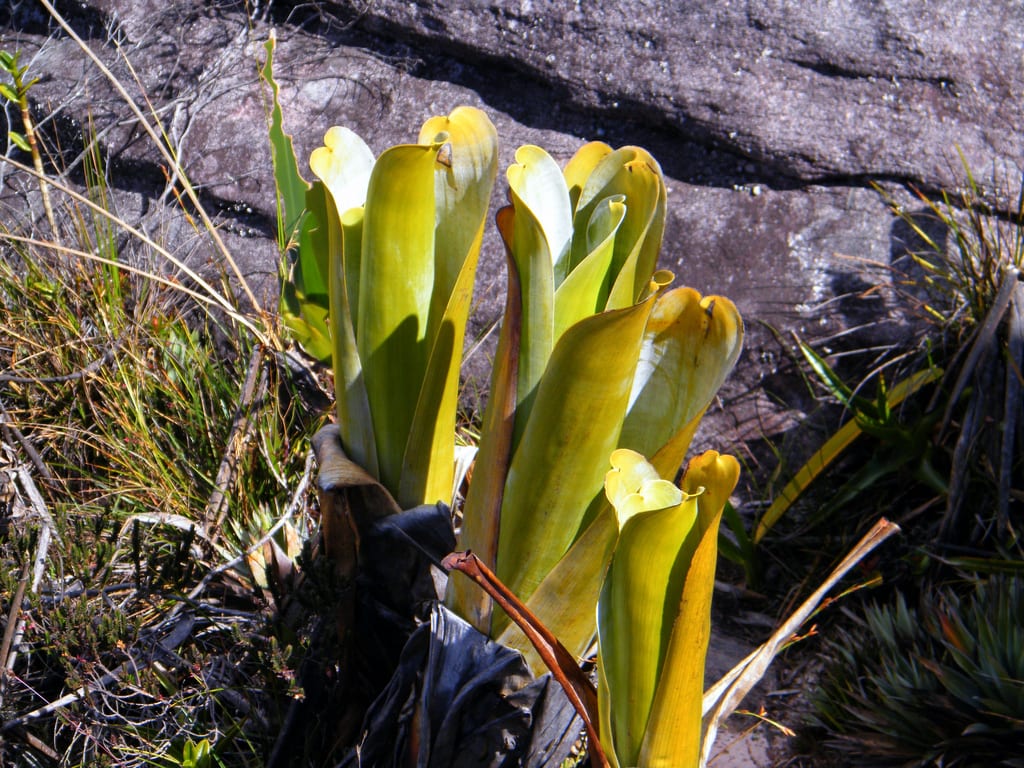 © Adalberto Jose Perez Lopez / CC BY 2.0
Brocchinia reducta
Brocchinia reducta
A carnivorous bromeliad from the tepuis of the Guiana Highlands. Its yellow-green leaves overlap into a water-filled tube, and a waxy coating makes insects slip in and drown. Digestive enzyme activity was confirmed in 2005.
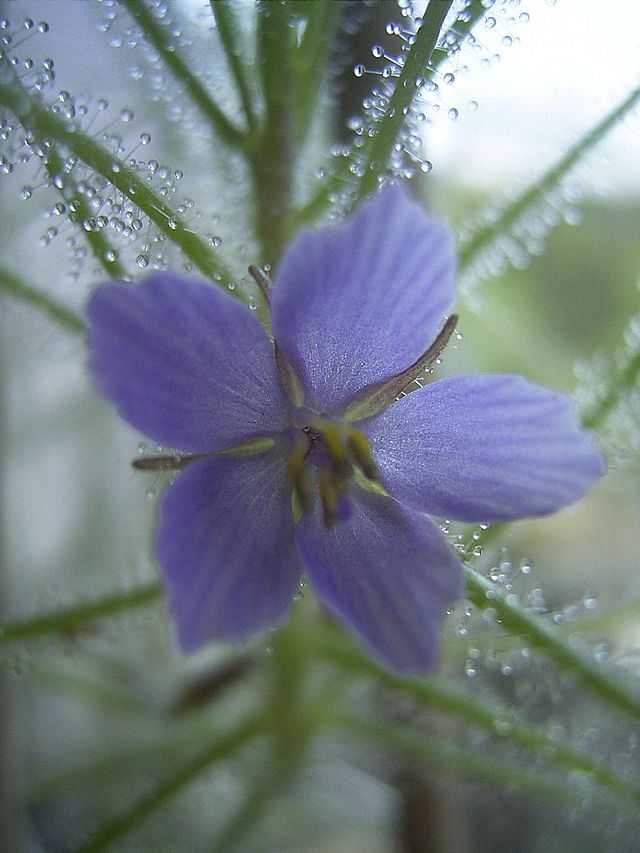 © No machine-readable author provided. Denis Barthel assumed (based on copyright claims). / CC BY-SA 3.0
Byblis Liniflora
Byblis liniflora
An Australian carnivorous plant with rainbow-glistening mucilage, called Rainbow Plant.
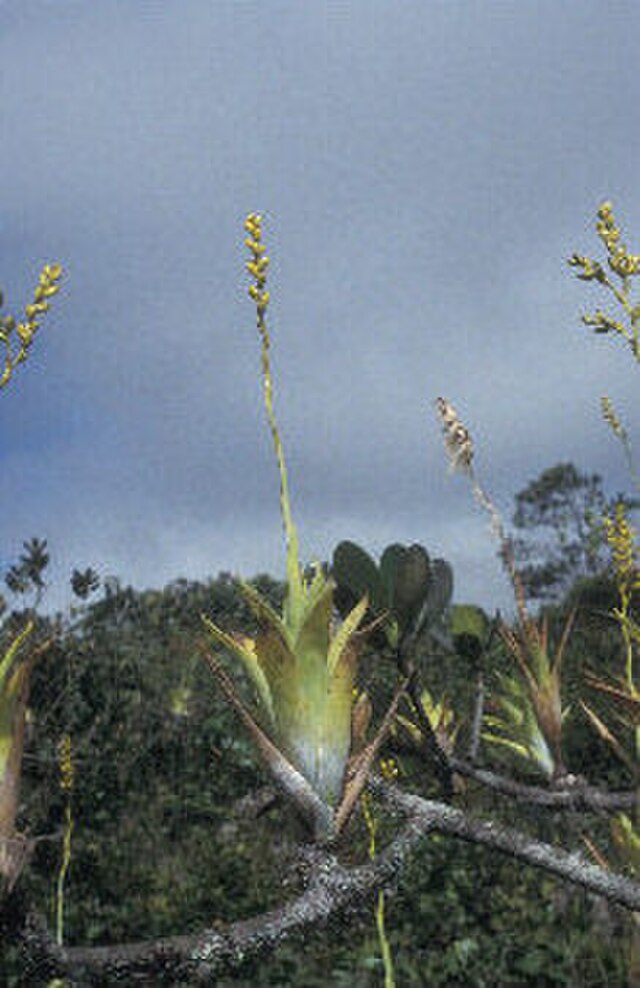 © BotBln / CC BY-SA 3.0
Catopsis Berteroniana
Catopsis berteroniana
A bromeliad carnivorous plant that traps insects with waxy leaf surfaces, drowning them in leaf-cup water for nutrients.
 © Thomas Huntke / CC BY-SA 3.0 de
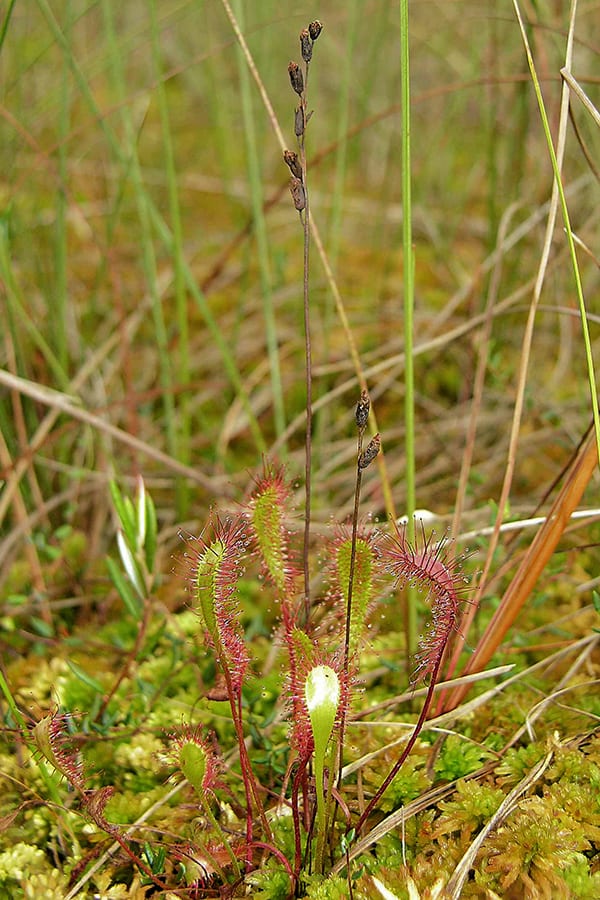
Drosera × obovata
Drosera × obovata
A natural hybrid of the round-leaved sundew and the great sundew, with spoon-shaped leaves intermediate between its parents. It is sterile and must be propagated by division or leaf cuttings. It occurs in Japan in bogs where both parents grow together.
 © NoahElhardt / CC BY-SA 3.0
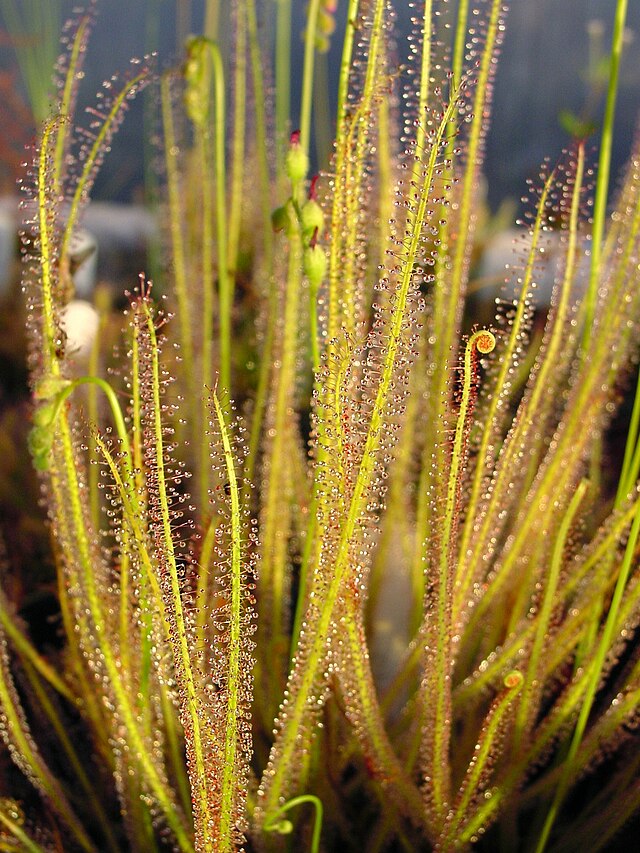
Drosera Filiformis
Drosera filiformis
A North American sundew with thread-like long leaves, stunningly beautiful when glistening with dew.
 © J.M.Garg / CC BY-SA 4.0
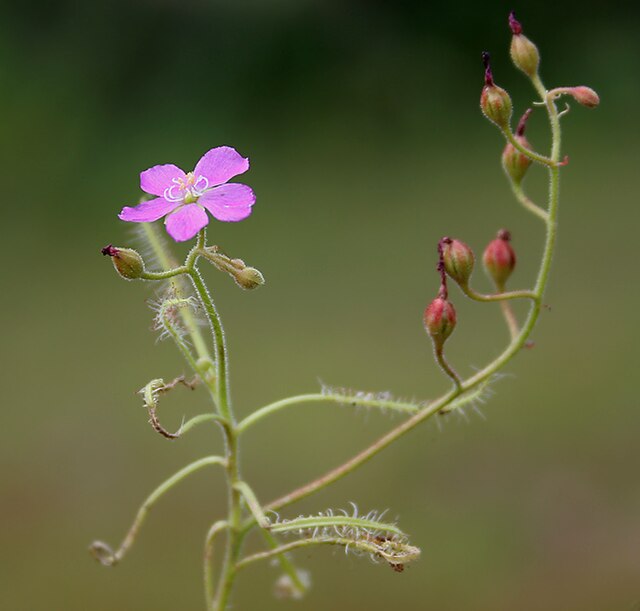
Drosera Indica
Drosera indica
A tall sundew native to Japan as well, but wild populations have drastically declined.
 © Cooleyray / CC BY-SA 4.0
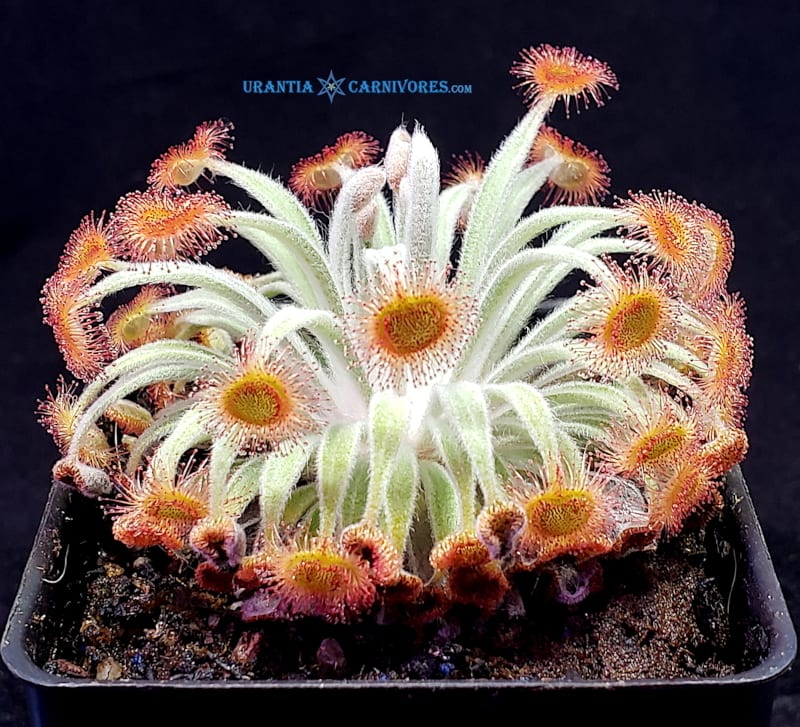
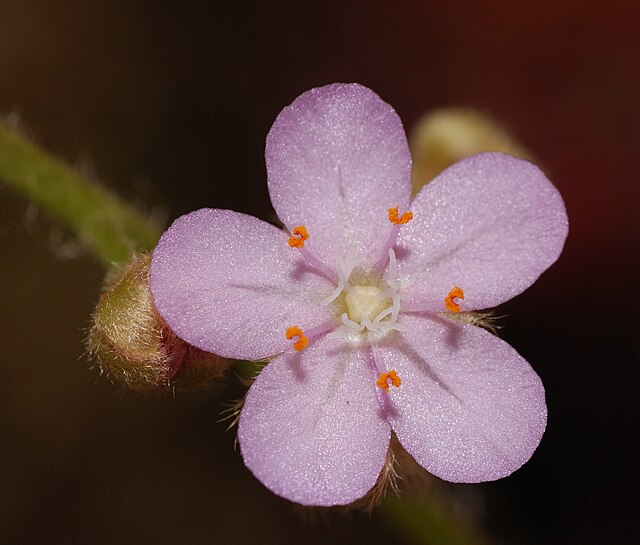
Drosera ordensis
Drosera ordensis
A 'woolly' sundew of the petiolaris group with broad petioles densely covered in long silvery hairs. Rosettes are usually about 8 cm across. It bears pink to white flowers and grows around the Ord River in northern Australia.
 © Michal Rubeš / CC BY 3.0 cz
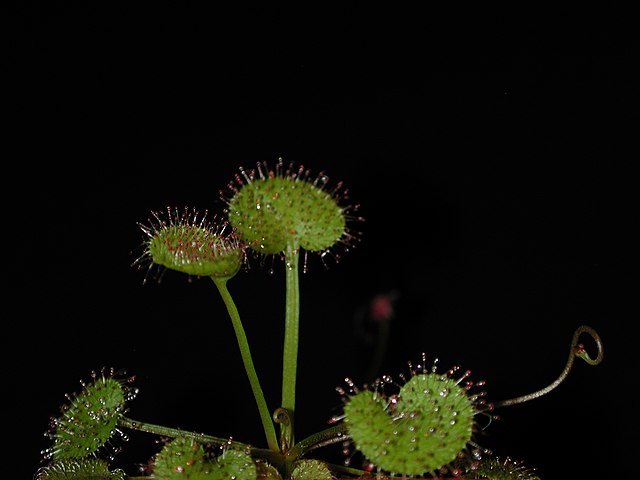
Drosera Petiolaris
Drosera petiolaris
A tropical sundew from northern Australia with rosette trap leaves on long petioles.
 © Petr Dlouhý / CC BY-SA 3.0
Drosera Prolifera
Drosera prolifera
A unique sundew producing plantlets on flower stalks, spreading in an interesting creeping manner.
 © association AMV / CC BY-SA 4.0
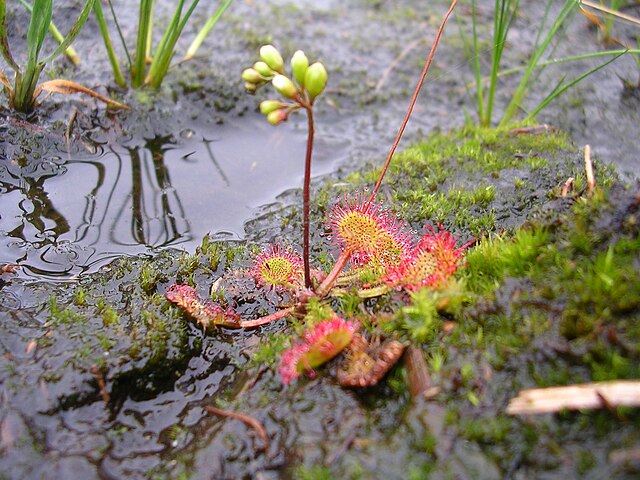
Drosera Rotundifolia
Drosera rotundifolia
A round-leaved sundew native to Japan, growing in wetlands. Goes dormant in winter.
 © Matthias Jauernig / CC BY-SA 3.0
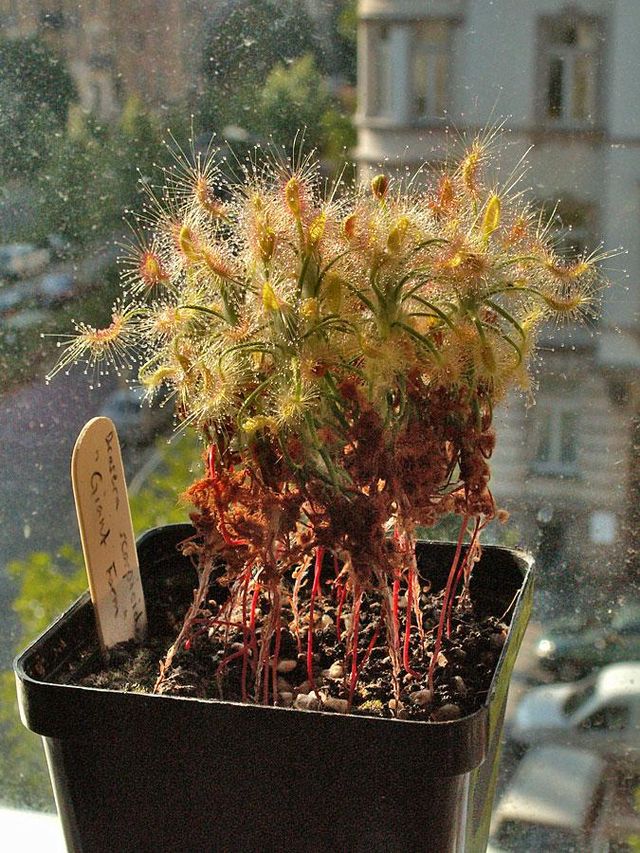
Drosera Scorpioides
Drosera scorpioides
An Australian sundew propagating by gemmae with scorpion-tail-like flower stalks.
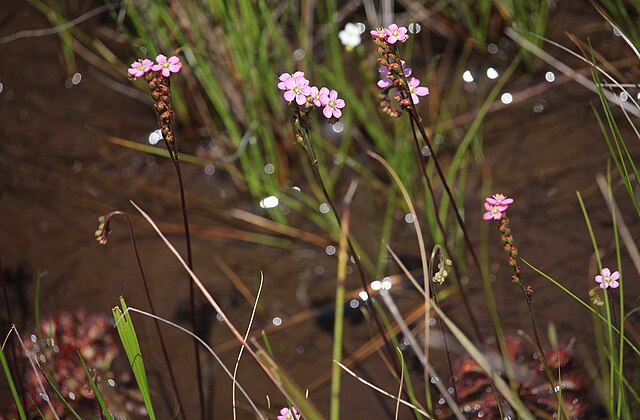 © Alpsdake / CC BY-SA 4.0
Drosera Tokaiensis
Drosera tokaiensis
A Japanese endemic sundew discovered in the Tokai region with intermediate leaf shape.
 © No machine-readable author provided. NoahElhardt assumed (based on copyright claims). / CC BY-SA 3.0
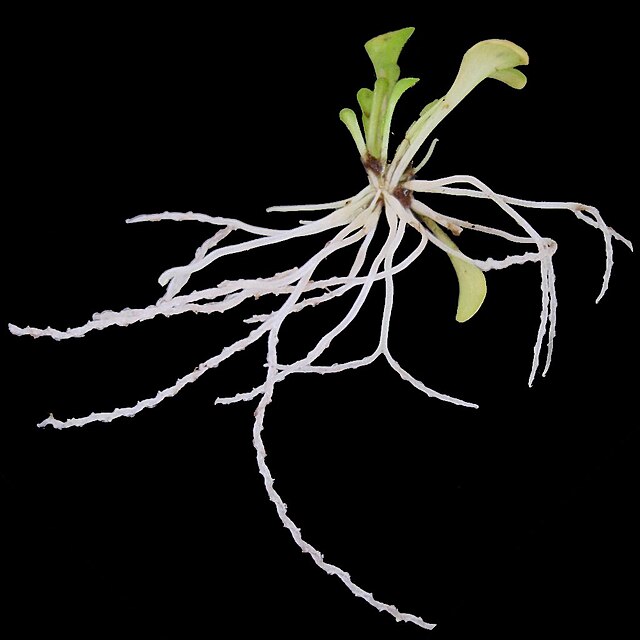
Genlisea
Genlisea
A carnivorous plant with underground Y-shaped traps, cute flowers above but trapping below.
 © Christoph Kühnhanss, Karin Greischberger, CH-3011 BERN / Public domain
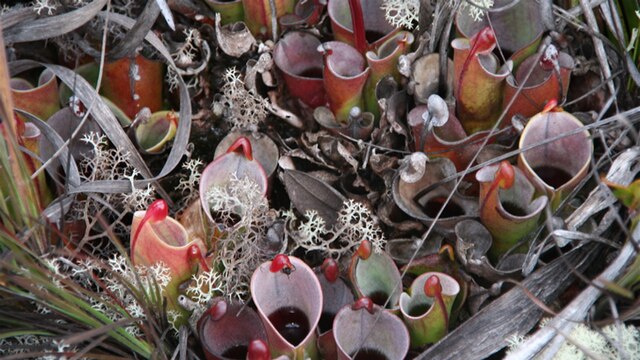
Heliamphora Minor
Heliamphora minor
The smallest Heliamphora, compact and cute, ideal for starting with the genus.
 © U.S. Fish and Wildlife Service Southeast Region / Public domain
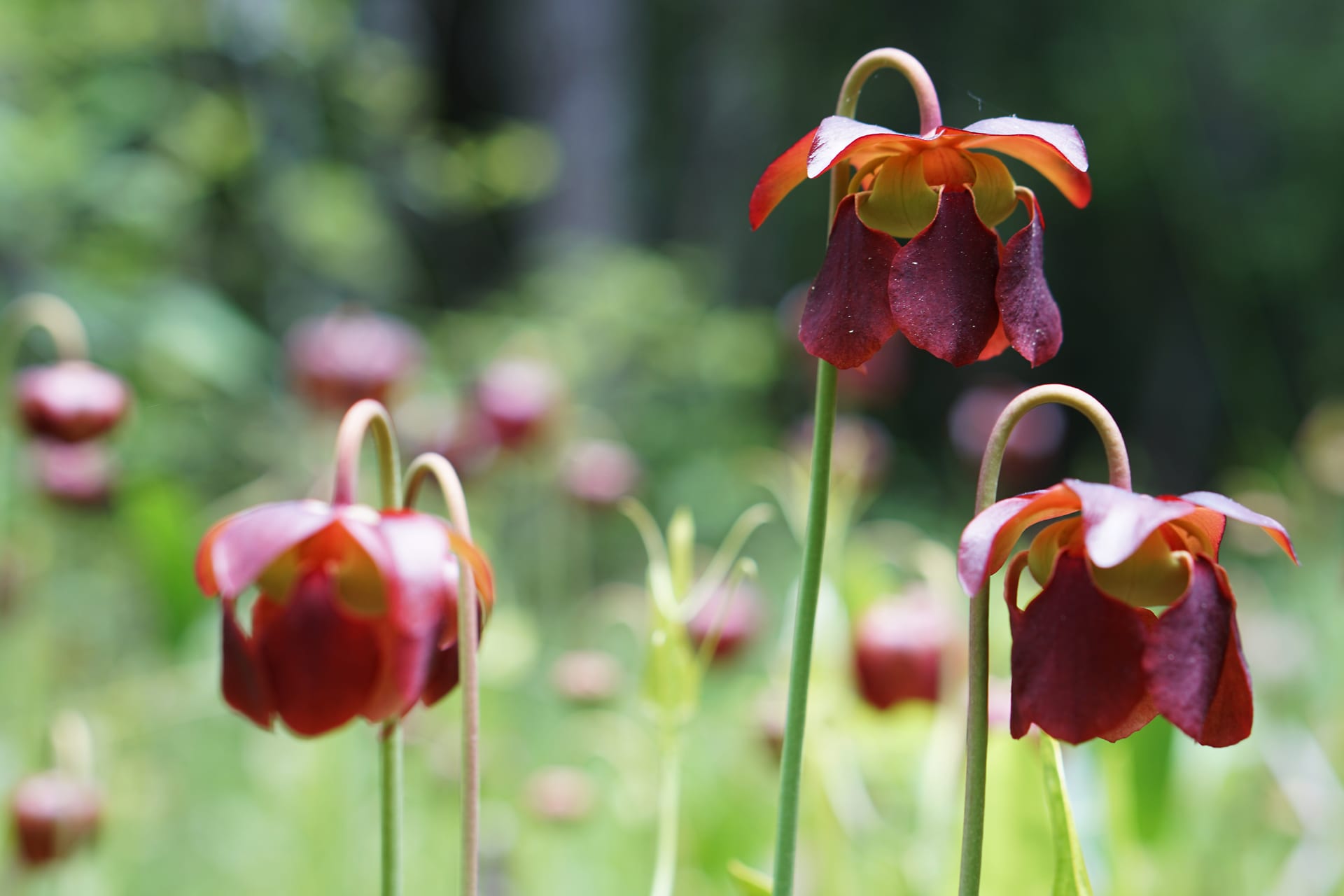
Mountain sweet pitcher plant
Sarracenia rubra ssp. jonesii
A pitcher plant surviving only in bogs of the Appalachian Mountains. It raises slender green pitchers veined in maroon, like a larger S. rubra, and bears red, raspberry-scented flowers. It is a CITES Appendix I subspecies.
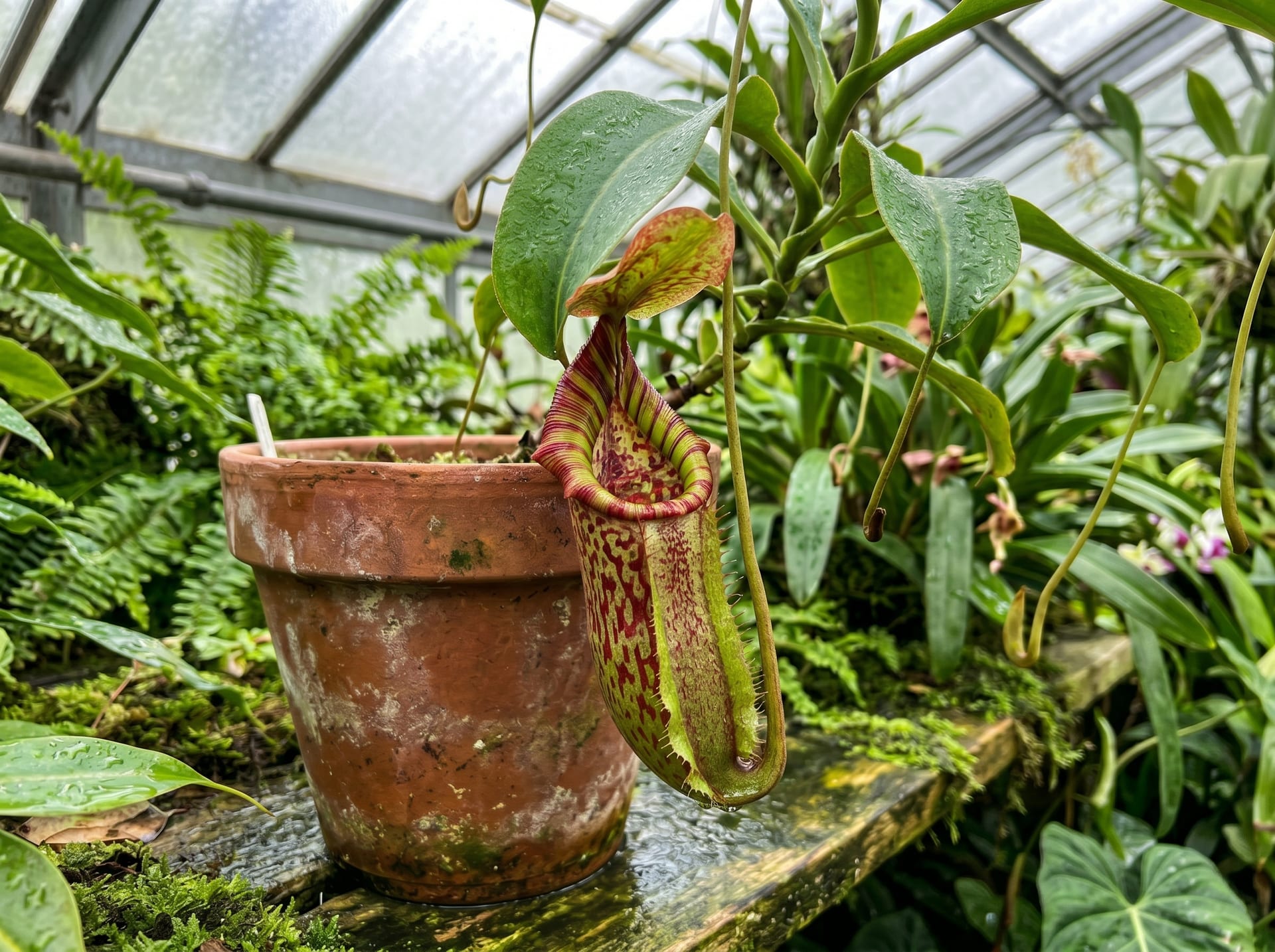
Nepenthes (Tropical Pitcher Plant)
Nepenthes spp.
About 170 species of pitcher plants centered in Southeast Asia. Captures insects in lidded pitchers. Highland and lowland species require different growing conditions.
 © Keisotyo / CC BY-SA 4.0
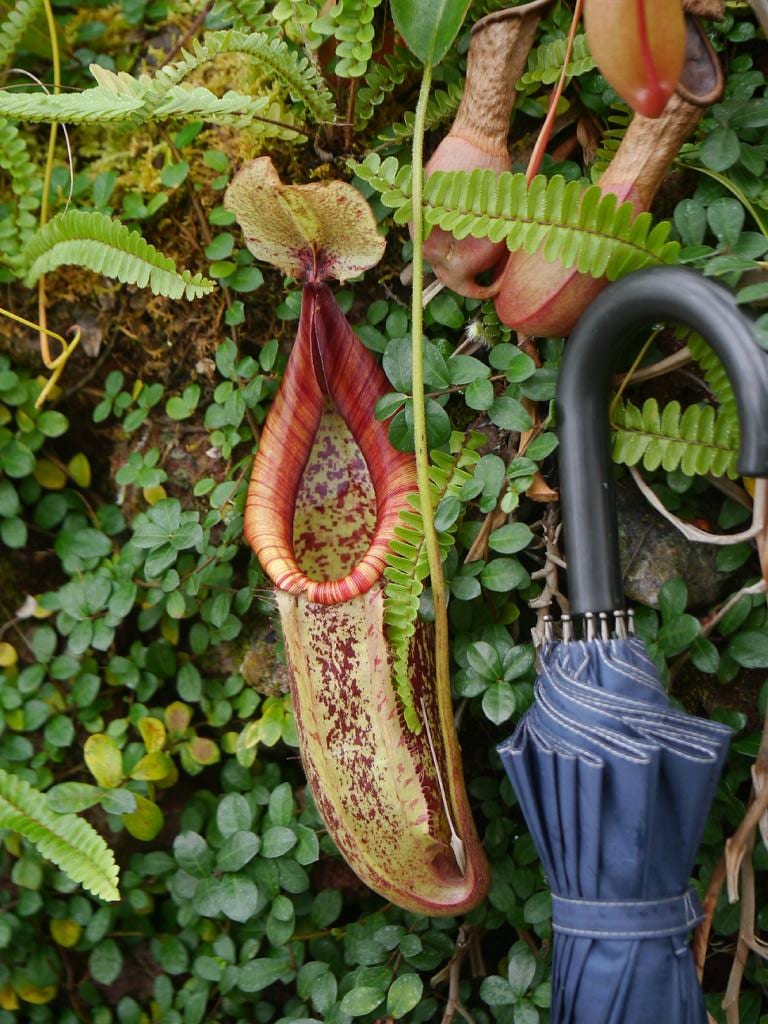
Nepenthes × dyeriana
Nepenthes × dyeriana
A complex hybrid pitcher plant sold as N. × mixta (N. northiana × N. maxima) crossed with N. × dicksoniana (N. rafflesiana × N. veitchii). A hybrid of the same parentage was raised at Veitch's nursery in Britain in 1900.
 © en:User:Rbrtjong / Public domain
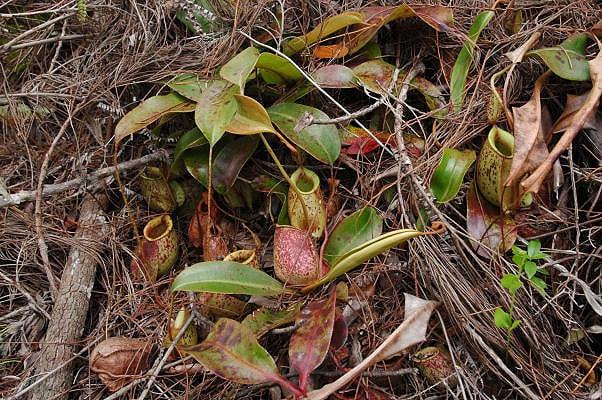
Nepenthes × hookeriana
Nepenthes × hookeriana
A natural hybrid of N. ampullaria and N. rafflesiana, relatively common in the lowlands of Borneo, Peninsular Malaysia and nearby, known as Hooker's pitcher-plant. A staple of hanging-basket sales in Japan.
 © Alfindra Primaldhi / CC BY 2.0
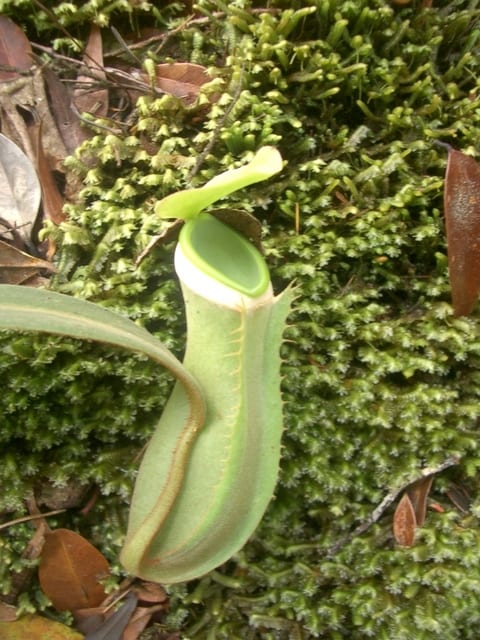
Nepenthes albomarginata
Nepenthes albomarginata
True to its name ('white-margined'), this pitcher plant has a band of white hairs just below the rim. The hairs lure termites, making it known as a termite-specialist carnivore. Pitchers are about 15 cm tall.
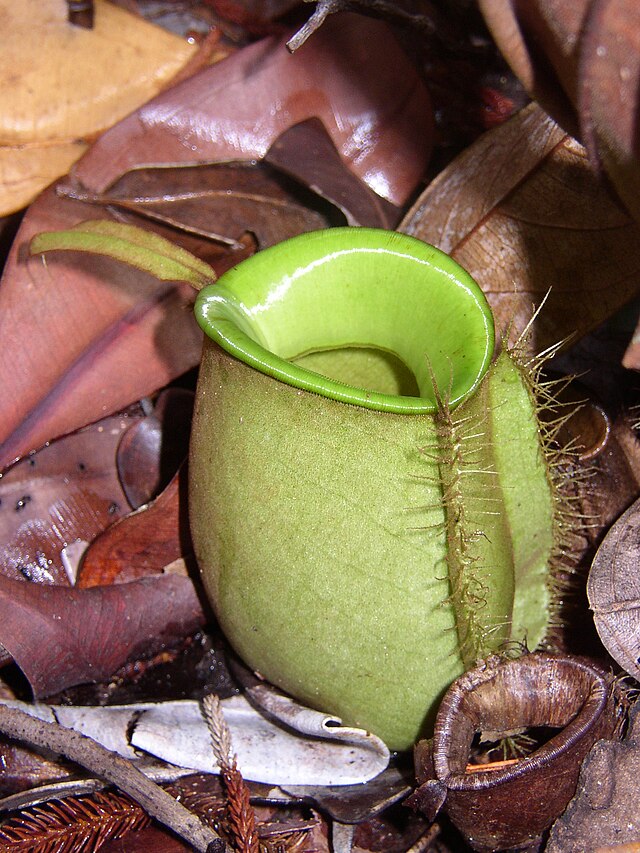 © No machine-readable author provided. NepGrower~commonswiki assumed (based on copyright claims). / CC BY-SA 2.5
Nepenthes Ampullaria
Nepenthes ampullaria
A unique Nepenthes clustering pitchers on the ground, decomposing fallen leaves for nutrition.
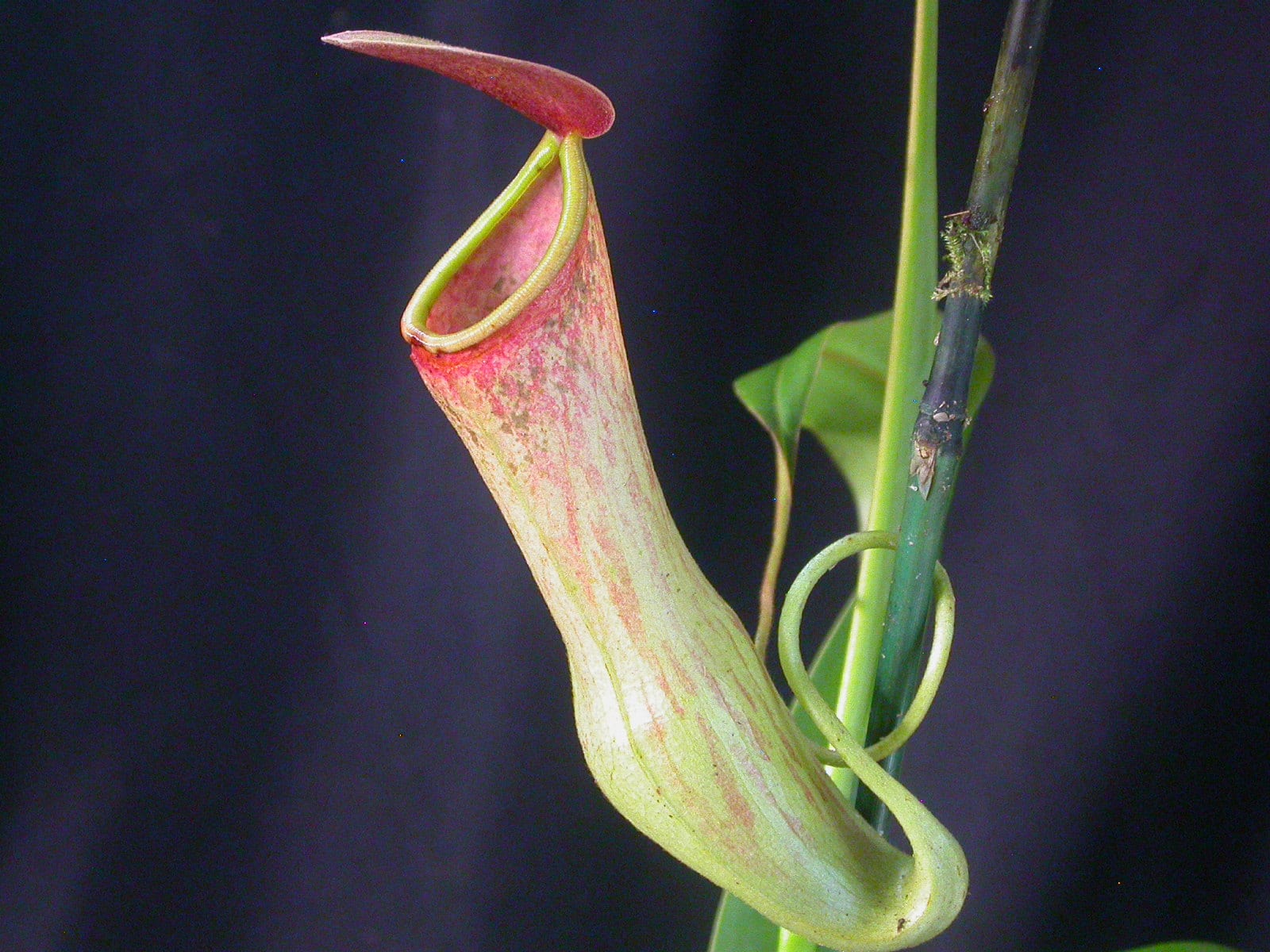 © JeremiahsCPs (English Wikipedia) / Public domain
Nepenthes khasiana
Nepenthes khasiana
The only pitcher plant native to India. It bears slender green pitchers streaked with reddish brown, thought to lure insects with blue fluorescence. It is a CITES Appendix I species, so transfers in Japan need a registration certificate.
Nepenthes Linda
Nepenthes 'Linda'
A highland hybrid pitcher plant selected from 'Rebecca Soper' crossed with a red N. ventricosa. Deep burgundy pitchers pinch in at the middle beneath a glossy dark rim. It resembles its parent, so check the label.
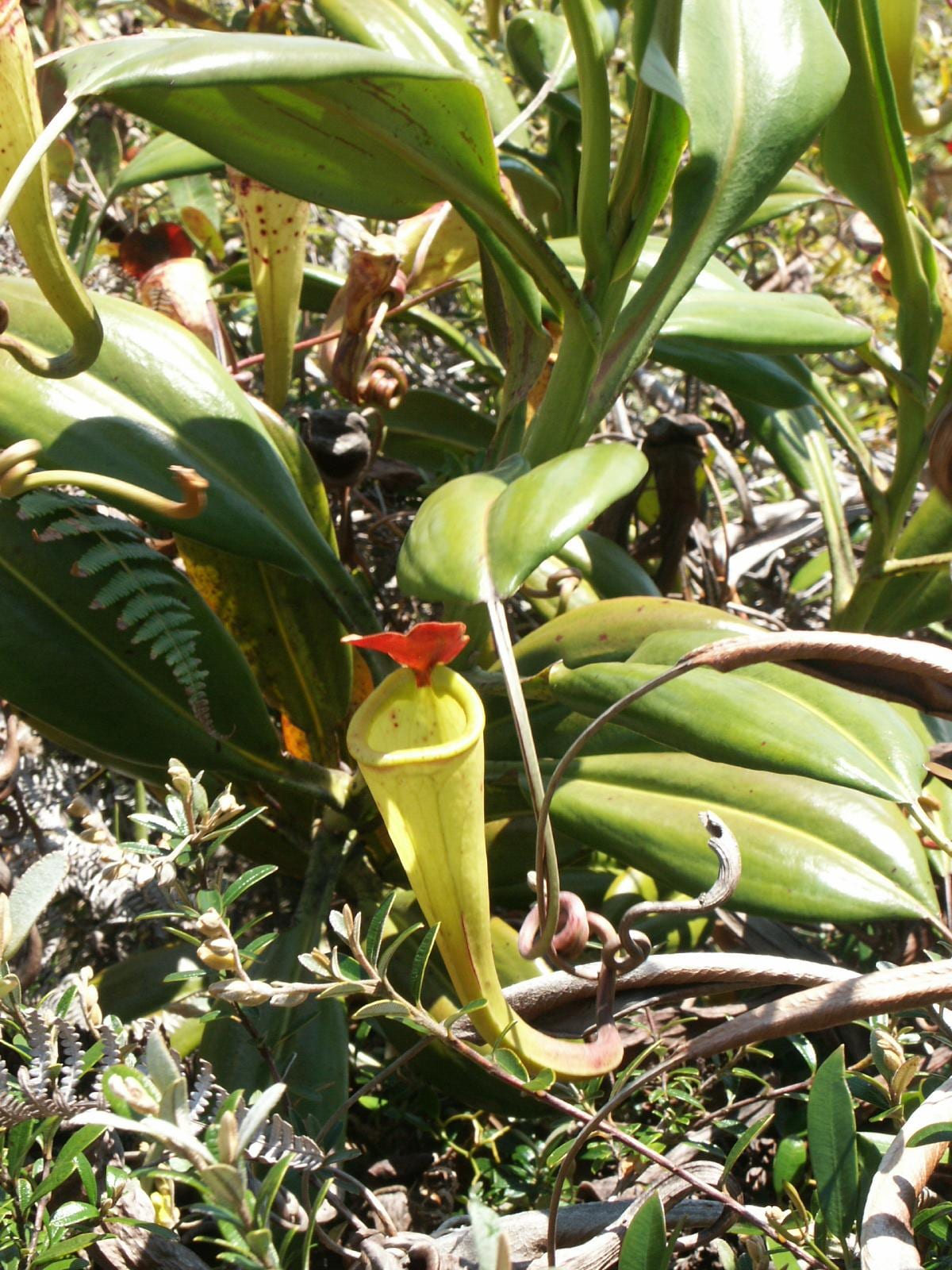 © Scott Zona / CC BY 2.0
Nepenthes madagascariensis
Nepenthes madagascariensis
A lowland pitcher plant of the east coast of Madagascar. It bears mostly slender, funnel-shaped yellow upper pitchers with a broad peristome and an almost circular lid, and was the first Nepenthes species recorded scientifically, in the 17th century.
Related Content
Carnivorous Plant FAQ
- How much do carnivorous plants cost?
- Venus Flytraps cost 500-2,000 yen, Nepenthes 1,000-10,000 yen, and rare highland Nepenthes can exceed tens of thousands of yen depending on species and size.
- Can beginners grow carnivorous plants?
- Venus Flytraps, Sundews, and Sarracenia are relatively easy and beginner-friendly. Keep them in a tray of water for humidity and place in a sunny spot.
- How long do carnivorous plants live?
- Venus Flytraps can live 10+ years with proper care, and Sarracenia are similarly long-lived. Nepenthes can grow for decades in the right conditions, getting progressively larger.
- What should I check when buying carnivorous plants?
- Check that leaves and traps are healthy with no root rot. For Nepenthes, choose specimens with pitchers. Avoid sudden environment changes after purchase and acclimate gradually.
- Do I need to feed insects to carnivorous plants?
- They grow fine through photosynthesis alone without feeding. Insects are supplemental nutrition and don't need to be force-fed. Outdoor plants catch bugs naturally, which is fun to observe.