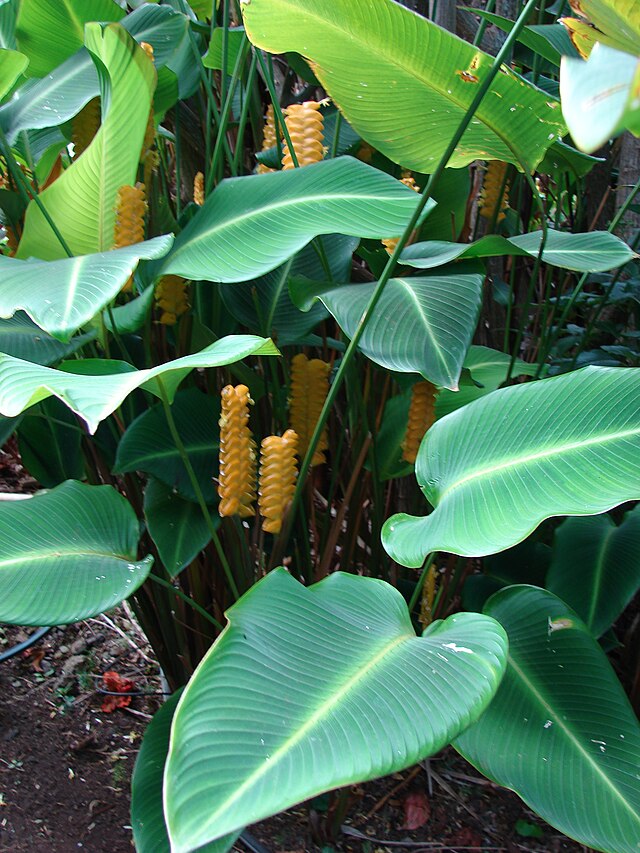
Source: Wikimedia Commons
Rattlesnake Plant
IntermediateGoeppertia insignis
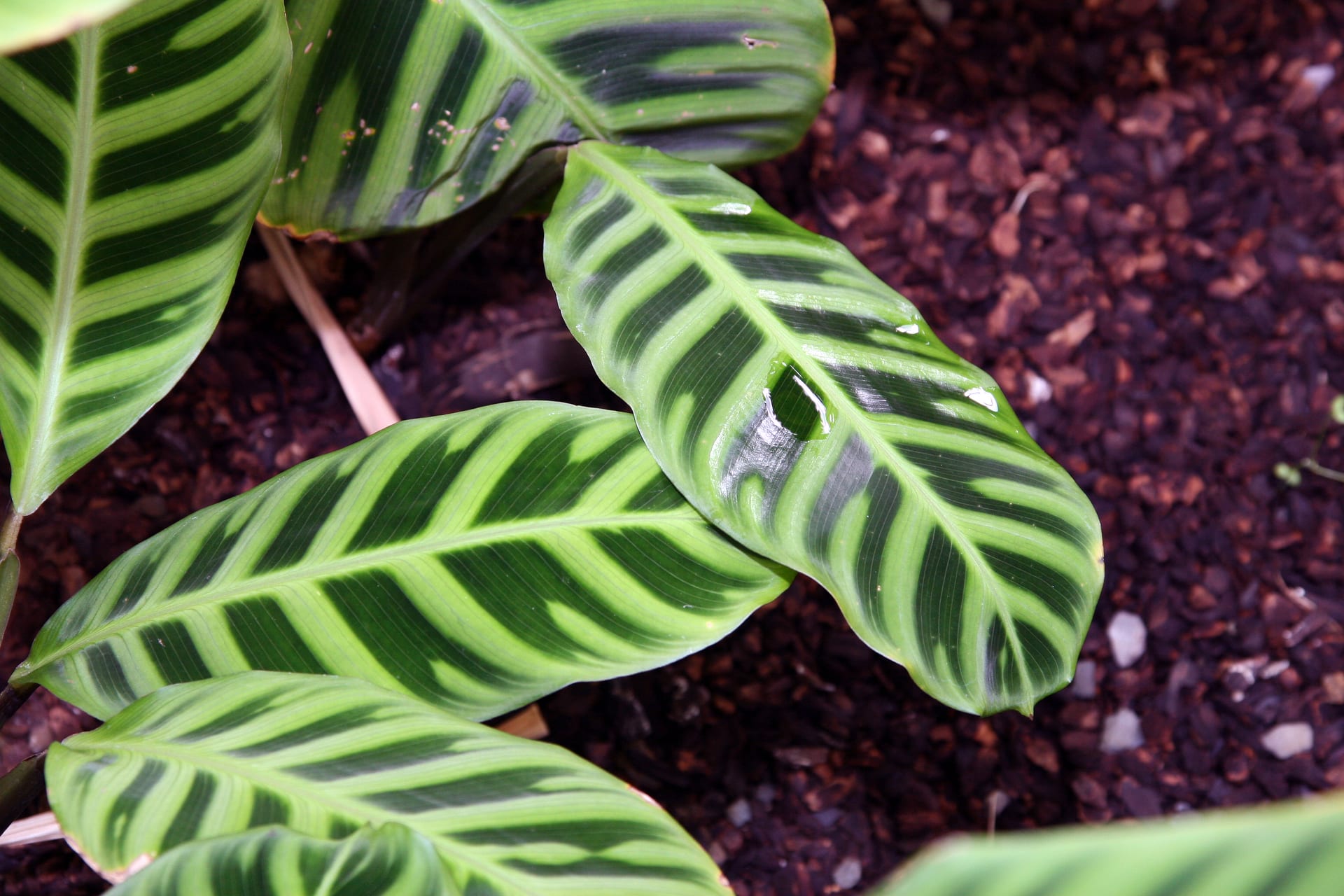
A calathea with snake-like pattern on wavy elongated leaves. Prayer plant relative that closes leaves at night.
Overview
Goeppertia insignis (formerly Calathea lancifolia), the rattlesnake plant, is a perennial in the family Marantaceae, native to Brazil. Its elongated, wavy-edged leaves bear a pattern of alternating light and dark green ovals along the midrib — reminiscent of a rattlesnake's markings — while the undersides are a rich purple. Like other marantaceae, it performs nyctinastic leaf movements, folding its leaves upward at night. It thrives in partial shade to bright indirect light; direct sun bleaches the leaf patterns. Sensitive to fluoride and chlorine in tap water; filtered or rainwater is recommended. Considered somewhat easier to maintain than true calatheas, it is a popular choice for those seeking the marantaceae aesthetic with slightly less demanding care requirements.
Size of the Rattlesnake Plant
The Rattlesnake Plant grows to 30-60cm.
Temperature & humidity for the Rattlesnake Plant
The ideal temperature for the Rattlesnake Plant is 18〜24℃.
Maintain consistent soil moisture, as drought causes the leaves to curl; high humidity (50–70%) is preferred, and misting is beneficial.
Basic Info
Origin
Brazil
Lifespan
Perennial
Size
30-60cm
Temperature
18〜24℃
Humidity
50〜70%
Growing Tips
Light & Placement
Partial shade to bright indirect light suits it; direct sun fades the leaves. Avoid spots where dry air-conditioner air blows on it.
Watering
Keep the soil consistently moist; leaves curl when it dries out. It is sensitive to chlorine, so use rested tap water or filtered water.
Temperature & Overwintering
Native to Brazil and cold-sensitive. In winter keep it in a warm room and keep misting to maintain 50-70% humidity.
Soil & Repotting
Use a mix that holds moisture yet drains well. Blend peat moss or leaf mold with pumice, and repot once roots fill the pot.
Notes
Leaf tips dry easily, humidity management important
Rattlesnake Plant FAQ
QWhat is the growing difficulty level for Rattlesnake Plant?
Intermediate. A variety suitable for intermediate growers. Requires some cultivation experience and knowledge of environment management. Pay careful attention to temperature and humidity control.
QWhat is the ideal temperature for Rattlesnake Plant?
The ideal temperature for Rattlesnake Plant is 18〜24℃. Avoid sudden temperature changes and maintain a stable environment.
QHow large does Rattlesnake Plant get?
The mature size of Rattlesnake Plant is 30-60cm. This may vary slightly depending on cultivation environment and individual differences.
QWhat is the typical price for Rattlesnake Plant?
The price of Rattlesnake Plant varies significantly by variety, characteristics, size, and lineage. Please check GrowerDirect's price guide for the latest market information.
Last updated: October 2, 2026
Growing Specifications
- USDA Zone
- 11–12
References & Sources
Edited & verified by: GrowerDirect Editorial Team
The classifications, regulations, and growing data on this page are created and verified based on the primary information database below.
Taxonomy & Authority
Accepted name: Goeppertia insignis (W.Bull ex W.E.Marshall) J.M.A.Braga, L.J.T.Cardoso & R.Couto
Synonyms: Calathea lancifolia Boom, Calathea insignis (W.Bull ex W.E.Marshall) L.H.Bailey & Raffill, Maranta insignis W.Bull
Authority databases: GBIF · POWO
Nomenclature follows global taxonomic authority databases.
Regulations & Conservation Status
Not listed in the CITES (Washington Convention) Appendices. Not designated as an invasive alien species.
Sources: CITES Appendices (official) / Ministry of the Environment List of Specified Invasive Alien Species
Regulations may change. Always verify the latest information with the relevant authorities.
Related Species
Find listings for this species
Related Articles
Complete Guide to Growing Zamioculcas (ZZ Plants) | Management Guide for Unique Foliage Plants Resilient to Drought
A guide to growing Zamioculcas (ZZ Plants). For watering, wait several days after the soil has dried out completely, and space watering out even further in winter. The best light is indoors behind a lace curtain. For propagation, division is the most reliable method with a high success rate, while leaf cuttings can take several months to root.
Transform Your Space with Large Foliage Plants | Complete Guide to Styling, Placement & Interior Design
A guide to interior design using large foliage plants. We explain everything from plant selection by room type and style, placement tips, pot selection, to comprehensive care methods.
How to Enjoy Caudex Plants (Bizarre Plants) | Managing Caudex Foliage Plants such as Stephania and Elephant's Foot
Explains how to care for caudex foliage plants for indoor enjoyment (Stephania, Elephant's Foot, and others). Covers summer/winter dormancy cycles, proper watering rhythm, light requirements, and differences from typical caudex collections.
Complete Guide to Selecting and Caring for Large Foliage Plants | Living Room Statement Trees
Covers large varieties like Ficus, Dracaena, and Strelitzia, along with repotting, staking, and moving tips.
🩺 Common diseases
Can't find the plant you're looking for?
Post your wishes for free and growers with matching plants will contact you with introductions.