Transform Your Space with Large Foliage Plants | Complete Guide to Styling, Placement & Interior Design
A guide to interior design using large foliage plants. We explain everything from plant selection by room type and style, placement tips, pot selection, to comprehensive care methods.
Key Takeaways
A guide to interior design using large foliage plants. We explain everything from plant selection by room type and style, placement tips, pot selection, to comprehensive care methods.
Related Species
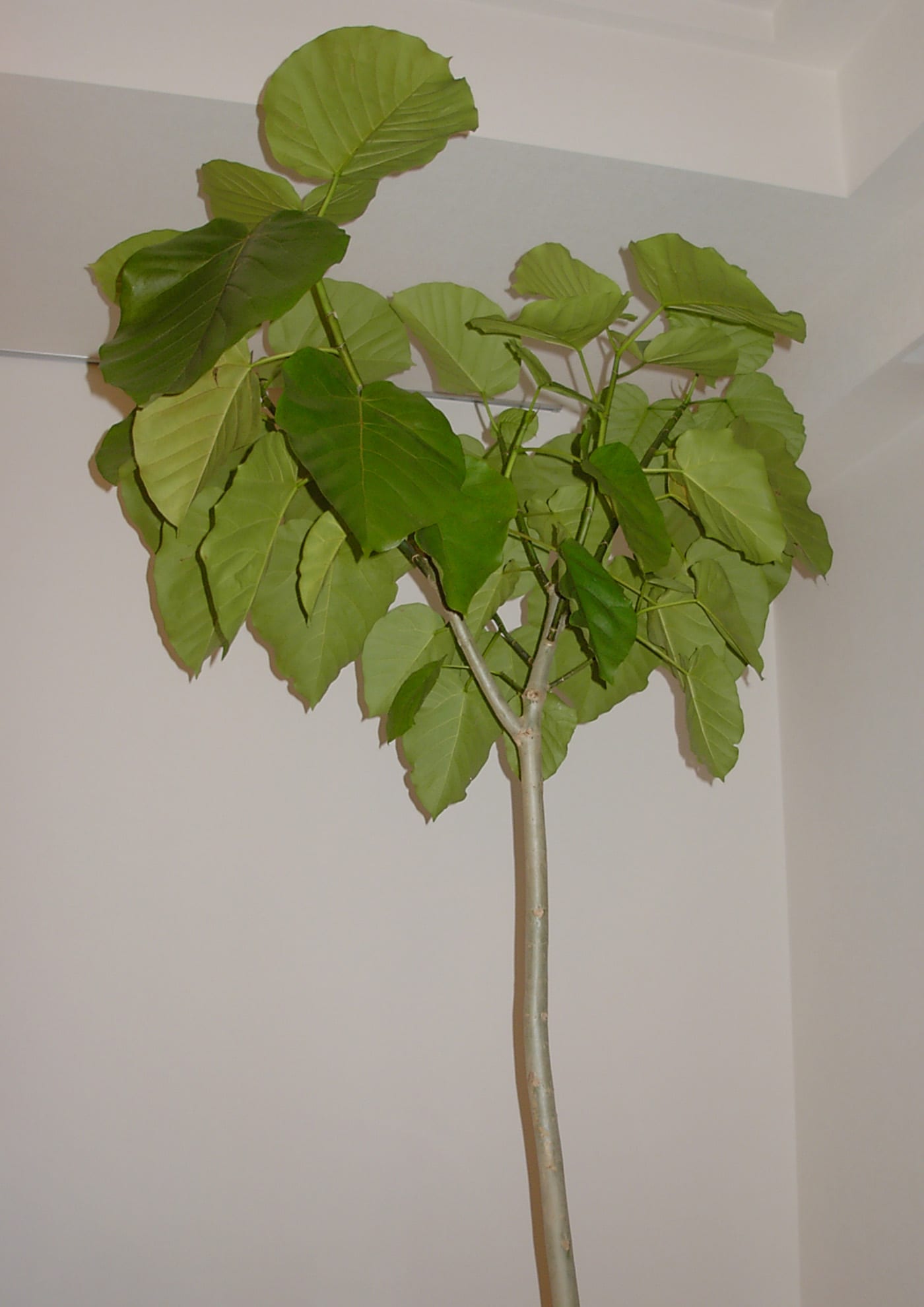
Foliage plants breathe life into indoor spaces. Large varieties in particular are more than just decorative pieces—they become the starring feature that transforms the entire impression of a room. By selecting tall species that reach toward the ceiling or varieties with thick, commanding trunks, the entire room feels elevated and refined. In this article, we explain the techniques for space design using large foliage plants, from plant selection by room type and style, to placement tips and care methods.
How to Choose Large Foliage Plants by Room Type
Large Species for the Living Room
The living room is the space where foliage plants truly shine. With generous floor space and high ceilings, it's the ideal location to make large plants the focal point of your design.
Recommended choices:
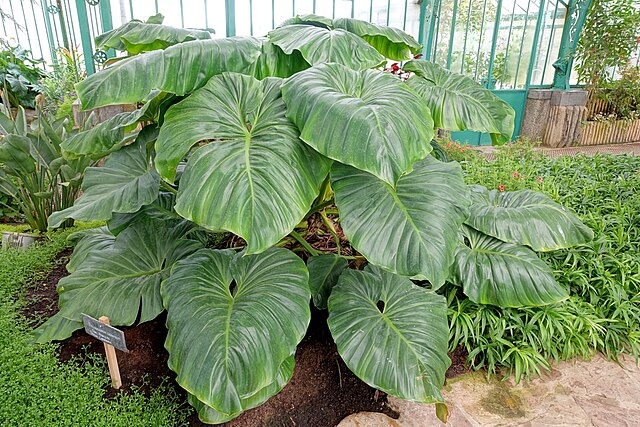
- Ficus umbellata (Umbrella Fig): Characterized by large, heart-shaped leaves, it grows to 2–3m or taller as it matures. Combined with its stylish form, it's a signature choice for modern interiors.
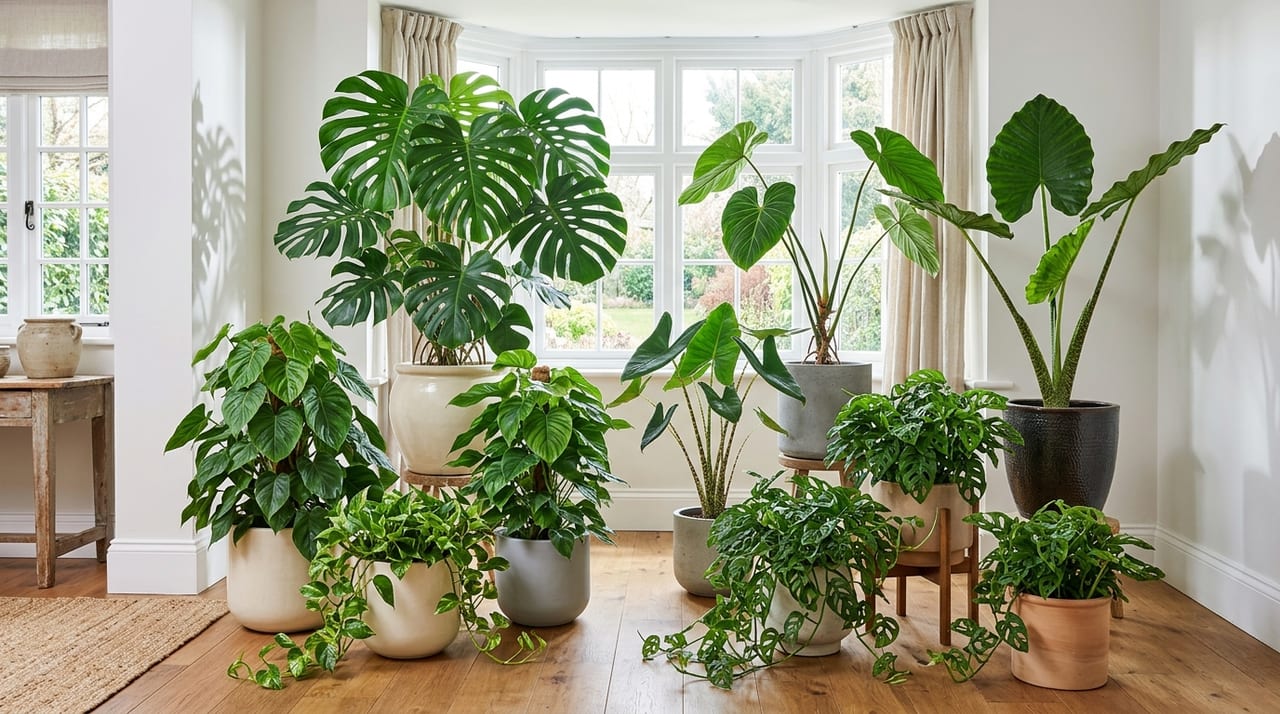
- Monstera: Its distinctive large leaves with natural cut patterns are striking. Growing from medium sizes of 1–2m to larger specimens reaching nearly 3m, you can enjoy the changing landscape as the plant matures.
- Philodendron: A close relative of Monstera with finer leaf incisions on many varieties. Interior-wise, it creates a refined and sophisticated impression.
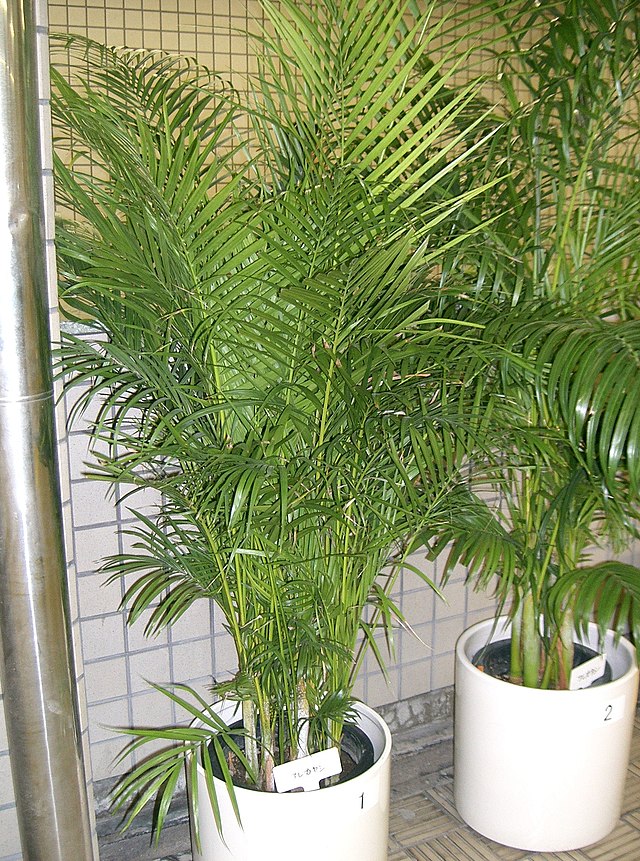
- Areca Palm: A tropical beauty with slender leaflets and an exotic atmosphere. When positioned to utilize the full ceiling height, it emphasizes a tropical vibe. However, humidity control is essential.
The living room is where your family spends considerable time, so experiencing seasonal changes and growth through your interaction with large plants enriches your daily life.
Large Species for the Bedroom
Placing large foliage plants in a bedroom requires balancing a sense of calm and tranquility.
Since bedrooms typically have limited window exposure, choosing varieties with high shade tolerance is crucial. Ficus elastica (Rubber tree) features glossy, thick leaves that evoke calm, with excellent shade tolerance. Variegated varieties bring brightness through white or cream markings, visually compensating for low light.
Placement should be near the bedroom entrance or at the foot of the bed—positions where it naturally enters your field of view. The key to success is choosing a large species without overly dark foliage that might create a sense of oppression.
Large Species for the Entryway
The entryway is the face of your home and makes a first impression on visitors. Placing a large foliage plant at the entrance creates the impression of a well-maintained home.
Selection criteria for the entryway include: choosing a size that fits your ceiling height, selecting species with high shade tolerance, and opting for slender, well-formed specimens. Ficus benjamina (Weeping fig) has small, densely packed foliage that creates a natural and refreshing impression. Variegated Ficus elastica brings brightness with white or cream patterns even in dim entryways.
Large Species for the Office or Study
Offices and studies require environments that boost productivity and concentration. The visual relaxation effect of large foliage plants aids mental refreshment.
Selection points for offices include: growth that isn't too rapid and maintains its form easily, durability in dry, air-conditioned environments, and slender shapes that won't cramp the space around desks and walls. Monstera (trained on a stake) grows relatively slowly while maintaining presence and elegance. Areca palm is tall and narrow, taking minimal floor space while promoting mental clarity.
Coordinating Large Foliage Plants by Interior Style
Modern Style × Foliage Plants
Modern interiors pursue simple, geometric beauty. Ficus umbellata's heart-shaped leaves have an architectural elegance, with deep green that stands out against white walls and concrete-look flooring. Variegated Ficus elastica creates striking black-and-white contrast, naturally harmonizing with modern color schemes.
Placement tips include: unifying the pot material with cement or metallic finishes for a modern aesthetic, and positioning the plant along symmetry axes rather than room corners to emphasize compositional stability.
Scandinavian Style × Foliage Plants
Scandinavian interiors are characterized by natural materials, warm tones, and the philosophy of "living with nature." Monstera, though a large species native to southern Mexico through Guatemala, pairs beautifully with Scandinavian principles through the way light passes through its leaves—reflecting the Scandinavian appreciation for natural light. Ficus benjamina's delicate foliage brings a piece of forest into your living space.
Placement tips include: harmonizing with wooden furniture using unified color tones to emphasize warmth, and seasonally moving potted plants closer to or farther from windows to incorporate natural light changes into your lifestyle.
Botanical Style × Foliage Plants
Botanical style creates a "miniature forest" indoors by combining multiple foliage plants. Large specimens function as the background layer. Layer composition: large foliage plants (Monstera, Philodendron) in back, medium-sized pots (Pothos, Ivy) in the middle, and low succulents or ferns in front.
A concrete example: position a single Monstera near a large window, arrange plants of varying heights in front, and unify pot sizes and materials to create visual cohesion.
Layout Design with Large Species as the Star
The "Line of Sight" Principle
Always position large foliage plants with your viewpoint in mind. Placing them where you see them from the sofa maximizes daily healing effects. Positions visible the moment you enter the room instantly elevate the entire space's impression. Even if not visible while seated, height positioned to be seen when standing provides an unconscious sense of spatial richness.
Space Design Through "Color Harmony"
A large foliage plant's foliage color influences your entire room's color palette. Deep green brings calm and formality, pairing well with grays, blacks, and deep navy. Bright green brings freshness and an active impression, coordinating well with whites and creams. Yellow-green (variegated) brings lightness and brightness, complementing pastels and whites.
By harmonizing your plant's leaf color with your walls, curtains, and sofa, even beginners achieve well-coordinated interior design.
Creating Depth Through "Height Variation"
Using only large foliage plants becomes monotonous. Combining multiple heights creates three-dimensional appeal. A layered composition—a single tall tree over 2m (Monstera, Ficus umbellata) in back, 2–3 medium species of 1.2–1.5m in the middle, and low succulents or ivy near the floor—creates depth and a forest-like quality.
Beginner to Advanced: Step-Up Guide
Step 1: Hardy Large Species for Beginners
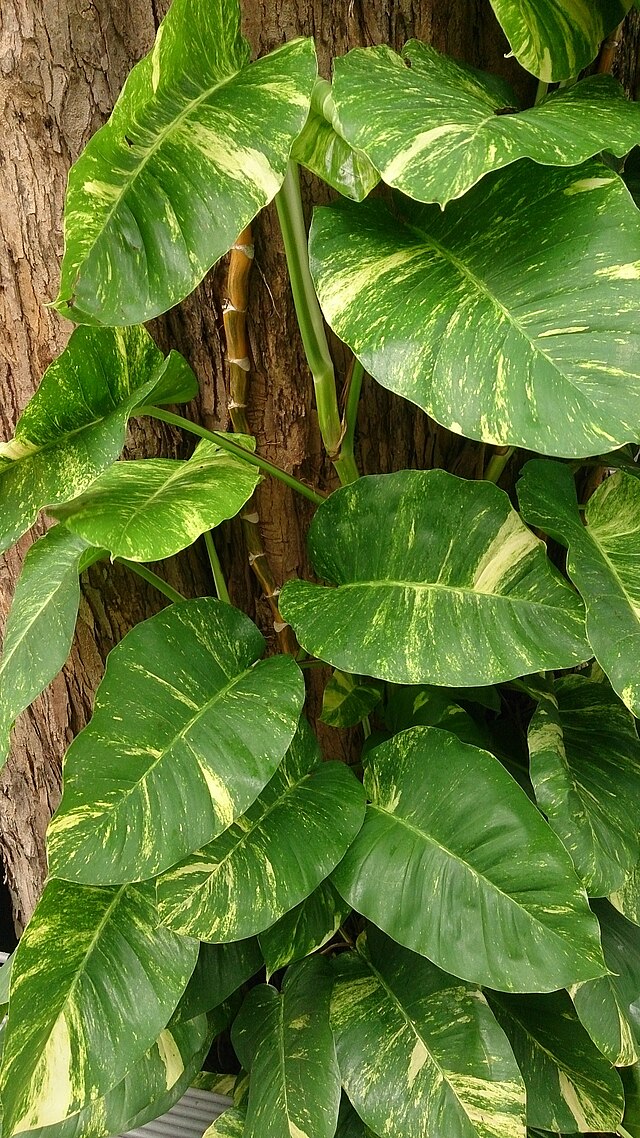
For large foliage plant beginners, we recommend fast-growing, light-flexible, easy-to-care varieties. Ficus elastica (Rubber tree) has high shade tolerance and thrives even with minimal fertilizer. Simply wiping the leaves brings out their shine—minimal maintenance. Pothos (medium to large) is vining, allowing flexible shaping and the option to train it on stakes for larger growth—ideal for beginners.
Care tips include: monthly liquid fertilizer is sufficient, water every 2–3 weeks (adjusted seasonally), and simply wiping leaf dust maintains beauty.
Step 2: For Growers with Some Experience
This stage is about learning different growth patterns. Monstera introduces more observation points: aerial root management and variegation stability. You'll enjoy maintaining both "larger size" and "stable variegation" through balanced watering, light, and fertilization. Philodendron is more delicate than Monstera but offers greater satisfaction when mature.
Care tips include: liquid fertilizer 2–3 times monthly to promote growth, regular misting on stakes to encourage aerial roots, and seasonal repositioning to adjust light levels.
Step 3: Challenging Varieties for Advanced Growers
This stage involves trying variegated or rare species. Variegated Monstera requires careful white marking maintenance—light management is paramount. The joy of watching new variegated leaves unfold is unmatched. Areca palm demands strict humidity control and pest vigilance, but rewards you with tropical ambiance indoors.
Care tips include: using a humidifier to maintain 60–70% humidity, regularly monitoring for spider mites and scale insects, and fertilizing 3–4 times monthly depending on species.
Perspective on Planter Stands and Pot Selection
Pot Size and Material
Choosing pots for large foliage plants isn't just about sizing—it's balancing interior function with practicality. Terracotta offers good air circulation and rustic appeal, suiting natural and Scandinavian styles. Cement or concrete conveys modernity and weight, fitting modern and industrial aesthetics. Plastic is lightweight and affordable, matching casual and colorful themes. Porcelain and ceramic add elegance and beauty, complementing Japanese, Western, and classic styles.
For large species, choose pots 30cm or larger in diameter, prioritizing drainage and air circulation.
Using Planter Stands
To further highlight large foliage plants, consider planter stands. Their benefits include: raising the plant to eye level for greater prominence, preventing water damage to floors during watering, making repositioning and seasonal relocation easy with caster-equipped stands, and reinforcing overall unity through the stand's color and material. Wood is a Scandinavian and natural style staple; iron suits modern and industrial aesthetics.
Pot Color and Space Design
A large foliage plant's "base" is as visible as the plant itself. With dark foliage, use white, cream, or gray pots to create a "frame" that makes the plant stand out. With bright foliage, use dark pots (black, deep navy, dark gray) to lower visual weight and balance the composition. Variegated varieties benefit from mid-tone pots (ivory, beige) that don't compete with the plant's beauty.
Care Tips for Large Foliage Plants
Light Management
The larger the species, the more light affects growth and beauty. Ideally, aim for 4–6 hours daily of indirect light through sheer curtains. Low-light symptoms include: smaller new leaves, stunted growth, and lower leaf drop. A few hours of morning direct sun is fine, but midday direct sun risks leaf burn.
Humidity and Watering
Large foliage plants develop deep root systems, making moisture balance tricky. Water when the surface dries, then wait 2–3 more days before watering (longer in winter). Misting a few times monthly, especially in summer, prevents dryness and pests. A humidifier maintaining 50–60% humidity accelerates growth and reduces pests.
Fertilization and Nutrition
Large varieties consume significant nutrients and require regular fertilization. During growth (spring–autumn), apply liquid fertilizer 2–3 times monthly or slow-release fertilizer every 2–3 months. In winter (dormancy), stop or reduce to once monthly. Foliage plant-specific liquid fertilizer or slow-release balanced formulas are recommended.
Repotting and Root Management
As roots expand, so does above-ground growth. Repot every 1–2 years in spring or early summer. Repot earlier if roots protrude from drainage holes or water absorption slows. Move up one pot size (5–10cm larger diameter) as the standard.
Prevent root rot by: choosing well-draining soil, always emptying saucer water, and avoiding excess moisture.
Transforming your space with large foliage plants requires more than simply placing a large plant—it demands understanding the species' characteristics, maintaining style unity, managing light and humidity, and viewing cultivation as long-term. By selecting optimal varieties for your room type and style, coordinating planter stands and pot colors, beginners too can achieve polished interior design. Starting with hardy beginner varieties and gradually tackling challenging species deepens your relationship with foliage plants, ultimately enriching your entire living space.