Complete Guide to Selecting and Caring for Large Foliage Plants | Living Room Statement Trees
Covers large varieties like Ficus, Dracaena, and Strelitzia, along with repotting, staking, and moving tips.
Key Takeaways
Covers large varieties like Ficus, Dracaena, and Strelitzia, along with repotting, staking, and moving tips.
Related Species
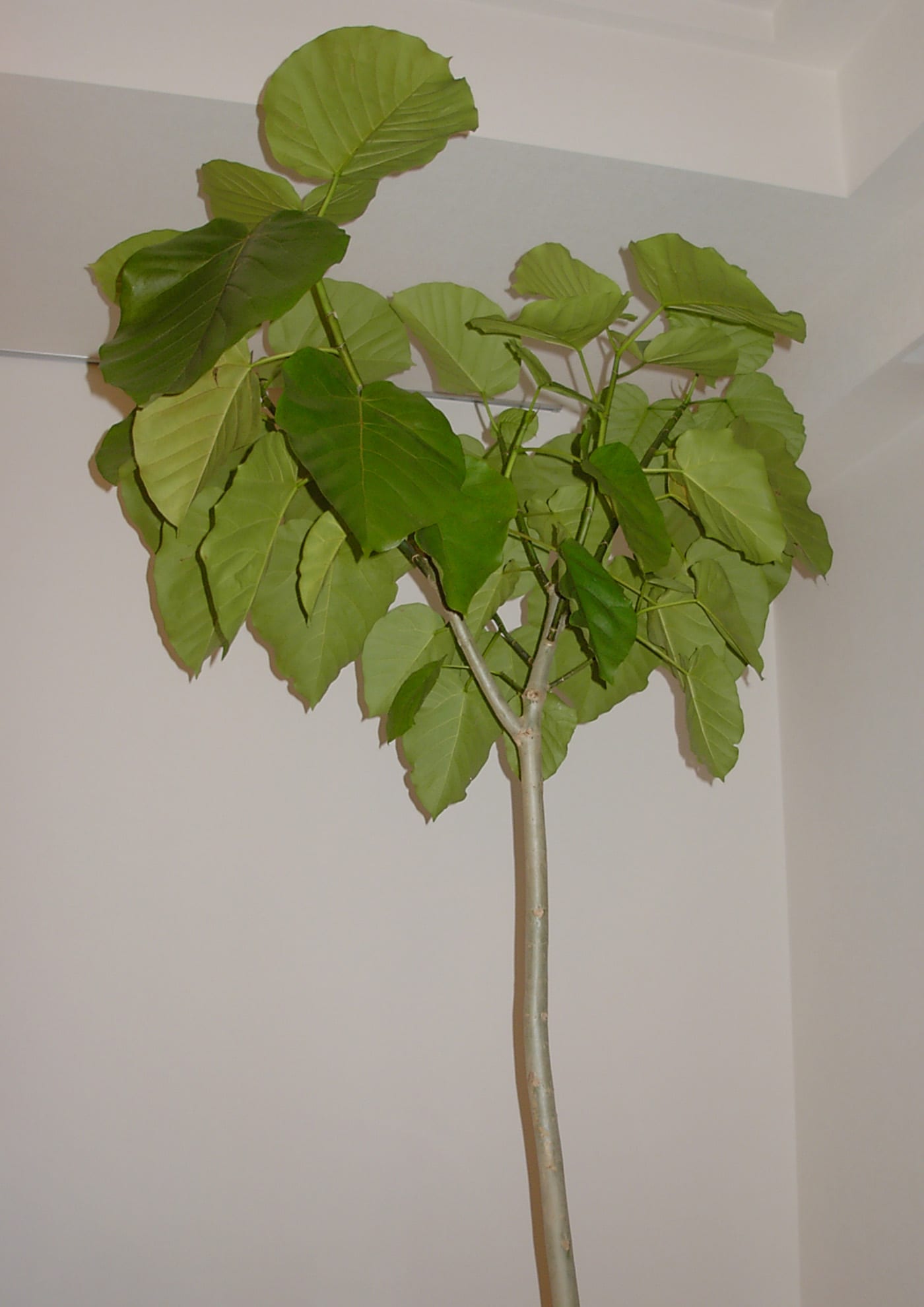
Large foliage plants command presence as the centerpiece of any living room. Their verdant growth reaching toward the ceiling transforms a space, bringing a relaxing effect as if you're surrounded by nature. However, large varieties present unique challenges—the difficulty of repotting and the hassle of moving—that small plants don't have. This article thoroughly covers everything from selecting the right large foliage plant to daily care and repotting techniques.
Popular Large Foliage Plants and Their Characteristics
We introduce popular varieties that serve as statement trees in living rooms, along with their key characteristics.
- Ficus Umbellata: Large heart-shaped leaves with exceptional interior appeal. Prefers bright locations but has some shade tolerance. Fast-growing and responds well to pruning for shape control. Heights of 150–200 cm are popular
- Ficus Benghalensis: Beautiful contrast between white trunk and deep green rounded leaves. Also called Bengal Fig, it harmonizes well with natural interior design
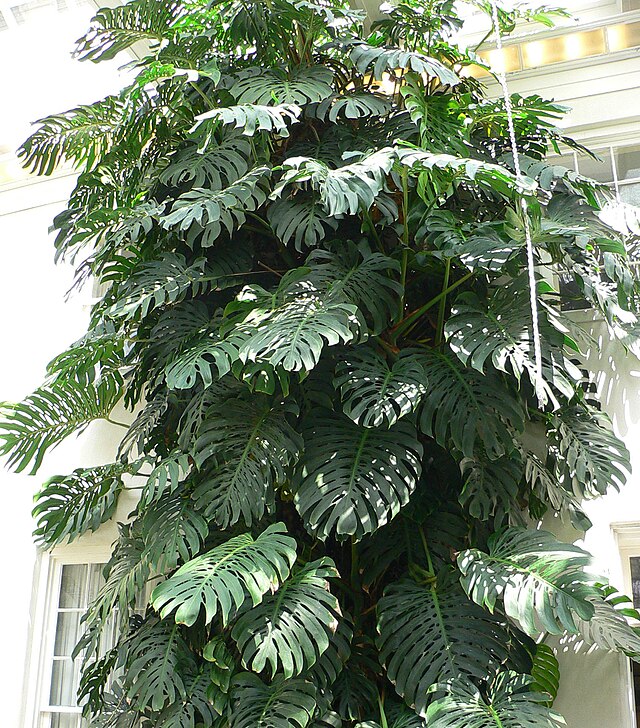
- Monstera Deliciosa: A classic variety with large fenestrated leaves evoking tropical resort vibes. Its vining nature makes it easy to create vertical fullness when trained on a support pole
- Strelitzia Nicolai (Bird of Paradise): Large banana-like leaves create tropical atmosphere. Fast-growing with a dynamic appearance
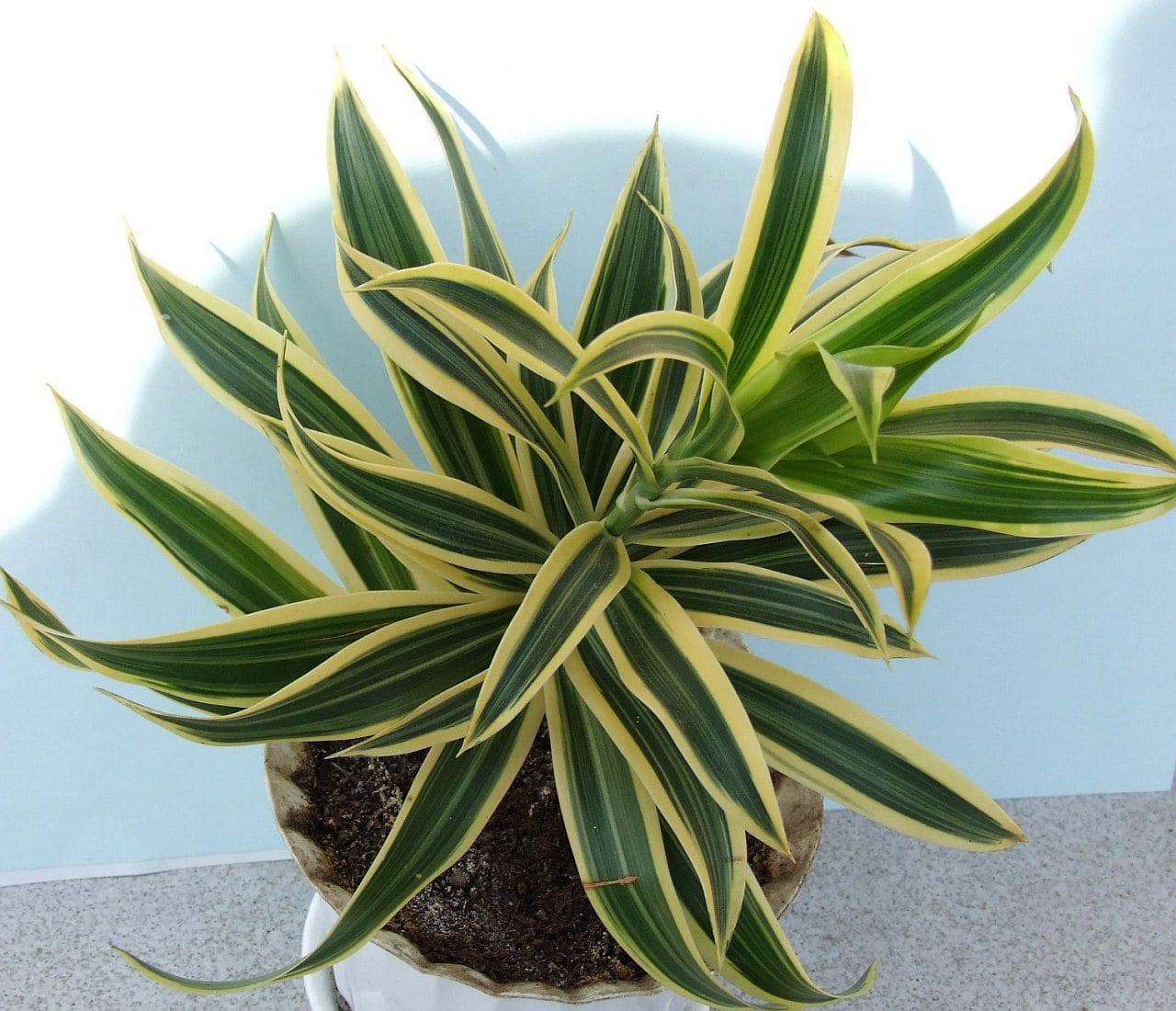
- Dracaena Fragrans (Tree of Happiness, commonly Massangeana): A popular gift plant. Features a thick trunk with radiating leaves. High shade tolerance makes it ideal for indoors
- Evergreen Ash: Delicate feathery leaves create a fresh look. Unique trait of closing leaves at night. Grows large in bright indoor spaces
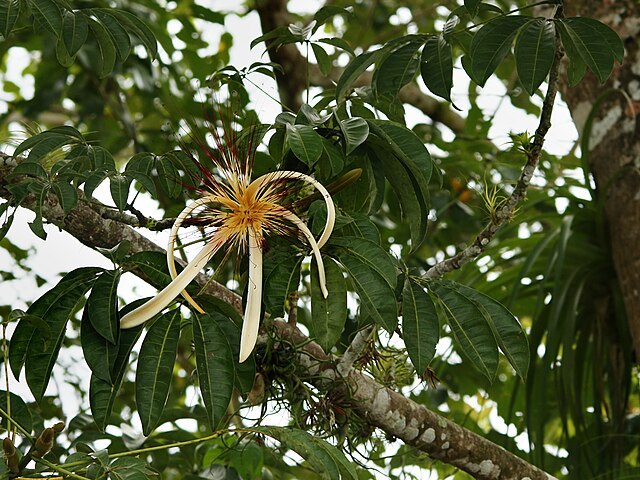
- Pachira: Notable for its braided trunk. Shade-tolerant and easy to grow. Makes an impressive statement tree when grown to large size
Choosing Size and Shape at Purchase
Large plants often grow more than expected after purchase, so choosing with their future size in mind is important.
- Measure ceiling height at the location: Choose a height that leaves at least 30 cm of clearance from the ceiling. Also check for air conditioner drafts
- Pot size and weight: 8-inch pots (24 cm diameter) and larger indicate large specimens. 10-inch pots (30 cm diameter) can weigh over 20 kg with soil
- Clarify shape preference: Decide in advance whether you prefer an upright "straight stem," gently curved "curved stem," or branching "bushy form"
- Check foliage density and condition: Verify that lower leaves haven't dropped, leaving only bare stems, and that leaves have good color and luster. Loose-feeling plants at the base may have poor root condition
- Consider future growth rate: Ficus and Evergreen Ash grow quickly, sometimes extending 20–30 cm per year. It's reasonable to choose a slightly smaller specimen at purchase
Repotting Large Plants
Large plants thrive when repotted into a container one size larger every 2–3 years.
- Best timing: May to July during the growing season. Avoid midsummer and winter
- Materials needed: New pot (one size larger), pot net, drainage stones, foliage plant soil, newspaper or tarp
- Step 1 – Remove: Stop watering several days beforehand to dry the soil. Tap the pot rim to loosen the soil. For large pots, lay them on their side and slowly slide out the plant. Two-person operation is safer
- Step 2 – Prune roots: Remove about a third of the old soil. Trim blackened or tangled roots with scissors, but keep healthy white roots
- Step 3 – Plant: Layer drainage stones in the new pot, add soil, and position the plant. Fill around it with soil while tamping with a stick to eliminate air pockets
- Step 4 – Water: Water thoroughly until it drains from the bottom. Then place in bright indirect light for 1–2 weeks to recover
Staking and Trunk Training
Large plants can develop crooked or weak stems. Support them with stakes to maintain an attractive shape.
- Stake types: Thick wooden stakes, metal garden poles, or moss poles (for vining plants). For large plants, 12 mm or thicker garden poles are recommended
- Installation: Insert the stake deep into soil, about 5 cm from the stem. Tie the stem to the stake with garden twine or padded plant ties. Use cushioning at the tie point to prevent stem damage
- Creating curved stems: Young stems are flexible; guide them in the desired direction with gentle training on a stake. Correct slowly over several months. Avoid sudden force, which may snap the stem
- Wind protection: In windy window locations, arrange three stakes in a triangle for added stability
Moving and Positioning Large Plants
Relocating heavy large plants requires careful planning.
- Wheeled plant stands: 10-inch pots and larger should sit on a wheeled plant cart. This makes watering and moving to balconies far easier
- Rotation for even light: Rotate the pot 90 degrees monthly to ensure even light exposure across the entire plant and prevent lopsided growth
- Seasonal movement plan: Provide abundant light on balconies or near windows spring through fall; move away from windows in winter to avoid cold. Ensure clear movement paths
- Floor protection: Place waterproof or cork mats under large pots to protect flooring and prevent water damage during watering
- Check entry path: Measure doorways, hallways, and entryways before purchase. Large plants including packaging can be quite large, and delivery may not be possible in some homes
Daily Care Essentials
Here's what you need to know for long-term care and beauty.
- Watering: Water thoroughly once the soil surface is dry. Large pots take longer to dry, so water sparingly in winter. A reliable method is to insert a wooden stick into the soil to check moisture
- Leaf cleaning: Large leaves collect dust easily. Once monthly, wipe both sides with a damp cloth or rinse leaves under a shower. This boosts photosynthesis and improves appearance
- Pruning: During the growing season (May–September), prune overgrown or leggy branches. Ficus species exude white sap at cut sites; dab with tissue to stop flow. Wear gloves, as sap can irritate skin
- Fertilizer: During the growing season, apply slow-release solid fertilizer every 2 months or liquid fertilizer every 2 weeks. No fertilizer needed in winter
Find Your Ideal Statement Tree on GrowerDirect
Large foliage plants will serve as your living room's centerpiece for years when you choose the right variety and master basic care. On GrowerDirect, you can purchase large foliage plants directly from trusted growers who cultivate them with care. The ability to confirm shape and condition directly with the grower is a unique advantage of direct sales. Find the perfect statement tree for your space.