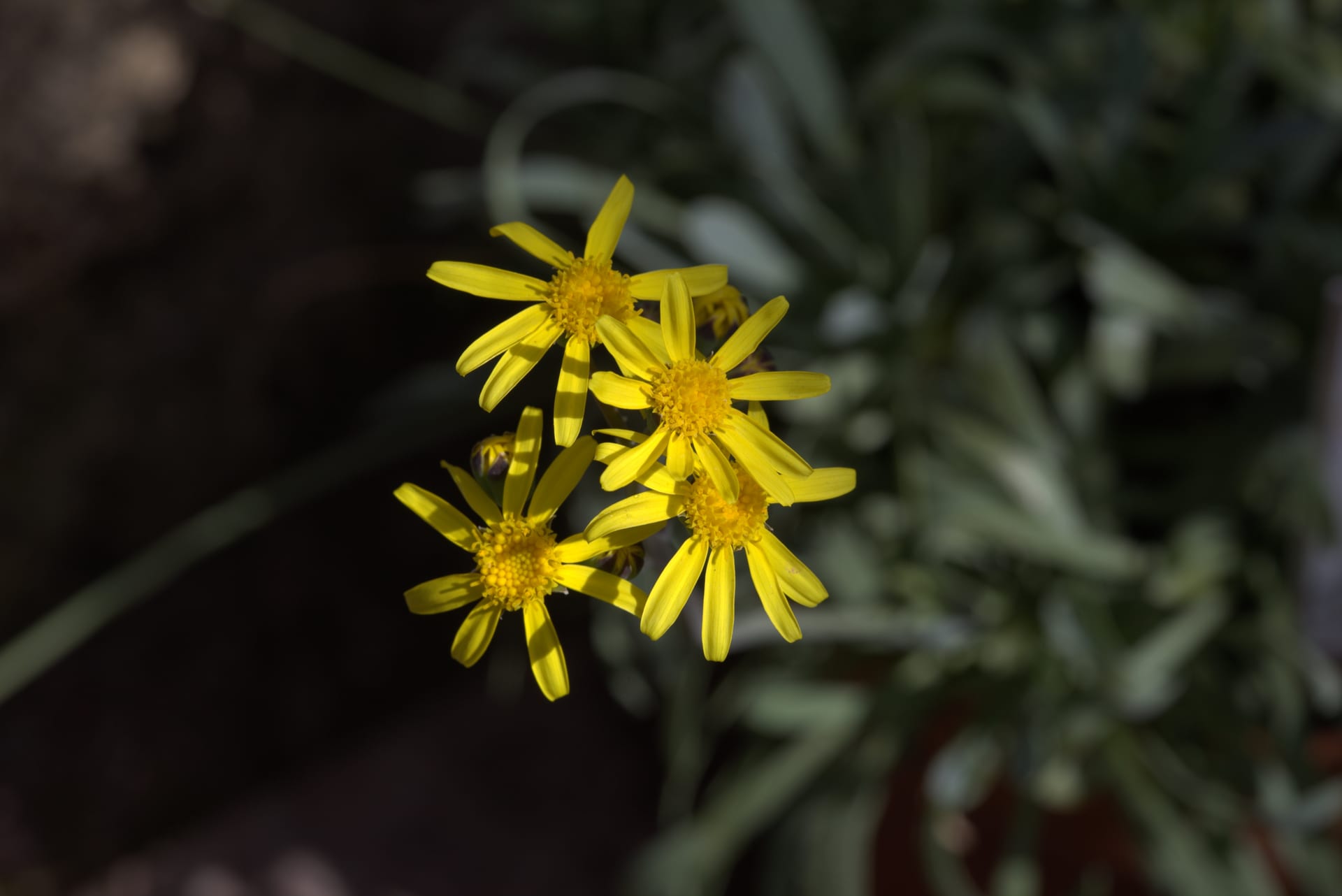
 © Averater / CC BY-SA 3.0
奥托纳莱特罗萨(Othonna retrorsa)
Othonna retrorsa is a winter-growing caudiciform succulent native to South Africa. Its woolly, multi-headed caudex sends up rosettes of stiff, pale grayish-green leaves marked with a striking network of raised veins. Tiny backward-pointing white teeth line each leaf edge, the detail that gives the species its Latin name retrorsa. Over time it forms a cushion-like clump reaching roughly 10cm tall and 30cm across. It's considered a variety for growers with some succulent experience rather than absolute beginners, but as a long-lived perennial it rewards patient care with years of seasonal changes in form and texture.
View 奥托纳莱特罗萨(Othonna retrorsa) encyclopedia →成交手续费0%!2026年9月30日前注册,前 2 株免佣金!
生产者 招募中!
在GrowerDirect上销售,直接面向全国客户销售吗?
GrowerDirect的 6 项透明性承诺
生产者在块根植物上架时会明示以下信息。确保品种、产地、光照需求、栽培难度的透明性。
- 品种明示
- 实物照片
- 色泽
- 产地明示
- 光照需求
- 难度明示
查看全部146个品种
块根植物分类正在招募认证生产者
生产者正在陆续注册,即将上架。设置上架通知,不错过新商品。
「接收上架通知」需免费注册会员即可设置。当有符合您保存条件的新商品上架时,我们会通过邮件和站内通知提醒您。
已注册的生产者(抢先看)
奥托纳莱特罗萨(Othonna retrorsa)的基本数据
- 养护难度
- 适合中级者
- 寿命
- 长寿命多年生植物(关于寿命的数据有限)
- 体型
- 垫状,高约10厘米,直径约30厘米
- 浇水
- 生长期适度给养
- 光照与放置位置
- 生长期秋至春季需在日光充足处养护。在接近自生地严苛环境中养护能保持紧凑株形。
- 浇水
- 冬型植物。秋季当生长点出现新叶时开始浇水,生长期待土壤干后再浇。
- 休眠期管理
- 春季叶片泛黄开始脱落时停止浇水,夏季保持基本干燥进行休眠。
- 植料与换盆
- 因该种生长在岩隙浅沙地中,应使用排水良好的粗砂或浮石含量较高的植料,采用较浅的盆钵栽植。
- 病虫害与注意事项
- 老叶基部围绕株基残留形成纤维状物质是该种的自然特性。无需强行剥离,仅需清除腐烂部分即可。
关于奥托纳莱特罗萨(Othonna retrorsa)
Othonna retrorsa is a winter-growing caudiciform succulent with net-veined, pale grayish-green leaves in rosettes atop a woolly caudex, forming a 10cm-tall, 30cm-wide cushion, best suited to growers with some experience.
开始养护奥托纳莱特罗萨(Othonna retrorsa)前需要了解的7件事
1Learning Its Winter Growth Cycle
Othonna retrorsa grows actively from autumn through spring and rests during the hottest summer months, following a winter-growing rhythm. Watering and placement need to shift significantly between the growing season and dormancy. Understanding this seasonal cycle is the first step to growing it well.
2Light and Airflow
During the growing season it appreciates plenty of light, but direct summer sun can scorch the leaves, so shading or moving it to partial shade is advisable in midsummer. Good air circulation also helps prevent rot caused by excess humidity.
3Adjust Watering by Season
Water thoroughly once the soil has dried out during the autumn-to-spring growing season, and cut back sharply during summer dormancy. The stiff leaves and woolly caudex tolerate dryness reasonably well, but overwatering easily leads to root rot.
4Well-Draining Soil Is Essential
Choose a fast-draining, well-aerated mix so the caudex doesn't stay damp. Blending a succulent or caudiciform mix with pumice or perlite to boost drainage helps reduce the risk of rot around the base.
5Repot as Dormancy Ends
The best time to repot is early autumn, just as the plant emerges from summer dormancy and growth resumes. Disturb the root ball as little as possible, trim away any damaged roots, and settle it into fresh soil for a smooth transition into active growth.
6Managing Summer Dormancy
In peak summer, growth stops and the plant enters dormancy, so watering should be reduced and it should be kept somewhere shaded from harsh direct sun with good airflow. Some leaf wilting during this period is often just a normal part of dormancy rather than a problem.
7What to Look for When Choosing a Plant
Look for a plant with clearly defined net-veined, pale grayish-green leaves and a firm caudex still covered in its woolly coating, both good signs of healthy condition. Multi-headed specimens tend to develop an even fuller, more cushion-like form over time.
奥托纳莱特罗萨(Othonna retrorsa)的常见问题
- Q.Is Othonna retrorsa suitable for beginners?
- A.It's generally considered a variety for growers with some succulent or caudiciform experience, since watering needs to be adjusted seasonally. That said, once you understand its winter-growing cycle, it's approachable even for those newer to the hobby.
- Q.What does the species name retrorsa refer to?
- A.It refers to the small, backward-pointing white tooth-like projections along the leaf margins. This distinctive leaf edge is one of the easiest features to spot when identifying the plant.
- Q.How large does it typically grow?
- A.With time it develops into a cushion-like clump around 10cm tall and 30cm across. The multi-headed caudex tends to spread outward as it fills out, adding to its volume.
- Q.Is it normal for the leaves to wilt or drop in summer?
- A.Yes, as a winter-growing plant, Othonna retrorsa naturally slows down and often sheds or wilts some leaves during summer dormancy. Reduce watering during this period and resume normal care once autumn growth begins.
- Q.What kind of location suits it best?
- A.During the growing season it prefers a bright spot with good airflow, though strong direct sun should be avoided in midsummer by moving it to partial shade. Good ventilation is also important for preventing rot from excess humidity.
奥托纳莱特罗萨(Othonna retrorsa)种植的实用工具
在图鉴中详细了解奥托纳莱特罗萨(Othonna retrorsa)
查看奥托纳莱特罗萨(Othonna retrorsa)的图鉴条目 →
收录栽培难度、尺寸、原产地、日照等基础数据。