跳转到主要内容
棒槌树

棒槌树

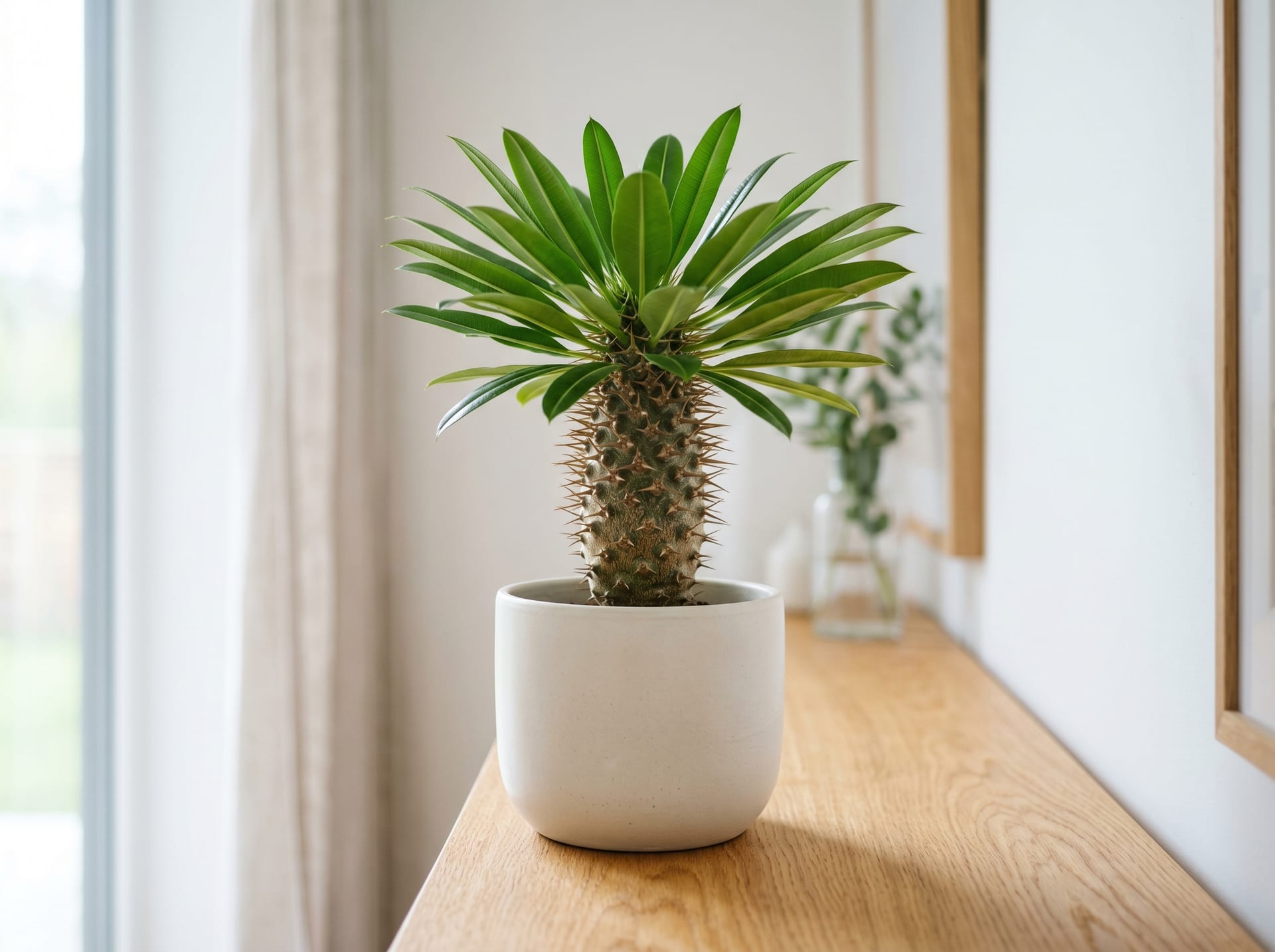
Pachypodium is a distinctive caudiciform plant native to Madagascar, prized for its swollen trunk, sharp spines, and beautiful flowers that bloom at the tips of its branches. Its slow-growing, sculptural form thrives in dry conditions and has earned it the nickname "living sculpture," making it a popular choice for interior greenery. With many species offering varied shapes and flower colors, it's a rewarding plant for collectors at any level.

限时活动

前3笔销售免佣金!在2026年8月31日前注册生产者账户 → 前3笔成交的手续费免费!

栽培者 招募中!

在BoTachoku上销售,直接面向全国客户销售吗?

免费注册无月费仅在成交时收取佣金
立即免费注册

ボタちょく的 6 项透明性承诺

栽培者在块根植物上架时会明示以下信息。确保品种、产地、光照需求、栽培难度的透明性。

  • 品种明示
  • 实物照片
  • 色泽
  • 产地明示
  • 光照需求
  • 难度明示
0 items

块根植物分类正在招募认证栽培者

栽培者正在陆续注册,即将上架。设置上架通知,不错过新商品。

「接收上架通知」需免费注册会员即可设置。当有符合您保存条件的新商品上架时,我们会通过邮件和站内通知提醒您。

查看其他分类

已注册的栽培者(抢先看)

想上架块根植物吗?

注册成为栽培者,即可与买家直接联系。

申请成为栽培者

关于棒槌树

Pachypodium belongs to the family Apocynaceae and encompasses a group of caudiciform plants native primarily to Madagascar and southern Africa. The genus name derives from Greek meaning "thick foot," a direct reference to the swollen, water-storing trunks that define these plants. In the wild, they endure harsh arid conditions by accumulating moisture in their dense stems, which are also armored with sharp spines. The most striking aspect of Pachypodium is the individuality of each plant's silhouette. Forms range from nearly spherical to cylindrical to branching tree-like specimens, and even plants of the same species develop distinct personalities depending on their environment and age. From spring through summer, clusters of white, yellow, or pink flowers emerge from the growing tips, creating a vivid contrast against the spiny trunk that draws admirers worldwide. Growth is remarkably slow, which is part of the appeal — a well-grown specimen carries years of quiet history. With adequate sunlight and proper drainage, Pachypodium is manageable even for beginners and deeply rewarding for collectors.

棒槌树精选生产者

查看所有棒槌树生产者(1个)→

开始养护棒槌树前需要了解的7件事

  1. 1Loves Intense Sunlight

    Pachypodium thrives in full, direct sunlight throughout the year. When grown indoors, place it near a south-facing window to maximize light exposure. Insufficient light causes etiolation, causing the plant to become leggy and lose its characteristic swollen trunk.

  2. 2Water Only When Bone Dry

    During the growing season (spring through autumn), water thoroughly only after the soil has completely dried out. Overwatering is the leading cause of root rot, so allow the pot to drain fully and dry between waterings. In winter dormancy, withhold water almost entirely or give only a minimal amount.

  3. 3Cold Sensitivity in Winter

    Pachypodium is sensitive to cold; most species stop growing and drop their leaves when temperatures fall below 10°C. Keep plants in a warm indoor location during winter and avoid exposing them to temperatures below 5°C. Frost or direct cold drafts can be fatal.

  4. 4Prioritize Fast-Draining Soil

    Well-draining, aerated soil is essential to prevent root rot. A common mix is succulent or cactus soil combined with 30–40% pumice or perlite. Avoid standard potting mix on its own, as it retains too much moisture for Pachypodium roots.

  5. 5Toxic Sap and Sharp Spines

    Pachypodium's sap is toxic and can be harmful if it contacts eyes or open wounds. Always wear rubber gloves when repotting or pruning, and wash your hands thoroughly afterward. The plant's sharp spines also pose a risk, so keep it out of reach of small children and pets.

  6. 6Slow Growth, Rare Repotting

    Pachypodium grows very slowly — some species gain only a few centimeters per year. Repotting every two to four years is generally sufficient unless the plant becomes severely root-bound. Early summer, during active growth, is the best time to repot to minimize root stress.

  7. 7Wide Range in Price and Rarity

    Prices vary widely depending on the species. Common varieties like Pachypodium lamerei or P. rosulatum gracilis are available for a few thousand yen, while rare species and large specimens can cost tens of thousands to hundreds of thousands of yen. When purchasing, always verify that the seller can provide CITES documentation confirming legal import.

棒槌树的常见问题

Q.My Pachypodium suddenly dropped its leaves. Is it dying?
A.Leaf drop is most often a natural sign of dormancy triggered by cooler autumn and winter temperatures. As long as the trunk remains firm and turgid, the plant is not dead and should push new growth in spring. However, if the trunk appears shriveled or wrinkled, root rot may be the cause — inspect the roots promptly.
Q.How often should I water my Pachypodium?
A.During the growing season (spring through autumn), water after the soil has been completely dry for two to three days. In winter dormancy, once a month or near-complete withholding may be appropriate depending on the species. Drying rates vary with pot size and location, so always check soil moisture before watering rather than following a fixed schedule.
Q.Can Pachypodium be grown indoors year-round?
A.Year-round indoor cultivation is possible, but insufficient light often leads to etiolation and reduces the likelihood of flowering. Position the plant in the brightest available spot — ideally a south-facing window — and consider supplemental grow lighting if natural light is limited. Moving the plant outdoors during spring through autumn will significantly improve overall vigor.
Q.What is the difference between P. gracilius and P. lamerei?
A.P. rosulatum var. gracilius is prized for its nearly spherical, compact trunk and is especially popular among collectors for its sculptural form. P. lamerei is a large, columnar species that can reach 2–3 meters, giving it a more tree-like presence. Both produce white or yellow flowers, but their mature size and silhouette differ considerably.
Q.Should I grow from seed or buy an established plant?
A.Growing from seed is cost-effective but requires several years before the caudex develops to an appreciable size. Purchased plants allow you to enjoy the form immediately, though imported specimens may have limited roots after quarantine treatment and may require rooting care. For beginners, sourcing a domestically grown, already-rooted plant minimizes risk and simplifies early care.

棒槌树种植的实用工具

同分类的更多品种