跳转到主要内容
乳香树

乳香树

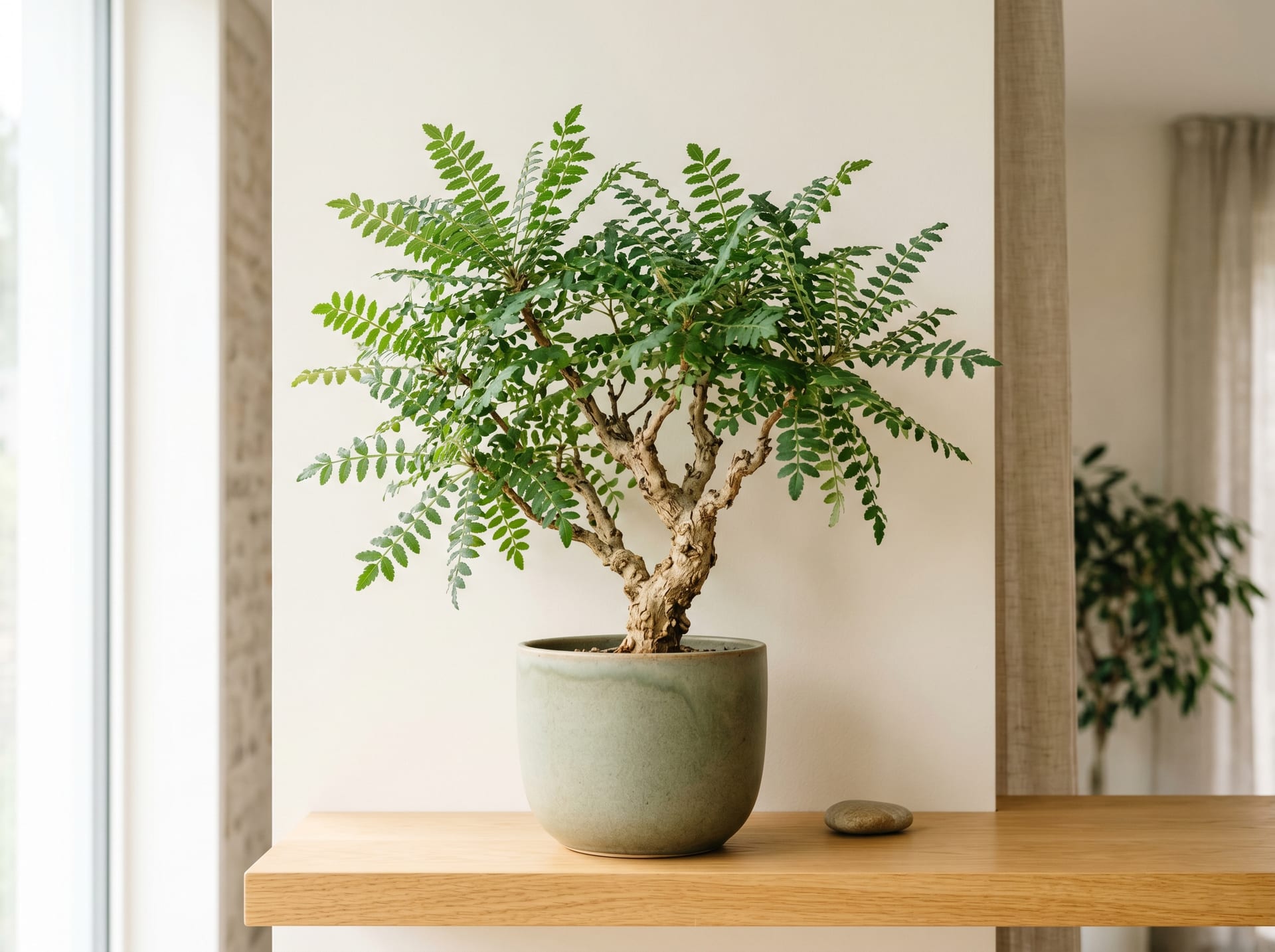
Boswellia, closely related to the tree that produces frankincense resin, is a rare caudiciform plant prized for its swollen, gnarled trunk and branches that develop a striking sculptural silhouette over time. Native to arid regions of Africa and the Middle East, it grows extremely slowly, with each plant developing a uniquely characterful form that collectors find captivating. While highly drought-tolerant and relatively easy to maintain, it is sensitive to cold and generally requires indoor care in Japan.

限时活动

前3笔销售免佣金!在2026年8月31日前注册生产者账户 → 前3笔成交的手续费免费!

栽培者 招募中!

在BoTachoku上销售,直接面向全国客户销售吗?

免费注册无月费仅在成交时收取佣金
立即免费注册

ボタちょく的 6 项透明性承诺

栽培者在块根植物上架时会明示以下信息。确保品种、产地、光照需求、栽培难度的透明性。

  • 品种明示
  • 实物照片
  • 色泽
  • 产地明示
  • 光照需求
  • 难度明示
0 items

块根植物分类正在招募认证栽培者

栽培者正在陆续注册,即将上架。设置上架通知,不错过新商品。

「接收上架通知」需免费注册会员即可设置。当有符合您保存条件的新商品上架时,我们会通过邮件和站内通知提醒您。

查看其他分类

已注册的栽培者(抢先看)

想上架块根植物吗?

注册成为栽培者,即可与买家直接联系。

申请成为栽培者

关于乳香树

Boswellia belongs to the family Burseraceae and is famous as the source of frankincense, a resin prized since antiquity for religious ceremonies and perfumery. Native to the arid rocky terrain of East and North Africa, the Middle East, and India, these trees have developed swollen, knobby trunks and bases as an adaptation to harsh, drought-prone environments — a trait that makes them highly sought after among caudex plant enthusiasts. Growth is remarkably slow; the sculptural forms carved by wind, drought, and time over decades give each specimen a deeply individual character, like a living sculpture. Leaves are small and compound, flushing green during the growing season and dropping entirely in dry seasons or winter, at which point the full drama of the swollen trunk takes center stage. In cultivation, Boswellia's tolerance for drought and its straightforward watering needs are genuine advantages, but understanding its sensitivity to cold and embracing its slow pace are essential for long-term success. A rare plant that combines striking visual presence with a history stretching back thousands of years.

开始养护乳香树前需要了解的7件事

  1. 1Strong Light Is Essential

    Boswellia has adapted to intense sunlight in its native habitat, so providing as much direct sun as possible is key to healthy growth. When kept indoors, place it near a south-facing window or supplement with a grow light. Insufficient light causes elongated, weak growth that detracts from its naturally compact sculptural form.

  2. 2Water Only After Soil Dries

    Even during the growing season (spring to autumn), water only a few days after the soil has completely dried out. Because Boswellia stores moisture in its caudex, it tolerates drought far better than most plants, and overwatering poses a much greater risk. Choose a well-draining soil mix and a pot with good drainage holes to prevent root rot.

  3. 3Go Dry in Winter

    As temperatures drop below 15°C from late autumn through early spring, it is standard practice to withhold water almost entirely and allow the plant to go dormant. Continued watering during this period significantly increases the risk of root rot. Leaf drop during dormancy is common and normal — the plant has not died.

  4. 4Keep It Warm Year-Round

    As a tropical and subtropical native, Boswellia is highly susceptible to cold damage below 10°C. In Japan, always bring it indoors during winter and keep it away from cold window drafts and frost. Aim to maintain a minimum temperature of 12–15°C to keep the plant safe.

  5. 5Use a Gritty, Fast-Draining Mix

    Start with a commercial succulent or cactus mix, then amend it with pumice, perlite, or coarse sand to further improve drainage. High organic content retains too much moisture and encourages root rot. Unglazed terracotta pots or shallow containers improve airflow around the roots and make management easier.

  6. 6Expect Very Slow Growth

    Boswellia is an exceptionally slow-growing plant that takes decades to develop into a large specimen even in its natural habitat. Expect minimal visible growth from year to year, and approach cultivation with a long-term mindset. This slow growth is part of why mature specimens with well-developed forms are rare and highly valued in the market.

  7. 7Handle Resin with Care

    Boswellia species produce frankincense resin and may exude a white sap when branches are broken or damaged. Skin sensitivity to this sap varies between individuals, so wearing gloves during repotting or pruning is advisable. Keep the plant out of reach of small children and pets to prevent accidental ingestion.

乳香树的常见问题

Q.How fast does Boswellia grow?
A.Boswellia is an exceptionally slow grower, and it is not unusual for visible change to be only a few centimeters per year. Providing adequate sunlight, careful watering, and warm temperatures will encourage steady, healthy growth, but it is best approached as a long-term project rather than expecting rapid results.
Q.Can Boswellia be kept outdoors in winter?
A.Outdoor winter care is not recommended in most parts of Japan. Boswellia can suffer damage below 5°C, and frost exposure can be fatal. Once nighttime temperatures drop below 10°C, it should be moved indoors to a warm, bright location.
Q.All the leaves have dropped — is my plant dead?
A.Many Boswellia species naturally drop their leaves in response to dry conditions or cooler temperatures — this is a sign of dormancy, not death. As long as the trunk remains firm and there is no discoloration or smell of rot, your plant is fine. Reduce watering and wait for warmer spring temperatures; new growth should emerge.
Q.What type of soil should I use?
A.A highly well-draining mix is essential. A base of commercially available succulent or caudex soil blended with around 20–30% pumice or perlite works well. Standard potting soil with high organic content retains too much moisture and significantly increases the risk of root rot, so it is not suitable for Boswellia.
Q.What should I look for when buying a Boswellia?
A.Check that the trunk is firm and turgid, with no soft spots, discoloration, or signs of damage. For imported specimens, verify that the plant was obtained through legal channels with appropriate CITES documentation. Purchasing from reputable specialist stores or established plant events is strongly recommended.

乳香树种植的实用工具

同分类的更多品种