跳转到主要内容
地不容

地不容

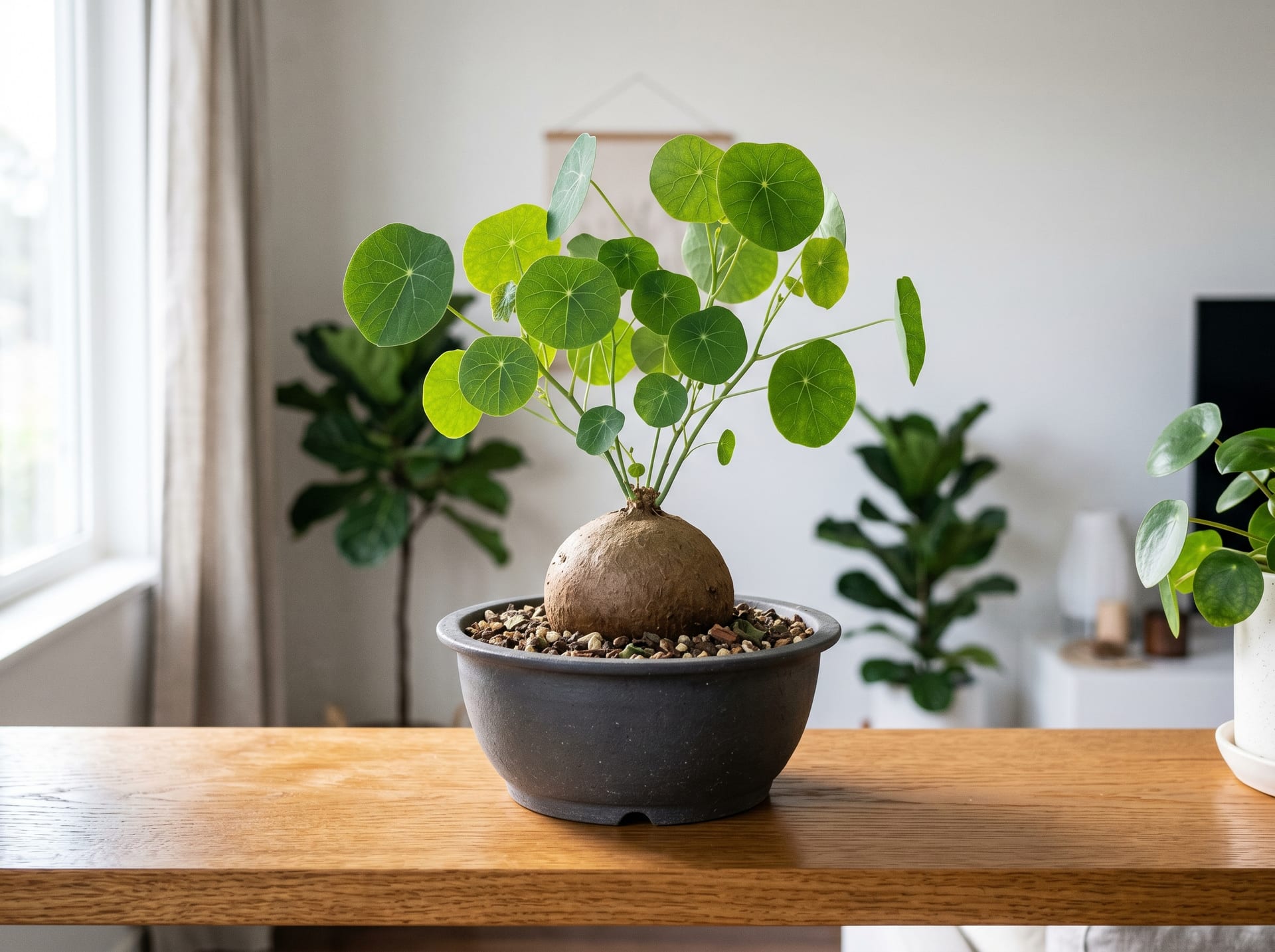
Stephania is a caudex-forming plant prized for its distinctive flattened tuber, from which slender twining stems emerge each growing season. Native to tropical and subtropical regions of Asia and Africa, it naturally drops its vines during dormancy and overwinters as a bare tuber. Its sculptural appearance makes it a standout both as a botanical collector's piece and an interior accent plant.

限时活动

前3笔销售免佣金!在2026年8月31日前注册生产者账户 → 前3笔成交的手续费免费!

栽培者 招募中!

在BoTachoku上销售,直接面向全国客户销售吗?

免费注册无月费仅在成交时收取佣金
立即免费注册

ボタちょく的 6 项透明性承诺

栽培者在块根植物上架时会明示以下信息。确保品种、产地、光照需求、栽培难度的透明性。

  • 品种明示
  • 实物照片
  • 色泽
  • 产地明示
  • 光照需求
  • 难度明示
0 items

没有符合条件的商品

请调整筛选条件,或在有新商品时接收通知。

「接收上架通知」需免费注册会员即可设置。当有符合您保存条件的新商品上架时,我们会通过邮件和站内通知提醒您。

查看其他分类

已注册的栽培者(抢先看)

想上架块根植物吗?

注册成为栽培者,即可与买家直接联系。

申请成为栽培者

关于地不容

Stephania is a perennial caudiciform plant belonging to the family Menispermaceae, with approximately 60 species distributed across tropical to subtropical regions including India, China, Southeast Asia, and Africa. The genus was named after 19th-century Portuguese botanist Stefano Morier. Its most defining feature is a large, flattened, disc-shaped caudex that sits prominently above the soil, growing slowly over the years into a uniquely sculptural form that makes each specimen one of a kind. From this caudex emerge slender, twining stems bearing distinctively rounded leaves. Care is relatively straightforward: well-draining soil, ample light, and a dry rest period during dormancy are the key requirements, making it an accessible entry point into caudex plant collecting. Even after the leaves drop in winter, the striking caudex retains its presence as a year-round decorative object.

开始养护地不容前需要了解的5件事

  1. 1Don't Bury the Caudex

    Stephania's caudex prefers good air circulation, so it is commonly planted with half or more of the tuber above the soil surface. Burying it too deep traps moisture and can lead to rot. Use the nursery's original planting depth as a guide and adjust gradually to your preference.

  2. 2Watch for Spring Sprouting

    Once temperatures consistently exceed 15–20°C in spring, new shoots will emerge from the caudex. Resume watering gradually at this point and move the plant to a brighter location. Delaying the transition can slow growth, so check your caudex regularly as spring approaches.

  3. 3Use Fast-Draining Soil

    A fast-draining mix formulated for succulents or caudex plants is recommended. Blending akadama, kanuma, and perlite in suitable ratios helps prevent waterlogging. Standard potting soil retains too much moisture and can cause root rot over time.

  4. 4Bring Indoors for Winter

    Stephania is sensitive to temperatures below around 5°C and is particularly vulnerable to frost, so indoor overwintering is necessary in most parts of Japan. During dormancy, a dark indoor space is sufficient. Keeping it in a pot makes seasonal moves much easier.

  5. 5Fertilize Sparingly

    During the growing season (spring through summer), a small amount of slow-release fertilizer can support caudex development, but over-fertilizing may cause excessive vine growth or root stress. No fertilizer is needed during dormancy. A formula designed for succulents or foliage plants is a practical choice.

地不容的常见问题

Q.The caudex is shriveling — is my plant dying?
A.Some shriveling during dormancy is a natural result of moisture loss and is usually not cause for concern. If the caudex is not completely dried out or hardened, it will often plump back up when the growing season begins. However, if shriveling continues during the growing season, check for root rot or root damage.
Q.Why isn't my Stephania sprouting after dormancy?
A.If sprouting hasn't occurred by spring, the temperature may still be too low. Sprouting is promoted when minimum temperatures reach around 20°C (68°F), so try moving the plant to a warmer spot. Repotting stress or root condition can also affect the timing of new growth.
Q.How can I grow a larger caudex?
A.Caudex growth is inherently slow, progressing over years or even decades. Providing consistent watering and light fertilization during the growing season, along with ample light, lays the foundation for steady development. Repotting every two to three years helps prevent root-bound stress and supports continued growth.
Q.Can Stephania be grown from seed?
A.Yes, but germination requires warm, humid conditions (25–30°C / 77–86°F) and fresh seeds, with variable success rates. Seeds can be difficult to source domestically, so purchasing from specialist nurseries or reputable sellers is advisable. Cuttings are generally not viable; propagation is mainly done by seed or division.
Q.Is Stephania toxic to pets or children?
A.Many Stephania species contain alkaloids that may cause illness if ingested. It is advisable to keep the plant out of reach of young children and pets. If accidental ingestion occurs, seek advice from a medical professional or veterinarian promptly.

地不容种植的实用工具

同分类的更多品种