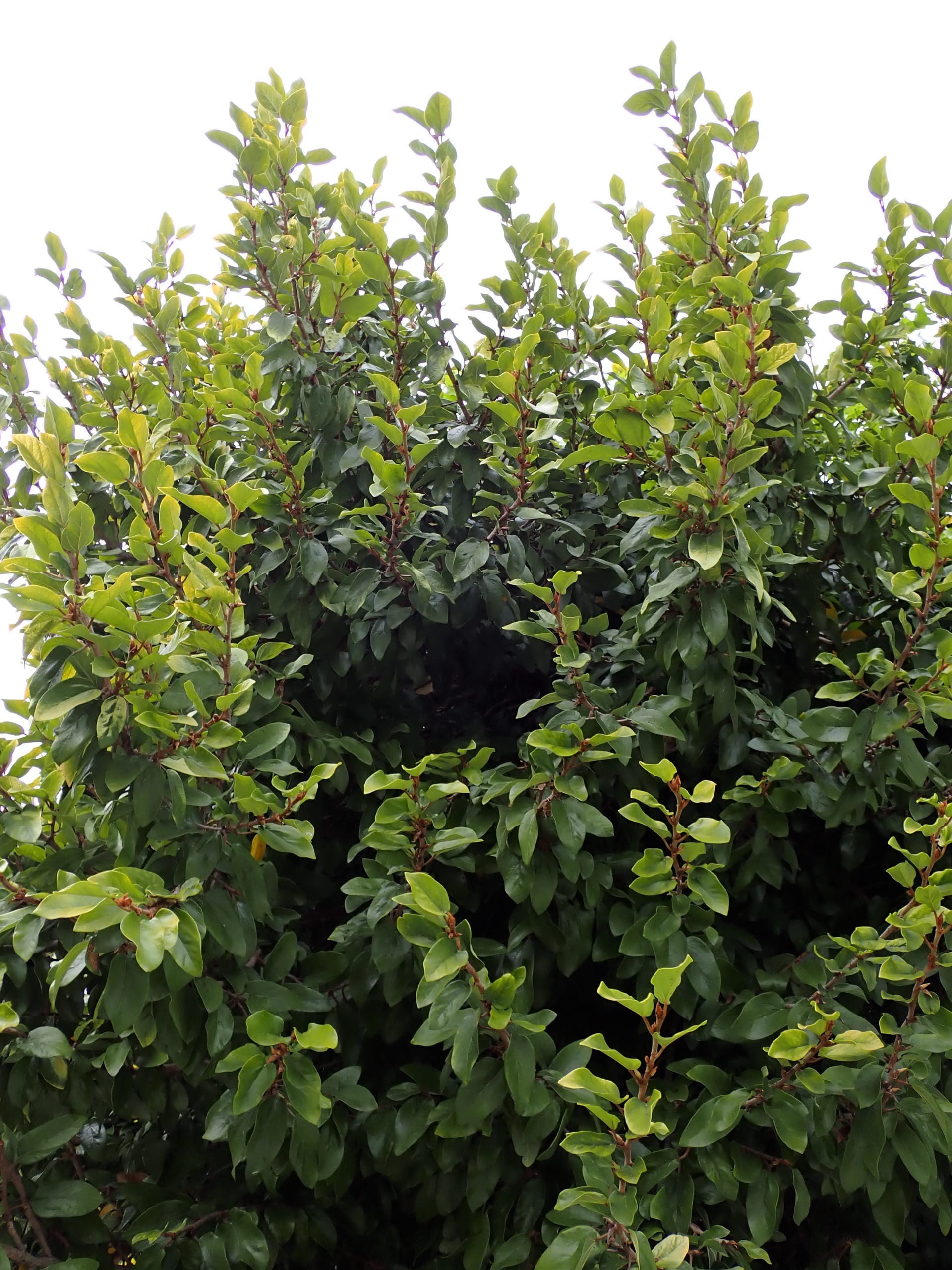
 © Krzysztof Ziarnek, Kenraiz / CC BY-SA 4.0
爱叶榕(Ficus pumila)
Ficus pumila, commonly known as creeping fig, is an evergreen climbing plant with small, heart-shaped leaves about 2 cm long. Known in Japan as oitabi, it is hardy enough to grow wild in the country's warmer regions. Aerial roots sprout along its stems, letting it cling to walls and rocks as it climbs — a trait you can enjoy indoors by training it up a moss pole or trellis, or letting it trail from a hanging basket. On mature, flowering branches the leaves become larger and thicker at 5 to 10 cm, but potted plants indoors almost never produce this adult foliage, so you can enjoy the small-leaved form. With numerous variegated varieties available and forgiving care needs, it's an evergreen houseplant that beginners can enjoy for years.
View 爱叶榕(Ficus pumila) encyclopedia →成交手续费0%!2026年9月30日前注册,前 2 株免佣金!
生产者 招募中!
在GrowerDirect上销售,直接面向全国客户销售吗?
GrowerDirect的 6 项透明性承诺
观叶植物出品中,生产者说明以下信息。确保品种、产地、光照需求、栽培难度的透明性。
- 品种说明
- 实物照片
- 色泽
- 产地说明
- 光照需求
- 难度说明
查看全部139个品种
观叶植物分类正在招募认证生产者
生产者正在陆续注册,即将上架。设置上架通知,不错过新商品。
「接收上架通知」需免费注册会员即可设置。当有符合您保存条件的新商品上架时,我们会通过邮件和站内通知提醒您。
已注册的生产者(抢先看)
爱叶榕(Ficus pumila)的基本数据
- 养护难度
- 适合新手
- 寿命
- 常绿爬行木本植物(可长期栽培)
- 体型
- 蔓长可达4米以上。幼叶长约2厘米,成叶长5~10厘米
- 浇水
- 春季至秋季约每2个月施液肥一次
- 日照和放置位置
- 喜好明亮的半阴至半日阴环境,强光或午后直射日光会伤害叶片。
- 浇水
- 春季至秋季充分浇水,冬季适度控制浇水,避免过干。
- 温度和越冬
- 可耐受约1℃低温,但害怕霜冻。在本州中部以南的温暖地可露地栽培,寒冷地需室内管理。
- 用土和换盆
- 使用排水性和保水性均衡的观叶植物培养土。
- 繁殖方法
- 可通过茎插扦插或从茎节处压条生根,易于繁殖。
- 病虫害和注意事项
- 注意介壳虫、蚜虫、粉介壳虫和红蜘蛛。在室外墙面栽培时,气根可能损伤脆弱的砂浆缝隙。榕属植物受伤时会分泌白色乳液(含香豆素类和呋喃香豆素等),接触皮肤尤其在日光下可能引起过敏。犬猫食用会刺激肠胃,修剪时应戴手套并将植物放在宠物无法接触的地方。
关于爱叶榕(Ficus pumila)
Ficus pumila (creeping fig) is a hardy, beginner-friendly climbing houseplant with small heart-shaped leaves and aerial roots, ideal for trellises or hanging baskets.
开始养护爱叶榕(Ficus pumila)前需要了解的7件事
1Light and Placement
Ficus pumila thrives in bright, indirect light to partial shade, and strong direct sun can scorch its leaves. Variegated varieties benefit from slightly brighter light to keep their leaf coloring vivid.
2Watering Basics
Water thoroughly once the topsoil has dried out. The plant tolerates humidity reasonably well, but prolonged dryness can cause smaller leaves or leaf drop, so avoid letting it dry out completely.
3Choosing Soil
A standard, well-draining houseplant potting mix works well. Since the plant readily produces aerial roots, avoiding an overly water-retentive mix helps prevent root rot.
4Choosing a Growing Style
A classic way to grow it is training the vine up a moss pole or trellis, letting its aerial roots cling as it climbs. It's also popular trailing from a hanging basket or used as groundcover in mixed planters.
5When to Repot
Because the vine grows vigorously, repotting roughly every one to two years helps prevent the roots from becoming pot-bound. Spring, as new growth begins, is the best time to repot.
6Pruning to Shape
Because the vine grows fast, trimming back overgrown stems during the growing season keeps the plant compact and tidy. Cuttings from pruning can also be propagated to grow new plants.
7Winter Care
Although it's a hardy evergreen, keep it away from cold drafts near windows or direct airflow from air conditioners during colder months. Growth slows in winter, so reduce watering frequency accordingly.
爱叶榕(Ficus pumila)的常见问题
- Q.How large does it grow?
- A.It's a vigorous climber whose vines keep growing readily. Depending on training and pruning, it can be kept compact or allowed to grow into a much larger display.
- Q.Can it be grown indoors?
- A.Yes, it grows well in pots indoors. Placed in a bright spot, it can be trained up a support or trellis, or grown trailing in a hanging basket, giving you several styling options indoors.
- Q.Will the aerial roots damage walls?
- A.The aerial roots are what let the plant cling to and climb surfaces like walls or rocks. Depending on the material, they can leave marks behind, so when growing it indoors it's best to guide it onto a designated support, moss pole, or pot rather than a wall.
- Q.Why do the young and mature leaves look different?
- A.The plants sold as houseplants are in their juvenile stage, with small leaves about 2 cm long. On mature, flowering branches the leaves become larger and thicker at 5 to 10 cm, but potted plants grown indoors almost never produce this adult foliage.
- Q.When and how should I prune it?
- A.The best time to prune is during the active growing season from spring to summer. Cutting back overly long vines or stems that disrupt the shape with clean scissors helps keep the plant compact.
爱叶榕(Ficus pumila)种植的实用工具
在图鉴中详细了解爱叶榕(Ficus pumila)
查看爱叶榕(Ficus pumila)的图鉴条目 →
收录栽培难度、尺寸、原产地、日照等基础数据。