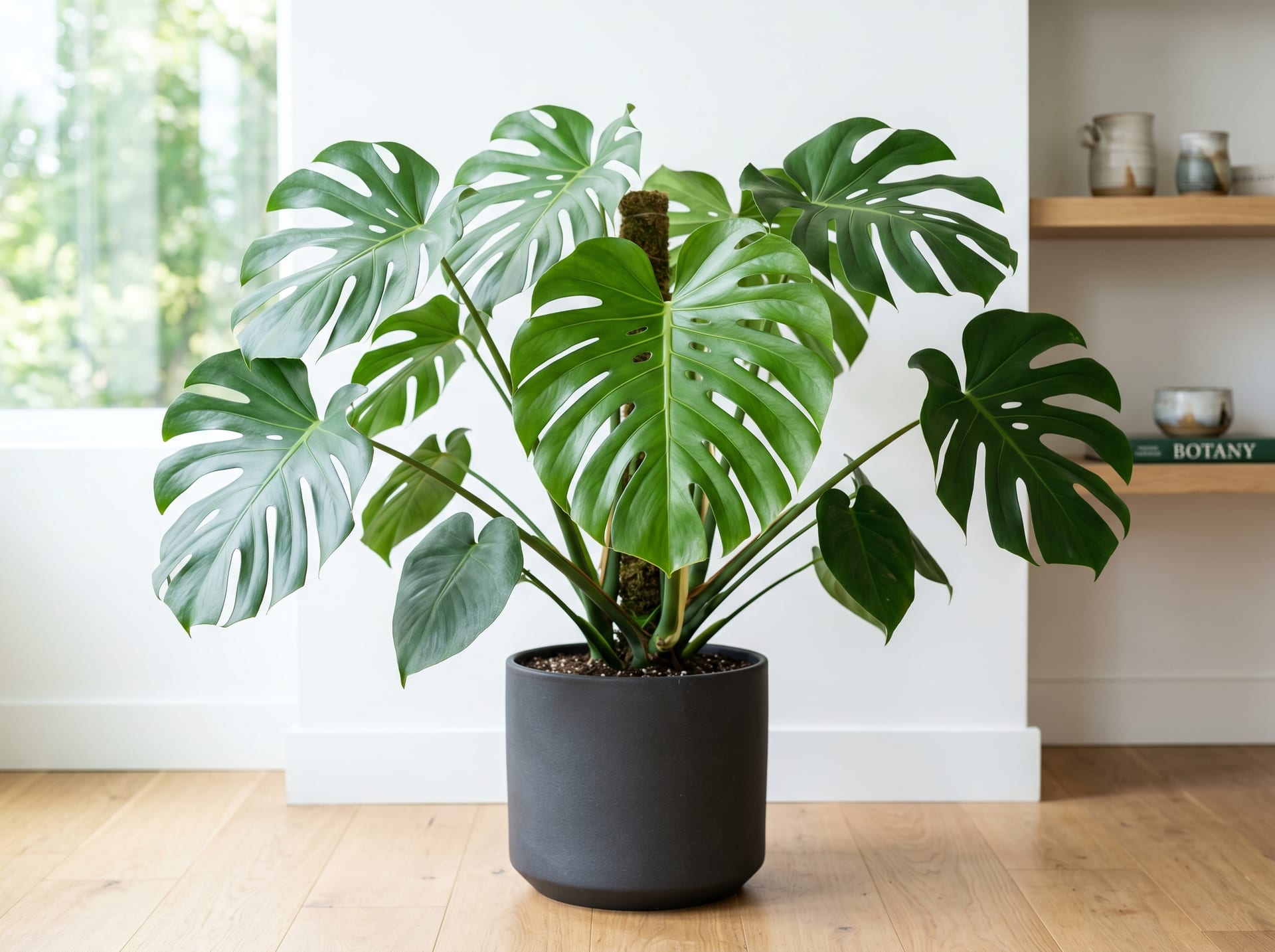
龟背竹
Monstera is a tropical plant known for its large, distinctively split leaves that bring a bold and sophisticated presence to any interior space. Its tolerance for lower light conditions makes it an excellent choice for beginners. As the plant matures, the leaf fenestrations deepen, offering a rewarding long-term growing experience.
前3笔销售免佣金!在2026年8月31日前注册生产者账户 → 前3笔成交的手续费免费!
栽培者 招募中!
在BoTachoku上销售,直接面向全国客户销售吗?
ボタちょく的 6 项透明性承诺
观叶植物出品中,栽培者说明以下信息。确保品种、产地、光照需求、栽培难度的透明性。
- 品种说明
- 实物照片
- 色泽
- 产地说明
- 光照需求
- 难度说明
Browse all 16 varieties
观叶植物分类正在招募认证栽培者
栽培者正在陆续注册,即将上架。设置上架通知,不错过新商品。
「接收上架通知」需免费注册会员即可设置。当有符合您保存条件的新商品上架时,我们会通过邮件和站内通知提醒您。
已注册的栽培者(抢先看)
关于龟背竹
Monstera deliciosa belongs to the Araceae family and is native to the tropical rainforests of Central and South America. Its genus name derives from the Latin word for "abnormal" or "monstrous," a nod to the striking holes and splits that appear in mature leaves—a phenomenon called fenestration. In the wild, monstera climbs tree trunks and can reach several meters in height; mature plants also produce edible fruit, earning the common name "Swiss cheese plant" and "fruit salad plant." The leaf fenestrations are thought to be an adaptation that reduces wind damage and allows light to filter through to lower leaves. In cultivation, plants typically reach 1–2 meters indoors, gracing living spaces with their large, glossy, deep-green foliage. Tolerant of lower light and forgiving of occasional missed watering, monstera rewards growers of all experience levels with steady, satisfying growth and ever-changing leaf architecture.
龟背竹精选生产者
查看所有龟背竹生产者(1个)→开始养护龟背竹前需要了解的7件事
1Bright Indirect Light is Best
Monstera dislikes direct sunlight, which can scorch its leaves. A spot near a window with filtered light or 1–2 meters from a bright window is ideal. While it tolerates lower light, too little light results in leaves without the characteristic splits.
2Water When the Soil Dries Out
Root rot from overwatering is the most common issue with Monstera. Water only when the top 2–3 cm of soil has dried out. Since drying time varies by season, make it a habit to check soil moisture rather than watering on a fixed schedule.
3Managing Aerial Roots and Support
As Monstera grows, it produces aerial roots that naturally cling to trees in the wild. Indoors, providing a moss pole or support stake encourages stability and promotes larger leaf growth. Aerial roots can be trimmed without harm, but leaving them adds to the plant's tropical aesthetic.
4Toxic to Pets and Children
Monstera contains calcium oxalate crystals in its leaves, stems, and sap, which can cause oral irritation and vomiting if ingested by pets or young children. In households with cats, dogs, or small children, place the plant out of reach or consider a pet-safe alternative.
5Fertilize During the Growing Season
During the spring and summer growing season, apply a balanced liquid fertilizer once or twice a month to encourage active leaf development. Reduce or stop fertilizing in autumn and winter when growth slows. Always follow the recommended dosage, as excess fertilizer can damage the roots.
6Choose the Right Pot and Soil
A pot with drainage holes and well-draining soil are essential for Monstera. Mixing perlite or vermiculite into standard potting soil improves aeration. When roots begin to crowd the pot, consider repotting into a slightly larger container — typically every one to two years.
7Wipe Leaves for Health and Shine
Dust accumulates easily on Monstera's large leaves, reducing photosynthesis efficiency. Gently wiping the leaf surfaces with a damp soft cloth once a month keeps the plant clean and healthy. Check the undersides of leaves as well to catch early signs of pests such as spider mites.
龟背竹的常见问题
- Q.Why aren't my monstera's leaves splitting?
- A.Insufficient light is the most common cause. Moving the plant to a brighter spot with indirect light often prompts new leaves to emerge with splits. In very young plants, fenestration simply hasn't begun yet and will develop naturally with age.
- Q.What causes yellowing leaves?
- A.Overwatering and the resulting root rot are the most frequent culprits. Check the soil moisture and adjust your watering schedule. Yellowing can also result from direct sun scorch or nutrient deficiency during the growing season.
- Q.How should I care for monstera in winter?
- A.Keep the plant indoors where temperatures stay above 10°C, and avoid positioning it near cold drafts from windows. Reduce watering to less than half the summer frequency, waiting until the soil is thoroughly dry before each watering. Misting the leaves occasionally helps counteract dry indoor heating.
- Q.How do I propagate monstera?
- A.The easiest method is stem cutting: take a cutting that includes at least one node and aerial root, then root it in water or moist soil. Keep the cutting in bright, indirect light and roots should develop within one to two months.