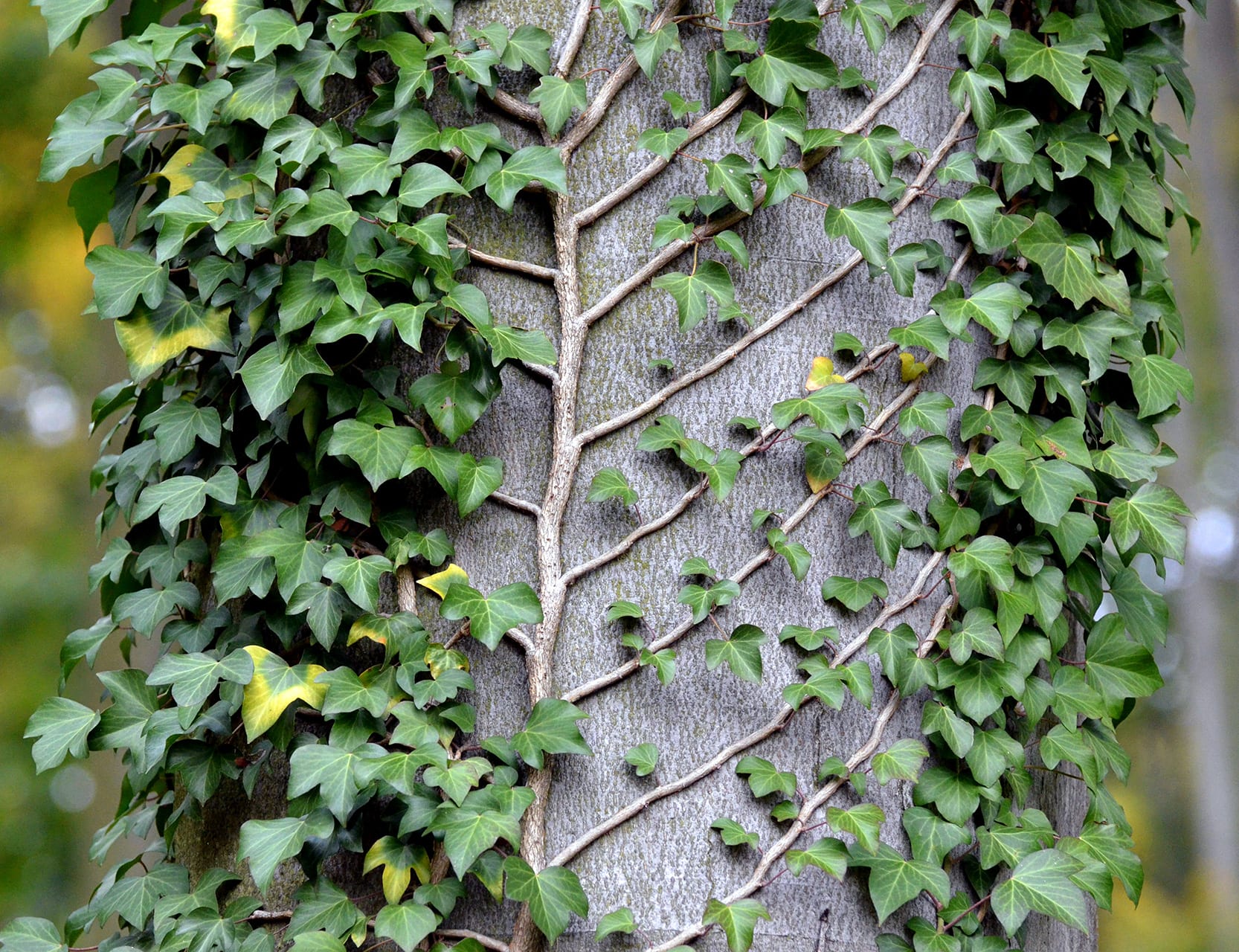
 © Hladac / CC BY-SA 4.0
常春藤
English Ivy (Hedera helix) is an evergreen climbing vine that clings to walls and trees using clusters of aerial roots. Its huge range of leaf shapes and variegation patterns, from classic lobed green leaves to white- or gold-edged cultivars, gives it real personality. Tough and forgiving, it's a great pick for beginners and a staple for hanging baskets and mixed container displays. Outdoors it can climb to impressive heights, but potted plants are easily kept in check by trimming back the vines. Because it's toxic to dogs and cats, think carefully about placement if pets share your home.
View 常春藤 encyclopedia →成交手续费0%!2026年9月30日前注册,前 2 株免佣金!
生产者 招募中!
在GrowerDirect上销售,直接面向全国客户销售吗?
GrowerDirect的 6 项透明性承诺
观叶植物出品中,生产者说明以下信息。确保品种、产地、光照需求、栽培难度的透明性。
- 品种说明
- 实物照片
- 色泽
- 产地说明
- 光照需求
- 难度说明
查看全部139个品种
观叶植物分类正在招募认证生产者
生产者正在陆续注册,即将上架。设置上架通知,不错过新商品。
「接收上架通知」需免费注册会员即可设置。当有符合您保存条件的新商品上架时,我们会通过邮件和站内通知提醒您。
已注册的生产者(抢先看)
常春藤的基本数据
- 养护难度
- 适合新手
- 寿命
- 多年生(常绿蔓生植物)
- 体型
- 室外可攀爬至6~24m或更高的高度。盆栽中可通过修剪蔓茎进行控制。
- 浇水
- 生长期适量使用观叶植物专用肥料。
- 光照与放置位置
- 从全日照到深荫都能适应。室内放置在明亮处叶片生长较好。
- 浇水
- 盆土表面干燥后浇水。过湿易导致根腐和茎腐。
- 温度·越冬
- 耐寒性强,室外也能越冬。室内冬季管理也不困难。
- 用土·换盆
- 使用排水良好的用土。室外地植可能蔓延至墙壁、排水沟和周围树木而难以清除,因此盆栽或容器栽培较为安全。
- 繁殖方法
- 可通过蔓茎扦插轻松繁殖。但带品种名的植株中也有植物品种保护法登记品种,繁殖后销售或转让前需确认是否为登记品种。
- 病害虫·注意事项
- 注意蚜虫、粉虱、红蜘蛛、介壳虫以及叶斑病和白粉病。叶片含有皂苷,犬和猫食用会导致呕吐、腹痛、流涎和腹泻。树液可能引起皮肤接触性皮炎,修剪时应戴手套。
关于常春藤
English Ivy (Hedera helix) is a hardy evergreen vine that climbs with aerial roots, prized for its wide variety of leaf shapes and variegation. Easy for beginners and popular in hanging baskets.
开始养护常春藤前需要了解的7件事
1Bright, Indirect Light
Direct, intense sun can scorch the leaves, so a bright spot with indirect light, such as near a sheer-curtained window, works best. Variegated cultivars need slightly brighter light than solid green types, or their patterning tends to fade.
2Water When Topsoil Dries
Water thoroughly once the top of the soil feels dry, letting excess drain freely from the pot. Always empty the saucer afterward, since sitting in water can lead to root rot.
3Well-Draining Soil
English Ivy prefers well-draining soil, so mixing perlite or pumice into a standard houseplant potting mix helps prevent soggy roots. It dislikes both waterlogging and extreme dryness, so aim for a mix that balances drainage with moisture retention.
4Repot Every 1-2 Years
Because it grows vigorously and fills its pot quickly, repot into a slightly larger container roughly every one to two years. Early spring through early summer, when temperatures are stable, is the best time to repot.
5Winter Care Indoors
It's fairly cold-tolerant, but keep it away from cold drafts and dry heating vents in winter. Growth slows during the colder months, so cut back on watering and check that the soil has dried before watering again。
6Choosing a Healthy Plant
Leaf shape and variegation vary enormously between cultivars, so it helps to look at the actual foliage before choosing a plant you like. Pick one with healthy, undamaged leaves and vines that look vigorous all the way to the tips.
7Toxic to Dogs and Cats
English Ivy is considered toxic to dogs and cats, so place it on a high shelf or in a hanging basket out of pets' reach. Households with small children should also make sure the leaves aren't put in the mouth.
常春藤的常见问题
- Q.Is English Ivy easy for beginners?
- A.Yes, English Ivy is a tough, adaptable plant that's considered one of the easier houseplants to grow. Give it bright indirect light and well-draining soil, and it should thrive without much fuss.
- Q.How big does English Ivy get?
- A.Outdoors, it's a vigorous climber that uses its aerial roots to scale walls and trees to considerable heights. In a pot, regular pruning keeps it at whatever size suits your space.
- Q.Is it safe to keep around pets?
- A.English Ivy is considered toxic to dogs and cats. It's best displayed somewhere pets can't reach, such as a hanging basket or a high shelf, rather than at floor level.
- Q.Why are there so many different leaf types?
- A.English Ivy has been bred into an enormous number of cultivars, resulting in wide variation in leaf shape and variegation. You'll find rounded leaves, deeply lobed leaves, and forms with white or gold variegation, so there's plenty of choice.
- Q.What should I do if the vines get too long?
- A.Simply trim the vines back to whatever length keeps the plant looking balanced. Cuttings root easily in water, so you can propagate new plants from the trimmings if you'd like.
常春藤种植的实用工具
在图鉴中详细了解常春藤
查看常春藤的图鉴条目 →
收录栽培难度、尺寸、原产地、日照等基础数据。