跳转到主要内容
蕨类/蝙蝠兰

蕨类/蝙蝠兰

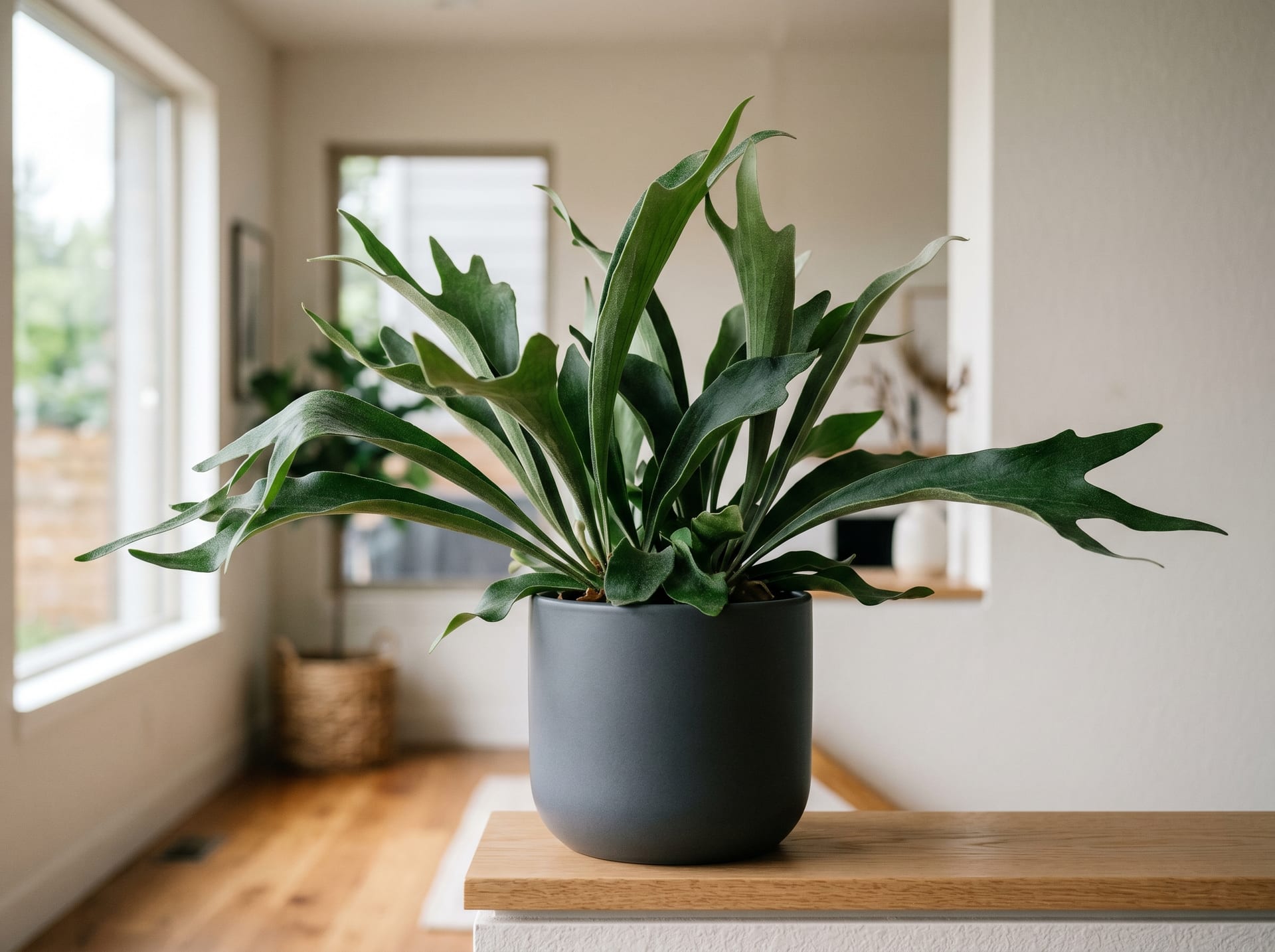
Staghorn fern (Platycerium) is an epiphytic fern prized for its striking antler-shaped fronds that resemble a bat in flight. It thrives mounted on driftwood or cork boards, making it a popular choice for living wall art. With bright indirect light and moderate watering, it is a manageable and rewarding plant for beginners.

限时活动

前3笔销售免佣金!在2026年8月31日前注册生产者账户 → 前3笔成交的手续费免费!

栽培者 招募中!

在BoTachoku上销售,直接面向全国客户销售吗?

免费注册无月费仅在成交时收取佣金
立即免费注册

ボタちょく的 6 项透明性承诺

观叶植物出品中,栽培者说明以下信息。确保品种、产地、光照需求、栽培难度的透明性。

  • 品种说明
  • 实物照片
  • 色泽
  • 产地说明
  • 光照需求
  • 难度说明
0 items

观叶植物分类正在招募认证栽培者

栽培者正在陆续注册,即将上架。设置上架通知,不错过新商品。

「接收上架通知」需免费注册会员即可设置。当有符合您保存条件的新商品上架时,我们会通过邮件和站内通知提醒您。

查看其他分类

已注册的栽培者(抢先看)

想上架观叶植物吗?

注册成为栽培者,即可与买家直接联系。

申请成为栽培者

关于蕨类/蝙蝠兰

The staghorn fern (Platycerium) is an epiphytic fern native to tropical regions of Africa, Asia, and Australia. Its genus name derives from the Greek for "flat horn," a nod to its dramatic antler-shaped fronds. In the wild, it clings to tree trunks and rocky surfaces, thriving without soil. Its most distinctive feature is its dual-frond system: rounded shield fronds that protect roots and retain moisture, and spreading antler fronds that carry spores and give the plant its iconic silhouette. This sculptural form has made it a favorite in interior design. Relatively hardy and resistant to common pests, it adapts well to mounted displays, hanging baskets, and living wall art. With popular species ranging from the beginner-friendly Platycerium bifurcatum to the showstopping P. grande and P. willinckii, there is a staghorn fern for every skill level and aesthetic — a quality that keeps collectors coming back for more.

蕨类/蝙蝠兰精选生产者

查看所有蕨类/蝙蝠兰生产者(1个)→

开始养护蕨类/蝙蝠兰前需要了解的7件事

  1. 1Two Types of Fronds

    Staghorn ferns produce two distinct frond types: shield fronds (basal fronds) that turn brown and protect the root ball, and antler fronds that grow outward and bear spores. The brown shield fronds should never be removed, as they store water and nutrients for the plant. Understanding this two-frond system is key to proper care.

  2. 2Light Requirements

    Direct sunlight can scorch the fronds, so bright indirect light is ideal indoors, such as near a window with filtered light. Outdoors, a sheltered spot with dappled shade works well. Insufficient light will result in poor frond growth, so finding the right balance is important.

  3. 3Watering Timing

    For mounted or hanging specimens, water thoroughly once the shield fronds and moss feel dry to the touch. Good air circulation is essential to prevent root rot from prolonged moisture. Aim for 2–3 times per week in summer and about once a week in winter, adjusting based on the plant's condition.

  4. 4Mounting on Boards

    As a naturally epiphytic plant, staghorn ferns grow best when mounted on boards, cork slabs, or driftwood — a method called "ita-tsuke" in Japanese. Attach the plant with moist sphagnum moss using jute twine or fishing line. Mounting improves airflow around the roots, reducing rot risk while showcasing the plant's dramatic form.

  5. 5Humidity and Airflow

    Staghorn ferns prefer humidity levels of around 50–70%. However, stagnant humid air can cause rot, so good airflow is equally important. Using a small fan or placing the plant under a sheltered outdoor eave during the rainy season helps maintain the right balance.

  6. 6Fertilizing Tips

    During the growing season (spring to autumn), apply diluted liquid fertilizer once or twice a month to encourage healthy growth. Slow-release solid fertilizer can also be tucked behind the shield fronds for a steady supply of nutrients. Avoid fertilizing in winter when the plant is dormant to prevent root stress.

  7. 7Winter Temperature Care

    Most staghorn ferns originate from tropical and subtropical regions, making them sensitive to cold. Growth slows below 10°C and the plant may be damaged at 5°C or below. During winter, bring the plant indoors to a warm location and keep it away from cold drafts near windows.

蕨类/蝙蝠兰的常见问题

Q.Should I remove the brown shield fronds?
A.Browning shield fronds are a natural part of the plant's life cycle and should not be removed. They continue to store water and nutrients while protecting the root mass, so leaving them in place is essential for the plant's health. Removing them forcibly can damage the plant.
Q.Is pot growing or board mounting easier for beginners?
A.Potted growing can be more straightforward for beginners since it is easier to monitor moisture levels. However, mounting on a board provides better airflow and reduces root rot risk, and many find it more rewarding once they get the hang of it. Both methods work well with sphagnum moss as the growing medium.
Q.Can staghorn ferns tolerate direct sunlight?
A.Intense direct sunlight, especially afternoon summer sun, can scorch the fronds and should be avoided. Bright indirect light or gentle morning sun is ideal. If growing outdoors, a 30–50% shade cloth will help protect the plant during the hottest months.
Q.How do you propagate a staghorn fern?
A.The most common propagation method is dividing offsets (pups) that naturally emerge around the base of a mature plant. Wait until each pup has developed at least one shield frond before separating and mounting it. Growing from spores is also possible but takes several years to reach maturity, making it better suited for experienced growers.
Q.What should I do if the base turns black and rots?
A.Blackening at the base may indicate root rot, which requires prompt attention. First, improve airflow around the plant and replace overly wet sphagnum moss with fresh, barely moist moss. Remove any visibly rotten tissue with clean scissors and treat the cut area with a fungicide powder before allowing it to dry. Catching the problem early greatly improves the chances of recovery.

蕨类/蝙蝠兰种植的实用工具

同分类的更多品种