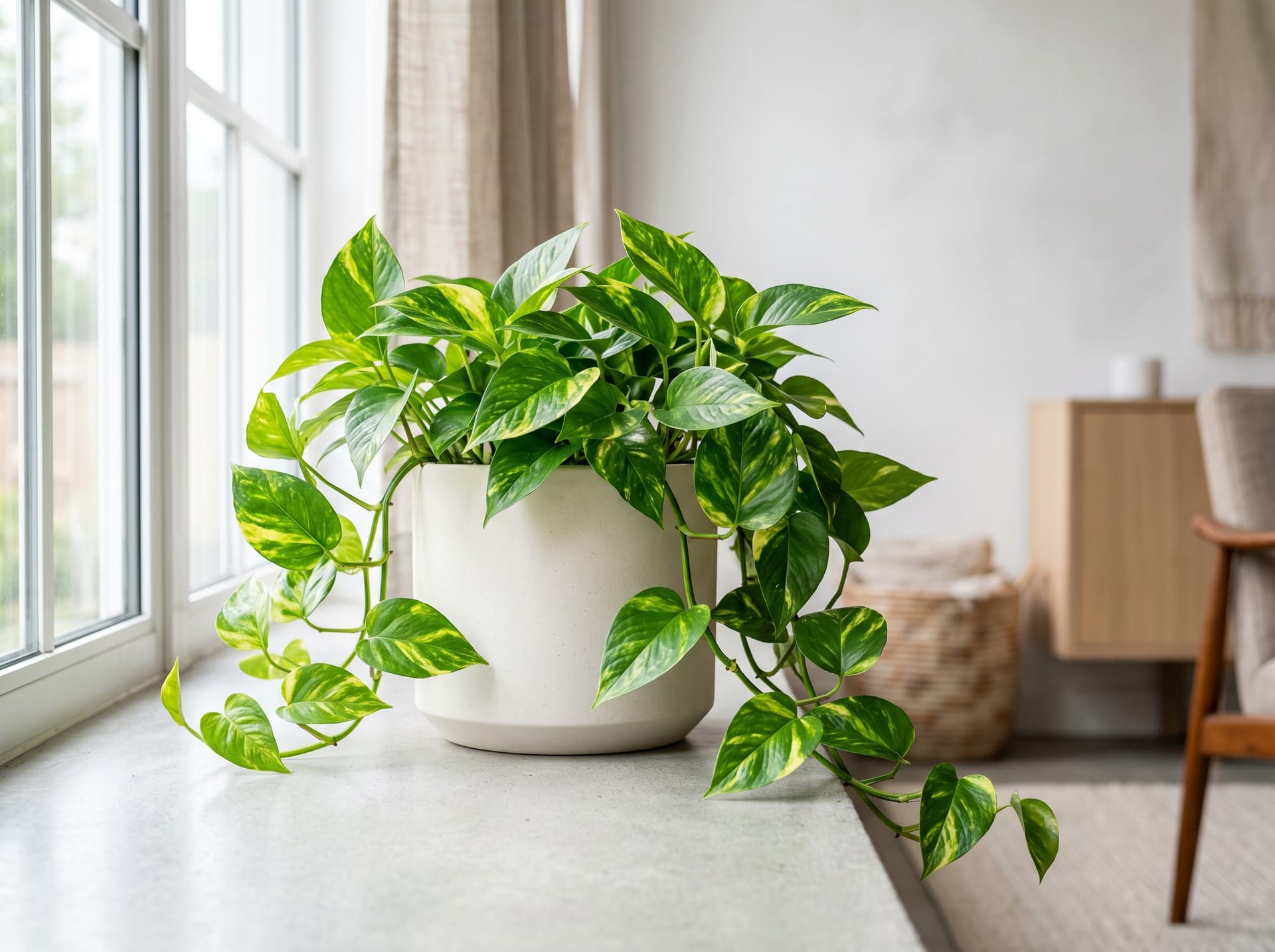
绿萝
One of the hardiest houseplants. Perfect for hanging or trailing. Many varieties including Golden, Marble Queen, and Neon. Grows in water.
View 绿萝 encyclopedia →前3笔销售免佣金!在2026年8月31日前注册生产者账户 → 前3笔成交的手续费免费!
栽培者 招募中!
在BoTachoku上销售,直接面向全国客户销售吗?
ボタちょく的 6 项透明性承诺
观叶植物出品中,栽培者说明以下信息。确保品种、产地、光照需求、栽培难度的透明性。
- 品种说明
- 实物照片
- 色泽
- 产地说明
- 光照需求
- 难度说明
Browse all 16 varieties
观叶植物分类正在招募认证栽培者
栽培者正在陆续注册,即将上架。设置上架通知,不错过新商品。
「接收上架通知」需免费注册会员即可设置。当有符合您保存条件的新商品上架时,我们会通过邮件和站内通知提醒您。
已注册的栽培者(抢先看)
绿萝的基本数据
- 养护难度
- 适合新手
- 寿命
- 10+ years
- 体型
- Vine (1-10m+)
- 适宜温度
- 15〜30℃
- 浇水
- Liquid fertilizer monthly in spring-fall
- Placement
- Shade tolerant. Variegated types need more light
- Watering
- Allow to dry between waterings. Overwatering causes root rot
- Propagation
- Cut at nodes and root in water
- Notes
- Toxic to pets. Popular as hydroponic display
关于绿萝
Native to the Solomon Islands in the South Pacific, pothos grows naturally by climbing the trunks and canopies of tropical rainforest trees. Its scientific name is Epipremnum aureum, though the common name "pothos" stuck after early botanists mistakenly classified it within the Pothos genus. In the wild, its leaves can grow impressively large, but indoors the plant stays at a manageable size. Glossy and heart-shaped, the leaves vary dramatically by variety: Golden shows bold yellow-green splashes, Marble Queen displays creamy white marbling, and Neon glows in vivid chartreuse. Celebrated for its toughness, visual appeal, and reputation as an air-purifying plant, pothos has spread to homes and offices worldwide. It is an ideal first plant for beginners and an endlessly collectible species for enthusiasts who enjoy building a varied indoor garden.
开始养护绿萝前需要了解的7件事
1Bright Indirect Light Is Best
Direct sun can scorch pothos leaves, especially in variegated varieties like Marble Queen. A bright spot behind a sheer curtain or a few feet from a sunny window keeps colors vivid. Very low light will not kill the plant, but variegated leaves tend to revert to solid green over time.
2Water Only When Soil Dries Out
Water thoroughly once the top few centimeters of soil feel dry, then let the pot drain fully without leaving water sitting in the saucer. Overwatering is the most common cause of failure; yellowing leaves are often the first warning sign. Check soil moisture with your finger rather than watering on a fixed schedule, as frequency changes with the seasons.
3Toxic to Pets and Small Children
Pothos contains calcium oxalate crystals throughout its leaves and stems, which can cause oral irritation, drooling, and vomiting if ingested by cats, dogs, or young children. In pet households, hang the plant high or choose a pet-safe alternative. Seek veterinary or medical advice immediately if ingestion is suspected.
4Fertilize Lightly During Growing Season
Apply a balanced liquid fertilizer at half the recommended strength once or twice a month during spring and summer to encourage lush growth and vibrant leaf color. Skip fertilizing in autumn and winter when growth slows. Excess nitrogen can reduce variegation in patterned varieties, so a balanced N-P-K formula is a safer choice.
5Prune Vines to Control Shape
Left unpruned, pothos vines can extend several meters, so trim just below a node to keep the plant at your preferred length. Cut stems root easily in water or moist soil, making propagation straightforward. Regular pruning also encourages bushier growth and helps replace older, faded leaves with fresh new ones.
6Use a Moss Pole for Upward Growth
In its natural habitat, pothos climbs trees using aerial roots, and this behavior carries over indoors. Attaching a damp moss pole or wooden support encourages the roots to grip, often resulting in noticeably larger leaves over time. Training the plant upward is also a space-efficient way to add height without the vines spreading across the floor.
7Know the Differences Between Varieties
Golden Pothos features yellow-green marbling and is the most widely available variety. Marble Queen has heavy white variegation and needs more light to maintain its pattern. Neon Pothos is a uniform bright chartreuse that stands out even in dimmer rooms. Cebu Blue has slender silvery-blue leaves and is considered slightly more demanding. Check the light and care requirements for your specific variety before purchasing.
绿萝的常见问题
- Q.How often should I water my pothos?
- A.Water when the top two to three centimeters of soil feel dry. As a general guide, this works out to roughly once a week in spring and summer, and every ten to fourteen days in autumn and winter, though conditions vary by environment.
- Q.Why are my pothos leaves turning yellow?
- A.Yellowing leaves are most commonly caused by overwatering and resulting root rot. Nutrient deficiency or prolonged exposure to direct sunlight are also possible causes. First check the moisture level of the soil, and if it is consistently wet, allow it to dry out before watering again.
- Q.Can I keep pothos if I have pets?
- A.Pothos is considered toxic to cats and dogs, and ingestion can cause oral irritation, drooling, and vomiting. It can still be grown in pet households, but should be placed on high shelves or in hanging planters well out of reach of animals.
- Q.Can pothos be grown in water only?
- A.Yes, pothos can be grown in water long-term. Simply place a cutting with at least one node in clean water and it will develop roots. Change the water every two weeks or so, and add a small amount of diluted liquid fertilizer to maintain healthy foliage color.
绿萝种植的实用工具
Learn more about 绿萝 in the encyclopedia
View 绿萝 encyclopedia entry →
Care difficulty, size, origin and light needs — all basics covered.