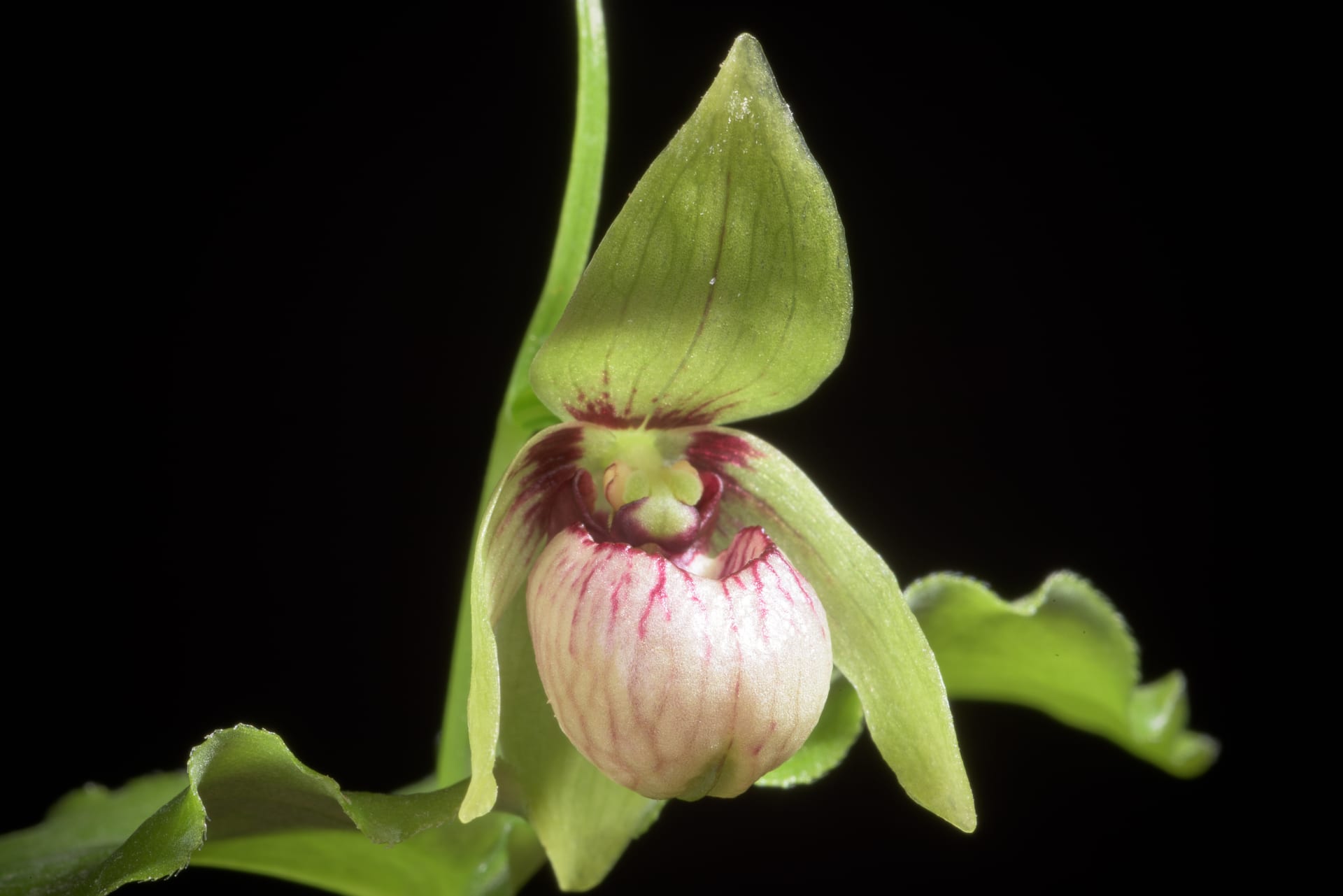
 © snotch from Sapporo, Hokkaido, Japan / CC BY 2.0
小兜兰(脆弱兜兰)
Frail Cypripedium is a small member of the lady's slipper orchid genus, spreading two round, heart-shaped leaves flat near the ground and tucking a tiny nodding flower just beneath them. At only 1-2 cm across, the bloom hides so close to the soil that you often need to lift the leaves to see it, a quietly understated charm rather than a showy display. Its compact, diminutive habit makes it a striking presence even in a small pot or a corner of a wild-flower bench. This is considered an advanced-level orchid to grow, rewarding patient, attentive care with a uniquely intimate flowering experience.
View 小兜兰(脆弱兜兰) encyclopedia →成交手续费0%!2026年9月30日前注册,前 2 株免佣金!
生产者 招募中!
在GrowerDirect上销售,直接面向全国客户销售吗?
GrowerDirect的 6 项透明性承诺
兰花出品中,生产者明示以下信息。确保品种、原产地、光照需求、栽培难度信息透明。
- 品种明示
- 实物照片
- 色泽
- 产地明示
- 光照需求
- 难易度明示
查看全部142个品种
小兜兰(脆弱兜兰)的基本数据
- 养护难度
- 适合高级者
- 寿命
- 多年生(关于寿命的资料很少)
- 体型
- 极小型。花茎2~5厘米,花径1~2厘米
- 浇水
- 肥料需极其节制
- 光照和放置位置
- 这是生长在林内和谷地阴处的植物。应在避免直射日光的明亮阴处培育。
- 浇水
- 喜欢腐殖质丰富、排水良好的土壤。生育期间避免过干,也不能过湿。
- 温度和越冬
- 这是生长在冷凉山地林床的低温性植物。应避免夏季高温和闷热,在凉爽场所培育。
- 用土和换盆
- 使用腐殖质含量高、排水良好的培育土种植。
- 休眠期管理
- 花后从夏季进入秋季,地上部枯萎进入休眠。休眠期间也要保持用土不完全干燥。
- 病虫害和注意事项
- 这是国内野生种。请选择栽培和繁殖的株苗,而非野采的植株。在某些地区,地方法规对野生株采集有限制。
关于小兜兰(脆弱兜兰)
Frail Cypripedium is a small orchid with two heart-shaped leaves hiding a nodding 1-2cm flower beneath them, an understated favorite for advanced growers.
开始养护小兜兰(脆弱兜兰)前需要了解的7件事
1Choose bright, partial shade
Frail Cypripedium prefers bright shade, such as beneath deciduous trees, and should be kept out of direct sun. Strong afternoon sun in summer can scorch the leaves, so extra shading is important. Good air circulation in a cool spot also helps the plant thrive.
2Keep it consistently moist
This orchid dislikes drying out, so water thoroughly once the soil surface starts to feel dry. At the same time, it's prone to root rot from overwatering, so avoid letting water sit in the saucer and make sure drainage stays good.
3Use a well-drained potting mix
A mix designed for alpine or woodland plants, combining materials such as Kanuma soil and pumice, works well, balancing drainage with moisture retention. Aim for a humus-rich, airy soil that lets roots breathe.
4Repot during dormancy
Repot roughly once every one to two years, while the plant is dormant and its top growth has died back. Handle the roots gently to avoid damage, removing old soil before settling the plant into fresh mix.
5Winter dormancy is normal
In autumn the above-ground growth dies back and the plant enters dormancy, a normal part of its cycle rather than a sign of trouble. Keep it somewhere protected from hard freezing but not too dry through winter.
6Check the base and leaves
When choosing a plant, look for one with both leaves fully expanded and a plump, firm base rather than a shriveled one. Leaves with minimal damage or discoloration are a good sign and make ongoing care easier.
7Lift the leaves to see the flower
Because the flower nods downward beneath the two leaves, it's easy to miss from above. Gently lift the leaves to find the small bloom tucked close to the ground.
小兜兰(脆弱兜兰)的常见问题
- Q.Can beginners grow this orchid?
- A.Frail Cypripedium is generally considered an advanced-level plant to grow. It's best attempted once you're comfortable managing humidity, placement, and other care details.
- Q.How big are the flowers, and how do they bloom?
- A.The flowers are small, about 1-2cm across, held on stems roughly 2-5cm long. They nod downward beneath the two leaves, so you often need to look closely to spot them.
- Q.Should I grow it outdoors or indoors?
- A.It generally does best outdoors in bright, partial shade with good air circulation, such as under eaves or on a plant bench. Indoor spots often lack enough light and airflow, so extra care is needed.
- Q.The leaves died back in winter, is the plant dead?
- A.Dying back above ground from autumn into winter is a natural part of its dormancy cycle, not a sign of death. As long as the below-ground parts remain alive, new growth should emerge in spring.
- Q.How often does it need repotting?
- A.As a general guide, repot about once every one to two years during dormancy. Handling the roots carefully during the process is important to avoid damage.
小兜兰(脆弱兜兰)种植的实用工具
在图鉴中详细了解小兜兰(脆弱兜兰)
查看小兜兰(脆弱兜兰)的图鉴条目 →
收录栽培难度、尺寸、原产地、日照等基础数据。