 © sunoochi from Sapporo, Hokkaido, Japan / CC BY 2.0
兜兰(日本变种)
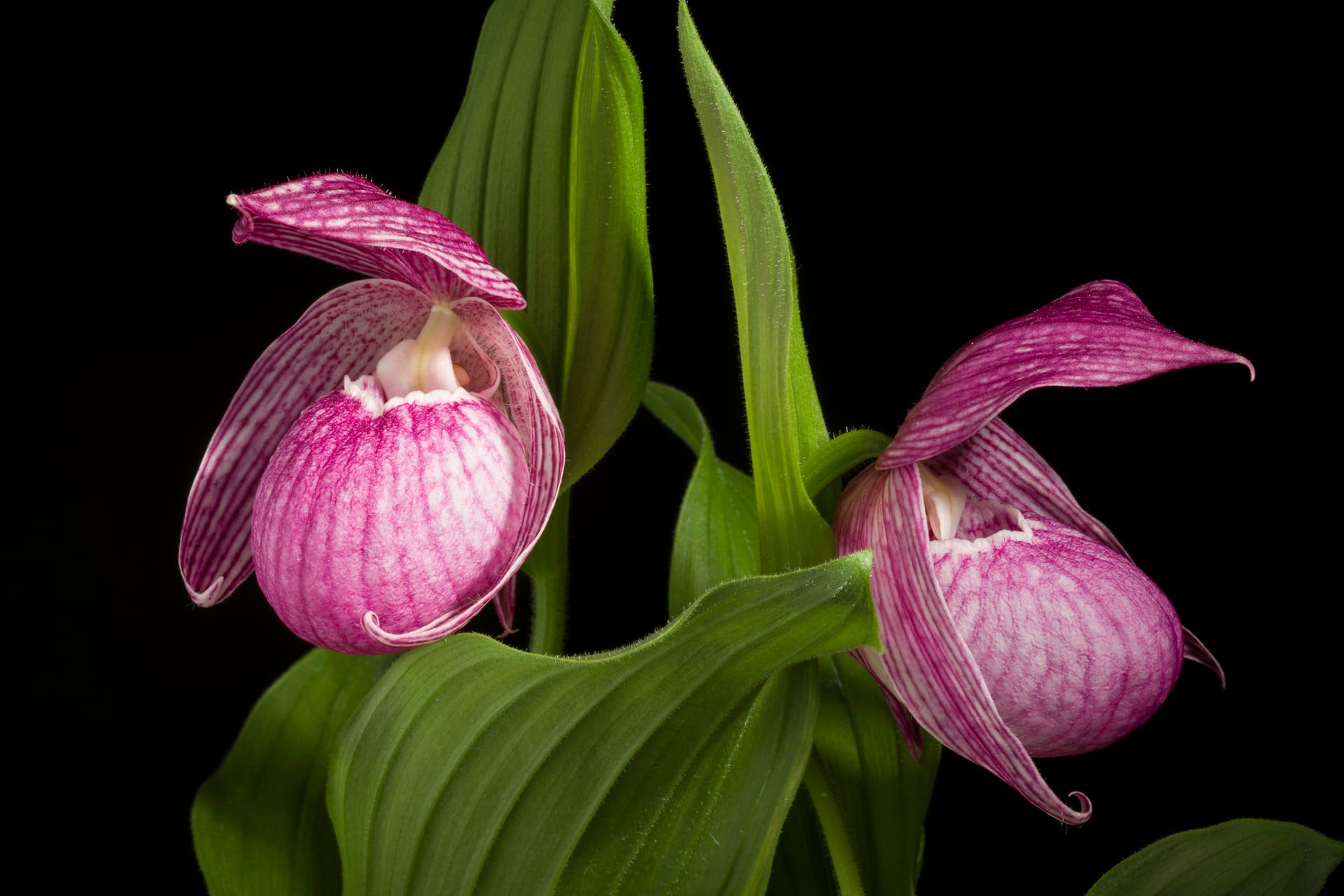
Atsumori-so is a Japanese native orchid prized for the large, reddish-purple, pouch-shaped flower each stem produces. It grows wild in the cool grasslands and bright woodlands of Hokkaido and the highlands of Honshu, and its name is said to come from the flower's resemblance to a cloak worn by a legendary samurai. Alpine plant enthusiasts have treasured it for its unusual form for a long time. Because it calls for a cool growing environment and careful soil management, it's generally considered a plant for more experienced growers. It is designated a Specified Class I National Endangered Species under Japan's Act on Conservation of Endangered Species, and collecting wild plants is prohibited in principle. Plants on the market are artificially propagated, and anyone selling or distributing them as a business must file a notification as a specified domestic species business. Displays and advertisements, including online listings, are required to show the notification number and the business name, so check for this information when buying and never purchase wild-collected plants.
View 兜兰(日本变种) encyclopedia →成交手续费0%!2026年9月30日前注册,前 2 株免佣金!
生产者 招募中!
在GrowerDirect上销售,直接面向全国客户销售吗?
GrowerDirect的 6 项透明性承诺
兰花出品中,生产者明示以下信息。确保品种、原产地、光照需求、栽培难度信息透明。
- 品种明示
- 实物照片
- 色泽
- 产地明示
- 光照需求
- 难易度明示
查看全部142个品种
兜兰(日本变种)的基本数据
- 养护难度
- 适合高级者
- 寿命
- 多年生(寿命数据较少)
- 体型
- 高度30-50厘米
- 浇水
- 生长期用稀释的液体肥料,控制用量
- 光照和放置位置
- 该植物生长于草地和明亮林地。春季需充分日照,夏季应避免强光和高温,放置在半荫处。
- 浇水
- 生长期应保持用土不过干,确保排水性和通风性以防闷热。
- 温度和越冬
- 这是寒冷地植物,在温暖地区需保持凉爽以防夏季气温过高,栽培极为困难。对冬季寒冷抗性强,休眠期间也需经历寒冷。
- 用土和移植
- 植于排水性好的用土中。移植应在地上部枯萎的休眠期进行。
- 休眠期管理
- 秋季地上部枯萎进入休眠。休眠期间也应保持用土不完全干燥。
- 病虫害和注意事项
- 这是特定第一类国内珍稀野生动植物。禁止采集野生株。购买时应确认销售者在展示和广告中是否显示了特定国内种事业登记号和企业名称,并选择人工繁殖株。
关于兜兰(日本变种)
A guide to Atsumori-so, a Japanese native orchid with striking reddish-purple pouch-shaped flowers. Learn its key features, growing tips for this advanced-level plant, and answers to common questions.
开始养护兜兰(日本变种)前需要了解的7件事
1Sun in Spring, Cool Shade in Summer
Atsumori-so grows in grasslands and bright open woods. Give it plenty of sun in spring, then move it to a cool, well-ventilated spot in partial shade in summer, away from strong sun and heat. Try to recreate the cool highland conditions it grows in naturally.
2Water With Clear Wet-Dry Cycles
Water thoroughly once the surface of the soil has dried out, but avoid letting the pot stay constantly wet. In summer especially, water in the morning and make sure excess moisture doesn't linger around the roots, since the plant is prone to rot in humid conditions.
3Use Fast-Draining Soil
Because the roots are sensitive to excess moisture, drainage and aeration are the most important qualities in the growing medium. A mix formulated for alpine or woodland plants, based on kanuma soil with pumice added for extra drainage, works well.
4Repot During Dormancy
The best time to repot is during dormancy, from autumn through early spring after the foliage has died back. Handle the root ball gently without breaking it apart too much, remove the old soil, and replant it in fresh growing medium.
5Manage Temperature by Season
Keep the plant cool through its growing season; the foliage dies back in autumn and it goes dormant. It is very cold-hardy, so keep it exposed to winter cold even while dormant. Don't let the soil dry out completely during dormancy.
6Check Roots and Buds When Choosing a Plant
When selecting a plant, look beyond the visible foliage and check that the roots are firm and the growth buds are healthy. Since artificially propagated plants vary in condition, choosing a vigorous specimen makes a real difference for long-term care.
7Ensure Good Airflow to Prevent Disease
Good air circulation is essential to prevent damping-off and gray mold caused by excess humidity. If you notice any damaged leaves, remove the affected parts promptly and avoid crowding plants too closely together.
兜兰(日本变种)的常见问题
- Q.Can beginners grow Atsumori-so?
- A.Atsumori-so is generally considered a plant for experienced growers rather than beginners. It requires specialized care, such as maintaining cool conditions and well-draining soil, so it's a good idea to build up experience with alpine plants first.
- Q.How large does it grow?
- A.Atsumori-so typically reaches a height of about 30 to 50 cm. It's a perennial, so the foliage dies back during dormancy and re-sprouts the following season.
- Q.Can it be grown indoors?
- A.Since Atsumori-so prefers cool, well-ventilated conditions and dislikes heat and humidity, it's usually best kept outdoors or on a balcony where it gets natural airflow. If you do grow it indoors, pay close attention to temperature, humidity, and light levels.
- Q.What do the flowers look like?
- A.Each stem produces a single large, reddish-purple, pouch-shaped flower at its tip. This distinctive shape is what has made the species popular among alpine plant enthusiasts for a long time.
- Q.When is the best time to repot it?
- A.The ideal window is during dormancy, from autumn through early spring, after the foliage has died back. Avoid repotting during the spring-to-autumn growing season, since it puts more stress on the plant.
兜兰(日本变种)种植的实用工具
在图鉴中详细了解兜兰(日本变种)
查看兜兰(日本变种)的图鉴条目 →
收录栽培难度、尺寸、原产地、日照等基础数据。