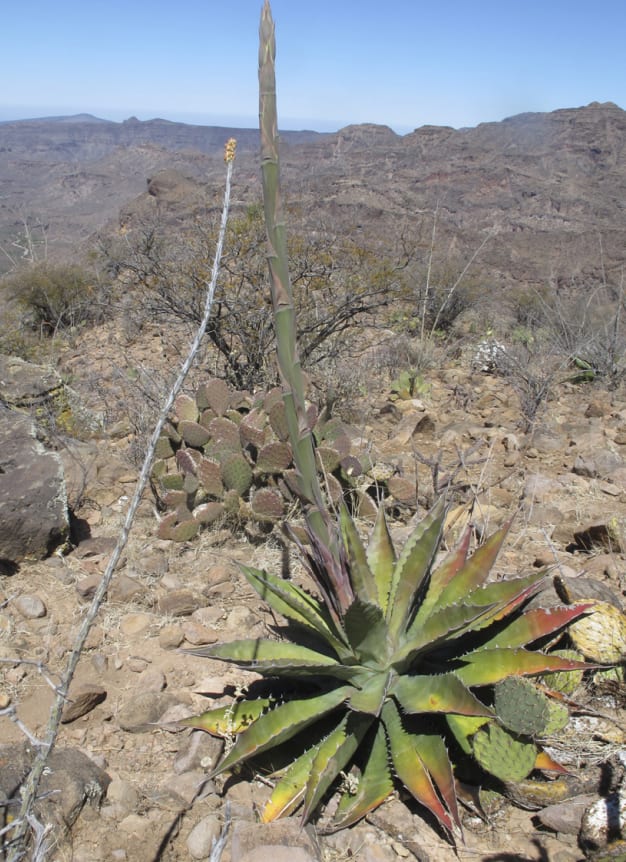
 © CDashley / CC BY-SA 4.0
Agave gigantensis
Agave gigantensis is a striking agave with thick, smooth, deep green leaves lined with bold, grayish-white teeth. Mature rosettes reach roughly 1 m tall and 1.2 m wide, making it a natural focal point in a garden. Despite the name, "gigantensis" doesn't refer to its size — it comes from the La Giganta mountain range in Baja California Sur, Mexico, the plant's native home. It's generally considered a plant for growers with some experience, but once you understand its basic needs, it rewards you for years. Each rosette flowers only once and then dies back, but by then it has typically produced offsets, so the planting carries on through the next generation rather than disappearing.
View Agave gigantensis encyclopedia →0% commission on your first sales!Register by September 30, 2026 and your first 2 plants are commission-free!
Grower Wanted!
List your plants on GrowerDirect and sell directly to customers nationwide!
6 Transparency Commitments from GrowerDirect
Every Agave from our Grower includes full transparency: variety, origin, light requirements, and care difficulty.
- Variety Disclosed
- Real Plant Photos
- Color Details
- Origin Disclosed
- Light Requirements
- Care Difficulty
Browse all 141 varieties
Light Requirements
Difficulty Level
No listings match your filters
Adjust your filters, or get notified when new listings arrive.
Getting alerts is free with a member account. When new listings match your saved search, we'll notify you by email and in-app.
Browse other categories
Verified growers (preview)
Agave gigantensis key facts
- Growing Difficulty
- Intermediate
- Lifespan
- Perennial; the flowering rosette dies and offsets carry on
- Size
- Rosettes about 1 m tall and 1.2 m wide
- Watering
- Light feeder; a little slow-release fertiliser in the growing season is enough
- Light & Placement
- Prefers dry, warm conditions; give sun, airflow and room to grow.
- Watering
- Water after the mix dries; sparingly in winter.
- Temperature & Winter
- Hardiness data are scarce; as a warm-climate plant, winter it frost-free in a bright spot.
- Soil & Repotting
- Grows on hard, rocky ground in the wild; use a free-draining mix.
- Notes
- The marginal teeth are large and sharp. It becomes a big plant, so plan for pot size and space.
About Agave gigantensis
Agave gigantensis is a large agave with thick, smooth dark green leaves and bold grayish-white teeth, reaching about 1m tall and 1.2m wide. A perennial suited to intermediate growers, its striking rosette makes a natural garden centerpiece.
7 things to know before growing Agave gigantensis
1Sun and Airflow
Because Agave gigantensis grows into a large rosette, give it plenty of room to spread and a spot that gets sun for most of the day. Poor air circulation can cause moisture to linger at the base, so it does best outdoors or on an open, well-ventilated balcony.
2Water Sparingly
The thick, succulent leaves store water, so let the soil dry out completely before watering again. Overwatering during slower growth periods is a common cause of root rot, so err on the side of keeping it on the dry side.
3Fast-Draining Soil
Since the roots dislike sitting in moisture, use a commercial succulent or cactus mix that drains quickly. Adding a layer of pumice or similar material at the bottom of the pot also helps prevent water from pooling around the roots.
4Repot as It Grows
Since a mature rosette can reach about 1 m tall and 1.2 m wide, you'll need to move it into a larger pot every few years as it grows. Once the roots have filled the current pot, repot during the active growing season.
5Watch Rain and Temperature
Prolonged wet weather and sudden temperature swings can stress the plant, so moving it somewhere sheltered during long rainy spells is a good precaution. If you keep it outdoors, adjust its position as the seasons change.
6Choose a Firm Rosette
When selecting a plant, look for thick, firm leaves with well-formed teeth along the edges, since these tend to be easier to keep healthy. Also check that the base feels sturdy and the leaves are free of scarring or discoloration.
7Mind the Sharp Teeth
The grayish-white teeth along the leaf margins and the sharp leaf tips are hard and sharp, so wear gloves when repotting or moving the plant. Since it grows quite large, it's also worth placing it away from walkways or areas where people pass close by.
Frequently asked questions about Agave gigantensis
- Q.Does "gigantensis" mean this is an especially giant agave?
- A.No — the name actually comes from the La Giganta mountain range in Baja California Sur, Mexico, where the species originates, not from its size. That said, mature rosettes are still fairly large, reaching about 1 m tall and 1.2 m wide.
- Q.Is this a good agave for beginners?
- A.It's generally considered suited to growers with some prior experience rather than complete beginners. If you already understand the succulent basics — fast-draining soil and sparing watering — you can grow it successfully while building experience.
- Q.What happens to the plant after it flowers?
- A.Agave gigantensis is a perennial, but each individual rosette dies after it flowers. It typically leaves offsets behind, though, so the planting continues through new growth even after the original rosette is gone.
- Q.How big does Agave gigantensis get?
- A.A mature rosette reaches roughly 1 m in height and 1.2 m in width, making it one of the larger agaves. It's worth planning for that eventual footprint when choosing where to place it in a garden or on a balcony.
- Q.Is it better suited to indoor or outdoor growing?
- A.Given its eventual size and love of sun, it does best outdoors or in an open, well-lit spot such as a balcony. If grown indoors, choose a window location that gets as much direct light as possible throughout the day.
Handy Growing Tools for Agave gigantensis
Learn more about Agave gigantensis in the encyclopedia
View Agave gigantensis encyclopedia entry →
Care difficulty, size, origin and light needs — all basics covered.
More in this category
Can't find the plant you're looking for?
Post your wishes for free and growers with matching plants will contact you with introductions.