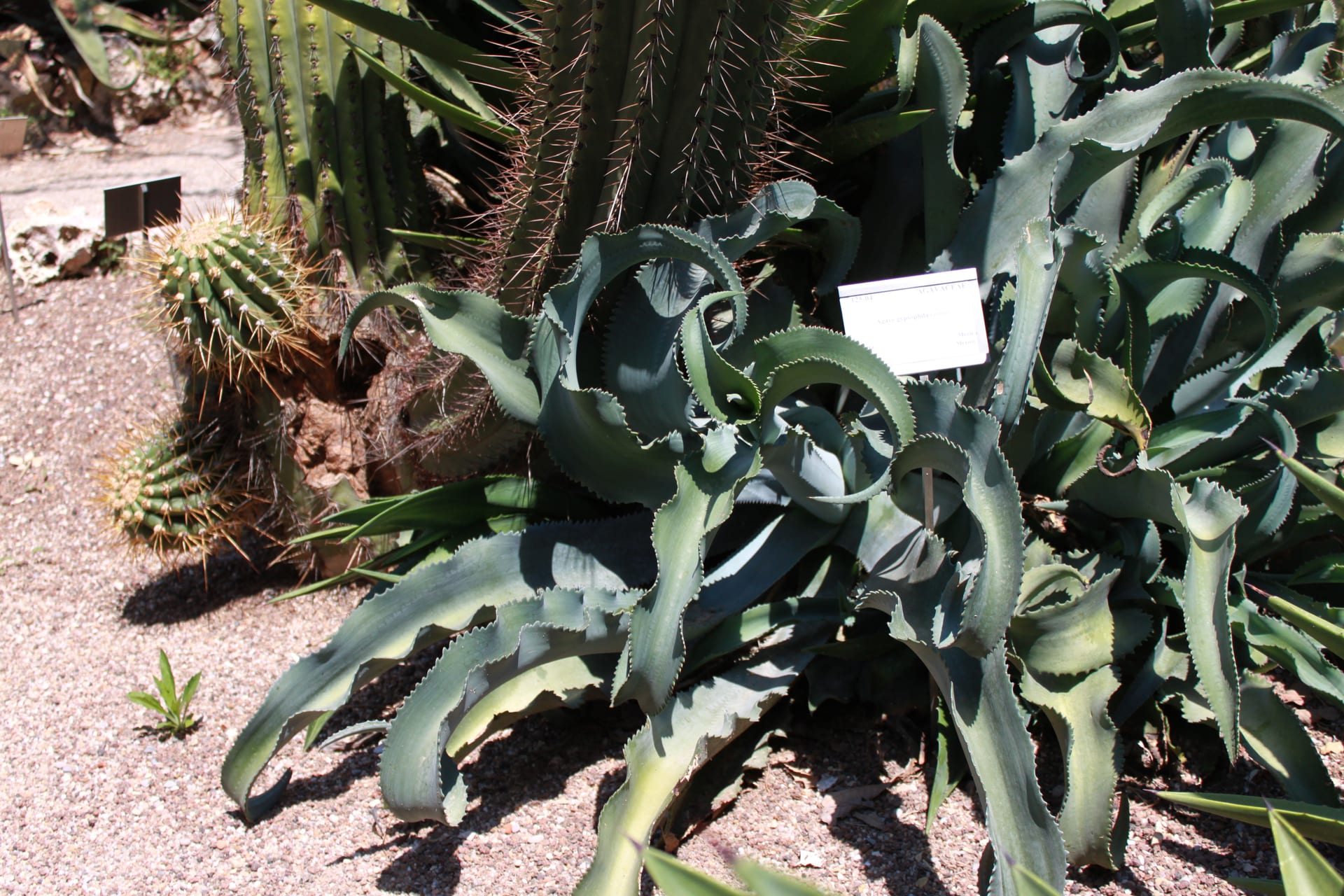
 © Falconaumanni / CC BY-SA 3.0
Agave gypsophila (Gypsum century plant)
Agave gypsophila stands apart from many agaves with its soft, wavy, gray-green leaves that spread in a looser, rounder rosette rather than a sharp, spiky one. The teeth along the leaf margins are small and soft, making it feel more approachable than many spinier relatives. Much of the plant grown under this name is actually its close relative Agave pablocarrilloi, split off as a separate species in 2013. As a perennial succulent, an individual rosette flowers only once and then dies, but offsets growing from its base carry the plant forward. Considered suited to intermediate growers, it's a rewarding next step once you're comfortable with agave care basics.
View Agave gypsophila (Gypsum century plant) encyclopedia →0% commission on your first sales!Register by September 30, 2026 and your first 2 plants are commission-free!
Grower Wanted!
List your plants on GrowerDirect and sell directly to customers nationwide!
6 Transparency Commitments from GrowerDirect
Every Agave from our Grower includes full transparency: variety, origin, light requirements, and care difficulty.
- Variety Disclosed
- Real Plant Photos
- Color Details
- Origin Disclosed
- Light Requirements
- Care Difficulty
Browse all 141 varieties
Light Requirements
Difficulty Level
No listings match your filters
Adjust your filters, or get notified when new listings arrive.
Getting alerts is free with a member account. When new listings match your saved search, we'll notify you by email and in-app.
Browse other categories
Verified growers (preview)
Agave gypsophila (Gypsum century plant) key facts
- Growing Difficulty
- Intermediate
- Lifespan
- Perennial; the flowering rosette dies and offsets carry on
- Size
- About 60-90 cm tall and wide
- Watering
- Light feeder; a little slow-release fertiliser in the growing season is enough
- Light & Placement
- A US grower recommends light shade or morning sun only; avoid harsh afternoon sun.
- Watering
- Water after the mix dries; sparingly in winter.
- Temperature & Winter
- Frost-tender; badly damaged below about -4°C. Winter it in a bright spot indoors.
- Soil & Repotting
- Free-draining mix; repot pot-bound plants at the start of the growing season.
- Notes
- Most cultivated plants are thought to be A. pablocarrilloi, so labels may not match the true species. The variegated 'Ivory Curls' is sold under its own name.
About Agave gypsophila (Gypsum century plant)
Agave gypsophila is a mid-size agave with soft, wavy gray leaves and small, gentle teeth. Learn about its features, placement, watering, soil, and repotting.
7 things to know before growing Agave gypsophila (Gypsum century plant)
1Bright Shade or Morning Sun
Growers in the U.S. recommend bright shade or a spot that gets sun only in the morning for Agave gypsophila. Avoid strong afternoon sun, which can damage the leaves, and keep it somewhere with good air circulation. Indoors, place it near a bright window where it won't take harsh afternoon sun.
2Watering Basics
Like other agaves, it stores water in its fleshy leaves and tolerates dry spells well. Water thoroughly once the soil surface has dried out, letting excess water drain from the pot. In winter, when growth slows, cut back on watering frequency to help prevent root rot.
3Well-Draining Soil
Since it dislikes soggy conditions, a well-draining succulent or cactus mix works best. Improve drainage further by blending in pumice or small grains of akadama soil, and add drainage material at the bottom of the pot to prevent water from pooling around the roots.
4When to Repot
Repot once the roots become crowded in the container. Spring through autumn, during the active growing season, is the best time to move it into a slightly larger pot. Since mature plants can reach roughly 60 to 90 cm in both height and width, it helps to plan pot size and placement with that eventual size in mind.
5Getting Through Summer and Winter
Growth is most active in spring and autumn, while it slows down during the height of summer and winter. In summer, ensure good airflow to avoid excess humidity around the plant; in winter, move it somewhere protected from cold and frost. If growing outdoors, it's worth researching seasonal care suited to your local climate in advance.
6Choosing a Healthy Plant
Look for a plant with firm, healthy-looking leaves and good color. Since the wave pattern and coloring of the leaves vary between individual plants, it helps to check photos of the whole rosette shape before choosing. Also check the leaf tips and margins for any damage or discoloration.
7Flowering and Offsets
Although it's a perennial, each individual rosette flowers only once in its lifetime and dies afterward. New offsets then grow from the base of the plant, carrying it forward into the next generation. Since flowering timing varies from plant to plant, it's best enjoyed with a patient, long-term outlook.
Frequently asked questions about Agave gypsophila (Gypsum century plant)
- Q.Can beginners grow Agave gypsophila?
- A.This species is generally considered suited to intermediate growers. It's manageable if you already have some experience with succulents or agaves, but if this is your first succulent, it helps to get comfortable with basic watering and placement first.
- Q.How big does it get?
- A.Mature plants reach roughly 60 to 90 cm in both height and width. Because the wavy leaves spread outward in every direction, it's worth allowing more space than the plant initially appears to need.
- Q.Can it be planted directly in the ground outdoors?
- A.Suitability depends heavily on your local climate, so it's best to check whether outdoor cultivation is appropriate where you live before planting in the ground. Growing it in a pot instead lets you move it seasonally, giving more flexibility in care.
- Q.What's the difference from Agave pablocarrilloi?
- A.Agave pablocarrilloi is a closely related species that was split off from Agave gypsophila in 2013. Many of the plants grown under the gypsophila name are believed to actually be this closely related species, and the two look very similar.
- Q.Are the leaf edges sharp enough to cause injury?
- A.The teeth along the leaf margins are small and relatively soft compared to many other agave species. That said, they're still spines, so it's wise to wear gloves and handle the plant carefully when repotting or doing maintenance.
Handy Growing Tools for Agave gypsophila (Gypsum century plant)
Learn more about Agave gypsophila (Gypsum century plant) in the encyclopedia
View Agave gypsophila (Gypsum century plant) encyclopedia entry →
Care difficulty, size, origin and light needs — all basics covered.
More in this category
Can't find the plant you're looking for?
Post your wishes for free and growers with matching plants will contact you with introductions.