Macroacantha
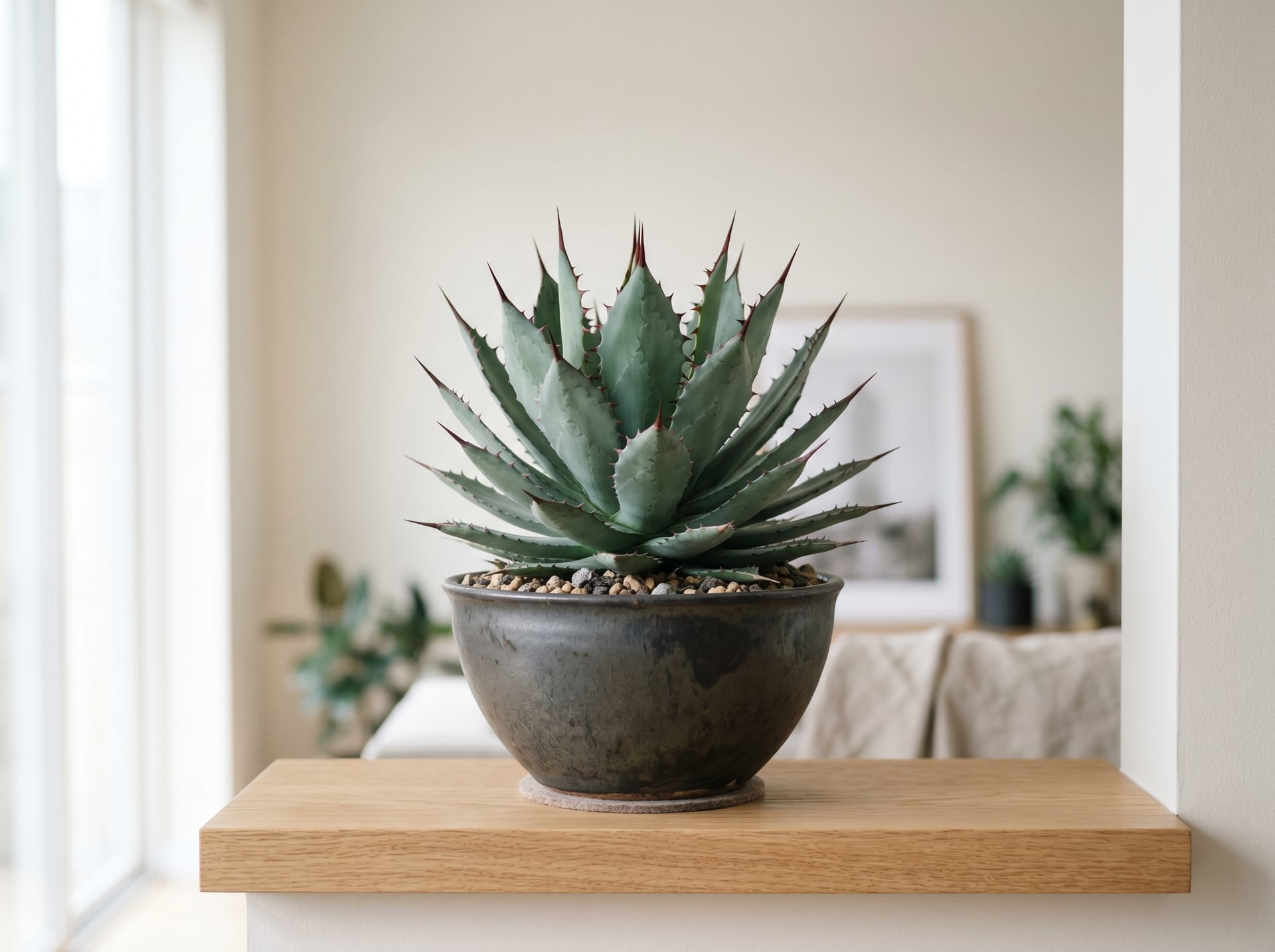
Agave macrocantha is a small-to-medium Mexican agave prized for its striking contrast of blue-gray leaves and vivid dark-red terminal spines. Its compact form and strong drought tolerance make it easy to grow in containers or in the ground, appealing to beginners and serious collectors alike.
View Macroacantha encyclopedia →Grower Wanted!
List your plants on GrowerDirect and sell directly to customers nationwide!
6 Transparency Commitments from GrowerDirect
Every Agave from our Grower includes full transparency: variety, origin, light requirements, and care difficulty.
- Variety Disclosed
- Real Plant Photos
- Color Details
- Origin Disclosed
- Light Requirements
- Care Difficulty
Browse all 141 varieties
Light Requirements
Difficulty Level
No listings match your filters
Adjust your filters, or get notified when new listings arrive.
Getting alerts is free with a member account. When new listings match your saved search, we'll notify you by email and in-app.
Browse other categories
Verified growers (preview)
Macroacantha key facts
- Growing Difficulty
- Beginner-friendly
- Lifespan
- Perennial (15-25 years)
- Size
- 25-50cm
- Watering
- Minimal
- Light & Placement
- Direct sun is ideal, and plenty of light deepens the blue of the leaves. Being compact, it suits balconies and pots.
- Watering
- Water sparingly, only after the soil dries. Excess moisture causes root rot, so keep it on the dry side.
- Soil & Repotting
- Use a fast-draining mix. Growth is slow and it stays 30 to 60 cm across, so repot once it becomes root-bound.
- Temperature & Overwintering
- Cold tolerance is around 5 to 8°C. In winter, move it to a frost-free spot and keep it from dropping below 5°C.
- Propagation
- It spreads by offsets and forms clumps, so it can be propagated by division. Wear gloves, as the spines are sharp.
- Pests & Cautions
- The black terminal spines, 3 to 5 cm long, are extremely sharp and dangerous. Keep it away from walkways and contact, and take care when handling.
About Macroacantha
Agave macrocantha is a medium-sized agave native to the rocky, arid slopes of Oaxaca and Puebla in Mexico. Its species name derives from the Greek for "large spine," a fitting tribute to the striking dark reddish-brown to near-black terminal spines that tip each leaf. The leaves themselves are a distinctive blue-gray-green, forming a tidy, architectural rosette that reaches roughly 50–70 cm in diameter at maturity. Fine serrations line the leaf margins, adding to its sculpted, geometric appeal. In cultivation, macrocantha is prized for its exceptional drought tolerance and low maintenance requirements, provided it has excellent drainage. Its compact size and bold color contrast make it equally at home as a solo specimen in a decorative pot or nestled among rocks in a xeriscape or succulent garden. Growth is deliberately slow, but this means each year brings a slightly fuller, more impressive plant—a quality that devoted growers find deeply rewarding over the long term.
5 things to know before growing Macroacantha
1Spines Are Seriously Sharp
The terminal spines of macrocantha are extremely hard and sharp, capable of causing deep puncture wounds on accidental contact. Always wear thick leather gloves when repotting or handling the plant. Avoid placing it where children or pets can easily brush against it.
2Less Water Is Almost Always Better
Root rot from overwatering is the primary killer of macrocantha. During the growing season (spring through autumn), water only after the soil has completely dried out, and reduce to once or twice a month in winter. A well-draining cactus and succulent mix is essential.
3Strong Light Drives Healthy Growth
In its native rocky habitat, macrocantha receives intense direct sunlight. Indoors, even a south-facing window often provides insufficient light, leading to etiolation (stretching). Outdoor cultivation or supplemental grow lighting is ideal for maintaining its compact, attractive form.
4Expect Slow, Steady Growth
Macrocantha grows slowly, taking several years to reach a display-worthy size. This also means you can enjoy the same plant in the same pot for many years. Avoid over-fertilizing in an attempt to speed growth, as this can cause stretching and increase disease susceptibility.
5Cold Hardiness Has Limits
Macrocantha can tolerate brief dips to around -5°C, but frost and prolonged freezing temperatures will damage the leaves. In heavy-snowfall regions or northern Japan, bring it indoors for winter. Container growing makes this easy, making the plant manageable even in cooler climates.
Frequently asked questions about Macroacantha
- Q.Can macrocantha be grown indoors?
- A.It can be grown indoors if light is sufficient, but standard window light is often too weak, leading to etiolation. Place it at a bright south-facing window and supplement with a grow light if needed for best results.
- Q.How often should I water macrocantha?
- A.During the growing season (spring to autumn), water thoroughly once every one to two weeks after the soil has fully dried. Reduce to once or twice a month in winter to prevent root rot. Always water deeply until it drains from the bottom, and never let the pot sit in standing water.
- Q.What soil conditions are best for planting in the ground?
- A.Excellent drainage is critical—clay-heavy soils will cause root rot. A lean, sandy mix amended with pumice or coarse grit is ideal. When planting in the ground, add a layer of gravel or pumice at the bottom of the planting hole to further improve drainage.
- Q.What is the most common cause of death in macrocantha?
- A.Overwatering leading to root rot is by far the most common cause. Poor-draining soil and leaving water in saucers are closely related culprits. If the base of the leaves turns dark and feels soft, this signals root rot and requires immediate action such as repotting into fresh, dry soil.
Handy Growing Tools for Macroacantha
Learn more about Macroacantha in the encyclopedia
View Macroacantha encyclopedia entry →
Care difficulty, size, origin and light needs — all basics covered.
More in this category
Can't find the plant you're looking for?
Post your wishes for free and growers with matching plants will contact you with introductions.