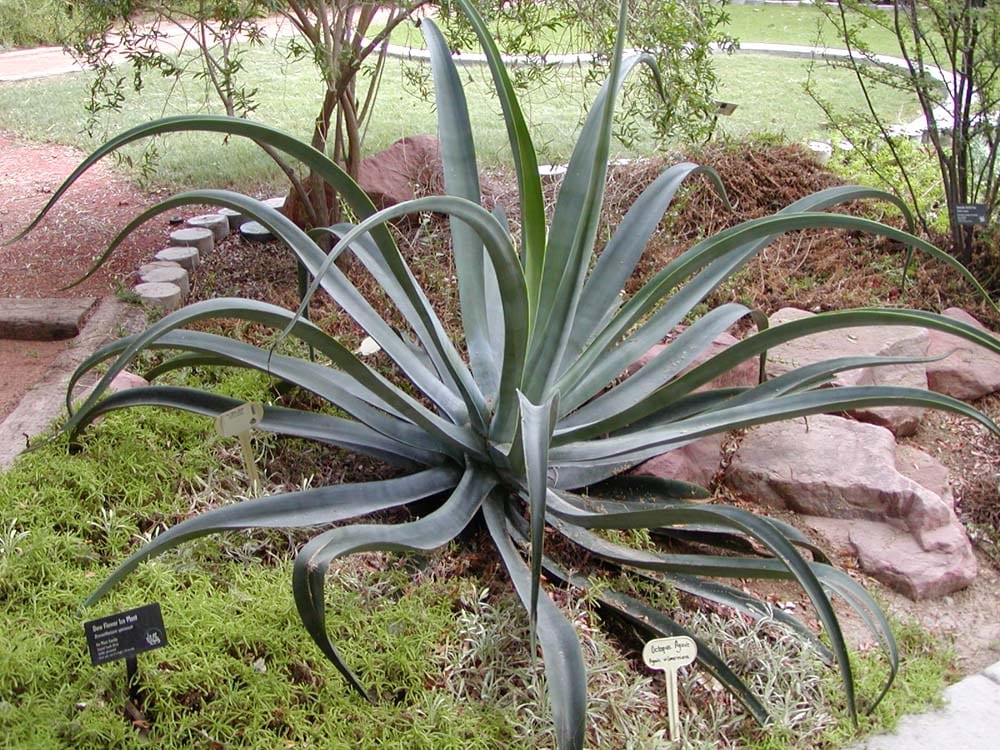
 © Stan Shebs / CC BY-SA 3.0
Agave vilmoriniana (Octopus agave)
Agave vilmoriniana, commonly known as the octopus agave, is a striking large agave whose long, slender green leaves curve and cascade toward the ground in a graceful, tentacle-like sweep. It lacks the prominent teeth of many agaves, but the leaf edges carry fine serrations that can be sharp, so wear gloves when handling it. Rather than producing offsets at the base like most agaves, this species reproduces via bulbils that form along its flower stalk after blooming. Mature plants reach roughly 1.2 meters in both height and spread, giving them an imposing presence. It's considered beginner-friendly, making it an approachable choice for those new to growing agaves.
View Agave vilmoriniana (Octopus agave) encyclopedia →0% commission on your first sales!Register by September 30, 2026 and your first 2 plants are commission-free!
Grower Wanted!
List your plants on GrowerDirect and sell directly to customers nationwide!
6 Transparency Commitments from GrowerDirect
Every Agave from our Grower includes full transparency: variety, origin, light requirements, and care difficulty.
- Variety Disclosed
- Real Plant Photos
- Color Details
- Origin Disclosed
- Light Requirements
- Care Difficulty
Browse all 141 varieties
Light Requirements
Difficulty Level
No listings match your filters
Adjust your filters, or get notified when new listings arrive.
Getting alerts is free with a member account. When new listings match your saved search, we'll notify you by email and in-app.
Browse other categories
Verified growers (preview)
Agave vilmoriniana (Octopus agave) key facts
- Growing Difficulty
- Beginner-friendly
- Lifespan
- Dies after flowering without offsets (bulbils form on the flower stalk)
- Size
- About 1.2 m tall and wide
- Watering
- Light feeder; a little slow-release fertiliser in the growing season is enough
- Light & Placement
- Full sun; the leaves spread widely, so allow room even beside paths or in pots.
- Watering
- Drought tolerant; water after the mix dries, sparingly in winter.
- Temperature & Winter
- A US grower rates it to about -4°C; winter potted plants away from hard frost.
- Soil & Repotting
- Free-draining mix. It does not offset, so propagate from bulbils on the flower stalk.
- Notes
- The plant dies after flowering without offsets. Leaf edges can be sharp despite lacking obvious teeth.
About Agave vilmoriniana (Octopus agave)
Agave vilmoriniana is a large, beginner-friendly agave whose slender leaves curve toward the ground like octopus tentacles. It lacks prominent teeth, though the edges can still be sharp, and it propagates via bulbils rather than offsets after flowering.
7 things to know before growing Agave vilmoriniana (Octopus agave)
1Light and Airflow
Agave vilmoriniana thrives in full sun, so place it where it gets plenty of direct light if grown outdoors. Good air circulation helps prevent excess moisture buildup and keeps the plant healthy. Because its leaves arch and spread widely as they grow, give it plenty of surrounding space.
2Water Sparingly
Its fleshy leaves store water, so let the soil dry out completely before watering again. Overwatering can lead to root rot, so avoid letting water pool in the saucer. Water even less often during winter, when growth slows down.
3Use Well-Draining Soil
A commercial succulent or cactus soil mix works well for this plant. Adding pumice or akadama soil improves aeration and reduces the risk of root rot. Placing drainage material at the bottom of the pot further improves water flow.
4Repot Before It Outgrows Its Pot
During active growth, roots can fill the pot quickly, so repot into a slightly larger container once roots start showing at the drainage holes. Spring to early summer, when temperatures are stable, is the best time to repot. Since mature plants reach about 1.2 meters in height and spread, plan ahead for a larger pot or a spot in the garden.
5Protect It in Winter
This agave tolerates some cold, but frost and freezing temperatures should be avoided. If grown outdoors, moving it indoors or under eaves during winter is a good precaution. Cut back on watering further once growth slows for the season.
6Choosing a Healthy Plant
Look for a plant with firm, plump leaves that curve gracefully from the base, a sign of good health. Check that the leaf tips and edges are free of damage or discoloration, and that the base feels stable rather than loose. The teeth aren't prominent, but the leaf edges have fine serrations that can be sharp, so wear gloves when choosing, moving, or repotting it.
7Flowering Marks the End
Once this agave flowers, the mother plant will die, and unlike many agaves, it won't leave offsets behind. Instead, small bulbils form along the flower stalk, which can be collected and grown into new plants. Flowering typically takes many years to occur, so enjoy watching the plant's form develop in the meantime.
Frequently asked questions about Agave vilmoriniana (Octopus agave)
- Q.Why is it called the "octopus agave"?
- A.The name comes from its long, slender leaves that curve and cascade toward the ground, resembling octopus tentacles. This is reflected in its English name, "octopus agave."
- Q.Is it true that its leaves have no teeth?
- A.It's true that the leaf margins lack the prominent teeth of many other agaves. However, the edges carry fine serrations that can be sharp, so wear gloves when touching or tending the plant.
- Q.Does it produce offsets (pups)?
- A.No, this species doesn't produce offsets at the base like most agaves. Instead, it forms bulbils along its flower stalk after blooming, a different way of propagating.
- Q.Is it difficult to grow?
- A.It's generally considered beginner-friendly and grows well as long as you provide enough light and well-draining soil. The key is to avoid excess moisture and let it dry out between waterings.
- Q.How large does it get?
- A.Mature plants reach roughly 1.2 meters in both height and spread. Since its leaves arch and spread out as they grow, make sure to give it enough surrounding space.
Handy Growing Tools for Agave vilmoriniana (Octopus agave)
Learn more about Agave vilmoriniana (Octopus agave) in the encyclopedia
View Agave vilmoriniana (Octopus agave) encyclopedia entry →
Care difficulty, size, origin and light needs — all basics covered.
More in this category
Can't find the plant you're looking for?
Post your wishes for free and growers with matching plants will contact you with introductions.