Agave Balcony Cultivation Guide | Growing Methods and Precautions for Apartments and Urban Areas
Explains key points for growing agave on balconies in apartments and urban areas. Introduces practical solutions specific to balcony cultivation: securing adequate sunlight, managing wind exposure, dealing with weight restrictions, preparing for rain, and showing consideration for neighbors.
Key Takeaways
Explains key points for growing agave on balconies in apartments and urban areas. Introduces practical solutions specific to balcony cultivation: securing adequate sunlight, managing wind exposure, dealing with weight restrictions, preparing for rain, and showing consideration for neighbors.
Related Species
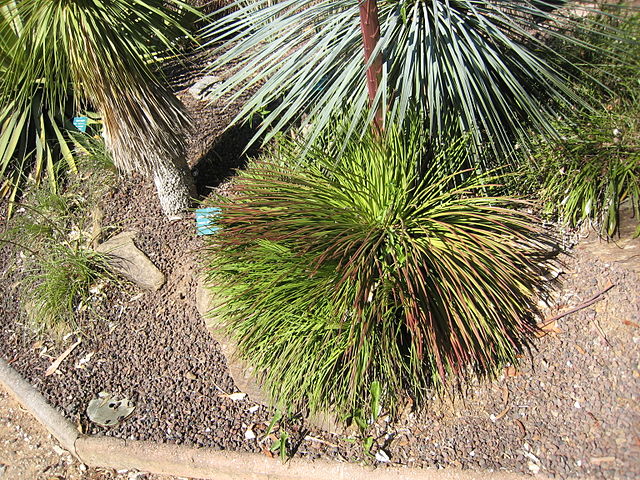
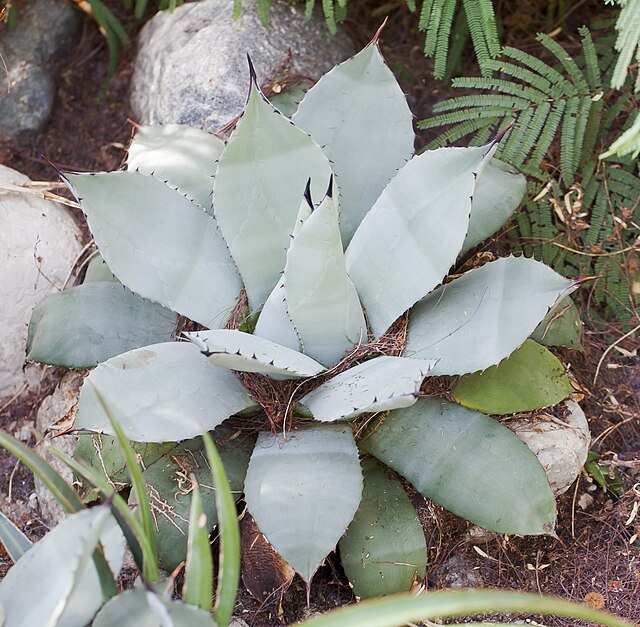
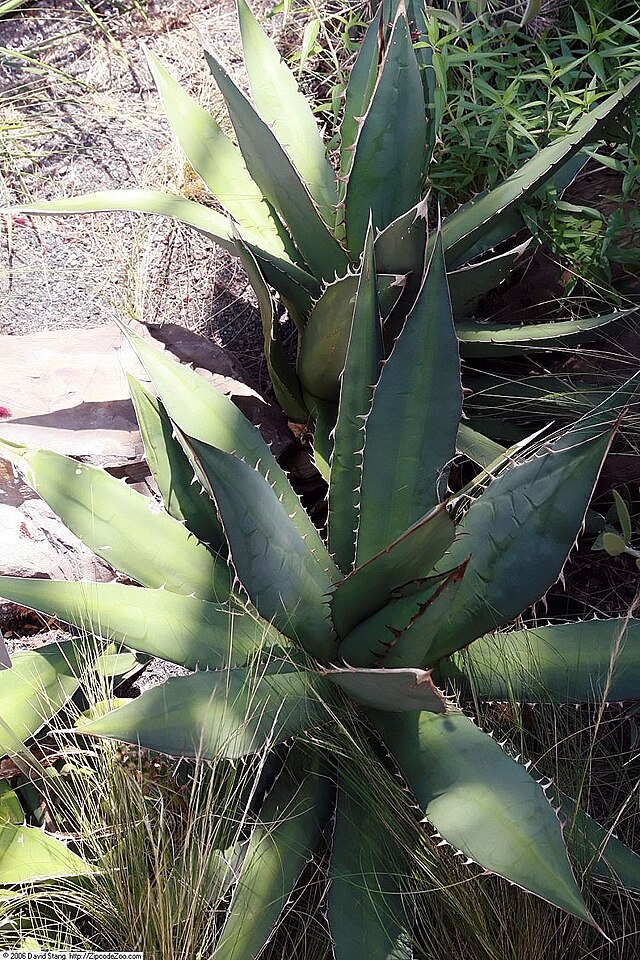
Agave is naturally found in the arid rocky areas and mountains of Mexico and the southwestern United States, but its robust nature allows it to adapt well to apartment balconies and urban cultivation. However, balcony cultivation—with its limited space—requires different considerations and techniques than planting in the ground or in a spacious garden. This article explains practical methods for growing healthy agave on a balcony.
Benefits of Growing Agave on a Balcony
Balcony cultivation has unexpected advantages. First, it makes managing the biggest problem for agave—excessive moisture—much easier. Many balconies have a roof that blocks some rain, and by placing pots under the eave, you can often prevent the soil from becoming waterlogged during the rainy season or autumn rains.
Additionally, since plants are in pots, they can be moved easily and positioned in the optimal location according to the season and weather. You have the flexibility to avoid strong afternoon sun in summer or bring plants indoors for winter—this adaptability is a key strength of balcony cultivation.
Securing Adequate Sunlight Is Critical
Agave is a plant that loves sunlight, and the orientation of your balcony is key to cultivation success. Ideally, a south- or east-facing balcony receives at least 6 hours of direct sunlight daily.
West-facing balconies can receive too much intense afternoon sun, requiring care against leaf scorch in summer. North-facing balconies tend to be too shady, causing agave to become etiolated (grow tall and spindly). While agave can technically be grown on a north-facing balcony, it may require careful variety selection or supplemental lighting.
Upper floors of apartment buildings have fewer obstructions and better light exposure, but they are also more susceptible to strong wind. Never place pots outside the railing for safety reasons—instead, work to secure adequate sunlight within the railing area.
Be Aware of Balcony Weight Limits
Apartment balconies have structural weight restrictions. The load capacity of a typical apartment balcony is generally around 180–200 kg per square meter, though this includes the combined weight of furniture, people, and all other items.
A large agave specimen, including pot and soil, can weigh several tens of kilograms. If you plan to display multiple specimens, consider switching to lightweight pots made of plastic or fiber-reinforced plastic (FRP), or use lightweight growing media (a mix of pumice, perlite, and lava rock).
If concerned, check with your building management or construction company, or distribute heavy pots across multiple balconies.
Sample Lightweight Soil Mix
Here is an example of a lightweight growing medium suited for balcony cultivation:
- Pumice (fine): 40%
- Perlite (medium): 30%
- Lava rock (fine): 20%
- Vermiculite: 10%
This mix balances drainage and water retention while being lighter than standard potting soil. Since it contains little nutrients, supplement with slow-release fertilizer during the growing season.
Rain Protection: Managing Excess Moisture
For agave, prolonged rain during the rainy season is a major threat. If your balcony has an eave, move plants underneath it, or create a rain cover using vinyl or shade cloth.
Also check regularly that drainage holes in pots are not clogged—poor drainage can lead to root rot even after a single heavy rain. Avoid letting water pool in saucers, and always check that water has drained after watering.
Wind Protection
High wind exposure on upper floors or in coastal areas affects agave cultivation. Strong wind not only risks toppling pots but also poses danger if the sharp leaf spines contact nearby objects or people.
Tall varieties and large specimens are especially vulnerable to wind; choose pots with a low center of gravity for stability, or secure the pot to a stand. Remember to bring plants indoors before typhoons.
Spine Safety Management
Many agave varieties have sharp leaf spines, and in the limited space of a balcony, these can pose unexpected hazards. Extra care is needed if children or pets might come into contact with the plants.
You can improve safety by rounding spine tips with a file or fitting small rubber or cork caps on them. Alternatively, choose varieties with fewer spines (such as Agave attenuata).
Consideration for Neighbors
Balcony cultivation requires consideration for neighbors. When watering, use saucers properly or water along the wall to prevent water from dripping to the floor below.
Be mindful of plant size and placement so that leaves do not extend past the railing into an adjacent unit. If you wish to grow large varieties, confirm in advance that your balcony has sufficient space.
Overwintering Outdoors
In most areas west of Tokyo, many agave species can overwinter outdoors, but apartment balconies can become colder than expected.
The main winter concern is direct frost exposure. On nights when frost is predicted, cover plants with cardboard or non-woven fabric, or bring them to a bright indoor location. Varieties with low cold hardiness (such as Agave maculata and Agave geminiflora) should be kept indoors during winter.
When bringing plants indoors, place them in a bright window spot away from direct heat from air conditioning. Indoors, reduce watering significantly—wait for soil to dry completely, then wait a few more days before watering.
Summer Management: Heat and Sunburn Protection
Balconies become extremely hot in summer. Placing pots directly on concrete can transmit heat through the bottom, damaging roots. Use pot stands or wooden slatted bases to elevate pots at least 5–10 cm above the floor.
Plants not acclimated to direct sun can suffer leaf scorch if suddenly exposed to intense summer sunlight. In spring, gradually increase daily sunlight exposure and slowly acclimate plants to strong light. Once leaf scorch occurs, the affected leaves will not recover, but new growth will be healthy if the plant is moved to proper conditions.
Choosing Varieties for Balcony Cultivation
When selecting varieties for a balcony, consider the plant's eventual mature size. Small to medium varieties are ideal for space-limited balconies.
- Agave geminiflora: Compact with a unique form. Small spines make it easy to handle.
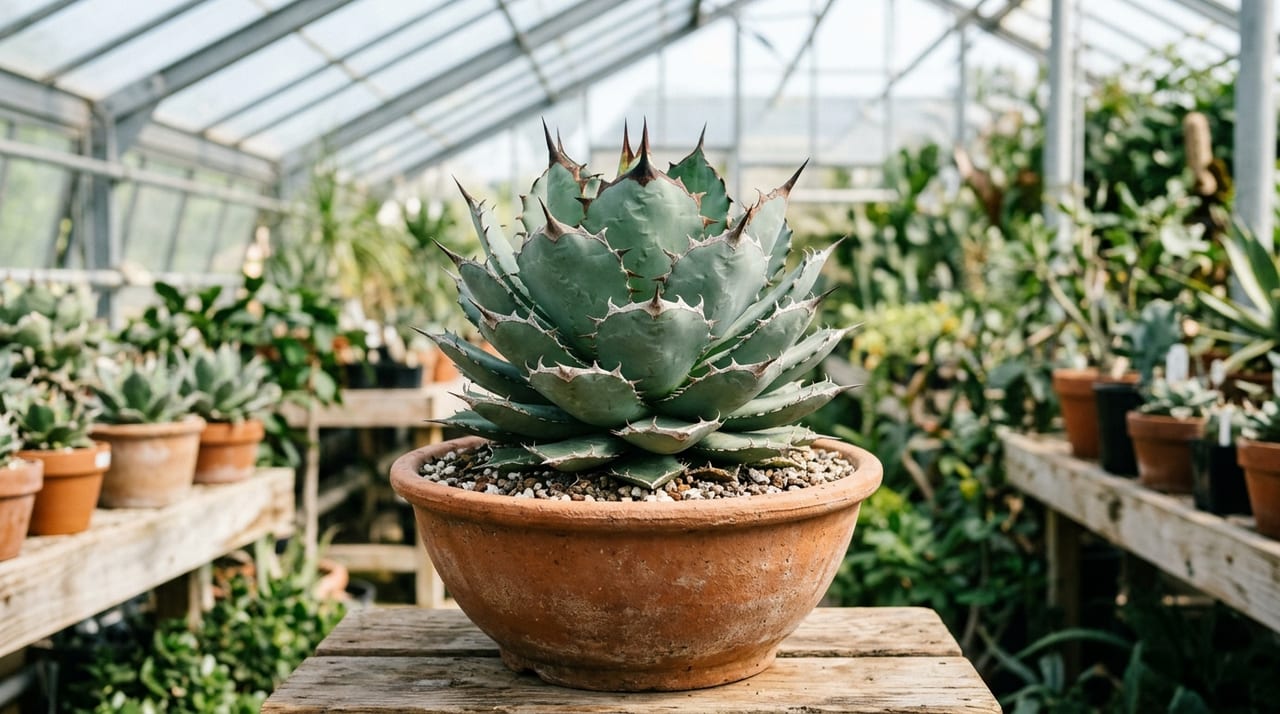
- Agave parryi: Beautiful, rounded shape. Cold hardy and easy to grow.
- Agave titanota (dwarf forms): A popular variety. Slow growth makes it space-efficient.
- Agave attenuata: Few spines for safety. Can grow in bright partial shade.
Conversely, Agave americana and large Agave oaxacensis specimens grow very large and may create placement problems on a balcony long-term.
Finding Balcony-Friendly Agave on GrowerDirect
If you're looking for agave varieties and sizes suited to balcony cultivation, GrowerDirect is convenient. On GrowerDirect, you can purchase directly from growers with proven cultivation experience, and you can also ask questions about variety characteristics and final plant size before purchasing. Take your time selecting one specimen suited to your balcony environment.