Agave Scientific Names and Classification Guide | Agavaceae Lineage and How to Read Variety Names
Why are Agave scientific names long and complex? This guide walks through the structure of genus and species names, changes in classification systems, and how to read variety and clone names—providing foundational knowledge to correctly understand labels and trade names.
Key Takeaways
Why are Agave scientific names long and complex? This guide walks through the structure of genus and species names, changes in classification systems, and how to read variety and clone names—providing foundational knowledge to correctly understand labels and trade names.
Related Species
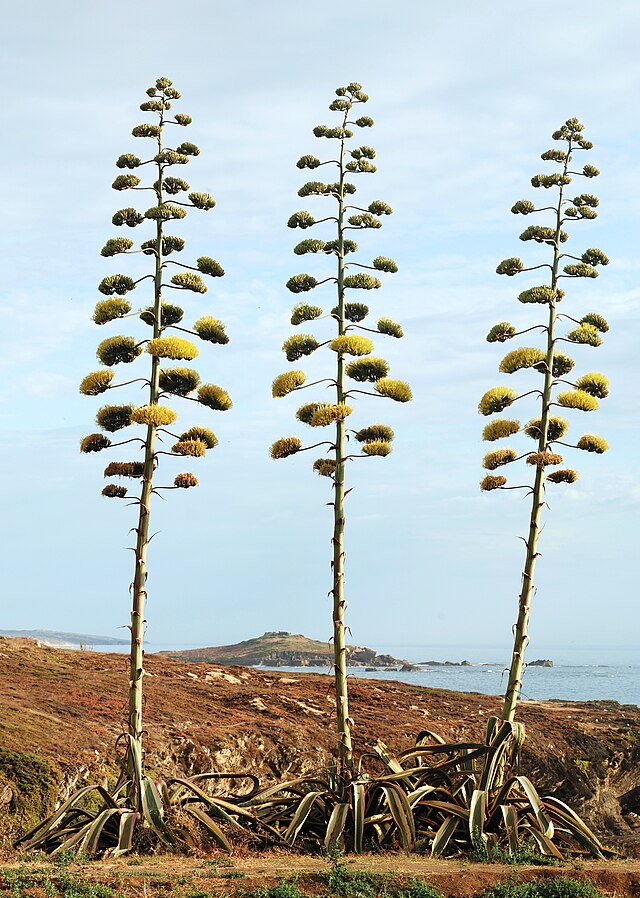
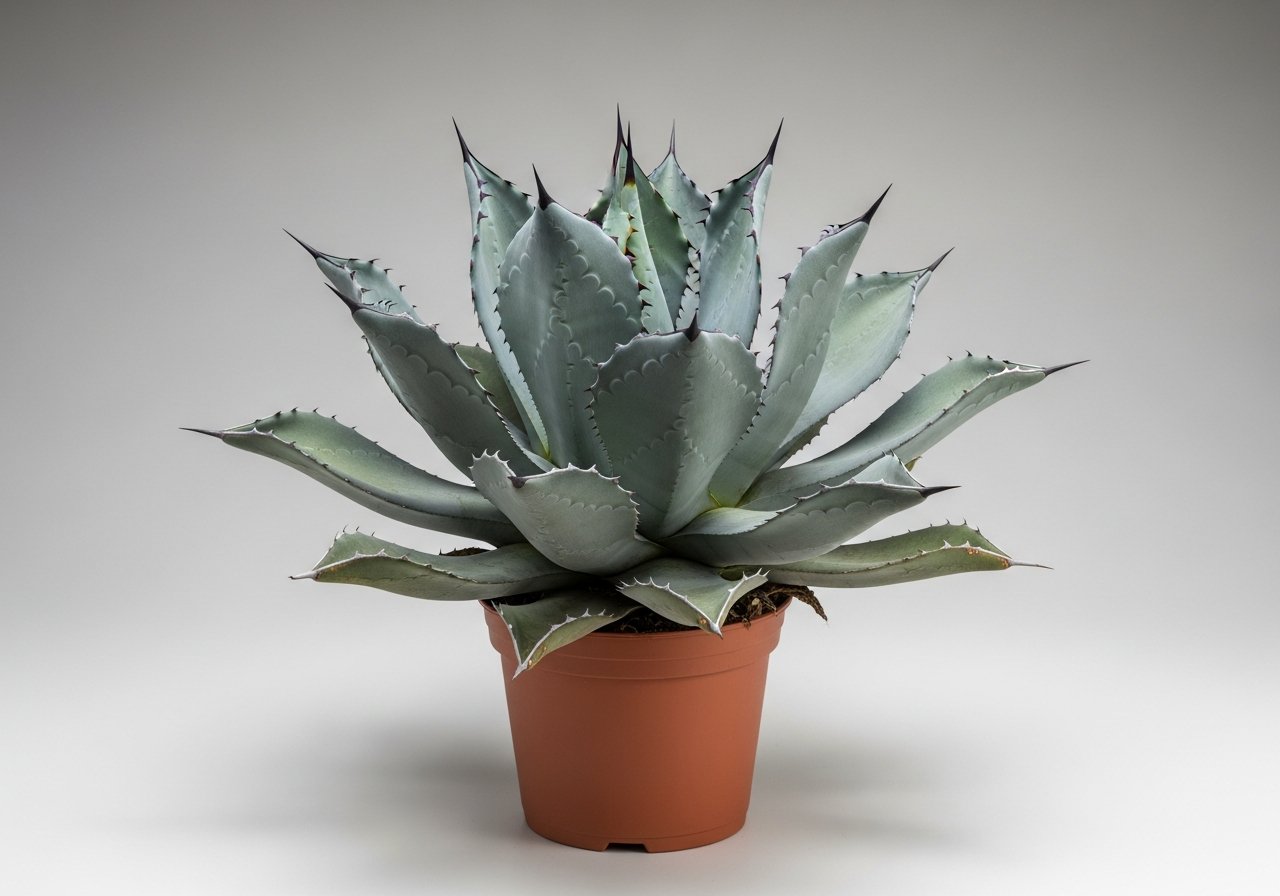
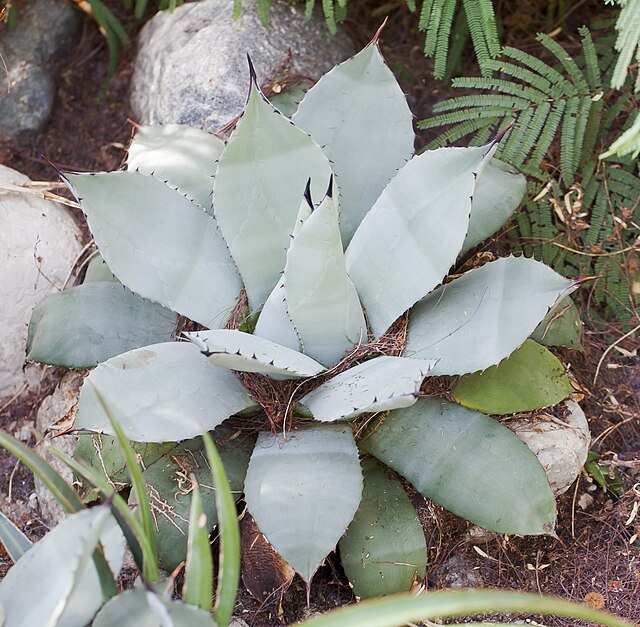
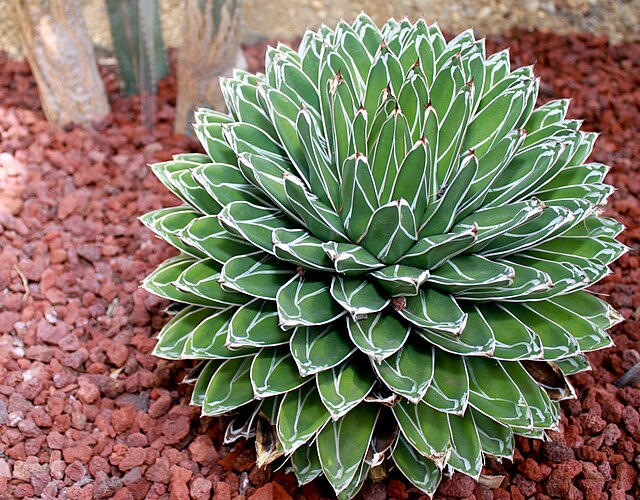
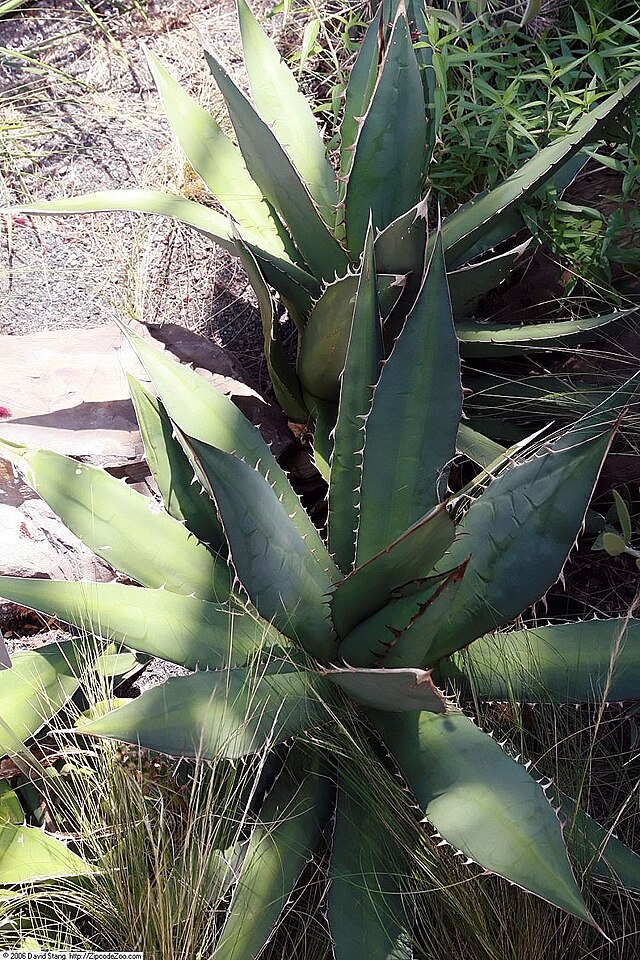
When growing Agaves, you encounter notations like "Agave titanota," "Agave oteroi," and "FO-076" on labels or vendor sites. Katakana and scientific names mix freely, and the same plant may appear to have different names depending on the source. Here we organize how Agave scientific names work and how to interpret classification, so you can read label information correctly.
Basic Structure of Genus and Species Names
A scientific name uses binomial nomenclature: "genus name + species name." For example, "Agave americana" has Agave as the genus and americana as the species epithet. By convention, the genus name always begins with a capital letter, and the species epithet is lowercase. Cultivated varieties or selected clones may also carry a cultivar name in quotes, while codes like "FO-076" on import tags are not formal scientific names but informal field numbers indicating the collector or distribution route. Confusing these conventions can lead to misidentifying the same species as different, or mistaking different selected clones for the same plant. When a label carries multiple notations, start by identifying the capitalized genus name as an anchor to organize the information clearly.
The main notation types break down as follows:
| Notation Type | Example | Characteristic |
|---|---|---|
| Genus name | Agave | Begins with a capital letter |
| Species epithet | americana | Written in lowercase |
| Cultivar name | In quotes | Applied to cultivated varieties and selected clones |
| Field number (informal code) | FO-076 | Not a formal scientific name; indicates collector or distribution route |
Classification System Changes: From Agavaceae to Asparagaceae
Agave was once classified in its own family, Agavaceae, but recent molecular phylogenetic analysis (DNA-based reassessment of relationships) has led to its reclassification within Asparagaceae, specifically the subfamily Agavoideae. Older references still show Agavaceae, so don't be confused if you encounter both forms. Classification is not fixed but rather a "collection of hypotheses" revised as research advances. Understanding this helps you avoid getting caught up in notation differences across sources. In horticultural practice, the older family names often remain in everyday use; treating formal modern classification and horticultural terminology as coexisting is practical.
Diversity Within the Agave Genus: Subgenera and Groupings
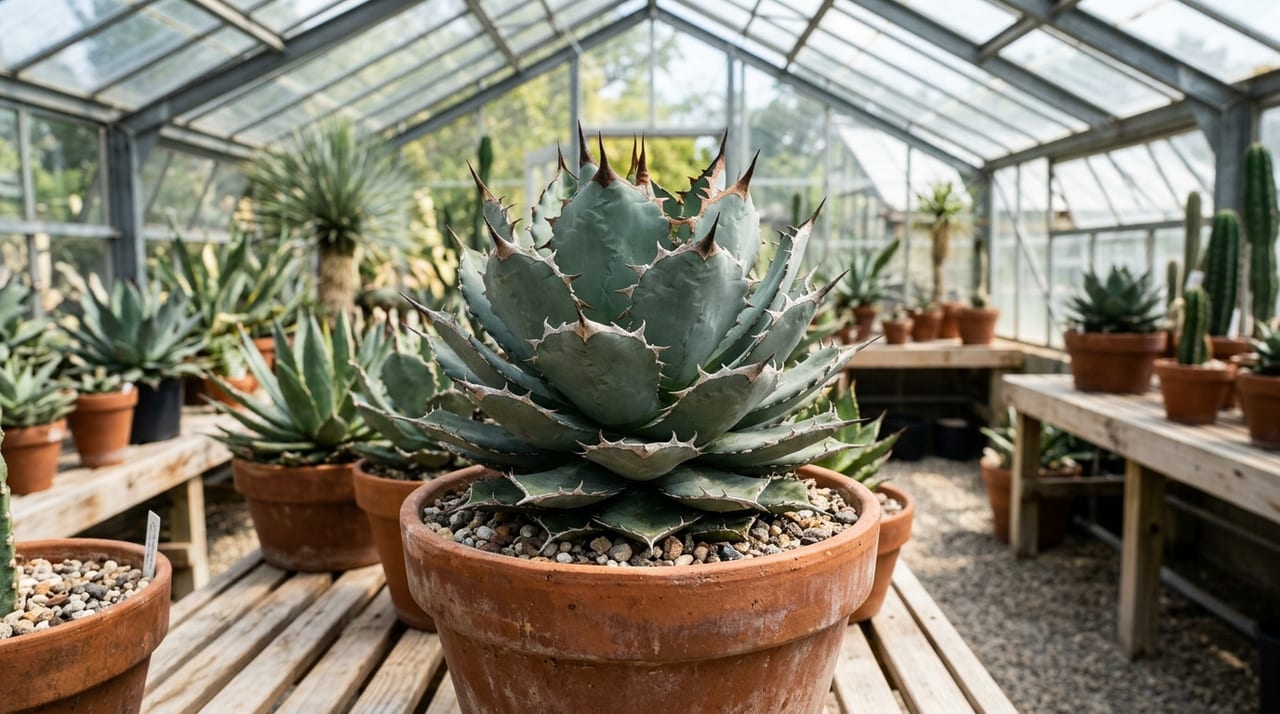
More than 200 species are recognized within Agave alone, showing diverse forms adapted to arid environments. Some researchers treat the large-rosette, thick-leaved group separately from the narrow, linear-leaved group (formerly close to the subgenus Littaea), dividing the genus accordingly. For instance, Agave titanota and Agave obatifolia—large species with distinct rosettes—differ visually from Agave parry with its bluish, broad, densely overlapping leaves, yet all fall within natural variation of the genus Agave. For cultivation, what matters most is not academic taxonomic splits but the hardiness and dormancy patterns inferred from the plant's native climate (aridity level, elevation, minimum temperature); scientific names and native-region data provide clues to this. Species from high-altitude mountain regions generally show greater cold tolerance, while lowland-desert species tend to be cold-sensitive. Consulting scientific names to trace native-habitat information becomes a practical tool for planning winter protection.
Reading Variety Names, Clone Names, and Synonyms
Trade names carry a mix of "scientific names," "common names," "clone names," and "synonyms." A synonym is an older name under which a species was once described but was later found to refer to the same taxon and consolidated. For example, Agave oteroi was described as a new species in 2019 and is considered a close relative of titanota within the same Marginatae group, but how the two are treated under trade names varies by reference. This variation reflects classification as an evolving field; adopting the stance that "no single answer is final" is the practical approach. Clone names (colloquial names like "Moby Dick" or "Caeser") are commercial identifiers below the rank of scientific name, and many are informal—not registered with international plant registration bodies—so naming shifts from producer to producer. Even the same clone may be called by slightly different names depending on origin or seller; comparing images and trait descriptions alongside the name helps prevent misidentification.
Origins of Japanese Common Names and Katakana Renderings
Within Japan, many Agave species have names that are katakana renderings of their scientific names, though some do carry Japanese common names. For example, Agave nickelsiae is called "Ōhi sasanoyuki" (王妃笹の雪), and some species like Agave compacta are accompanied by concurrent Japanese naming. Species with longer cultivation history tend to have deeper common-name adoption. Japanese common names are memorable but can shift by region and era, so making a habit of cross-referencing scientific names when you want precise species identification helps avoid confusion.
Why Knowing Scientific Names Benefits Your Growing
Knowing scientific names and classification has practical value beyond intellectual curiosity. Species within the same genus or closely related groups share cultivation needs (soil, watering, cold tolerance) that you can reasonably infer, making it easier to plan care for newly acquired rare species using information from relatives. Additionally, searching by scientific name often reveals overseas cultivation data and native-habitat environment information inaccessible through Japanese common names or clone names alone. Rather than skimming label notations carelessly, distinguishing genus, species epithet, and cultivar name is unspectacular but essential groundwork for long-term, healthy Agave cultivation. As your collection grows, organizing information by scientific name becomes a practical way to keep collection records clear.