How to Grow Agave ovatifolia | The Charm of Large Rosettes Known as Whale's Tongue and Cultivation Management
An explanation of how to grow Agave ovatifolia (Whale's Tongue), characterized by thick, wide leaves. We introduce everything from light, soil, and cold tolerance to management points for training large rosettes into beautiful forms.
Key Takeaways
An explanation of how to grow Agave ovatifolia (Whale's Tongue), characterized by thick, wide leaves. We introduce everything from light, soil, and cold tolerance to management points for training large rosettes into beautiful forms.
Related Species
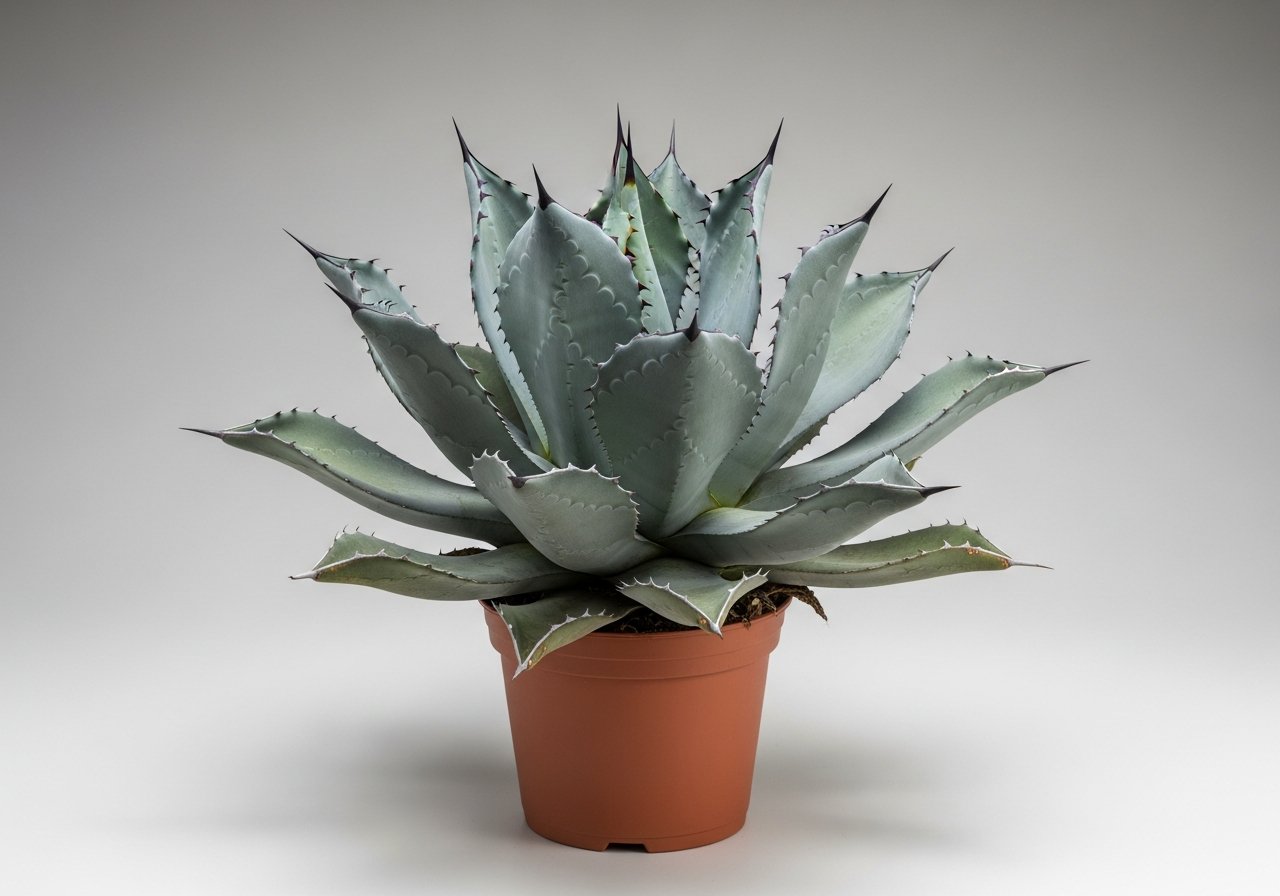
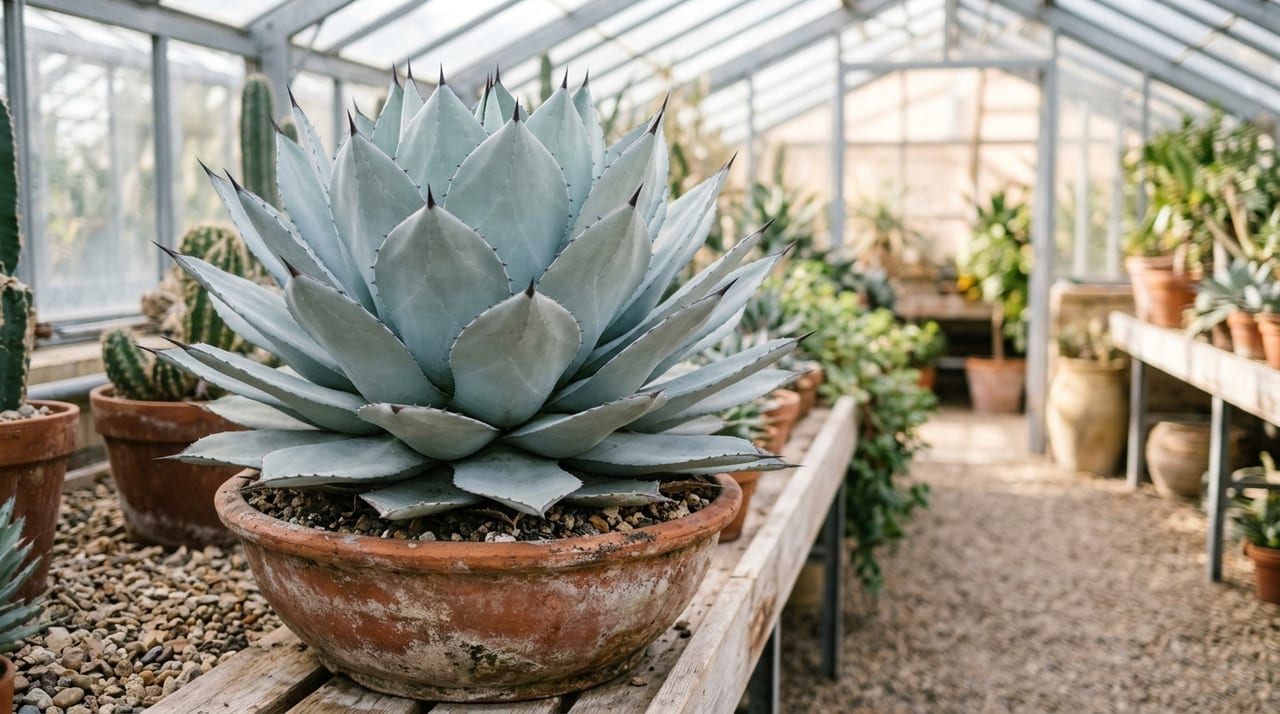
Agave ovatifolia (Agave ovatifolia) is a large agave species native to the arid mountainous regions of northeastern Mexico. True to its English name "Whale's Tongue" (whale's tongue), it is characterized by wide, thick, softly rounded leaves and forms an elegant silver-blue rosette distinct from varieties like Titanota and Horrida, which feature prominent sharp serrations. Mature plants can exceed one meter in diameter, making them striking focal points whether grown in pots or planted in the ground. Interest among collectors and enthusiasts has grown in recent years, and GrowerDirect occasionally features carefully cultivated specimens offered by growers.
Basic Characteristics and Leaf Color Appeal
The most distinctive feature of ovatifolia is its bluish-white, powdery (glaucous) leaf color. The leaves are thick and have good flexibility, with fine serrations along the leaf margins, and the terminal spine at the leaf tip has a firm, hard quality. However, compared to varieties like Titanota with pronounced serrations, the overall impression is more refined, and the sculptural beauty of the rosette created by its softly rounded silhouette is unique to this species.
Leaf color varies significantly between individual plants, with specimens displaying a more silvery, whitish-blue being particularly popular. Additionally, leaf color changes with light levels and season, and plants managed under strong sunlight show increasingly vibrant coloration, allowing growers to enjoy the cultivation process itself. Growth is relatively slow, and the ability to observe plant changes over years is another one of this species' charms.
Light Management and Placement
Agave ovatifolia is a sun-loving plant. By providing strong direct sunlight outdoors, leaves become compact and maintain beautiful silver-blue coloration. Insufficient light causes leaf color to fade to a dull green and the entire rosette to appear elongated, so management in a bright, sunny location is essential.
When growing indoors, choose a location with adequate light, such as a south-facing windowsill. In many cases, light through windows alone is insufficient, so supplementary plant growth lights are a viable option. The most effective management cycle involves outdoor placement as the norm, bringing plants indoors only during freezing or extended rainy periods. When leaves are coated with white powder (bloom), avoid misting and water the soil directly instead to minimize powder loss and maintain the plant's appearance.
Soil, Watering, and Fertilization
Prioritize well-draining soil above all else. Mix commercial cactus and succulent potting soil with added perlite or pumice for improved drainage. Layering the pot bottom with drainage material further enhances drainage. Terracotta and unglazed clay pots offer high breathability and help prevent excess moisture, making them well-suited for agave cultivation.
Watering rhythm should vary seasonally.
- Spring through fall (growing season): Water thoroughly until water drains from the bottom once the soil has completely dried out
- Winter (when dormancy intensifies): Reduce watering frequency significantly and maintain the soil on the dry side
- Immediately after repotting: Hold back on watering for 1–2 weeks until roots are established, and allow the plant to rest in a location away from direct sunlight
Because thick leaves store water, the risk of overwatering and root rot is more serious than drought stress. Adhering to the "water thoroughly after drying out completely" rhythm is fundamental to long-term healthy growth. During the growing season, apply diluted liquid fertilizer only about once or twice per month to prevent excessive growth from overfeeding.
Cold Tolerance and Overwintering Outdoors
Agave ovatifolia is recognized as one of the most cold-tolerant agave species. It can tolerate sub-freezing temperatures to some degree, and some growers successfully overwinter plants outdoors in the ground depending on region and individual plants. However, cold tolerance varies between individual plants and growing conditions, so I recommend proceeding cautiously when attempting outdoor overwintering for the first time.
The greatest risk in outdoor overwintering is not cold itself, but winter moisture. In areas with heavy rainfall or snow, simply placing plants under eaves or under a clear plastic cover away from direct rain can greatly reduce problems. When planted in the ground, choosing well-draining soil is key to success. Potted specimens can be managed more flexibly by bringing them indoors or to a frost-free location as needed.
Repotting and Propagation
The best time to repot is spring through early summer when growth is most active. Once roots have reached the pot bottom, move the plant to a container one size larger. Gently loosen the root ball, remove darkened or damaged roots, then plant in fresh soil. After repotting, allow the plant to rest in bright shade away from direct sunlight for a few days to facilitate smooth establishment. Because this species grows large, choosing heavy terracotta or clay pots improves stability and reduces tipping risk.
Regarding propagation, ovatifolia produces offsets (pups) less readily than other agaves. When offsets appear, allow them to reach a reasonable size before separating from the parent plant, let the cut surface dry, then pot in fresh soil. Propagation from seed is also possible, but agaves are monocarpic plants, meaning the flowering parent dies after fruiting. If you wish to collect seeds, careful attention to flowering timing is essential.
Pests, Diseases, and Daily Care Tips
Although relatively hardy, this species can be affected by thrips and scale insects. The leaf bases and gaps between closely overlapping leaves are common hiding spots for pests, so establish a habit of regularly checking the upper and lower leaf surfaces. Early intervention when pests are discovered is key to preventing damage. When using pesticides, always verify that they are registered for your target plant (ornamental flowers or houseplants) before application.
Among disease issues, root rot from overwatering is most serious. If you notice the leaf base softening or turning black, remove the plant from the pot and inspect the roots. Remove damaged or rotted root tissue and stem portions with a clean knife, allow the cut surfaces to dry thoroughly, then repot in fresh soil.
In daily maintenance, regularly removing dead lower leaves keeps the rosette in good condition. The terminal spines at the leaf tips are sharp and can cause injury to eyes and skin, so wearing thick gloves during care work is strongly recommended. When purchasing specimens offered through GrowerDirect, avoid exposing newly arrived plants to direct sunlight immediately. Instead, acclimate them in bright shade for a few days before moving to their permanent location to minimize stress from environmental change.