Agave Purchase Guide: Understanding the Differences Between Seedlings, Imports, and Offsets and How to Choose
Key points when purchasing agave. We explain the merits and demerits of seedling plants, imported plants, and offsets, how to identify plants in good condition, appropriate price ranges, and tips for managing root development.
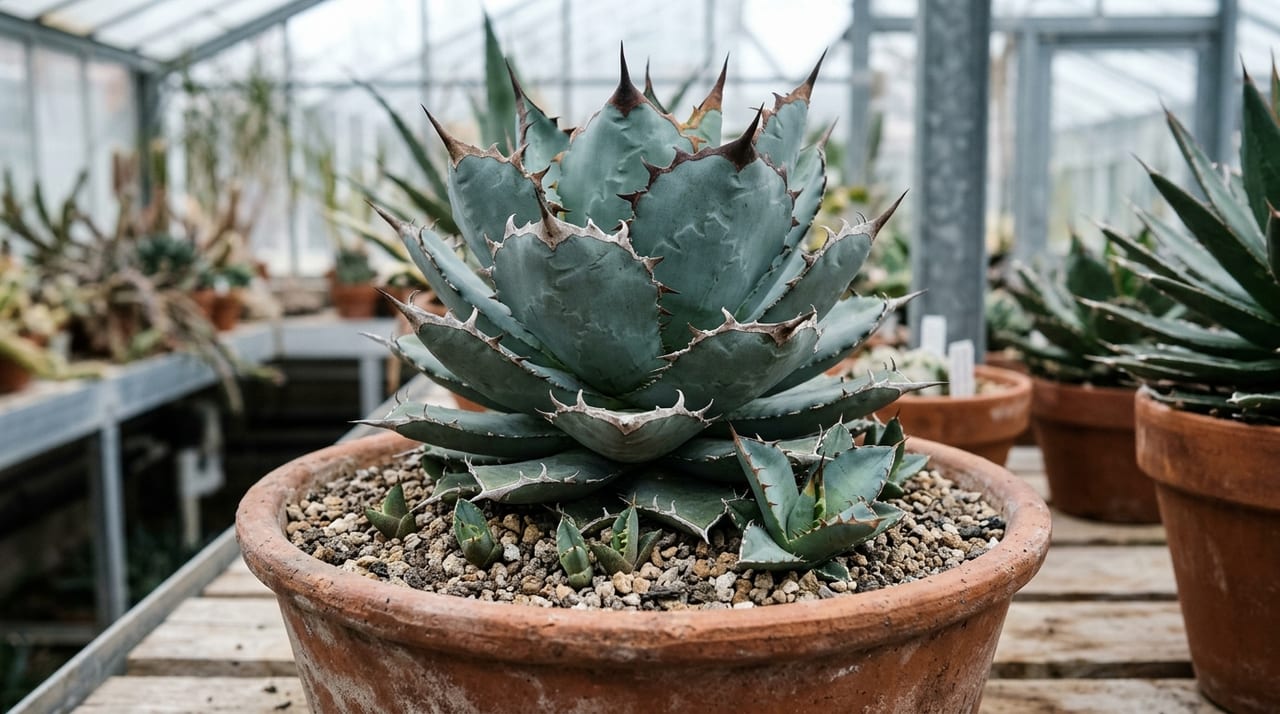
Key Takeaways
Key points when purchasing agave. We explain the merits and demerits of seedling plants, imported plants, and offsets, how to identify plants in good condition, appropriate price ranges, and tips for managing root development.
Related Species
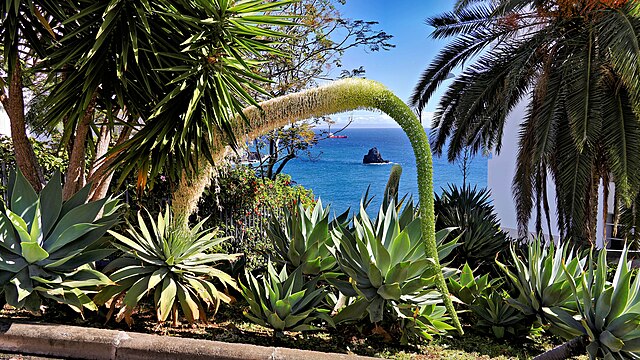
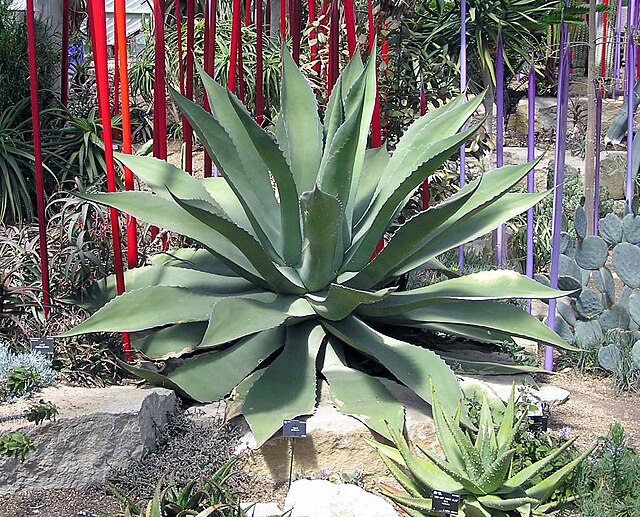
Agave has become an explosively popular succulent plant in recent years, with the market particularly thriving around titanota (otheroi). As distribution volume increases, quality variation has become more pronounced, making careful selection at the time of purchase increasingly important. This article provides a systematic and easy-to-understand explanation of knowledge needed to avoid failure when purchasing agave, taking into account 2026 market trends, even for beginners.
Comparing the Characteristics of Seedlings, Imports, and Offsets
There are three main distribution forms of agave. Understanding the characteristics of each and their suitability or unsuitability is the first step in purchasing.
Seedlings (plants grown from seed) are plants cultivated from seed within Japan. The greatest advantage is that the roots are well-established and can be grown immediately after purchase, and because they are adapted to Japanese environments, they are also easy to manage. There is the pleasure of gradually growing them from a small size, making them the most recommended option for beginners. However, it is important to understand that the characteristics of the parent plant are not necessarily reproduced, and there can be individual differences even among sibling plants from the same parent.
Imported plants (bare root from overseas) are plants mainly imported from Mexico, Indonesia, Taiwan, and China. The appeal is being able to obtain large, dramatic plants and wild specimens that are difficult to obtain domestically, but since the roots are cut, root development management is necessary. Because characteristics vary greatly depending on the origin and lineage, information about which region the plant is from becomes important. Always confirm that the imported product has passed through official quarantine. Plants brought in through irregular channels carry the risk of pests and disease.
Offsets (pups) are small plants that have separated from the parent plant and are clones with identical genes to the parent. The advantage is that the characteristics of the parent plant are inherited as-is, making it easier to envision the plant's future appearance. However, if roots are sparse, root development management may be necessary. If you can confirm a photo of the parent plant at the time of purchase, the level of confidence increases significantly.
How to Identify Plants in Good Condition | Checklist
When purchasing agave, carefully check the following points. When shopping online, it is also important to ask the seller questions about aspects that cannot be determined from photos alone.
Checking Leaf Condition
- Leaves should be thick and firm to the touch. Abnormally soft leaves indicate overwatering or root rot.
- Leaf color should be uniform with no blackening or brown discoloration.
- Serrations (saw-toothed spines) should be developed according to the variety's natural characteristics.
- Should be cleanly arranged in a rosette shape with tight spacing between leaves (evidence of no etiolation).
- The growth point at the center should be a healthy green color and vibrant.
Checking Root and Base Condition
- Lower leaves should not be excessively dried (natural drying should be only 1–2 leaves).
- There should be no signs of rot or mold at the base.
- The plant should not wobble when gently shaken (evidence that roots are well-established).
- The base should not be abnormally thin, pinched, or discolored.
Five Conditions to Absolutely Avoid
- Leaves are abnormally soft and mushy, as if filled with water.
- The growth point (center of the plant) is blackened or shows signs of rot.
- There are scale insects or white cottony deposits on the undersides of leaves.
- Leaves are unnaturally curled inward (indicates serious dehydration or root problems).
- There is an unpleasant odor (evidence of ongoing root rot).
Appropriate Price Ranges | 2026 Variety-Specific Market Prices
Agave prices fluctuate significantly based on variety, size, lineage, and individual specimen quality. Here is a summary of current market prices for major varieties as of 2026.
Titanota (Otheroi)
| Size/Condition | Price Range |
|---|---|
| Seedling (2–3 cm) | ¥500–2,000 |
| Medium seedling (5–8 cm) | ¥3,000–10,000 |
| Selected seedling (with distinctive characteristics) | ¥10,000–30,000 |
| Named large specimens/parent plants | ¥30,000–100,000+ |
Other Notable Varieties
Agave potatoram (compact succulent): ¥2,000–8,000 Agave ursina (rosette form): ¥3,000–15,000 Agave attenuata (foliage type): ¥1,500–5,000
Main Factors Affecting Price Fluctuations
- Rarity: Newly selected varieties and specimens with limited distribution command higher prices.
- Size and age: Because it takes time to grow large, plants that have reached a certain size are traded at higher prices.
- Lineage: Offspring of renowned parent plants tend to be valued highly.
- Individual specimen quality: Color and spine development vary widely in price even within the same variety depending on appearance.
Initial Management After Purchase Determines Success
To keep purchased agave healthy and growing, handling immediately after arrival is crucial. Imported plants in particular have just passed through phytosanitary inspection and are in a high-stress state.
Care for the First Week After Arrival
- Once removed from the package, place it in a location with filtered light, avoiding sudden environmental changes.
- Do not water for 2–3 days; allow the plant time to acclimate.
- Check if the soil is moist; if it is, wait until repotting to water.
- Check the undersides of leaves and the base for signs of pests or disease.
Timing for Repotting
- Repot 5–7 days after arrival, once the plant has acclimated.
- Remove as much of the existing soil as possible and switch to fresh, well-draining soil.
- If roots are damaged, trim them with scissors and allow the cut surface to dry before planting.
- Withhold water for one week immediately after repotting.
Tips for Long-Term Cultivation | Growing Impressive Agaves
Growing agave to impressive size requires consistent management. Understand the basic annual growth cycle.
Spring (February–May): The Start of the Growing Season
- Once temperatures exceed 10°C, gradually increase watering to promote growth.
- Provide strong sunlight (direct sunlight near a window is ideal).
- Apply diluted liquid fertilizer about once per month.
- As the plant grows, consider upsizing the pot as needed.
Summer (June–August): Pay Attention to Heat Management
- Direct sunlight is fine, but ensure good air circulation to prevent the soil from becoming stagnant.
- Water thoroughly when the soil is dry (though dryness is the norm, summer is an exception).
- Use shade cloth to avoid overly intense afternoon sun.
- Imported plants are prone to weakening during summer; observe especially carefully.
Fall (September–November): A Season of Settling
- As temperatures drop, gradually reduce watering.
- Continuing to provide strong sunlight is the key to bringing out good coloration.
- Hold back on fertilizing (growth slows during this period).
- By month's end, preparations for winter are complete.
Winter (December–January): Dormancy Management
- Nearly cease watering (water lightly once per month at most).
- Ensure temperatures do not drop below 5°C (outdoor plants require protection).
- Provide as much light as possible (no need to restrict in winter as sunlight is weaker).
- Do not apply fertilizer.
By understanding the complete process from selecting plants at the time of purchase through year-round management, you can bring out the beauty of your agave and cultivate it into a healthy specimen to enjoy for years to come. Even beginners can enjoy growing agave if they master the fundamentals.