Agave Price Guide | Market Prices for Titanota and Where to Buy
Explaining typical price ranges for popular agaves like Titanota and Horrida, and price differences between pups, medium plants, and large specimens. We also introduce the differences between Taiwan-sourced and domestic seedlings, and how to choose reliable sellers.
Key Takeaways
Explaining typical price ranges for popular agaves like Titanota and Horrida, and price differences between pups, medium plants, and large specimens. We also introduce the differences between Taiwan-sourced and domestic seedlings, and how to choose reliable sellers.
Agave plants vary greatly in price depending on the variety, size, and individual characteristics. They range widely from seedlings costing just a few hundred yen to rare large specimens exceeding tens of thousands of yen, and without knowing market prices, it can be difficult to even judge whether something is expensive or cheap. Since this is an active trading category on social media and auction sites, understanding the pricing mechanism is the first step to making a successful purchase. This article provides a detailed explanation of the factors that influence agave prices, market price guidelines by variety, and important points to consider when purchasing.
The 6 Factors That Determine Agave Prices
It's not uncommon for agave prices to vary by more than 10 times even within the same variety depending on the individual specimen. So many elements work together to influence the price.
1. Rarity of the Variety
The difference between common varieties widely available on the market and rare hybrids or selected clones held by only a few nurseries and enthusiasts can be substantial. While standard varieties like Titanota are relatively affordable to obtain, well-known selected specimens (for example, clones created by a specific grower) suddenly become much more expensive.
2. Individual Characteristics (Form and Color)
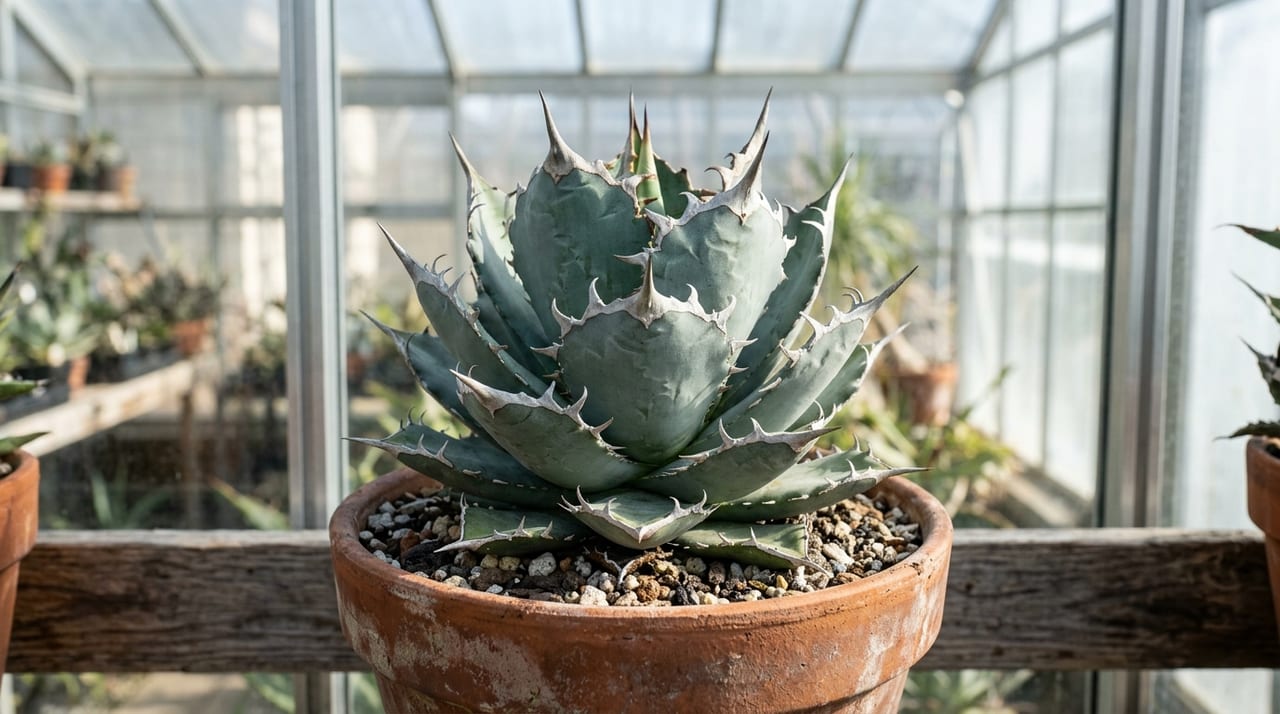
Even within the same variety, evaluation changes greatly depending on the shape and development of the serrations (saw-tooth-like protrusions) and leaf color (white, black, red, bluish-green, etc.). In particular, specimens with characteristics such as "well-formed shape," "prominent bulging at the leaf base (back bulb)," and "large curled serrations" are highly sought by collectors and command premium prices.
3. Size (Pups, Medium Plants, Large Specimens)
Generally, larger plants command higher prices, but with compact varieties, plants that show their characteristic features while remaining small are sometimes preferred. Pups and seedlings are inexpensive, but there's risk in not knowing what the final plant will look like. In contrast, medium to large specimens that already show their characteristic features are more expensive, but offer the advantage of being easier to obtain a plant that matches your expectations.
4. Rooting Status (Bare Root or Already Rooted)
Imported plants often circulate as bare root (without roots or with roots trimmed), requiring rooting management. Plants with established roots command a price premium because they provide the peace of mind of being able to begin growing them immediately after purchase. While bare root plants appear inexpensive, it's important to consider the risk of rooting failure when making your decision.
5. Origin and Provenance
Plants managed and selected by well-known domestic nurseries, or plants long cultivated by renowned enthusiasts, tend to be valued higher at the same variety and size. The provenance of "who grew the plant" has become a brand in the agave market. Information about whether the plant is seedling-derived, tissue culture (TC), or imported also affects the price.
6. Supply and Timing
Market prices fluctuate depending on import timing and domestic propagation conditions. When a particular variety is imported in large quantities, prices fall, and when it becomes difficult to obtain, they spike. Prices tend to skyrocket especially right after becoming trendy on social media, so it's important to observe the market calmly without rushing.
Approximate Price Ranges by Variety
The following is merely a general guideline. Prices vary significantly depending on individual specimens, timing, and seller.
Titanota (Agave titanota)
One of the most popular varieties for agave beginners. With abundant supply and relatively easy availability, seedlings and pups are available at reasonable prices. However, selected specimens with well-developed serrations or large plants from renowned nurseries become significantly more expensive. It's important to confirm not just the name "Titanota" but also what form the specific specimen has.
Horrida (Agave horrida)
A variety equally popular with Japanese enthusiasts as Titanota. Characterized by densely arranged serrations and a robust form, commonly available specimens are relatively affordable, but selected specimens with prominently developed serrations tend to command higher prices.
Oteroi (Agave oteroi)
Popular for its small, compact form, making it suitable for balcony cultivation with limited space. Supply is relatively limited, and quality specimens tend to be pricier, so it's recommended to secure one when you find it.
Utahensis var. Eborispina (Agave utahensis var. eborispina)
In demand due to its high cold-hardiness and adaptation to Japan's climate, but limited supply means quality specimens are often in the higher price range. It's one of the highly collectable varieties.
Other Rare Species and Hybrids
In recent years, hybrid varieties created by domestic enthusiasts have increased, and depending on the grower's reputation and individual characteristics, they can command very high prices. Since market prices haven't been established for many of them, it's important to compare prices among multiple sellers.
Important Points to Consider Before Purchasing
Beware of Price Speculation
On social media and secondhand marketplaces, trending varieties sometimes enter a "speculation" phase where they're traded at prices exceeding their actual value. Prices that spike from temporary trends often settle down eventually, so make a habit of comparing prices across multiple sellers to avoid purchasing hastily at inflated prices.
Understand the Risks of Bare Root Plants
While imported bare root plants appear inexpensive, there's a risk of rooting failure. Beginners are advised to start with already-rooted plants for peace of mind. If you're challenging yourself with bare root rooting, be sure to thoroughly study temperature and humidity management methods beforehand.
Be Cautious of Discrepancies Between Photos and Reality
In online transactions, some photos prioritize appearance, and there can be cases where the actual plant is smaller than expected or has weaker characteristics. We recommend confirming the plant's specific size (leaf width, height, pot size) before purchasing.
GrowerDirect's Safe and Secure System
GrowerDirect offers a platform for purchasing agaves directly from verified domestic growers. Because there are no middlemen, you can often obtain equivalent plants at more reasonable prices.
Why You Can Purchase Confidently on GrowerDirect
- Direct Questions to Sellers: You can confirm beforehand information that photos alone don't show, such as individual characteristics, cultivation history, and rooting status
- Direct Trading with Domestic Growers: You can check the rooting status of each plant with the seller for every listing
- Verified Sellers: The platform verifies sellers, enabling highly trustworthy transactions
- Opportunity to Discover Rare Specimens: A place to encounter carefully cultivated selected plants from enthusiasts and nurseries
When selecting agaves, what matters is purchasing in an environment where you can properly confirm not just the price but also "who grew it" and "what condition it's in." GrowerDirect serves as a place that fulfills both of these needs, and can be utilized by a wide range of agave enthusiasts from beginners to collectors. If you're looking for rare varieties or selected specimens, definitely give it a check.