Complete Guide to Agave Recovery from Root Rot and Stem Rot | Diagnose by Appearance and Practical Rescue Methods
How to rescue an Agave from root rot or stem rot. Remove the roots that have turned blackish-brown and mushy, let the plant dry in the shade for 1–2 days, then repot it in a mix of 5 parts akadama, 3 parts kanuma, and 2 parts perlite. Keep it extremely dry for the first 1–2 months, then water every 7–10 days in months 2–3.
Key Takeaways
How to rescue an Agave from root rot or stem rot. Remove the roots that have turned blackish-brown and mushy, let the plant dry in the shade for 1–2 days, then repot it in a mix of 5 parts akadama, 3 parts kanuma, and 2 parts perlite. Keep it extremely dry for the first 1–2 months, then water every 7–10 days in months 2–3.
Related Species
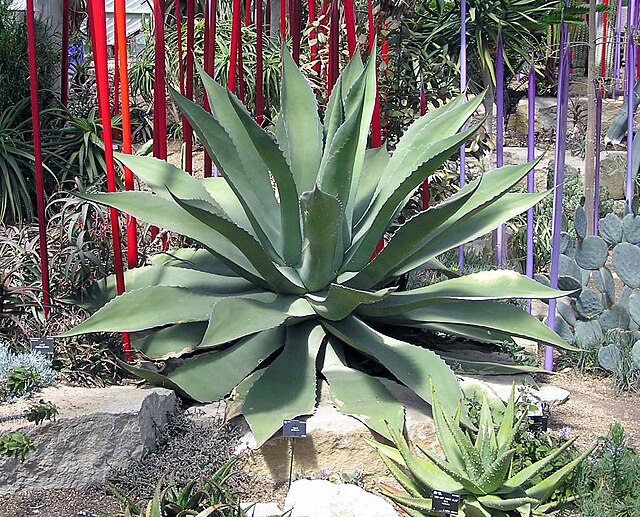
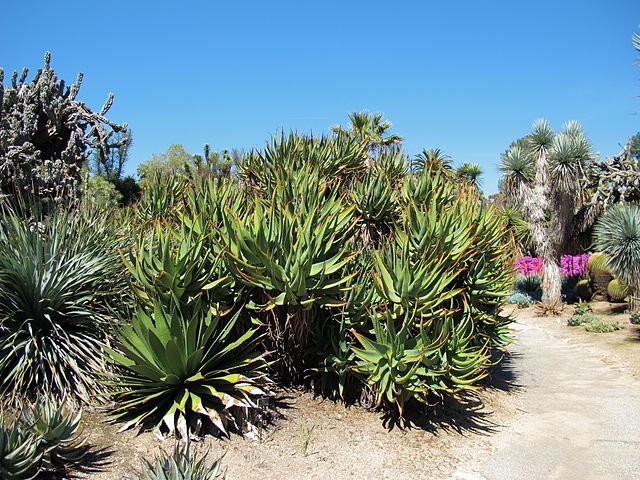
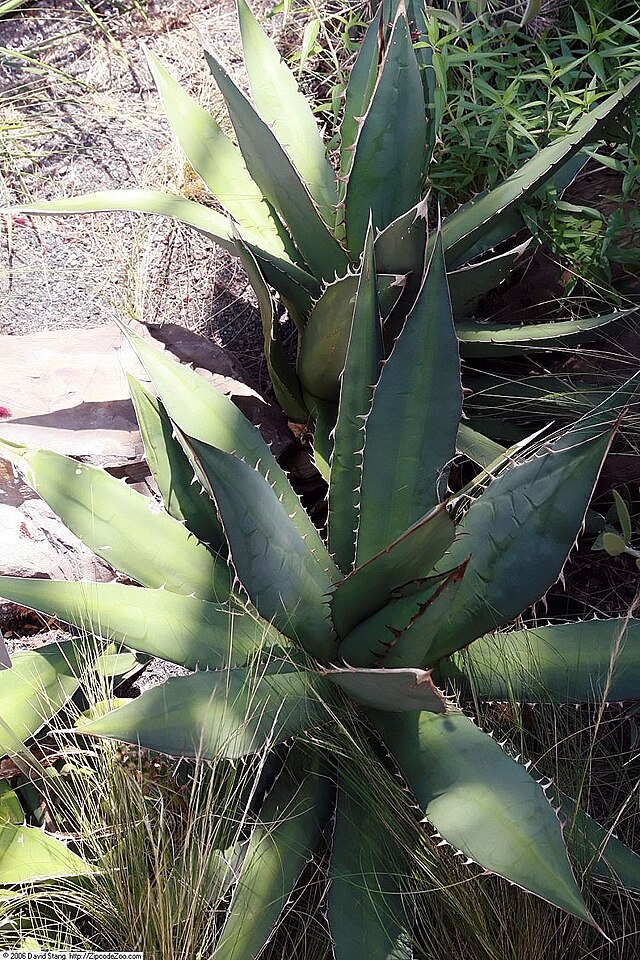
One of the inevitable challenges when cultivating Agave is root rot and stem rot. Especially during the rooting process of bare root stock, inadvertently overwatering or exposure to moisture during the rainy season can quickly lead to root decay. However, the important point is that root rot does not mean the Agave will die. Many species, including Agave titanota, can fully recover from root rot with proper diagnosis and emergency treatment. This guide provides practical techniques in stages, from how to identify root rot to recovery management.
How to Identify Root Rot: Diagnosis by Root Color and Smell
Early detection of signs of root rot determines success or failure in recovery. First, observe the appearance of the plant. It is important to actually remove the plant from the pot and observe the roots. Rotted roots emit a distinctive foul odor. This smell is an important signal indicating decay caused by anaerobic bacteria. Stem rot can similarly be judged by the color of the cut surface. The differences between a healthy state and an advanced rot state are as follows.
| Part | Healthy State | Advanced Rot State |
|---|---|---|
| Leaves | Firm, blue-green color with tension throughout the plant | Soft, becoming mushy with slight moisture |
| Roots | Off-white to light tan, elastic when touched | Black-brown, crumbling into mush when touched with a finger |
| Stem | Slightly off-white in color | Darkened, appearing water-soaked, softened, collapsing when pressed with a finger |
Species with thinner stems, such as Agave horrida and Agave potatorum, carry higher risk of stem rot and require special attention.
Emergency Treatment 1: Remove Rotted Portions as Much as Possible
When root rot or stem rot is confirmed, first thoroughly remove all rotted portions. For roots, gently rub by hand to remove all blackened, decayed parts. Continue removing until only bright, off-white roots remain. Do not hesitate. If even slightly rotted roots remain, they may rot again during the recovery process. For stem rot, use a clean knife or cutter to scrape away the rotted section. Continue until healthy tissue is exposed. The cross-section of the stem after cutting appears somewhat dry in color. Disinfect the knife with alcohol each time to prevent cross-contamination of pathogens. After removal, allow the entire plant to air-dry in a well-ventilated location for 1 to 2 days. During this drying process, new cells at the cut surface slightly harden and defense mechanisms begin to activate.
Emergency Treatment 2: Repot in Fresh Soil
After removing rotted portions, repot into fresh soil. The critical point here is to always use new soil. Previously used soil may harbor decay-causing fungi. The soil composition should have even higher drainage than normal Agave cultivation. The guideline is as follows.
- Red ball soil (small grain) 50%
- Kanuma soil (small grain) 30%
- Perlite or vermiculite 20%
Since there are few old roots, fine soil particles are also important. Avoid large-grain red ball soil. For the new pot, ideally purchase new or use one that was high-temperature sterilized before previous use. For pot size, when roots are nearly absent, a size one step smaller than usual is the guideline. For promoting root regeneration, slight tightness actually becomes an advantage. Do not water immediately after repotting. To avoid the risk of roots rotting again, maintain a completely dry state for one week.
Recovery Management Phase 1: Ultra-Dry Management (1–2 Months)
For the first 1 to 2 months of recovery from root rot, ultra-dry management is key. At this stage, the plant has either completely lost its roots or has extremely few roots. The energy to produce new roots comes only from energy stored in the stem and leaves. Watering should be avoided as much as possible during this phase. A visibly wet soil state is strictly forbidden. Observe the entire plant, and if slight wilting begins to appear, only mist the leaves lightly with a spray bottle. Water absorption through leaves is less efficient than through roots, but prevents complete desiccation. The management location during this period should be well-ventilated with adequate light. Excessively strong light will cause wilting to progress quickly, but lack of light will delay new root emergence. Agave victoria-reginae and other species with beautiful leaves need only partial shade during this period. A temperature of 15–20°C is ideal. High temperatures accelerate transpiration, while low temperatures slow root regeneration. During this phase, determining whether new roots have started to appear can only be judged by observing the plant's condition. If slight firmness returns and leaves show elasticity even under light pressure, this is a sign that roots have begun to activate.
Recovery Management Phase 2: Limited Watering (2–3 Months)
Once new roots begin to appear, finally begin limited watering. However, during this period too, "less" and "brief" remain the golden rule. Aim for about 50% of the frequency of normal Agave cultivation. Specifically, apply water every 7 to 10 days, enough to moisten the top 1 cm of soil. Avoid a state where the entire soil is wet. Since roots are not yet fully developed, excess moisture quickly leads to decay. During this period, observe the plant weekly and check leaf firmness. If new leaves begin to emerge and the color deepens, this is a sign that root regeneration is progressing. Conversely, if leaves yellow or wilting progresses, there may be some problem (low temperature, pathogen recurrence, fertilizer burn, etc.). Fertilizer can be given starting this period at a low concentration of diluted liquid fertilizer (N-P-K = 5-10-10 approx.) once per month. However, because roots are weak, always be mindful of the risk of fertilizer burn. Avoid excess fertilizer.
Recovery Management Phase 3: Transition to Normal Care (3 Months and Beyond)
After 3 months have passed, multiple new leaves have emerged, and firmness has returned to the entire plant, transition to normal Agave care. At this stage, the root system has largely regenerated, with new roots spreading throughout the soil. Gradually increase watering frequency. From spring to fall, water when 3 to 5 days have passed since the soil dried out, applying until water flows from the bottom of the pot. In winter, extend the drying period further. From this point on, regular fertilization can resume. In spring and fall, apply slow-release fertilizer (N-P-K = 10-10-10 approx.). Because new roots are sufficiently active, the risk of fertilizer burn has decreased significantly. For large species, this is the point at which you can finally consider repotting into a normal-sized pot. However, since roots may not yet be completely developed, it is recommended to mix 20–30% of the original soil and gradually transition to the normal composition.
Disease and Pest Concerns During Recovery Management
The risk of disease and pests increases during the recovery process from root rot. Particular attention should be paid to gray mold and soft rot disease. These tend to develop on damaged stems or in high-humidity environments. Pay attention to daytime ventilation and avoid nighttime condensation. If gray mold develops, remove the affected area and use a fungicide registered for gray mold on flowering plants and foliage plants, following the dilution ratio and usage directions on the label. Pests also tend to target weakened plants. Regularly observe whether thrips or scale insects are attached to the plant. If found, remove by hand or wipe with diluted soapy water.
Root Rot Prevention: Lessons for Future Cultivation
After recovering from root rot, prevention is paramount. Apply what you learned during the recovery process to your future cultivation. First, exercise meticulous care with watering timing. Especially during the rooting process of bare root stock, the old theory that "do not water until roots emerge" does not always apply depending on conditions. Rather, maintaining soil moisture at a point midway between wet and dry promotes rooting. Pay attention to soil texture and observe daily. Also regularly check soil drainage properties. In autumn each year, replace the top 1–2 cm of soil with new, high-drainage soil to improve year-round drainage. This is especially important for species prone to rot such as Agave horrida and Agave potatorum. Also clean the pot's drainage holes once per year. If drainage holes are clogged, soil becomes wetter more easily, raising the risk of root rot. Finally, during the rainy season and fall rainy season, it is recommended to preemptively strengthen ventilation and place pots in elevated positions to avoid excess moisture.