Complete Guide to Choosing Agave Pots & Containers | Materials, Size, and Drainage
Comparing Prestera, black plastic pots, ceramics, and terracotta; explaining size selection and the necessity of pot base materials.
Key Takeaways
Comparing Prestera, black plastic pots, ceramics, and terracotta; explaining size selection and the necessity of pot base materials.
Related Species
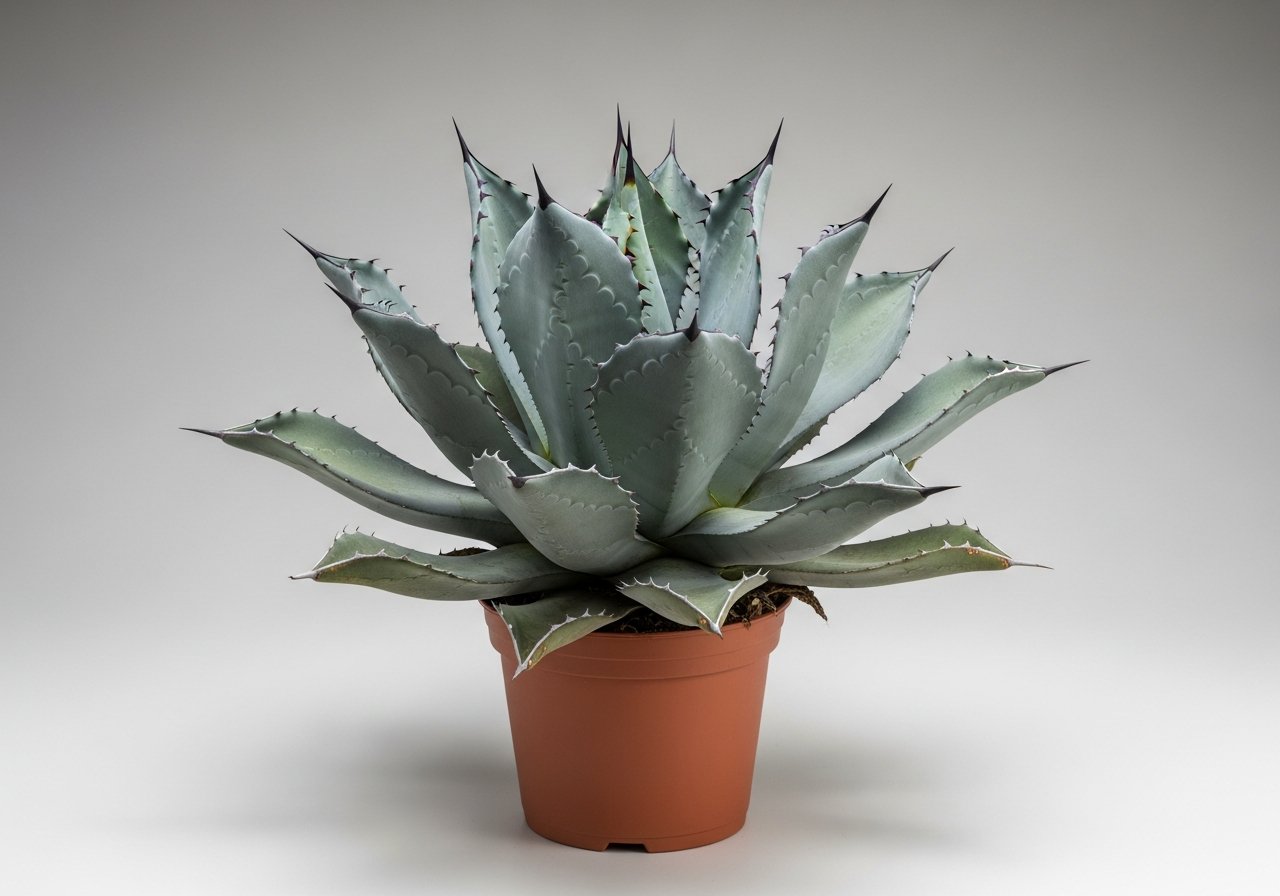
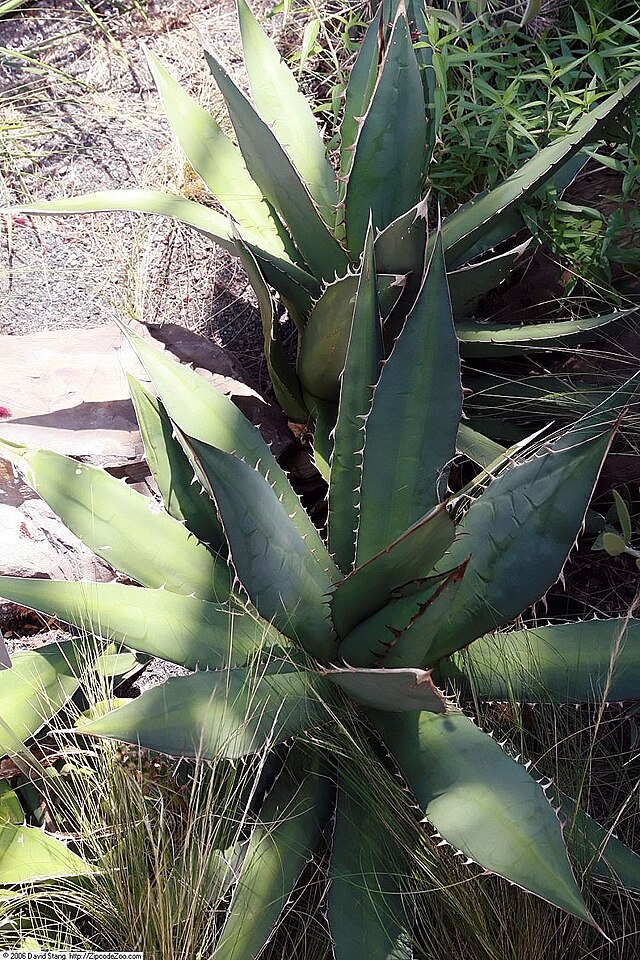
In agave cultivation, choosing the right pot is just as important as selecting the right soil. By choosing an appropriate pot, the roots remain healthy and help maintain a beautiful form. Conversely, choosing the wrong pot can lead to root rot from excessive moisture or stunted growth from root binding. This article comprehensively covers everything from material characteristics, size selection methods, to techniques for maximizing drainage.
The Ideal Pot Conditions for Agave
Let's organize the conditions a pot needs for healthy agave growth.
- Drainage is the top priority: As a plant from arid regions, agave hates excessive moisture the most. Adequate drainage holes at the bottom and a structure where water drains smoothly are absolute requirements
- Moderate aeration: When air circulates through the pot material, it promotes root respiration and leads to healthy growth
- Stability: As the plant grows, its leaves spread and the center of gravity rises, so a stable, tip-resistant pot is necessary
- Root growth space: Agave roots are surprisingly vigorous. Ensure sufficient depth and width
- Black is advantageous: Black pots absorb sunlight and raise the internal pot temperature, promoting root growth
Pot Material Characteristics and Comparison
Prestera (Slit pots)
- Greatest feature: Slits on the bottom and sides provide excellent drainage and aeration. The most popular pot among agave growers
- Air pruning effect: Roots emerging from the slits stop when exposed to outside air, and fine roots develop within the pot. Preventing root circling is a major advantage
- Value for money: Very affordable at tens to 100 yen per pot. Available from size 90 to 150
- Drawback: Low aesthetic design, so it's standard practice to treat it as a growing pot and place it in a decorative cover pot for display
Black plastic pots (Mini-orchid pots, mum pots)
- Features: Deep pots that allow roots to spread well. The black color easily raises the internal pot temperature, promoting agave growth
- Drainage: Bottom holes are 1–3, so drainage is not as excellent as Prestera. Adding pot base materials is the standard way to compensate
- Size range: Widely available from size 2 to 8 and above, suitable for small seedlings to large specimens
Terracotta pots
- Greatest merit: The material itself absorbs and evaporates moisture, making the soil dry quickly. A reassuring material for beginners worried about overwatering
- Aeration: Air flows through the entire wall surface, so the root respiration environment is the best
- Drawbacks: Heavy, fragile, and expensive. In the height of summer outdoors, it can dry out too much
Ceramic pots (Glazed) & Artist pots
- Features: High aesthetic design, perfect as "display pots". Artist pots come in a wide price range from 5,000 to 30,000 yen and above
- Important note: Glazed pots have virtually no aeration. Always check for drainage holes
- Recommended use: Grow with functional Prestera, then repot the finished plant into a ceramic pot. This separation of uses is practical
Cement & Concrete pots
- Features: Modern, stylish appearance pairs well with agave's austere form
- Important note: New pots may be strongly alkaline, so soaking in water before use to remove alkali is necessary
- Weight: Heavy, so excellent stability for large specimens, but moving is difficult. Think carefully about placement before using
Specific Size Selection Criteria
Agave pot size selection has clear criteria. Choosing the appropriate size allows for both healthy roots and a beautiful form.
- Basic rule: Choose a pot with a diameter equal to or 1–2 cm larger than the plant diameter. Oversized pots keep soil wet and increase root rot risk
- Depth guideline: Approximately 1–1.5 times the pot diameter. Since agave extends thick roots downward, slightly deeper pots are appropriate
- Offshoots & seedlings: Size 2–3 Prestera. Since repotting is frequent, prioritize cost
- Medium specimens (diameter 10–20 cm): Size 4–5 pot. During vigorous growth periods, allowing slightly more space is fine
- Large specimens (diameter 20 cm and above): Size 6 or larger. Consider ceramic or concrete pots for stability. For varieties like Agave titanota and Agave obatifolia that spread wide leaves and raise the center of gravity high, choosing a heavier pot specifically for tipping prevention provides peace of mind
- Repotting frequency: Basically once every 1–2 years. When roots begin circling, move to a pot one size larger. The key is to increase size gradually one size at a time, not jumping to a much larger size all at once
Techniques to Maximize Drainage
Here are practical techniques to further enhance pot drainage.
- Use of pot base materials: Laying 1–3 cm of pumice or large-particle perlite at the bottom improves drainage efficiency
- Adding drainage holes: You can drill 3–5 additional holes in the bottom of plastic pots
- Double-pot method: Placing a Prestera growing pot in a decorative pot allows you to achieve both aesthetics and function
- Combination with soil: No matter how well-draining a pot is, using high water-retention soil defeats the purpose. Combining with well-draining soil centered on akadama, pumice, and Hyuga soil is a prerequisite
- Tilting the pot: Placing a small stone under the pot to tilt it slightly prevents water from pooling near the drainage hole
Tips for Pot Purchasing and Management
Treat pots as consumables and keep plenty of stock of Prestera and black plastic pots for cultivation. This allows immediate response during repotting and flexible sizing up. Since artist and ceramic pots are often one-of-a-kind, I recommend acquiring them promptly when you find ones you like at events or online shops.
The Effect of Pot Color on Plant Health
Often overlooked, pot color affects plant management. Black plastic pots can absorb summer sunlight and reach internal temperatures above 50°C, potentially damaging roots. You can counteract this by choosing white or light-colored pots, or using a pot cover to block direct sunlight.
Conversely, in winter, black pots absorb solar heat and maintain higher internal temperatures, a beneficial effect. Considering the year-round picture, white to gray-toned pots are the most balanced choice.
For those particular about appearance, another recommended technique is using functional slit pots as-is while placing a design-focused ceramic or concrete pot as a cover on the outside. You can secure both functionality and interior appeal without sacrificing aeration and drainage—a practical technique.
Preparing Pots When Getting Quality Plants from GrowerDirect
Choosing an agave pot is not merely selecting a container but is central to building a cultivation environment. During the growth stage, leverage Prestera's functionality; for finished plants, use artist or ceramic pots for display. This separation of uses is mainstream among agave enthusiasts. At GrowerDirect, you can purchase quality plants directly from trusted agave specialists, and the ability to consult directly about pots and soil to match plant size is also a reassuring point.