How to Handle Agave Leaf Damage, Sunburn, and Breakage | Tips for Maintaining Beautiful Plant Form
Learn how to treat agave leaf sunburn, physical damage, and breakage. This guide covers prevention strategies to minimize damage, methods for handling affected leaves, and management tips for maintaining a beautiful plant form.
Key Takeaways
Learn how to treat agave leaf sunburn, physical damage, and breakage. This guide covers prevention strategies to minimize damage, methods for handling affected leaves, and management tips for maintaining a beautiful plant form.
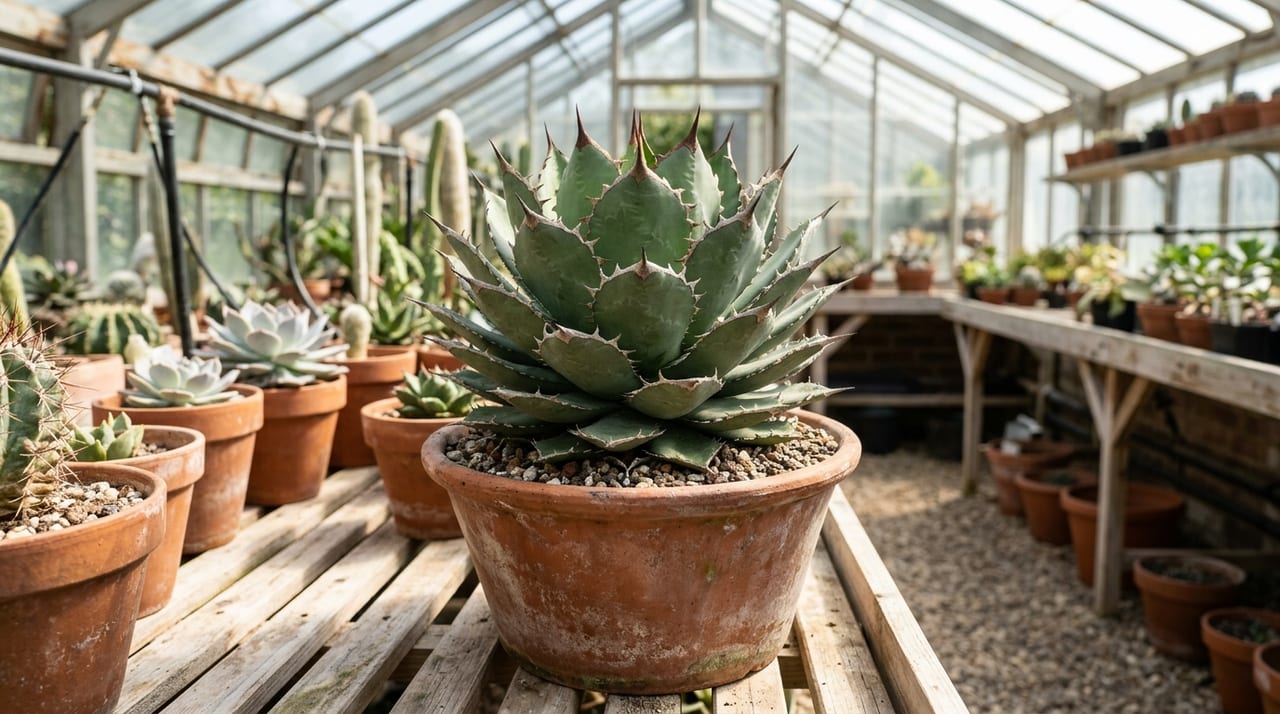
The charm of agave lies in its strong and well-arranged leaf form. Its sharp spines and symmetrically spreading rosette shape command a striking presence. However, in the course of cultivation, it is difficult to completely avoid damage such as leaf sunburn, physical damage, breakage, and insect feeding. Damaged leaves cannot be restored to their original state, but with proper treatment and preventive care, it is entirely possible to maintain a beautiful plant form over the long term. This article explains in detail the causes, treatments, and prevention strategies for common agave leaf problems.
Causes of Leaf Sunburn and Proper Treatment
Leaf sunburn is the most frequent type of damage in agave cultivation. It tends to occur when a plant managed indoors is suddenly moved to direct sunlight outdoors, when placed in an environment where intense western sun exposure lasts for extended periods, or when sunlight suddenly intensifies shortly after the rainy season ends.
The sunburned portions turn white to brown and become discolored. Since the cells have died, they will not recover. When mild, it is merely an aesthetic issue, but extensive sunburn across the entire plant severely reduces photosynthetic capacity and leads to weakening of the plant.
Approach to Treatment
- If the burned portion is only a small part, the basic approach is to leave it as is without forcibly cutting it away and wait for new leaves to develop
- If scorch marks are concentrated on old outer leaves, remove them after they naturally dry up
- If scorch marks are extensive and the appearance is a concern, use clean scissors to neatly trim while minimizing the wound
Prevention Tips
Acclimation during environmental transitions is the most important preventive measure. When moving from indoors to outdoors, start in bright shade first, then gradually acclimate to direct sunlight over 1–2 weeks. If using a shade cloth, use one with 30–50% shading rate and increase light gradually for easier management. During summer, be mindful of positioning on east to south-facing sides where western sun does not reach.
Treatment for Physical Damage and Abrasions
Damage such as cuts and scrapes can occur when a pot collides with another pot or wall during transport, when a pot tips over and a leaf scrapes the ground, or when pruning scissors or other tools make contact.
Agave leaf wounds cork over with time and leave brown marks. While this affects the appearance, the wound itself rarely threatens plant health. However, if the wound is large, it can become an entry point for harmful bacteria and pathogens, requiring proper treatment.
Steps for Treating Wounds
- Gently press the wound with a clean, dry cloth or tissue paper to remove excess moisture and dirt
- Thinly apply a disinfectant (Topsin M paste or sulfur powder)
- For a while, keep water away from the wound and allow it to dry in a well-ventilated environment
- Until recovery, avoid direct sunlight and reduce unnecessary stress to the plant
If a thorn tip breaks, it will not regenerate. If it bothers you, you may neatly trim the shape with clean scissors. However, unnecessary cutting increases the number of wounds, so keep processing to a minimum.
Removing and Processing Broken Leaves
A leaf can break at the base due to strong wind, a fall, or careless handling. Unfortunately, a broken leaf cannot recover, and if left alone, it will rot and may adversely affect adjacent leaves and the entire plant. Early treatment is important.
Steps for Removal
- Prepare a clean, sharp knife or cutter and disinfect the blade with alcohol
- Cut the broken leaf as flatly as possible at the base (do not leave a jagged cut)
- Apply a disinfectant to the cut surface to prevent bacterial invasion
- After removal, allow the plant to dry in a well-ventilated shaded area for 1–2 days before returning to normal care
As long as the growing point (center of the plant) is intact, agave will continue to develop new leaves even if a few outer leaves are lost. To maintain balance across the entire plant, make it a habit to tidy up unnecessary leaves early.
If the growing point is damaged, it is serious. When the center is injured, new leaf development stops, and in the worst case, the plant may die. When moving or repotting, always prioritize protecting the growing point.
Leaf Damage from Pests and Countermeasures
Leaf damage is not only from physical causes. Feeding damage from pests such as scale insects, thrips, and spider mites is a major factor that damages the appearance of leaves.
Scale insects appear as white, cotton-like clusters at the leaf bases or undersides and cause yellowing and leaf deformation through sap feeding. Thrips create white to silver speckled marks on the leaf surface, significantly damaging appearance. Spider mites thrive in dry environments and cause the entire leaf to look dull.
Treatment and Prevention Tips
- Carefully check the undersides and bases of leaves once a week to catch problems early
- For scale insects, physically remove them with an old toothbrush or cotton swab, then spray with fungicides (such as mineral oil emulsion)
- For thrips and spider mites, combine leaf misting (spray bottle) with insecticides and acaricides
- Avoid overcrowding and maintain a well-ventilated environment as a basic preventive measure
Daily Care for Maintaining a Beautiful Plant Form
Preventing damage before it occurs is the best care. Simply reviewing daily management habits can avoid many problems.
Stable Placement and Handling
For large plants with a high center of gravity, reduce the risk of tipping over by using heavy ceramic or slotted pots. When moving, do not hold the leaves; always carry by holding the pot securely with both hands. When placing multiple pots together, ensure adequate spacing so that leaves do not touch each other. Continuous leaf contact can cause abrasion damage.
Balance in Watering and Fertilizing
Overwatering not only causes root rot but also weakens leaves. Since agave is a drought-tolerant plant, the basic rule is to water only after the soil is completely dry. During the summer growing season, water approximately once a week; in winter, adjust to 1–2 times per month. During the growing season in spring and summer, light application of slow-release fertilizer is sufficient. Overfertilizing softens the leaves and makes them more prone to damage.
Reviewing Soil and Pots Can Also Be Preventive
Though often overlooked, weakening from root rot results in loss of leaf firmness and reduces resistance to damage and disease. If you have been using soil with poor drainage or pots that tend toward overwatering, refer to Agave Pot Selection and Soil Mix Recipe and reconsider building healthy plants from the roots. If you can maintain healthy roots, leaf damage itself becomes less likely to occur.
GrowerDirect's Reliable and Safe System
When purchasing an agave, the condition of the leaves is a very important factor in judging quality. With typical online purchases, it is difficult to confirm the actual condition of the plant in advance, and many people have had the experience of receiving plants with more damage than expected.
At GrowerDirect, you can purchase carefully managed agave directly from specialist growers. Growers pay meticulous attention to plant health in their daily management, and they put thought into packaging during shipment to prevent leaf damage. In most cases, plants are sent with individual protective padding to minimize transport damage risk.
Additionally, before purchasing, you can send a direct message to the grower to ask questions, allowing you to check details of the leaves and damage that are hard to see in photos. It is also possible to request additional photos, giving you peace of mind before making a purchase. If you are looking for a plant with a healthy appearance, definitely use direct communication with growers at GrowerDirect.