2026 Guide to Notable Agave Rare Varieties | Current Market Prices and How to Source
Introducing the rare agave varieties to watch in 2026. This essential guide for collectors covers the latest market prices for Agave titanota selections and hybrid varieties, sourcing methods, and how to identify counterfeits and mislabeled plants.
Key Takeaways
Introducing the rare agave varieties to watch in 2026. This essential guide for collectors covers the latest market prices for Agave titanota selections and hybrid varieties, sourcing methods, and how to identify counterfeits and mislabeled plants.
Related Species
Welcome to the World of Rare Agave Varieties
Agave remains popular as of 2026 with no signs of waning; in fact, the collector base in Japan continues to expand. Led by titanota, the market for selections and hybrid varieties expands year by year, with new named individuals emerging in succession. Meanwhile, price fluctuations and the risks of counterfeits and mislabeled plants are increasing, presenting a difficult situation for those venturing into rare varieties for the first time.
This article provides comprehensive information useful for beginners through intermediate collectors, covering notable varieties and their characteristics as of 2026, realistic market pricing, and how to source them successfully.
Agave Titanota Selections: From Classics to Newcomers
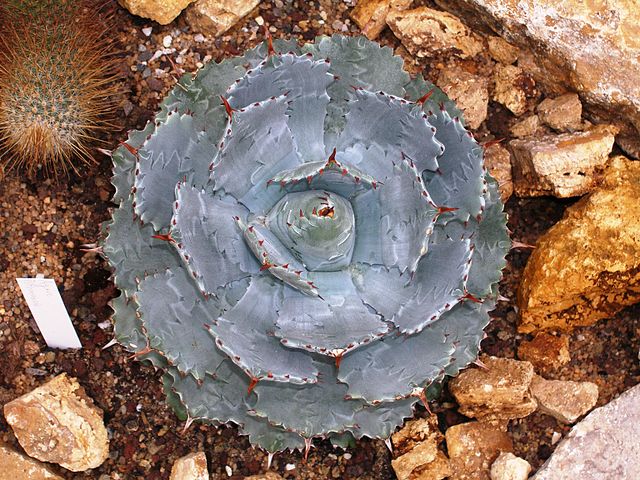
Agave titanota is the most actively traded among agaves. Classic named selections such as White Whale, Black Whale, Princess Dragon, and Caesar continue to enjoy strong popularity, with particularly large parent-stock specimens commanding stable high prices.
Why Domestic Seedling Selections Are Gaining Attention
A major recent trend is the rapid rise of interest in domestically raised seedling selections in addition to selections imported from Taiwan and China. The reasons are clear:
- They are acclimated to Japan's climate, making them easier to manage
- There is no plant quarantine risk on import, so their condition remains stable
- Genetic diversity is high, offering the opportunity to encounter truly unique individuals
Domestic growers' selected specimens are increasingly matching overseas quality, establishing themselves as a domestic brand.
Agave Titanota Price Range (as of 2026)
| Size category | Approximate price range |
|---|---|
| Seedlings and small specimens (leaf width 10 cm or less) | ¥2,000–¥15,000 |
| Medium specimens (leaf width 10–20 cm) | ¥10,000–¥50,000 |
| Large and parent-stock specimens | ¥50,000–several hundred thousand yen |
Other Notable Varieties (2026)
Parryi Group
Agave parryi and related species are popular for their ease of cultivation and distinctive form.
- Agave Parryi Truncata: Characterized by tubular leaves; suitable for beginners
- Agave Shawii (parryi group): Compact, ideal for shelf cultivation
- Agave Deserti: Popular for its desert-like appearance
Isisensis Group
Agave isisensis and related species are characterized by delicate spines and coloration.
- Agave Isisensis 'Snow Cap': Beautiful foliage with a powder-like coating
- Agave Vardigiana (isisensis group): Some individuals display white markings
Other Rare Species
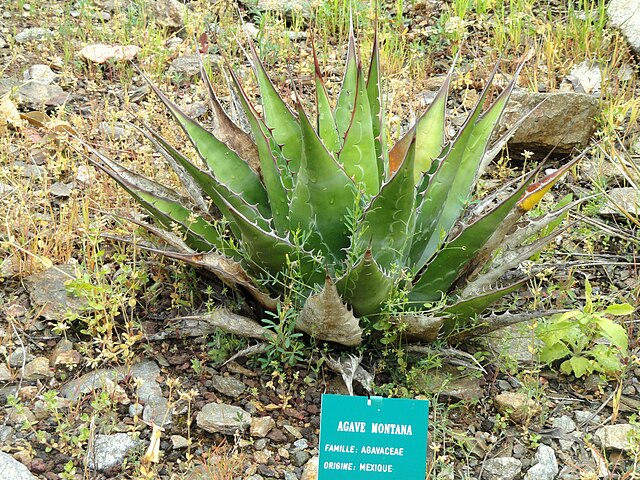
- Agave Montana (North American): Large with a powerful presence
- Agave Karumaram: Distinctive form from the Balkans group
- Agave Dometicolarum 'Kishu Peony': A Japanese selection
How to Spot Counterfeits and Mislabeled Plants
With growing interest in rare varieties, instances of plants sold under incorrect names are increasing.
Common Examples of Mislabeling and Counterfeits
- Plants sold as "titanota" that are actually Balkans group or hybrids
- Unnamed individuals sold under arbitrary species names
- Plants claimed to grow "large" that are actually small species
How to Identify Reliable Sellers
- Purchase from established nurseries where you can identify the grower
- Imported plants should have phytosanitary certificates
- Multiple photos showing the plant's growth history are available
- Return or replacement guarantees are offered
2026 Trends to Watch
Rising Popularity of Selected Seedlings
Beyond established varieties, highly specific sales like "this individual from this grower" are increasing. Value is increasingly determined by the beauty of the individual specimen rather than the bloodline of the parent plant.
Interest in Hybrid Plants
Among crosses between different species, many beautiful individuals yet to be formally named exist. While not formally recognized as distinct species, they are drawing collector attention.
Inventory Liquidation from Struggling Nurseries
Economic difficulties at small domestic nurseries have led to more opportunities for quality parent stock to enter the market at discounted prices. Careful observation is key to not missing these opportunities.
Mindset for Purchasing and Growing
Rare varieties purchased at high prices can result in significant losses if cultivation fails. Follow these principles:
Pre-purchase Checklist
- Is the variety suited to your growing environment (indoors or outdoors? light conditions)?
- Can you provide the winter temperature requirements for the species?
- Can you provide the shade and ventilation needed for summer?
The Critical First Three Months After Arrival
Plants are vulnerable to stress in a new environment, so avoid aggressive fertilizing or frequent repotting; care and patience are essential during this period.
Success with rare varieties comes not from short-term ownership but from building a long-term relationship with these plants.