How to Grow Deciduous Broadleaf Bonsai | Annual Care Guide for Maple, Zelkova, and Autumn Colors
This guide explains the characteristics of deciduous broadleaf bonsai (maple, zelkova, autumn colors, etc.), seasonal care, pruning and defoliation techniques, and tips for achieving beautiful autumn foliage.
Key Takeaways
This guide explains the characteristics of deciduous broadleaf bonsai (maple, zelkova, autumn colors, etc.), seasonal care, pruning and defoliation techniques, and tips for achieving beautiful autumn foliage.
Related Species
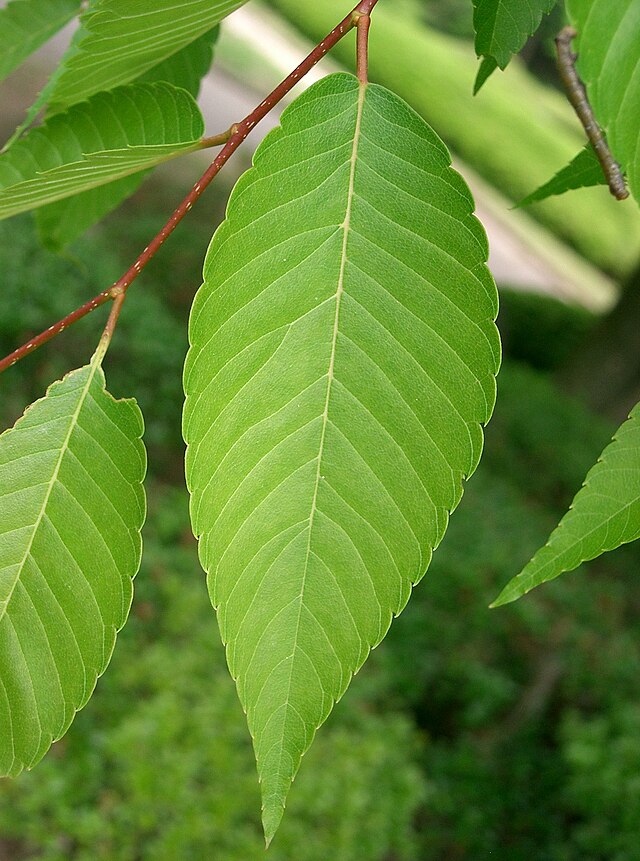
Deciduous broadleaf bonsai are the genre that most vividly expresses the changing of the four seasons. Throughout the year—spring's fresh green shoots, summer's deep verdant leaves, autumn's vibrant foliage, and winter's bare-branch silhouette—they display an ever-changing appearance. This guide explains how to cultivate deciduous broadleaf bonsai, with their own distinct charm unlike conifer bonsai, focusing on representative species.
The Appeal of Deciduous Broadleaf Bonsai and Representative Species
Deciduous broadleaf bonsai is a general term for bonsai centered on deciduous broadleaf trees, excluding conifers (such as pine and hinoki cypress, which are evergreen needle-leaf trees). In winter when the leaves fall, the bare-branch silhouette of just the trunk and branches becomes visible, with the branch structure and trunk character clearly displayed. This beauty of the bare-branch form is the true essence of deciduous broadleaf bonsai, and it is a genre that tests the skill of branch crafting.
Representative species and their characteristics are as follows:
| Species | Characteristics |
|---|---|
| Maple (Acer) | The flagship of deciduous broadleaf bonsai. All four seasons offer visual interest: red emerging buds in spring, green foliage in summer, vibrant autumn colors, and delicate branch structure in winter. Yamamomiji and Irohamamomiji varieties are particularly popular as bonsai, and creating fine branching achieves a delicate canopy |
| Zelkova | Characterized by a distinctive "brush-shaped" form unique to deciduous broadleaf bonsai, where branches spread outward like a broom from an upright trunk, with the winter branch structure considered most beautiful. Fine leaves make even small bonsai convey the grandeur of a large tree |
| Others | Toxicodendron vernicifluum, prized for beautiful autumn color; beech, valued for its white trunk; and plum and cherry, grown for their flowers, are also cultivated as deciduous broadleaf bonsai |
Spring Care (March–May)
Spring is the most important season for deciduous broadleaf bonsai. Work concentrated on bud emergence through new leaf development determines the tree's appearance for the entire year.
In March, buds begin to swell. This is an ideal time for repotting deciduous trees. Trim the roots back to about one-third to two-thirds of their original length and repot in fresh soil. The standard soil for deciduous types is pure akadama or a mixture of akadama 7:Kiryu sand 3. A slightly higher water-retention rate is the key difference from conifer bonsai.
Once new buds begin to elongate, perform "bud pinching" to remove excessively vigorous shoots. Since maple and similar species produce opposite buds (two per node), pinch the stronger bud to balance branch development. Zelkova has tiny buds, so the preferred method is to allow 2–3 nodes to extend, then cut back to 1–2 nodes.
Begin fertilizing (except flowering varieties) from late March. Apply organic solid fertilizer monthly and liquid fertilizer every two weeks. Providing strong nutrition during this period ensures vigorous growth in the months ahead.
Summer Care (June–August)
Summer presents a challenge for deciduous broadleaf bonsai, but it is also the season for an important technique: defoliation.
Defoliation involves removing all or most of the leaves that have expanded around June. The tree responds by producing new buds and new leaves, which are smaller than the original leaves. This achieves the crucial "small leaf" characteristic essential to bonsai and also increases the number of branches.
Perform defoliation only on healthy trees. Defoliation of weakened trees risks death. The technique applies to major deciduous species including maple, autumn-foliage varieties, zelkova, and beech, but initially it is safer to begin with partial defoliation rather than removing all leaves.
Water twice daily—morning and evening—during summer. Deciduous trees require more water than conifers, and drought stress causes leaf scorch and branch die-back. Areas exposed to western sun face intense drying; provide shade using reed screens or shade cloth.
During the peak heat after the rainy season ends, place pots on shelving to prevent excessive pot temperature and avoid ground reflection. Reduce or suspend fertilizing during midsummer.
Autumn Care and Tips for Beautiful Autumn Foliage (September–November)
Autumn is when deciduous broadleaf bonsai reach their most vibrant. Several conditions are necessary for beautiful autumn color. Leaves that received ample light throughout summer display the most stunning foliage.
The three conditions for beautiful autumn foliage are:
- Ample sunlight: Remove shade cloth from September onward and ensure full sun exposure
- Day-night temperature difference: A difference of 10°C or more promotes color change; outdoor placement is ideal
- Moderate watering: Once foliage begins to color, slightly reduce watering to intensify the hue (however, excessive drying causes leaf curl and spoils the display, so balance is essential)
Fertilizer management also affects autumn color. Excess nitrogen keeps leaves green and inhibits color change; from September onward, switch to fertilizers centered on phosphorus and potassium. Bone meal-based fertilizers with low nitrogen content are appropriate.
Remove unnecessary branches after leaf drop (late November through December). Once leaves have fallen, the branch structure becomes clear, making it easier to decide which branches to keep and which to remove. Winter pruning is the most critical work in branch crafting for deciduous broadleaf bonsai.
Winter Care and Appreciating the Bare-Branch Form (December–February)
Winter is when the "skeleton" of deciduous broadleaf bonsai becomes visible. The bare-branch silhouette is the finest sight for bonsai enthusiasts, and the results of branch crafting become evident.
Winter pruning occurs from December through January. Refine the canopy outline and remove undesirable branches—crossing branches, downward-facing branches, and parallel branches. For maple and autumn-foliage varieties, fine branching is everything, so cut back thick branches and transition to thinner secondary branches to create a delicate branch tip.
The brush-shaped form of zelkova is most beautiful in winter, with the silhouette of symmetrically spreading branches resembling a miniature of a large tree. Remove unnecessary branches to balance left and right, and align the outermost branch tips for best effect.
Reduce winter watering to once every 2–3 days, but do not let the soil dry completely. Some deciduous species are less cold-hardy than conifers, so protection is necessary in areas with prolonged frost and freezing. Cluster pots together in a foam box or cover them with non-woven fabric for cold protection.
Start Your Deciduous Broadleaf Bonsai with GrowerDirect
GrowerDirect connects you directly with specialist growers of deciduous broadleaf bonsai with their rich seasonal character. Trees that growers have spent years developing already have beautifully established branch structure, so you can enjoy the four-season transformation immediately after purchase. Feel free to consult with growers when selecting your first deciduous broadleaf bonsai.